The city turned out for the parade. So did the flu.
Illustration generated by AI for The Day Vault.
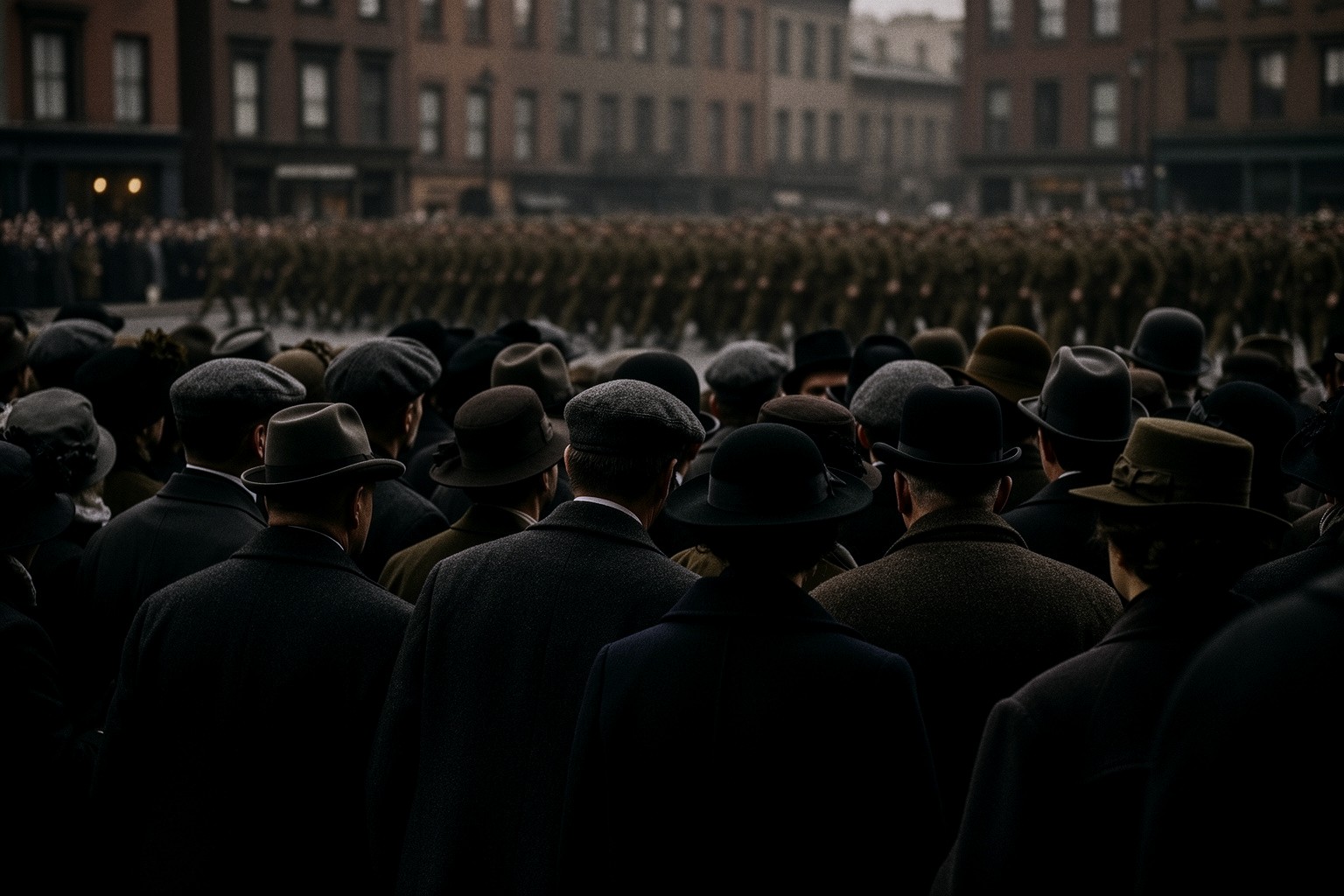
On September 28, 1918, Philadelphia held a Liberty Loan parade to sell war bonds. Bands, soldiers and floats stretched for about two miles down Broad Street, and roughly 200,000 people packed the sidewalks to watch.
The city's public health director, Wilmer Krusen, had been warned. Influenza had come ashore with sailors at the Philadelphia Navy Yard weeks earlier, and doctors urged him to call the parade off. The war needed money, and he let it go ahead.
Spectators stood shoulder to shoulder for hours. They cheered the bands, shouted to friends across the street and pressed forward for a better look at the troops. Many had walked over from crowded row-house blocks nearby, and they walked home together afterward. By the measure the organisers cared about, the day was a success.
Within three days, every bed in the city's hospitals was full.
On October 3, Philadelphia closed its schools, churches and theaters. By then the virus was moving through the neighbourhoods that had emptied onto Broad Street, and the city went on to suffer one of the worst death tolls in the country.
Checked against: Philadelphia newspapers from September and October 1918; city health department records; College of Physicians of Philadelphia archives; scholarly histories of the 1918 influenza pandemic.
The English watched the beach all summer. Then they went home.
Illustration generated by AI for The Day Vault.
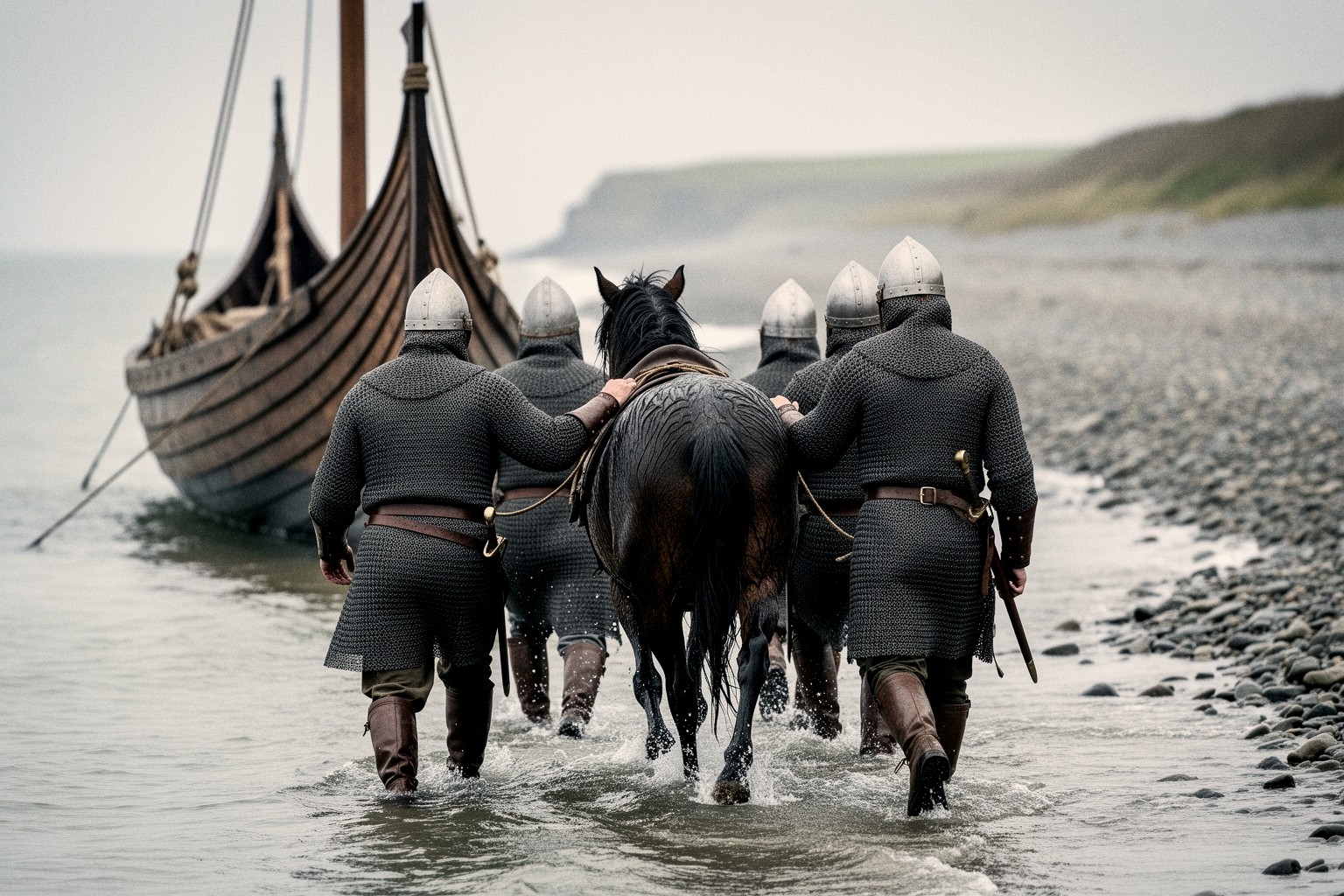
On 28 September 1066, Norman ships ran up onto the shingle at Pevensey, on the Sussex coast. Duke William of Normandy came ashore with soldiers, horses and armour. Nobody tried to stop him.
He had meant to come much sooner. His fleet gathered in Normandy through the summer, then sat in port for weeks, waiting for a wind that would carry it across the Channel. Every idle week cost food, wages and patience.
Across the water, King Harold II had prepared for exactly this landing. He kept soldiers and ships on the south coast all summer. On 8 September, with supplies exhausted and the harvest waiting, he sent them home. Then a Norwegian army landed in the north, and Harold marched to Yorkshire. He destroyed it at Stamford Bridge on 25 September.
The contrary wind William had waited out for weeks had held him back just long enough for the southern coast to empty.
Harold had to drive his worn-out army back down almost the length of England. On 14 October he met William near Hastings, and by nightfall he was dead.
Checked against: The Anglo-Saxon Chronicle, William of Poitiers' account of the Conquest, the Bayeux Tapestry, and standard modern histories of the Norman Conquest.
France offered a choice. Guinea took the other one.
Illustration generated by AI for The Day Vault.
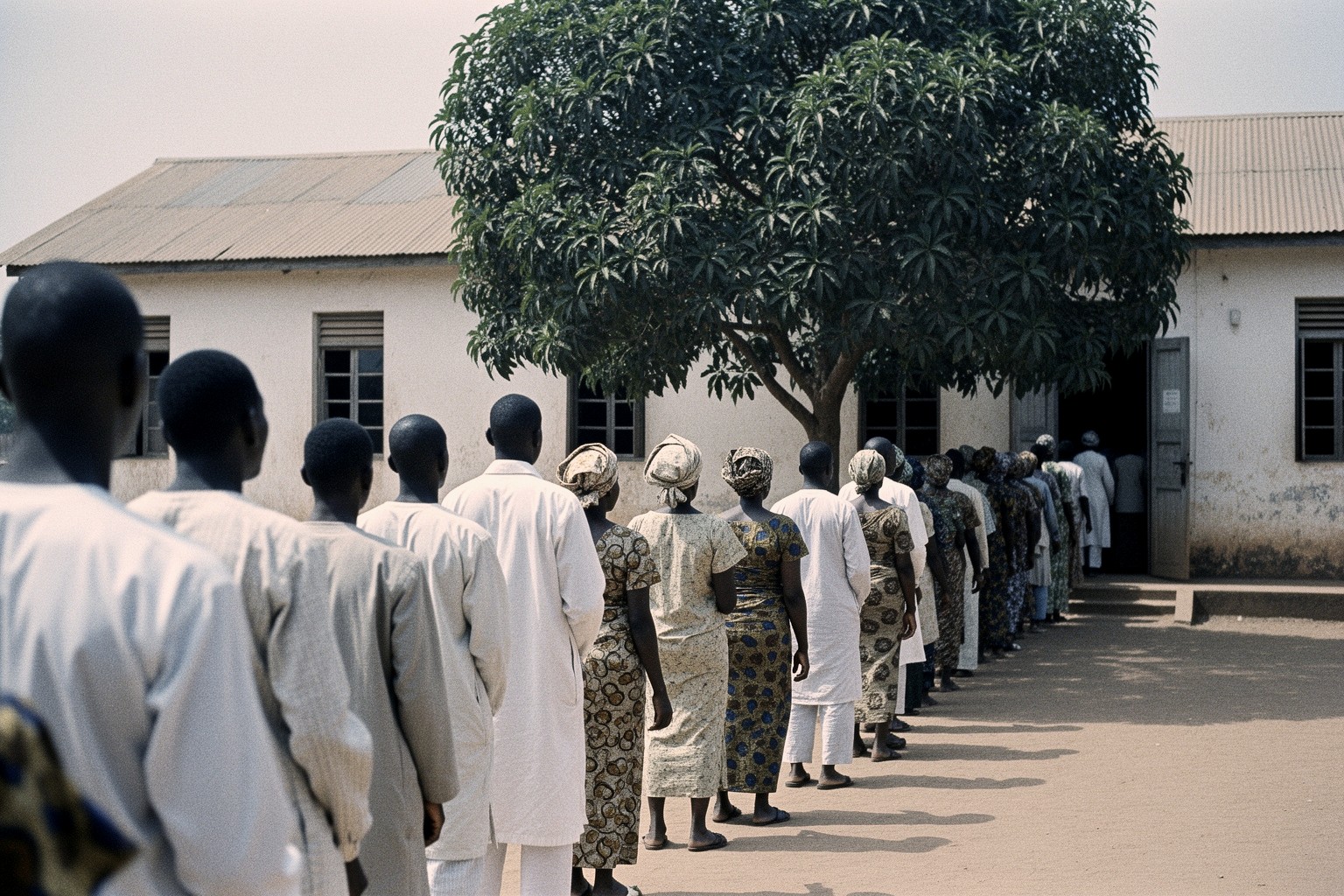
On September 28, 1958, France held a referendum on a new constitution, in metropolitan France and across its overseas territories. In French West and Equatorial Africa the ballot carried a second meaning. Yes meant joining a new French Community. No meant immediate independence.
Charles de Gaulle had made the terms plain on a tour of Africa that summer. Territories that refused would be free to go, and they would go without France. Every other territory voted yes.
Guinea voted no, overwhelmingly. Its leader, Ahmed Sékou Touré, had built a mass party through the trade unions, and the party delivered the vote. On October 2, Guinea declared itself independent, the first of France's sub-Saharan colonies to do so.
Paris did not negotiate. Within weeks it recalled its civil servants, doctors and teachers, stopped its aid, and took much of its equipment and records with it.
The new state started with almost no trained administrators. It borrowed money from neighbouring Ghana, signed agreements with the Soviet bloc, and spent the next quarter century under one increasingly suspicious ruler.
Checked against: French and Guinean referendum records; academic histories of French decolonisation in West Africa; contemporary press reports; biographies of Sékou Touré and de Gaulle
The army marched on Yorktown. The sea had already decided it.
Illustration generated by AI for The Day Vault.
On September 28, 1781, American and French troops marched out of Williamsburg, Virginia, and closed on Yorktown. General Charles Cornwallis had fortified the small tobacco port on the York River with his British army, and within days the allies had him pinned against the water.
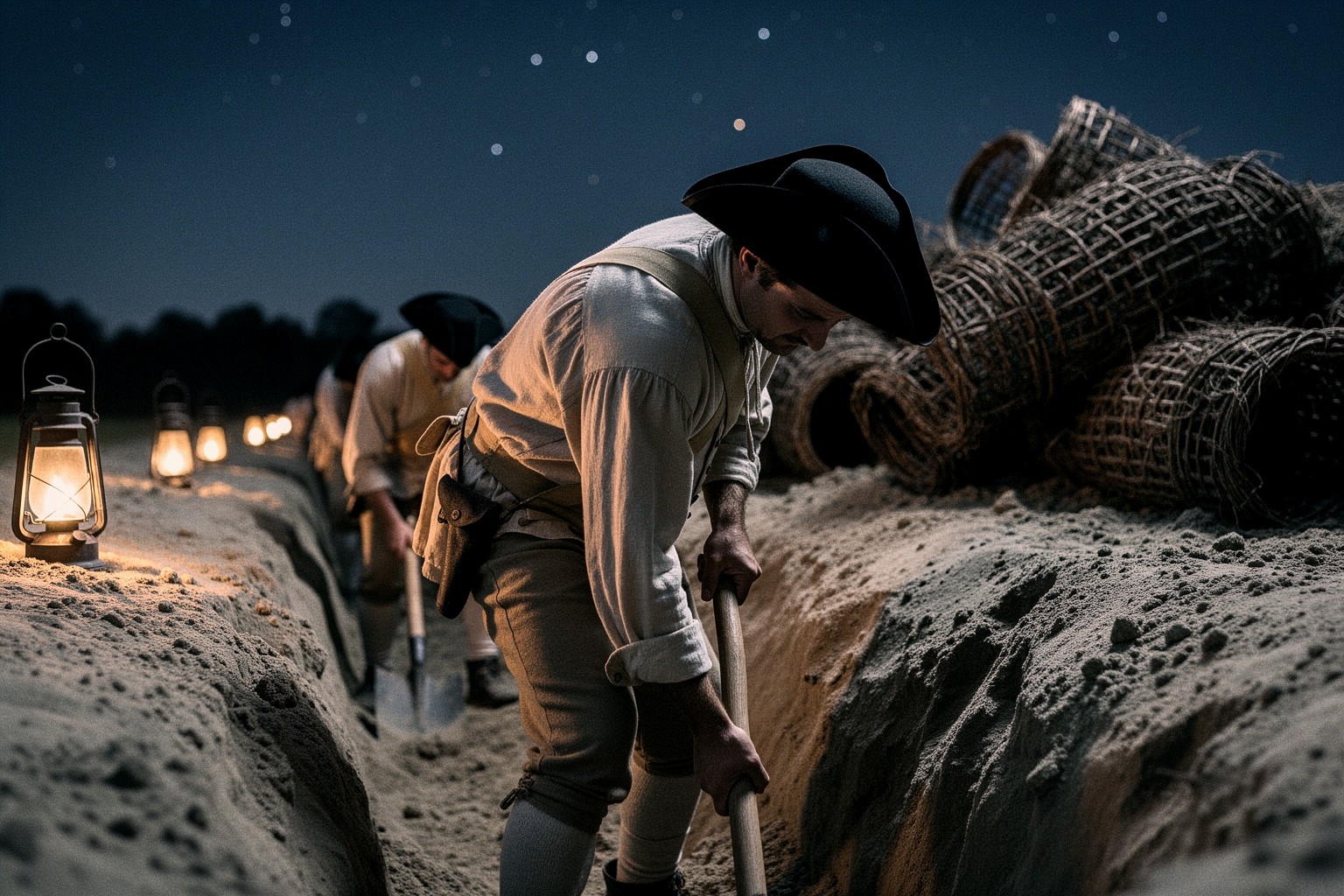
George Washington had brought his army south from New York in a hurry, with French regiments under the Comte de Rochambeau marching alongside. On the night of October 6 the allies began digging their first siege trench. Heavy guns followed. On October 14, two British redoubts fell to bayonet assaults in the dark.
Cornwallis had picked his ground for a reason. A port meant the Royal Navy could feed him, reinforce him, or carry his army away.
But the ships that mattered were French: weeks earlier, a fleet under the Comte de Grasse had fought the British off the Chesapeake capes and held the bay, so the escape route was shut before the first soldier dug a trench.
Cornwallis surrendered on October 19. That same day, a British relief fleet carrying thousands of troops sailed from New York. It reached the Chesapeake five days later, learned it was too late, and turned back.
Checked against: Washington's and Rochambeau's correspondence and orderly books; British army returns and Cornwallis's dispatches; standard military histories of the Yorktown campaign; National Park Service histories of Yorktown Battlefield
On September 28, 1920, a Cook County grand jury in Chicago indicted eight members of the Chicago White Sox for conspiring to throw the 1919 World Series. The heavily favoured Sox had lost that series to the Cincinnati Reds, five games to three.
The charges came with confessions. Pitcher Eddie Cicotte and outfielder Joe Jackson admitted to the grand jury that gamblers had paid players to lose. Owner Charles Comiskey suspended the seven accused men still on his roster, even though the team was chasing the pennant in the season's final week. Chicago finished second.
The trial opened in the summer of 1921. By then the signed confessions had gone missing from the prosecution's files, and the players had repudiated them. With the strongest evidence gone, the case thinned. On August 2, 1921, the jury acquitted all eight men, and the courtroom cheered.
Baseball's new commissioner, Judge Kenesaw Mountain Landis, had no intention of letting a jury decide the matter for him.
The next day he banned all eight from organised baseball for life, verdict or no verdict. None of them played in the major leagues again.
Checked against: Cook County court records; contemporary Chicago and national newspaper coverage, 1920-21; official statements of the Commissioner of Baseball; standard histories of the 1919 World Series
The cardinals had just gone home. Five weeks later they were voting again.
Illustration generated by AI for The Day Vault.
Late on September 28, 1978, Pope John Paul I died in his rooms in the Apostolic Palace. He had been pope for 33 days. A member of the household found him early the next morning.
Albino Luciani, the patriarch of Venice, had been elected on August 26 after a conclave that lasted barely a day. He was the first pope to take a double name, honouring the two men before him. He declined the jewelled papal tiara and was installed at an open-air Mass in St Peter's Square instead.
Italians called him the smiling pope. His public audiences were plain and unhurried, and the crowds grew week by week. The cardinals who had elected him, many of them old men, had only just flown back to their dioceses on five continents.
Within three weeks they were back in the same chapel, under the same ceiling, burning the same ballots in the same stove.
On October 16 they chose a 58-year-old Polish cardinal, Karol Wojtyła. No non-Italian had held the office in 455 years.
Checked against: Vatican press office statements from 1978; contemporary wire reports and newspaper coverage of both 1978 conclaves; standard reference histories of the papacy.
Radio said it was too long. Radio played it for nine weeks.
Illustration generated by AI for The Day Vault.
On September 28, 1968, "Hey Jude" by the Beatles reached number one on the Billboard Hot 100. It was the first single on the band's own Apple label. It ran seven minutes and eleven seconds.
Paul McCartney had begun writing it as "Hey Jules," for John Lennon's five-year-old son, Julian, while John's marriage to Cynthia was coming apart. What started as a few lines of comfort sung in a car became a ballad built on piano and voice.
Seven minutes was a problem. Most pop singles of the day ran under three, because radio stations filled their hours with short songs and advertisements. George Martin, the band's producer, worried that disc jockeys would refuse to play it. The band kept every second.
The longest stretch of the record was not a verse at all. It was the coda, about four minutes of the same few notes, a 36-piece orchestra and a room of voices repeating "na na na" until the fade.
Stations played it whole. It held number one for nine weeks, the longest American run of any Beatles single, and the part meant to sink it on the radio was the part every listener could sing.
Checked against: Billboard Hot 100 chart archives for 1968; Beatles recording-session histories; biographies of Paul McCartney and John Lennon; interviews with producer George Martin.
On September 28, 1972, Paul Henderson scored with 34 seconds left in Moscow, and Canada beat the Soviet Union in the eighth and final game of the Summit Series. At home, the game aired during the school and working day. Classrooms wheeled in televisions. Offices stopped.
The series had been billed as a formality. Canada's best professionals, finally free to face the Soviet national team, were expected to win every game. Instead the Soviets won the opener 7-3 in Montreal. Canada left home with one win, two losses and a tie, then lost the first game in Moscow.
Henderson scored the winning goal in game six, again in game seven, and once more in game eight. In that last game Canada trailed 5-3 after two periods. Phil Esposito and Yvan Cournoyer tied it in the third. Henderson, crashing the net, put in his own rebound.
The win settled the series but not the argument: the professionals had needed the last minute of the last game to beat players Canada had dismissed as amateurs.
Four years later the two countries met again, in a new tournament built so the world's best could play each other on equal terms.
Checked against: Contemporary Canadian and Soviet newspaper reports; CBC archival broadcast footage; Hockey Hall of Fame records; published histories of the 1972 Summit Series
He could have sat down at .400. He picked up a bat.
Illustration generated by AI for The Day Vault.
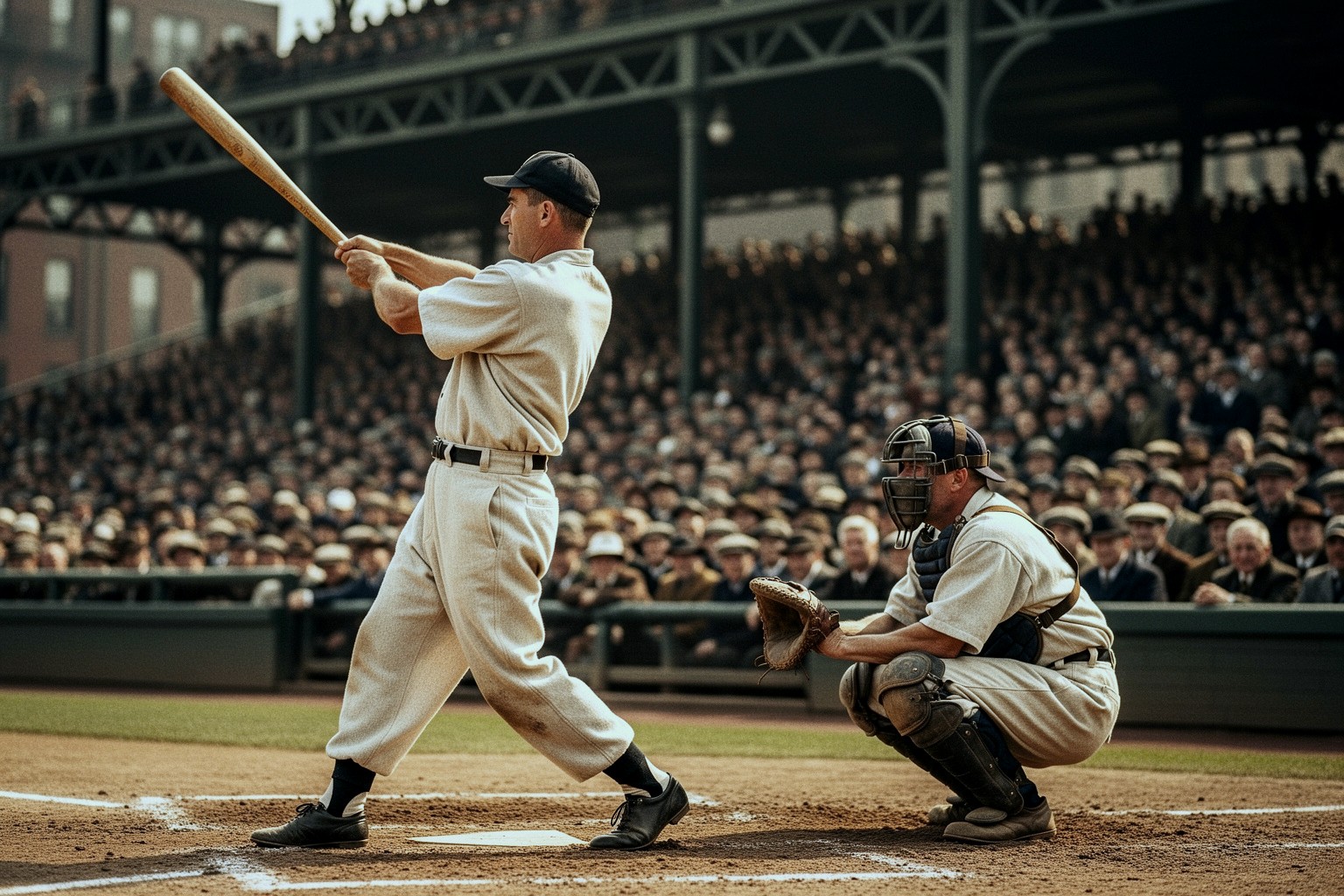
On September 28, 1941, Ted Williams of the Boston Red Sox woke up batting .39955. Rounded the way baseball rounds, that was .400, a mark no American League hitter had reached since Harry Heilmann in 1923. Williams was 23 years old and in only his third season.
Boston had a doubleheader left against the Athletics at Shibe Park in Philadelphia, and nothing riding on either game. The pennant was long gone to New York. Manager Joe Cronin offered to sit Williams and let the number stand. A bad afternoon could drop him into the high .390s and onto the long list of men who almost did it.
Williams played both games. He went 4 for 5 in the opener, including a home run, then 2 for 3 in the second game. Six hits in eight at-bats. He finished the season at .406, earned rather than rounded.
Nobody in the major leagues has hit .400 since.
More than eighty years on, hitters still flirt with the number in June and fade by September, and the season that was supposed to be the latest in a line became the end of it.
Checked against: Baseball reference statistical archives, contemporary newspaper box scores from September 1941, Red Sox team histories, standard biographies of the player
The Moon came back sterile. A paddock in Victoria didn't.
Illustration generated by AI for The Day Vault.
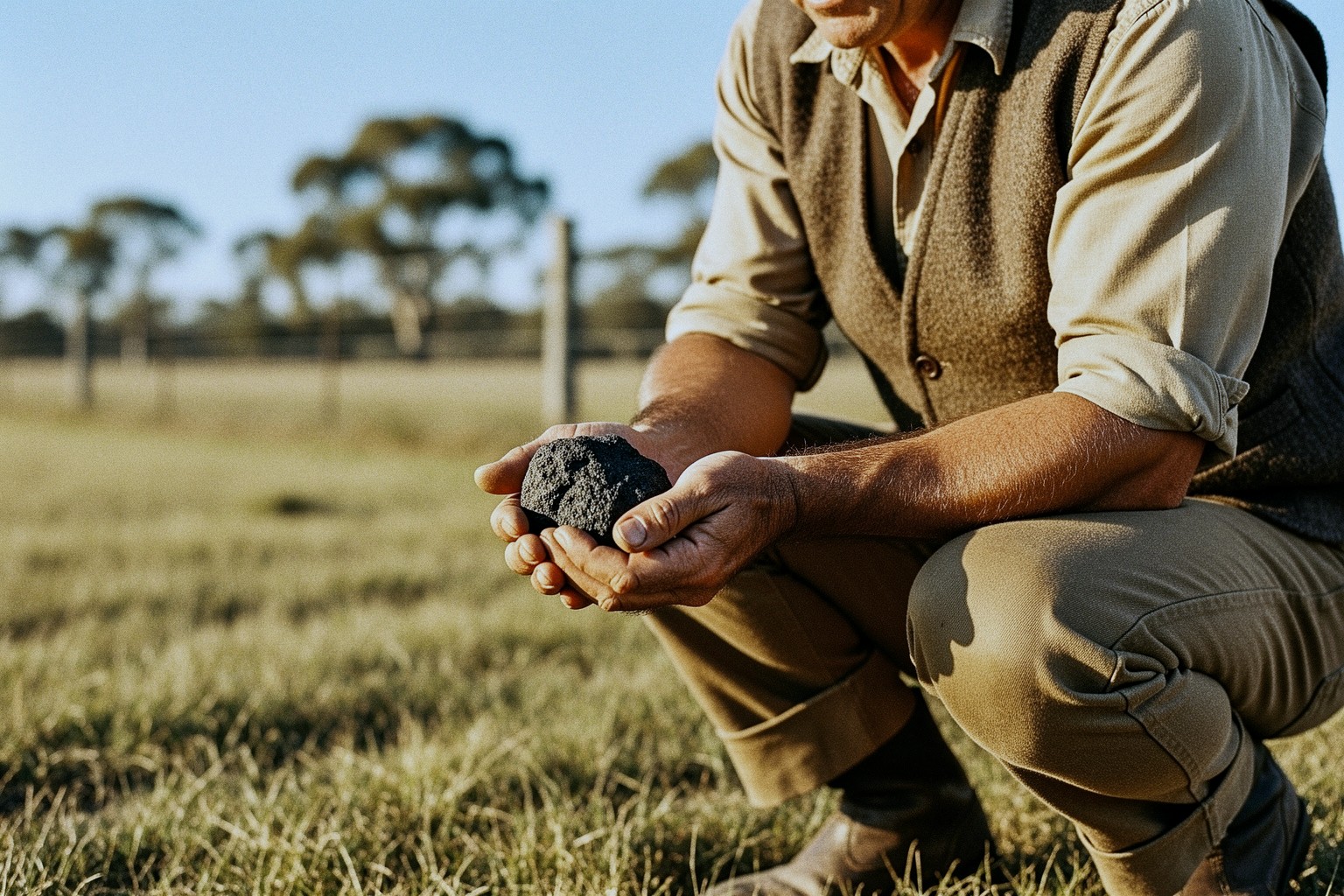
On September 28, 1969, a little before 11 on a Sunday morning, a fireball crossed the sky over Murchison, a small farming town in Victoria, Australia. It broke apart with a boom heard for miles, and black stones rained down across the town and the paddocks around it.
Residents went out and picked them up. Some pieces were warm. Some had a sharp chemical smell that people compared to methylated spirits. Over the following weeks, locals and scientists gathered more than 100 kilograms of fragments, many with a black crust over a crumbly, dark interior.
The rock was a carbonaceous chondrite, a rare kind of meteorite rich in carbon. Samples went to laboratories in Australia and the United States, including NASA's Ames Research Center in California. Its teams had just spent months readying clean rooms and careful methods for the samples Apollo 11 had brought home in July.
Those lunar samples had turned up essentially no organic chemistry of their own. The rock that fell on a dairy town did.
Analysis of the Murchison fragments found amino acids, the building blocks of proteins, including types rare or absent in Earth's biology. That was strong evidence the ingredients of life can form in space. Researchers are still cutting into the same stones today.
Checked against: Peer-reviewed meteoritics literature, including the 1970 amino-acid analysis published in Nature; museum collection records for the Murchison meteorite; contemporary Australian newspaper reports; NASA Ames institutional histories.
On September 28, 2008, a small rocket called Falcon 1 lifted off from Omelek, a speck of coral in the Marshall Islands' Kwajalein Atoll, and reached Earth orbit. It was the first privately developed liquid-fuelled rocket to get there.
SpaceX had tried this before. The first Falcon 1 failed in March 2006, less than a minute after launch. The second, in March 2007, reached space but began to wobble and never made orbit. The third, that August, lost it when its spent first stage bumped into the second stage after separation. The satellites it carried went down with it.
The company was running short of money. Its engineers shipped the parts for a fourth vehicle across the Pacific and had it standing on the island in under two months.
The rocket that finally made history had no customer aboard. Its payload was a 165-kilogram dummy, built only to weigh what a real satellite would.
Nobody had risked a satellite on it, and after that night nobody had to wonder. In December, NASA signed SpaceX to a $1.6 billion contract to fly cargo to the International Space Station.
Checked against: NASA contract announcements; contemporary aerospace trade press; company launch records; spaceflight histories and launch logs