On October 1, 1890, President Benjamin Harrison signed the act creating Yosemite National Park. Congress set aside a vast stretch of the Sierra Nevada high country: meadows, forests and the headwaters of the Tuolumne and Merced rivers.
The push came from John Muir and the magazine editor Robert Underwood Johnson. Muir had watched flocks of sheep graze the alpine meadows down to dirt. He called the animals "hoofed locusts," and he wanted them gone.
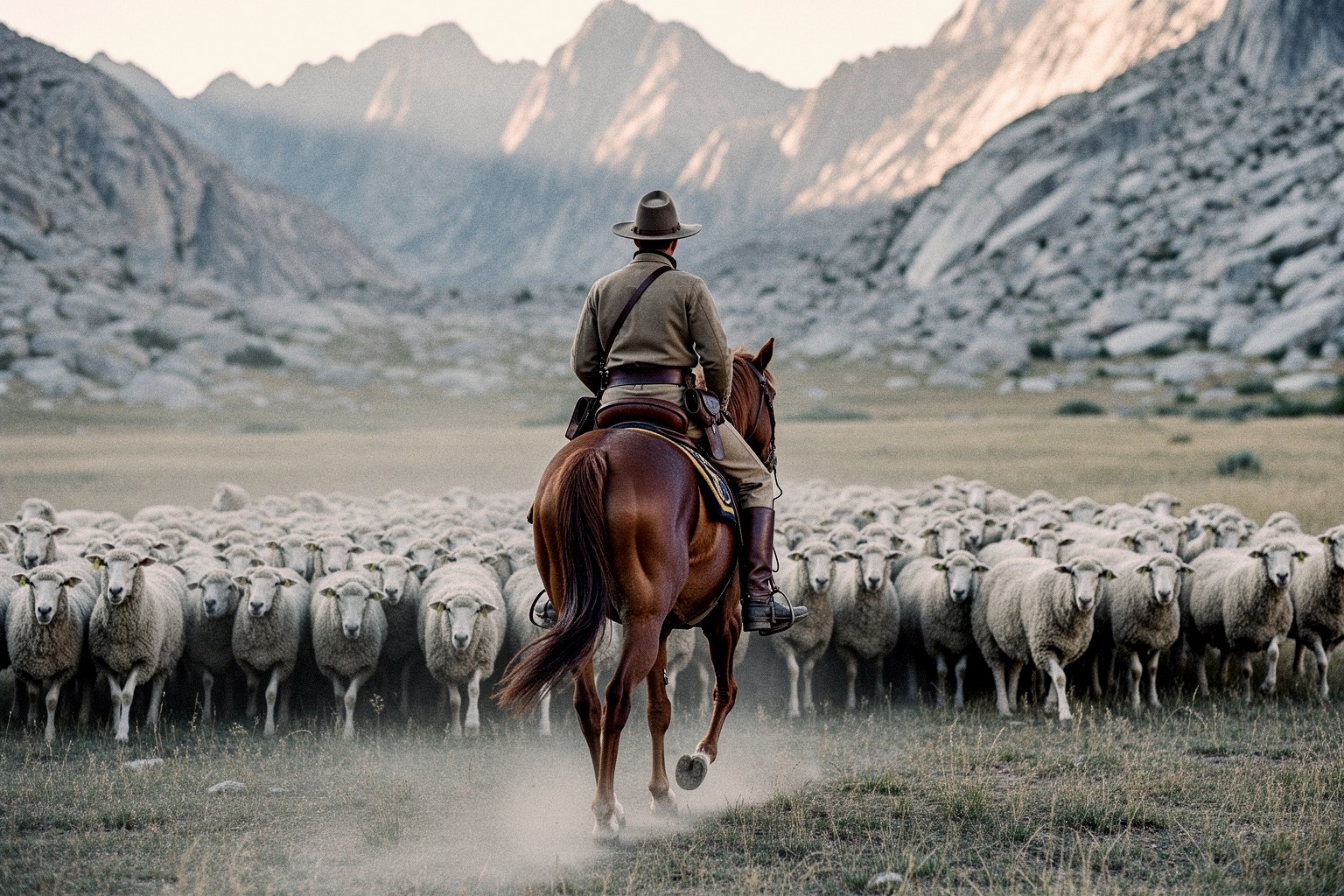
The new park had no rangers. Each summer the Army sent cavalry troops to guard it. Soldiers rode the high trails, tracked down herders and drove their flocks off federal land.
The park did not include Yosemite Valley. The granite walls and waterfalls that everyone pictured had been granted to California in 1864, and they stayed state land, run by state commissioners, an island sitting inside the national park.
For sixteen years, visitors crossed between two governments on the same trail. California gave the valley back, and Congress accepted it in 1906. The park finally had its middle.
Checked against: The Yosemite National Park Act of 1890 and the Yosemite Grant of 1864, National Park Service administrative histories, Army reports on cavalry patrols of the national parks, and biographies of John Muir.
The world's fastest train left without its builders
Illustration generated by AI for The Day Vault.
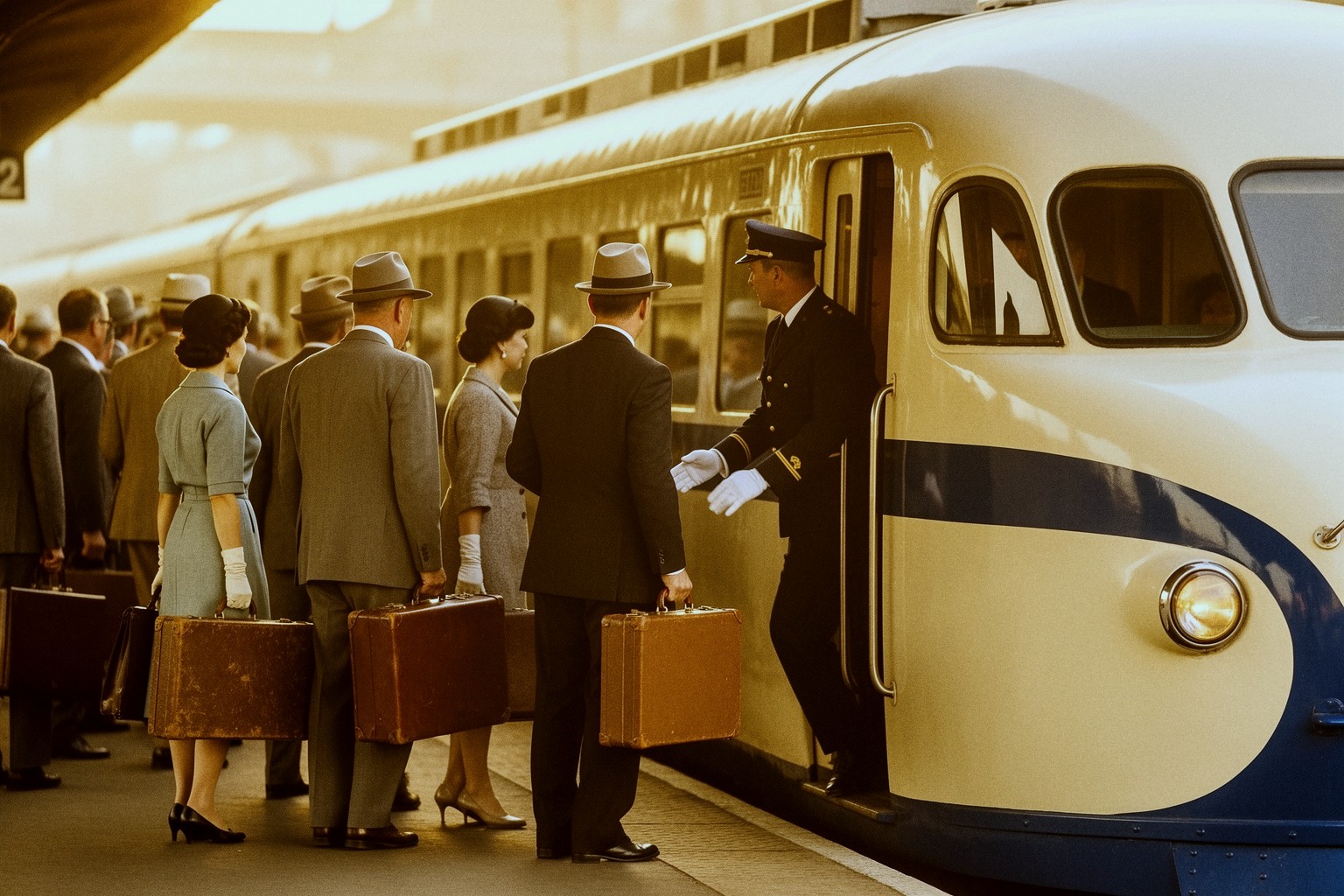
On October 1, 1964, the first scheduled bullet trains pulled out of Tokyo and Shin-Osaka at six in the morning. The new Tokaido Shinkansen ran at up to 210 kilometres an hour, faster than any regular passenger service in the world.
The trip between Japan's two biggest cities had taken about six and a half hours by the fastest express. Now it took four. The line opened nine days before the Tokyo Olympics, and Japan wanted visitors to see a country rebuilt less than twenty years after the war.
Building it took tunnels, long viaducts and a separate standard-gauge track laid beside the old narrow-gauge railway. Part of the money came from a World Bank loan. Critics had called the project a waste: railways were finished, they said, and the future belonged to cars and planes.
The two men most responsible, railway president Shinji Sogo and chief engineer Hideo Shima, were no longer in their jobs. Both had left Japanese National Railways in 1963 as the budget swelled to nearly double the original estimate.
The line carried its 100 millionth passenger in less than three years, and high-speed rail spread from Japan to France, Spain and China.
Checked against: Japanese National Railways and JR Central histories; World Bank project records; contemporary Japanese and international newspaper reports; railway histories of the Shinkansen
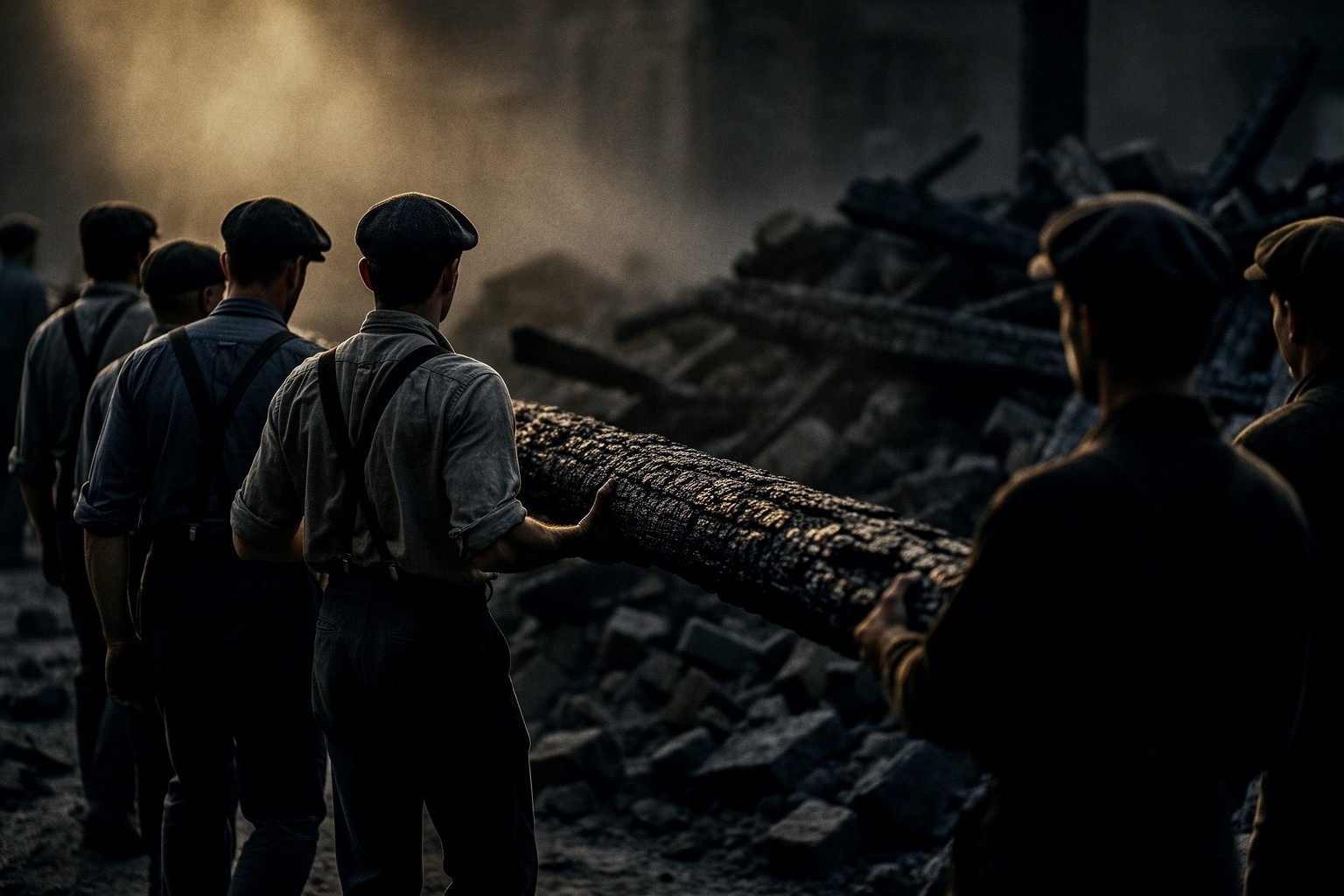
Early on October 1, 1910, a dynamite bomb went off in an alley beside the Los Angeles Times building. Barrels of ink and the building's gas lines turned the blast into a fire. Twenty-one people died, most of them the paper's own workers.
The Times belonged to Harrison Gray Otis, the country's loudest anti-union publisher, and the city was in the middle of a bitter metal trades strike. In April 1911, detectives arrested two brothers from the ironworkers' union, John and James McNamara.
Organised labour called it a frame-up. Unions raised a defence fund, hired Clarence Darrow, and wore buttons demanding the brothers go free. Job Harriman, a socialist lawyer on the defence team, ran for mayor of Los Angeles that autumn and finished first in the primary.
On December 1, 1911, four days before the election, both brothers stood up in court and pleaded guilty.
Harriman lost the runoff badly, and Los Angeles stayed an open-shop town for another generation.
Checked against: Contemporary newspaper coverage; court records of the McNamara case; histories of the American labour movement and of early twentieth-century Los Angeles politics
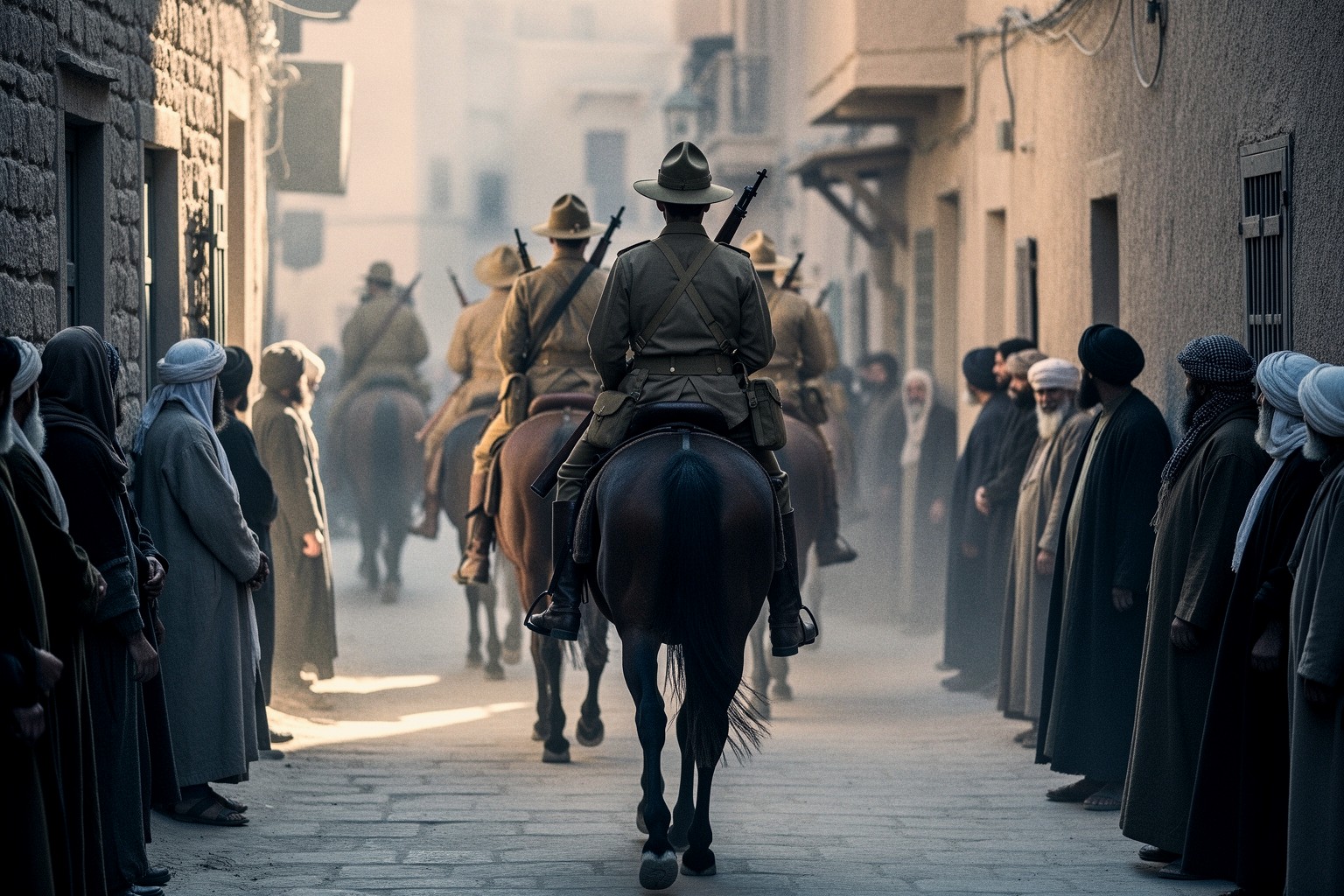
On the morning of October 1, 1918, Australian horsemen of the 10th Light Horse Regiment rode into Damascus. Ottoman forces had pulled out of the city during the night, and the regiment's orders were to cut through and block the road north.
Damascus had stood under Ottoman rule for four centuries. The regiment rode through streets crowded with townspeople, and at the town hall its commander, Major Arthur Olden, accepted the city's formal surrender from the local officials who had taken charge. Then the column pushed on to chase the retreating troops.
Arab forces fighting alongside the British entered later that morning, with T. E. Lawrence close behind. An Arab administration took over government buildings within hours.
London had made promises to the Arab leadership, and it suited Britain for the city to be seen as taken by Arab arms, so the earlier surrender to the Australians went unmentioned in the official story.
Prince Faisal ruled from Damascus for less than two years. In July 1920 a French army defeated his forces at Maysalun, a few hours' march west of the city, and took Damascus for itself.
Checked against: Australian official history of the First World War; British official history of the Palestine campaign; regimental war diaries; academic histories of the Arab Revolt and the Sinai and Palestine campaign
Twelve sentenced to hang. One never reached the rope.
Illustration generated by AI for The Day Vault.
On October 1, 1946, the International Military Tribunal at Nuremberg handed down its sentences. Twelve men were condemned to death, one of them, Martin Bormann, in absentia. Seven received prison terms. Three walked out of the courtroom acquitted.
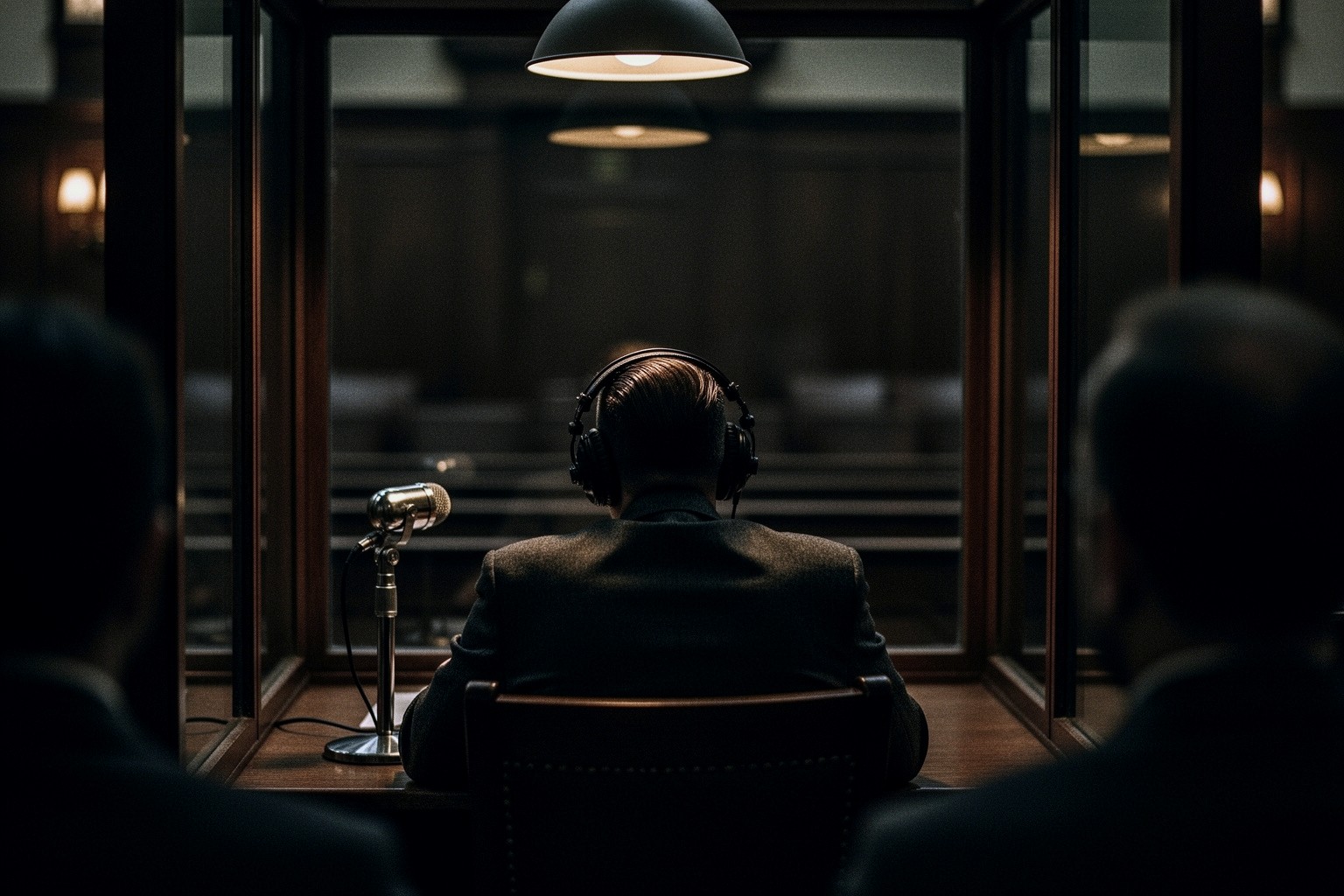
The trial had run since November 1945 in a city still largely rubble. Judges from the United States, Britain, France and the Soviet Union heard evidence in four languages at once. Interpreters working in rotating shifts piped every word through headsets, the first large-scale use of simultaneous interpretation.
Hermann Göring, the most senior surviving Nazi, had dominated the dock for months. He asked to be shot as a soldier rather than hanged. The request was refused. The executions were set for the night of October 15 in the prison gymnasium, and guards watched his cell through a door hatch around the clock.
Hours before he was due to hang, Göring was found dead on his cot, poisoned by a cyanide capsule.
Ten men went to the gallows after midnight without him. How the capsule reached a prisoner under constant watch has never been settled.
Checked against: Official trial record of the International Military Tribunal; contemporary press reports from Nuremberg; memoirs of prison staff and trial participants; academic histories of the Nuremberg trials
They agreed on fourteen points. The fifteenth split them.
Illustration generated by AI for The Day Vault.
On October 1, 1529, the two leading reformers of the Protestant world sat down together at Marburg Castle in Hesse. Martin Luther had come from Wittenberg. Ulrich Zwingli had come from Zurich. Their host, Landgrave Philip of Hesse, wanted something practical from them: a united Protestant front strong enough to stand against the Catholic emperor.
The talks ran for four days. The theologians worked through fifteen articles of belief: the Trinity, baptism, justification by faith, the authority of scripture. Article after article, they found common ground.
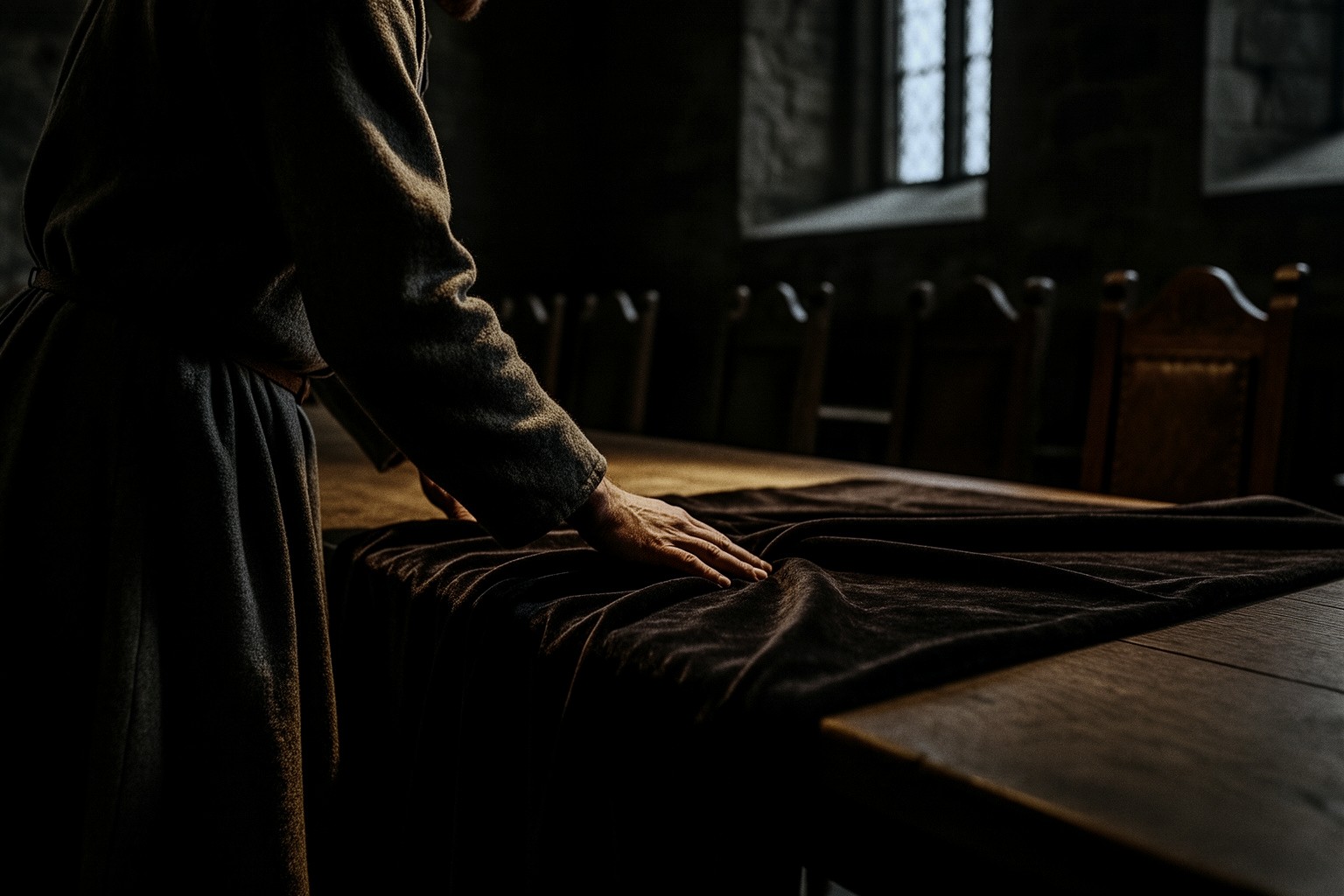
Before the sessions began, Luther had chalked four Latin words onto the table, 'Hoc est corpus meum' (this is my body), and covered them with a velvet cloth. When the argument came, he pulled the cloth back. He meant the words literally.
The final article concerned the Lord's Supper. They agreed on most of it, but on whether Christ's body was physically present in the bread, neither man would move.
Both signed the articles. The alliance Philip wanted never formed. Two years later, Zwingli was killed at the Battle of Kappel, fighting the Catholic cantons with no Lutheran army beside him.
Checked against: The text of the Marburg Articles; standard histories of the Reformation; scholarly biographies of Luther and Zwingli; histories of the Swiss Reformation and the Kappel Wars.
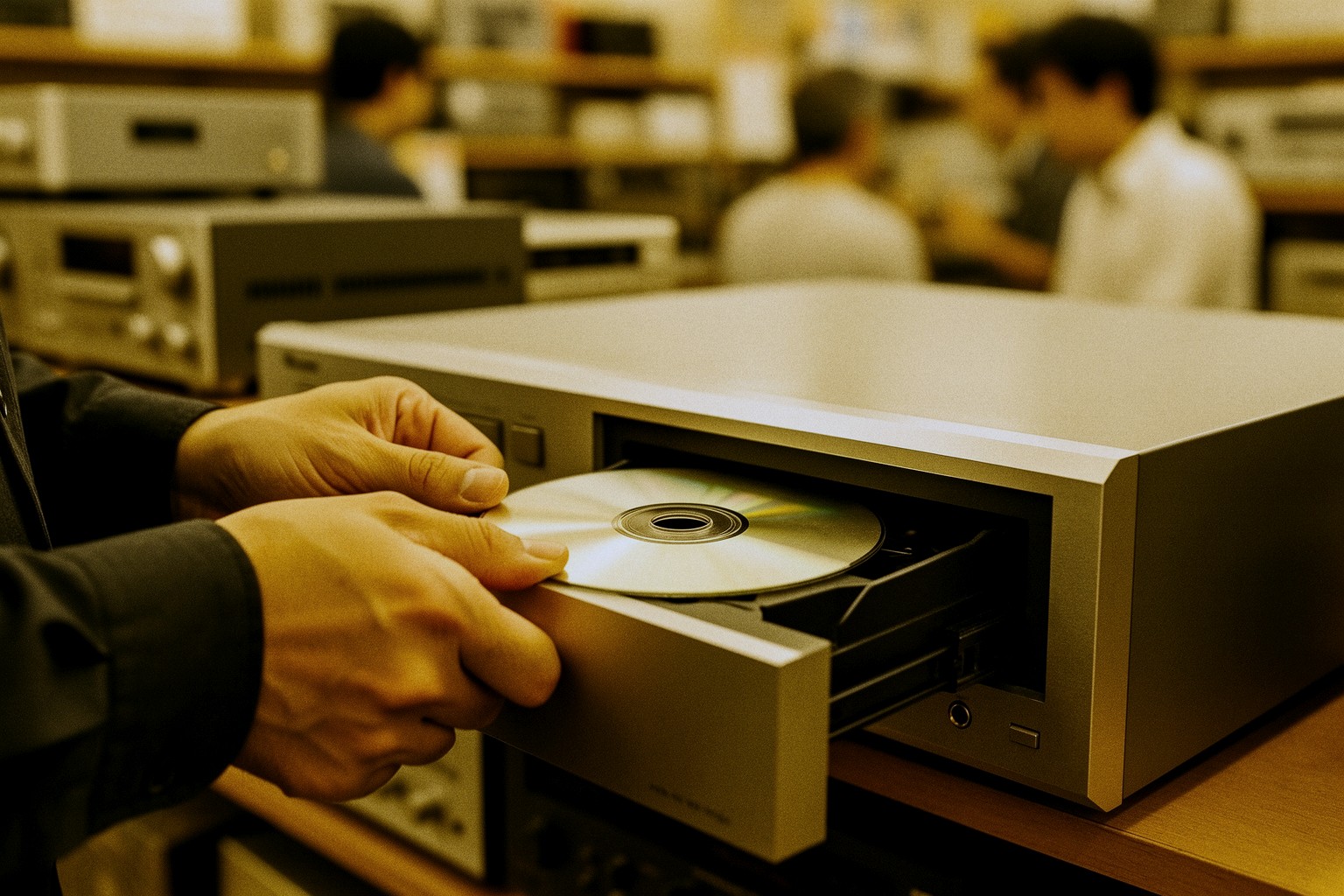
On 1 October 1982, Sony put the CDP-101 on sale in Japan. It was the first compact disc player offered to the public, built on a format that Sony and Philips had developed together over the previous few years.
The disc was 12 centimetres across and read by a laser. Nothing touched the surface while it played, so there was no needle, no crackle and no slow wear from one listen to the next. The player itself was a flat silver box with a drawer that slid out to take the disc. It cost 168,000 yen, far more than a good turntable.
Discs reached Japanese shops the same day, most of them from CBS/Sony. Billy Joel's 52nd Street is usually named as the first album released on the new format. Europe and America would have to wait until the following spring to buy either the players or the discs.
Early buyers were paying a premium for the future of recorded sound and carrying home a machine with only a short shelf of albums to feed it.
The shelf filled. Within two decades the compact disc was the main way people bought music, and its sales peaked around 2000, just before downloads began taking them apart.
Checked against: Sony corporate history archives; contemporary Japanese and international electronics trade press; histories of the compact disc format and the Sony-Philips partnership
Walt Disney's name went on the gate. Roy built it.
Illustration generated by AI for The Day Vault.
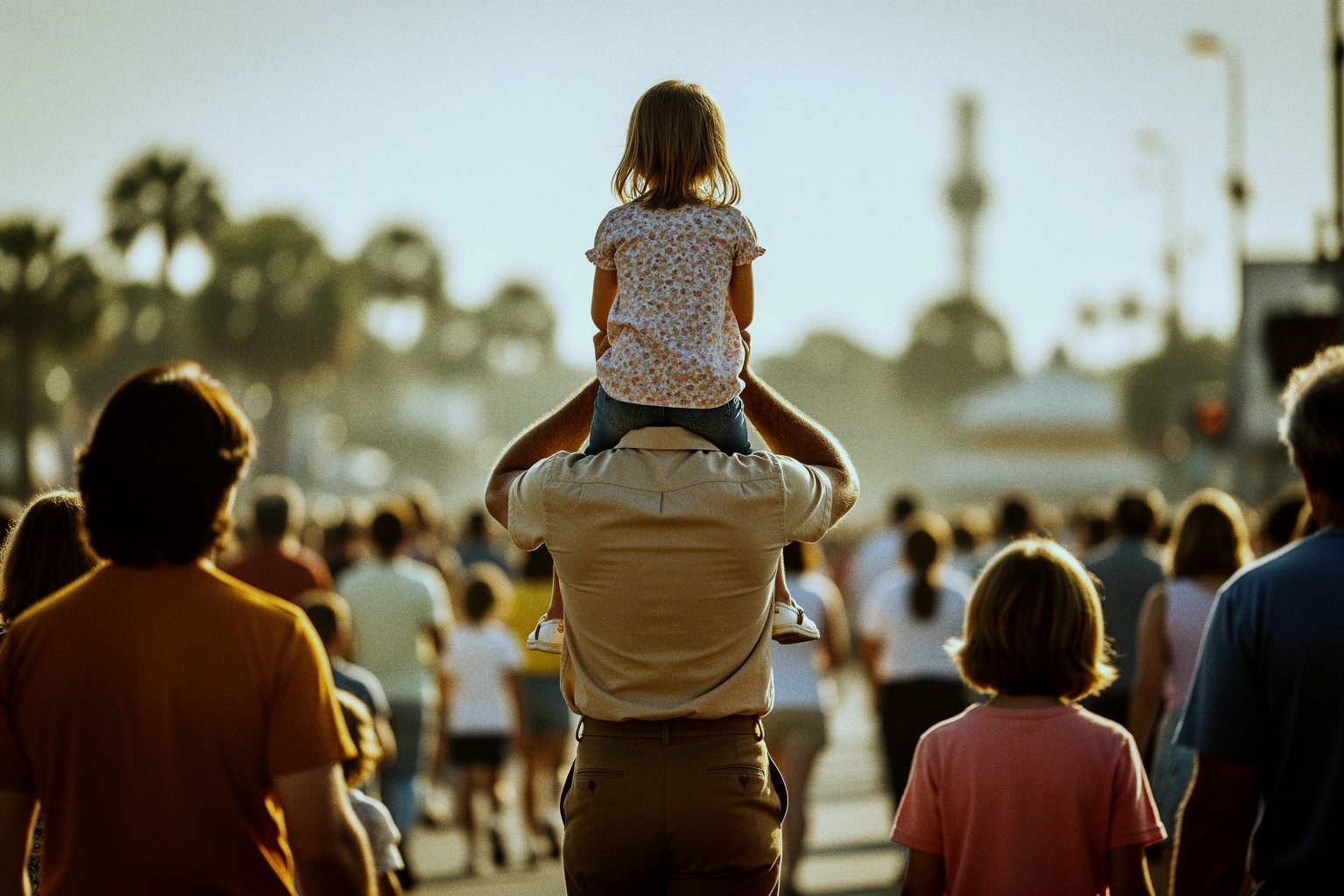
Walt Disney World opened near Orlando, Florida, on October 1, 1971. On day one it was a single theme park, the Magic Kingdom, plus two resort hotels, set on roughly 27,000 acres of swamp and pasture.
The land had been bought quietly in the mid-1960s through companies with forgettable names, so sellers would not guess who was buying and raise their prices. Florida newspapers eventually worked out who was behind it, and Walt Disney confirmed the plan in 1965. He wanted room the cramped Anaheim park never had, and he talked about an experimental city of the future to go with it.
Engineers drained wetlands, cut canals and built the park on a raised level with service tunnels underneath, so staff could move out of sight of guests. Families arrived that October to find a Florida version of what they knew from California.
Walt Disney had been dead for almost five years. He died in December 1966, before construction began, and his experimental city died on the drawing board with him.
His older brother Roy postponed retirement to finish the job and insisted the place carry Walt's full name, so visitors would know whose idea it was. Roy dedicated the resort that October. He died that December, weeks after the gates opened.
Checked against: Disney corporate histories, biographies of Walt and Roy O. Disney, Florida newspaper archives from 1965 and 1971, Orange County land records
He hit 61. Baseball filed it under a separate heading.
Illustration generated by AI for The Day Vault.
On October 1, 1961, Roger Maris of the New York Yankees hit his 61st home run of the season. It broke Babe Ruth's single-season record of 60, which had stood since 1927.
It came in the fourth inning off Boston's Tracy Stallard, on the last day of the regular season. The ball dropped into the right-field stands, where a 19-year-old from Brooklyn named Sal Durante caught it. The Yankees won 1-0. Only 23,154 people were in Yankee Stadium to see it.
The chase had filled the summer. Maris and teammate Mickey Mantle traded home runs for months until Mantle fell ill in September. That left Maris alone with the reporters and the daily question of whether he deserved to pass Ruth.
In July, Commissioner Ford Frick, who had once ghostwritten for Ruth, ruled that a record set after a team's 154th game would be listed separately, because the 1961 schedule was eight games longer. By that point Maris had 59.
So the 61 went into the record books beside Ruth's 60, not above it. The separate listing stood for thirty years, until a baseball committee removed it in 1991, six years after Maris died.
Checked against: Contemporary newspaper box scores and game reports; Major League Baseball historical records; biographies of Roger Maris; histories of the 1961 Yankees season
On October 1, 1958, the National Aeronautics and Space Administration opened for business. Congress had created it that summer, and President Eisenhower signed the act on July 29. Almost a year had passed since Sputnik crossed American skies, and the country wanted an answer.
The new agency had a chief, T. Keith Glennan, and a mandate to run America's civilian work in space. It had no rockets of its own yet and no astronauts. What it had was a property list: three research laboratories in Virginia, California and Ohio, plus two smaller test stations.
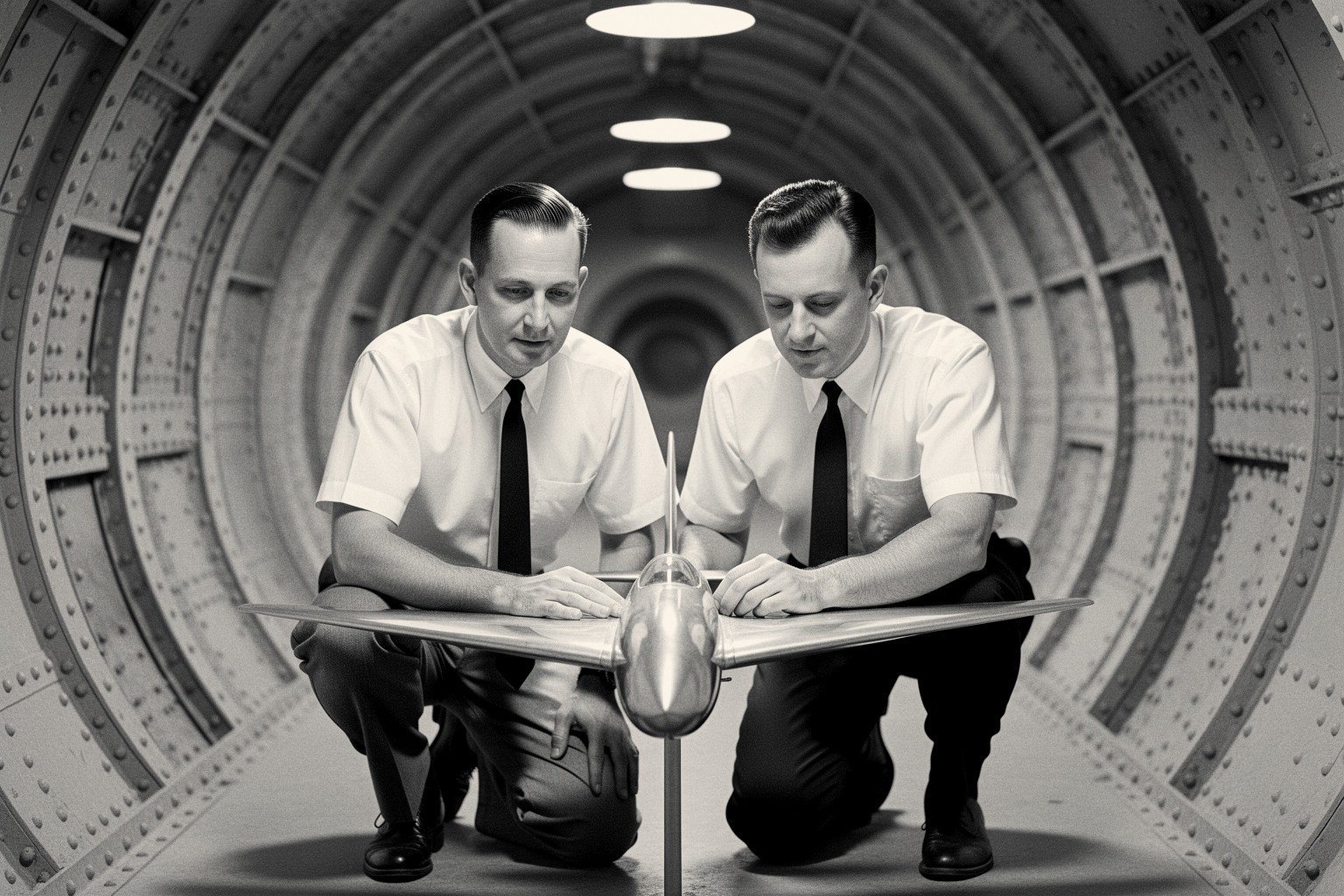
Those labs had been busy for decades. Their engineers had spent years measuring how air moved over wings, tails and propellers, in wind tunnels big enough to hold a full-size fighter plane.
Almost none of it was new. That same day the National Advisory Committee for Aeronautics, founded in 1915, simply stopped existing, and its roughly 8,000 employees came to work for NASA instead.
The people sent to answer Sputnik were mostly aircraft researchers who had changed employers without changing desks. Within weeks, a small group of them at the Virginia lab was handed the job of putting a man into orbit.
Checked against: NASA History Office publications; text of the National Aeronautics and Space Act of 1958; institutional histories of the National Advisory Committee for Aeronautics; contemporary newspaper reporting
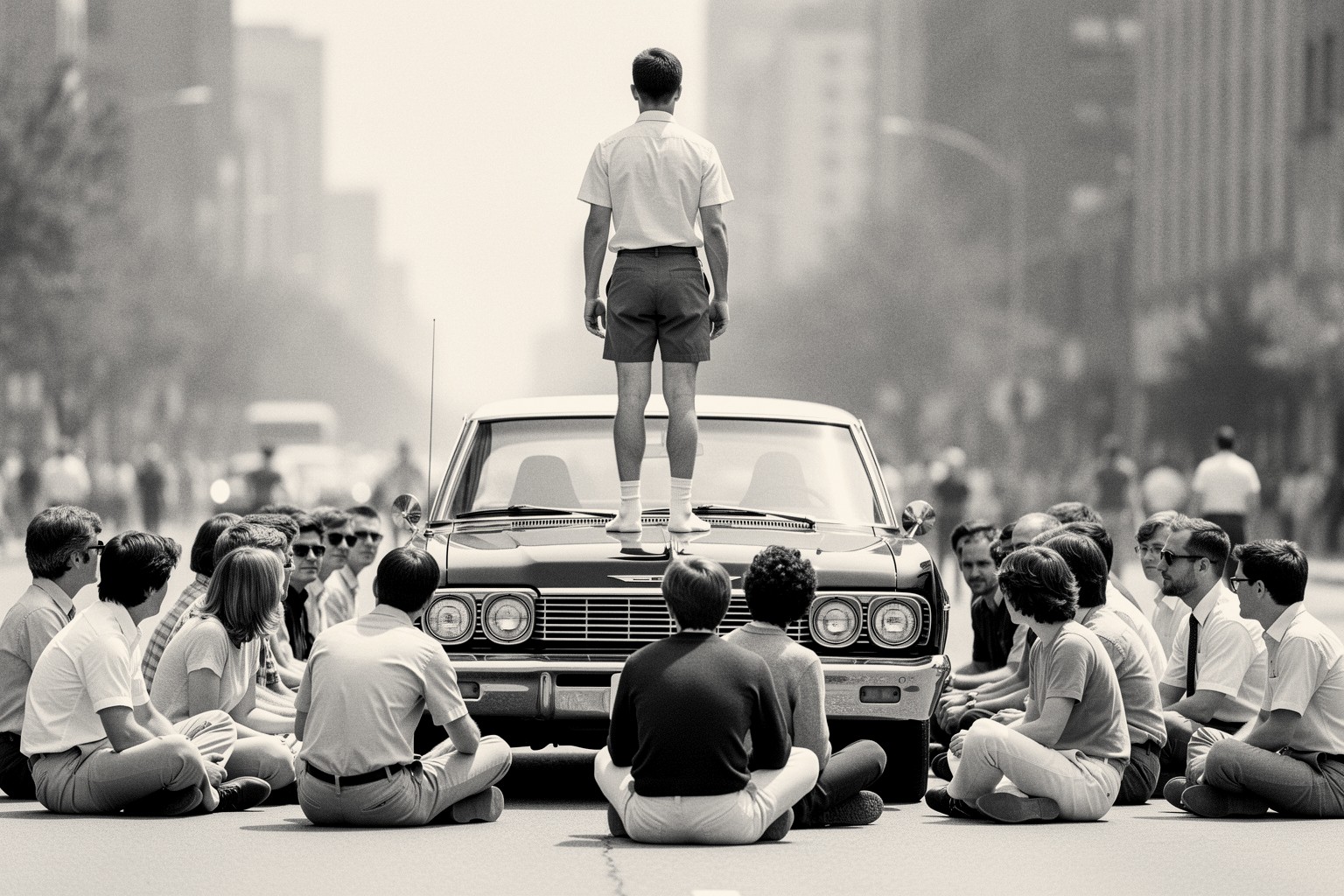
On October 1, 1964, campus police at the University of California, Berkeley arrested Jack Weinberg for staffing a civil-rights table on Sproul Plaza. The university had banned political tables there. Officers put him in the back of a police car. The car did not move again that day.
Students sat down around it. Within minutes they blocked the wheels. By evening the crowd ran into the thousands. Weinberg stayed inside the car, and the car stayed pinned, for about thirty-two hours.
The roof became a stage. Speakers climbed up one after another to address the plaza. Mario Savio took off his shoes before he climbed, so he would not damage the police car he was helping to hold hostage.
On the evening of October 2 the two sides signed an agreement, the crowd dispersed and Weinberg was let go. The agreement settled almost nothing.
The talks it set up stalled through the autumn. In December students occupied Sproul Hall, and police carried out roughly 800 of them.
Checked against: University of California archives; Bancroft Library Free Speech Movement collection; contemporary San Francisco Bay Area newspaper reports; published histories of the Berkeley Free Speech Movement