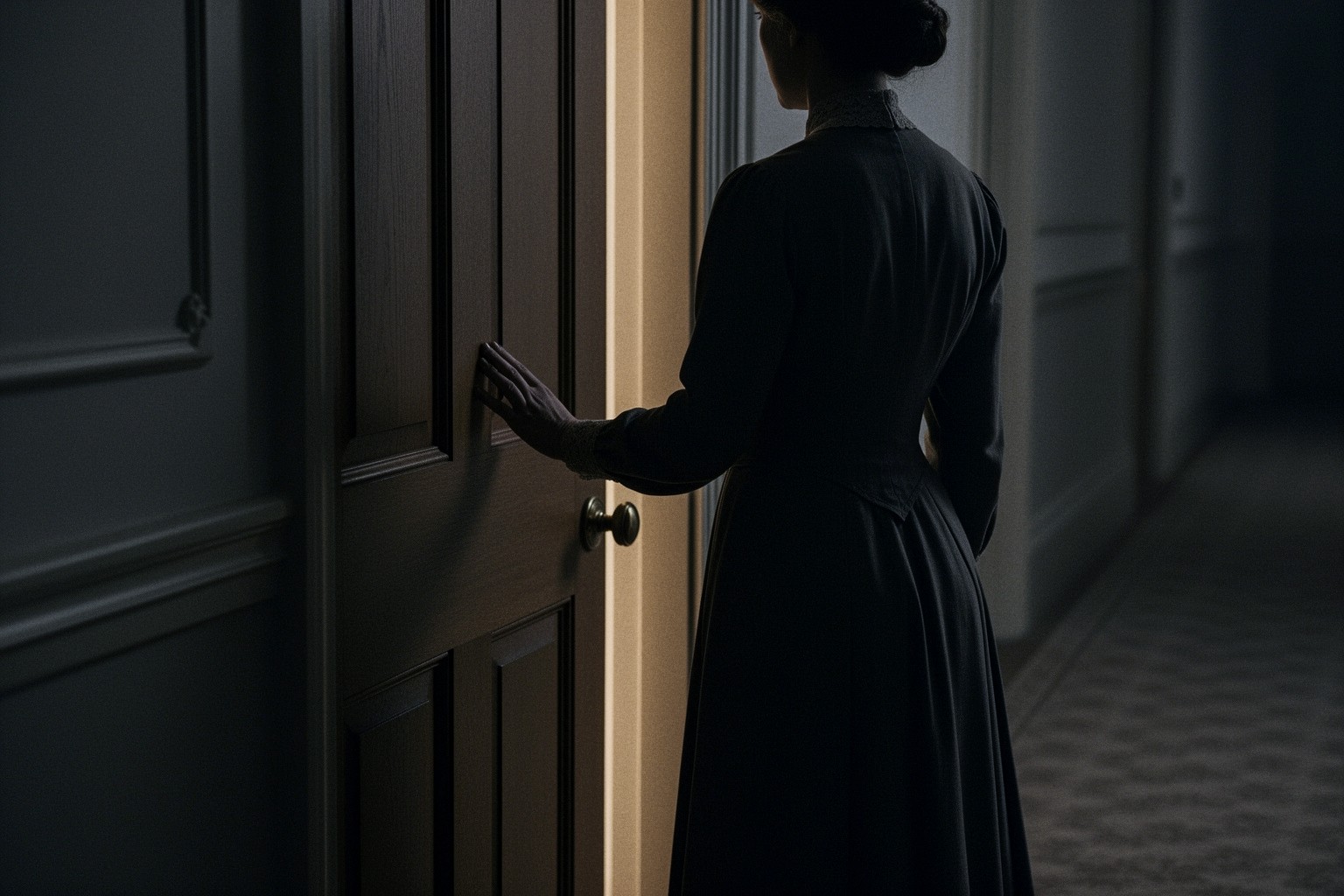
The president was sick. The country was told he was tired.
Illustration generated by AI for The Day Vault.
On October 2, 1919, Woodrow Wilson collapsed in the White House. A stroke paralysed the left side of his body. He was sixty-two, days back from a cross-country speaking tour meant to sell the Treaty of Versailles and the League of Nations to the public. That tour had already been cut short after he fell ill in Pueblo, Colorado.
His wife, Edith, and his physician, Cary Grayson, decided the country did not need the details. Public bulletins spoke of nervous exhaustion. Visitors were turned away. Papers went to Edith first, and she chose which ones reached the bed.
Government business stalled. When Secretary of State Robert Lansing called cabinet meetings without the president, Wilson later fired him for it.
The man the nation could not see was still making decisions, and the largest one he made was to refuse any compromise.
Wilson urged Democratic senators to vote down the treaty if it carried Republican reservations. They did, in November 1919 and again in March 1920. The United States never joined the League its own president had championed.
Checked against: Senate voting records and the Congressional Record; Cary Grayson's papers and medical notes; Edith Wilson's memoir; major Wilson biographies; contemporary newspaper reporting of the White House bulletins
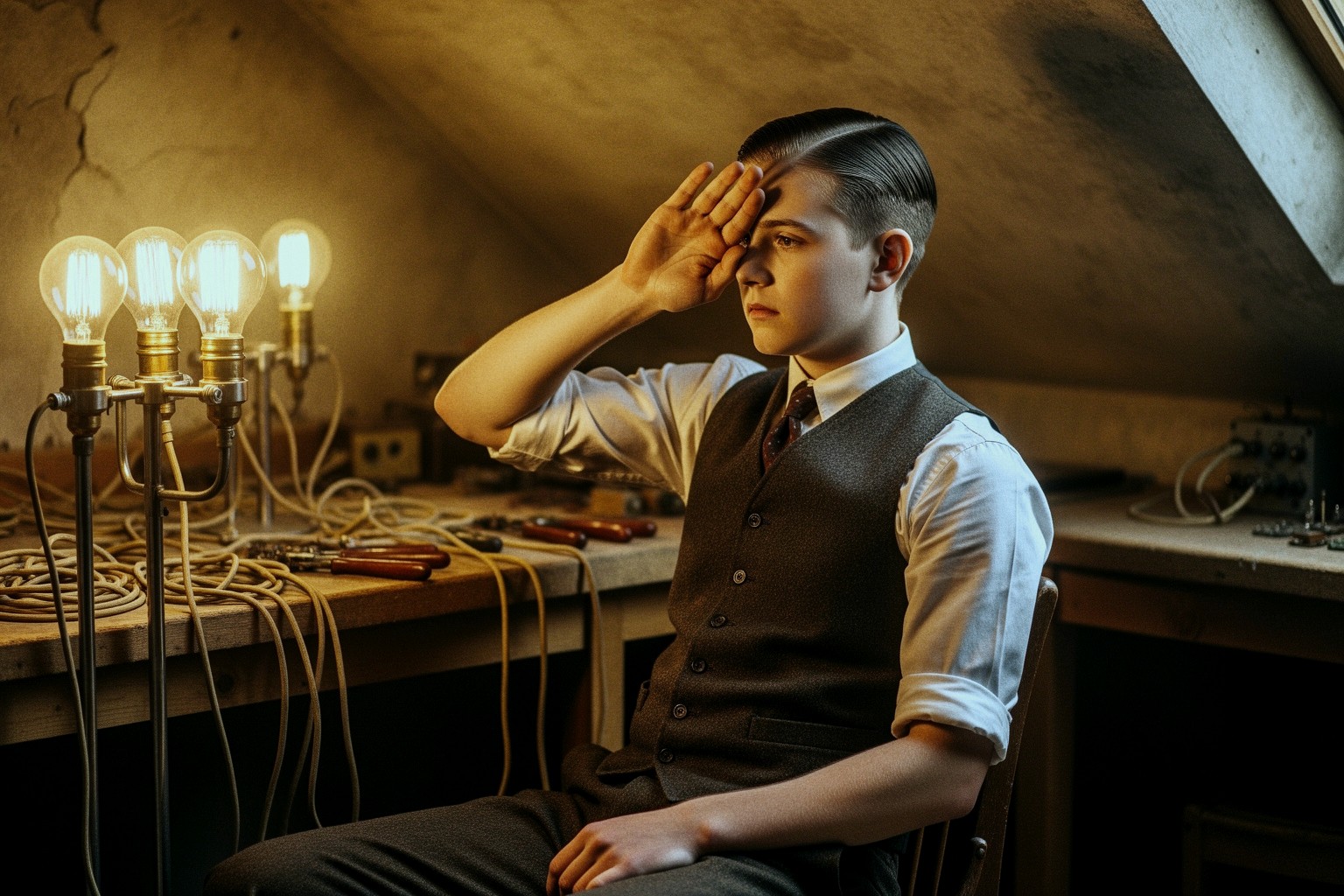
The first face on television was paid to sit still
Illustration generated by AI for The Day Vault.
On 2 October 1925, in a rented attic on Frith Street in Soho, John Logie Baird got a recognisable picture to travel from one machine to another. The image was crude, built from thirty lines and flickering badly, but it showed shades of grey. That was new.
His test subject was a ventriloquist's dummy head he called Stooky Bill. Dummies made good subjects. They did not blink, did not complain, and could sit for hours under lamps hot enough to scorch.
Baird wanted a living face. He went downstairs to the office below, came back with William Taynton, a twenty-year-old clerk, and put him in front of the apparatus.
The first person ever to be televised did not want to be. Taynton found the glare and heat alarming and pulled back from the transmitter, out of the picture.
Baird gave him half a crown. Taynton sat back down, and the receiver showed a live human face for the first time. Four months later Baird demonstrated the system to members of the Royal Institution, and the press came climbing the stairs.
Checked against: Baird's memoir and biographies of Baird; museum collection notes on the Stooky Bill dummy and early Baird apparatus; histories of British broadcasting; contemporary newspaper reports of the January 1926 Royal Institution demonstration
On October 2, 1789, President George Washington sent copies of twelve proposed amendments to the Constitution out to the states. Congress had approved them a week earlier. Now three-quarters of the state legislatures had to vote yes.
The copies went to the governors by post and courier. The legislatures took them up one by one. Ratification dragged on for more than two years.
When Virginia approved in December 1791, ten of the twelve crossed the line. Americans have called those ten the Bill of Rights ever since. The other two fell short. The first set rules for the size of the House. The second said a pay raise Congress voted itself could not take effect until after the next election. Both were quietly forgotten.
Nobody had given them a deadline, though, and nobody had ever withdrawn them.
In 1982 a Texas college student wrote a paper on the pay amendment and began writing to state legislators, urging them to ratify it. One by one, they did. In May 1992, more than two centuries after it left Washington's office, it became the Twenty-seventh Amendment.
Checked against: Annals of Congress; National Archives records of the 1789 transmittal and state ratifications; Federal Register certification of the Twenty-seventh Amendment, 1992; contemporary newspaper coverage of the 1980s ratification campaign
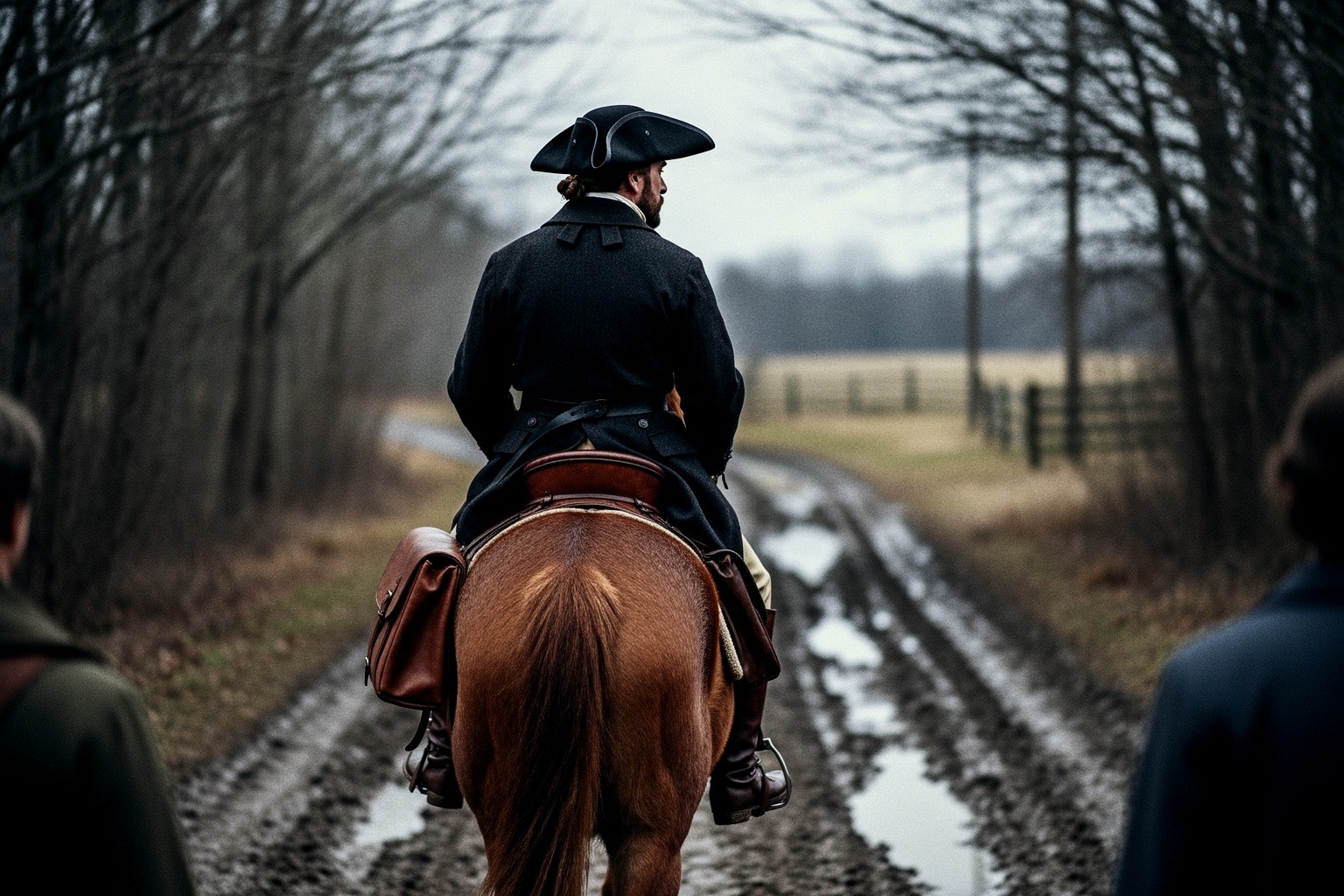
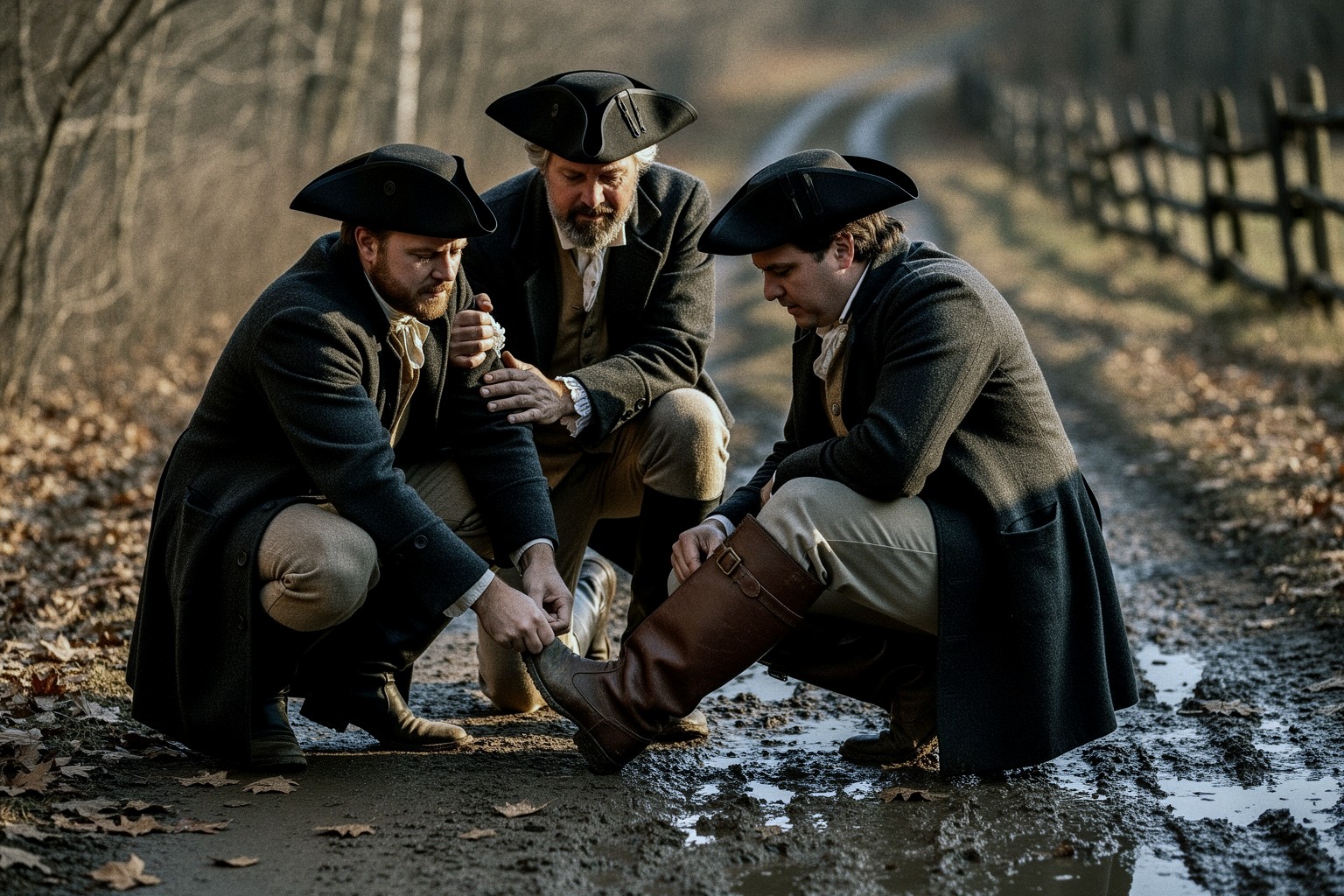
The spy was hanged. The man who hired him got paid.
Illustration generated by AI for The Day Vault.
On October 2, 1780, the Continental Army hanged Major John André, a British officer, on a hill at Tappan, New York.
Nine days earlier, three militiamen had stopped a traveller in civilian clothes near Tarrytown. They searched him and found papers hidden in his boot: details of the defences at West Point, the fort that guarded the Hudson River. The papers had come from the fort's own commander, Benedict Arnold, who had agreed to hand it to the British.
A board of American officers ruled that André was a spy. He asked to be shot, as a soldier would be. Washington refused. On the day, witnesses wrote that André placed the noose around his own neck and tied the blindfold over his own eyes.
The man who had actually sold the fort was nowhere near Tappan. Arnold had heard of the arrest in time and fled down the river to a British warship.
The Americans let it be known they would trade André for Arnold. The British declined. Arnold was made a brigadier general in the British army and paid for his defection. André's remains were dug up in 1821 and reburied in Westminster Abbey.
Checked against: Continental Army court-martial records, Washington's wartime correspondence, contemporary eyewitness diaries, standard histories of the American Revolution
Everyone watched for a white van. The car was blue.
Illustration generated by AI for The Day Vault.
On October 2, 2002, at about 5:20 in the evening, a bullet came through the window of a craft store in Aspen Hill, Maryland. Nobody was hit. Less than an hour later, a man was shot dead in a supermarket parking lot in nearby Wheaton.
Over the next three weeks, shots came from nowhere across Maryland, Virginia and Washington, D.C. Ten people were killed while doing ordinary things: mowing grass, pumping gas, loading shopping into a car. Schools locked their doors. Customers crouched beside gas pumps and walked to their cars in zigzags.
Witnesses mentioned a white box truck, and the description spread. Police and frightened drivers across the region watched for white vans, and roadblocks stopped them on the highways.
The killers were in a dark blue 1990 Chevrolet Caprice, with a hole cut above the rear license plate so a rifle could be fired from inside the trunk. Police had run that plate more than once during the spree without connecting it to the shootings.
On October 24, after investigators released the plate number, a truck driver spotted the Caprice at an Interstate 70 rest stop in Maryland. The two men inside, one of them seventeen, were found asleep.
Checked against: Contemporary reporting by Washington-area newspapers; Montgomery County Police and federal task force statements; trial records from the Virginia prosecutions; later published accounts by investigators.
The city surrendered. The church plate left first.
Illustration generated by AI for The Day Vault.
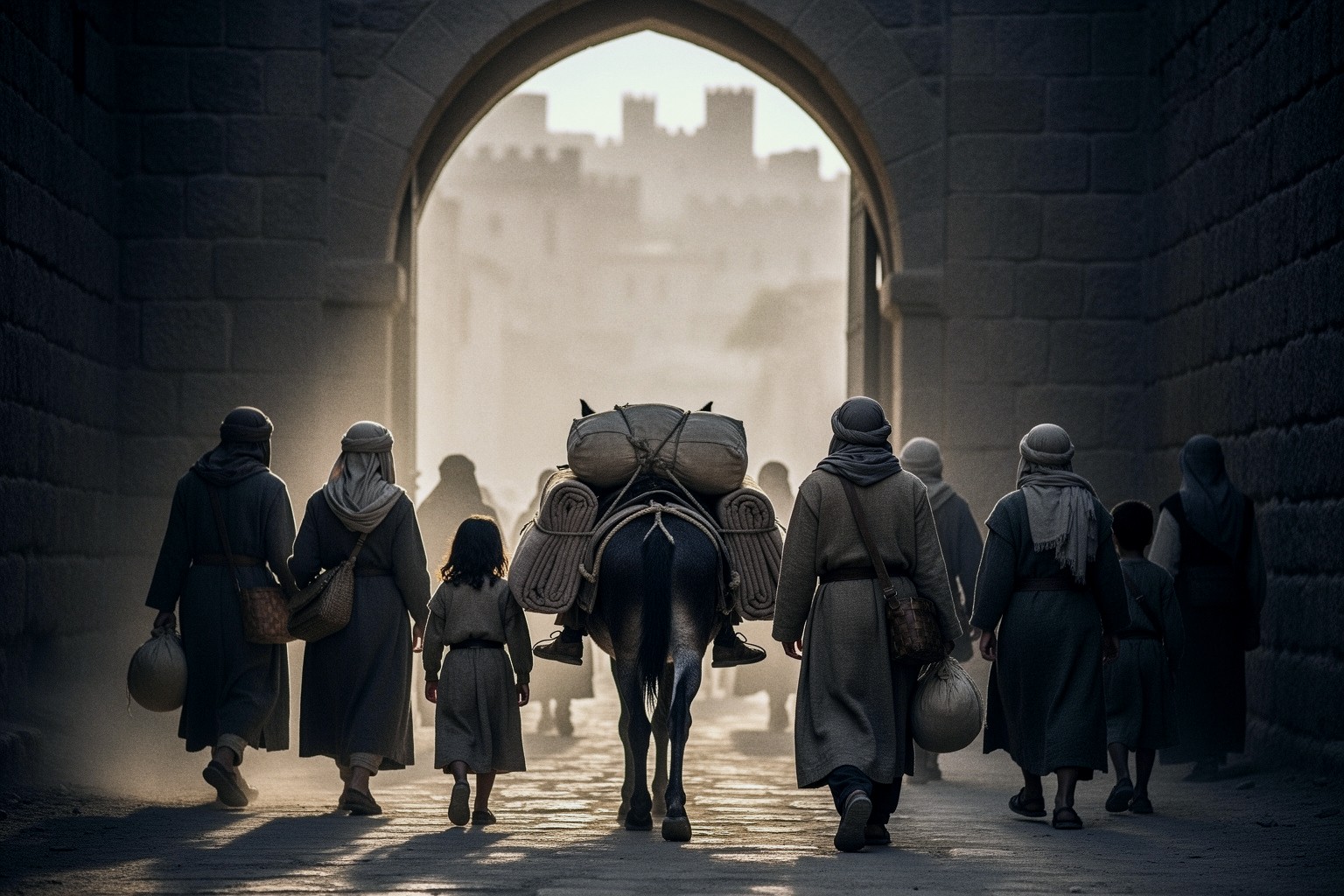
On 2 October 1187, Jerusalem surrendered to Saladin, sultan of Egypt and Syria. The crusader kingdom had lost its field army at Hattin three months earlier. Inside the walls were refugees, a handful of knights, and a commander, Balian of Ibelin, who had been knighting the sons of townsmen to man the ramparts.
The terms were a ransom. Any Christian could walk out free for a fixed price: ten dinars for a man, five for a woman, less for a child. Anyone who could not pay within forty days would become a slave.
Saladin's men climbed the Dome of the Rock and pulled down the gilded cross the crusaders had raised on it. Muslim prayer returned to the Haram for the first time in eighty-eight years.
Patriarch Heraclius, the city's senior churchman, paid his own ten dinars and rode out with carts of gold and silver from the churches, enough to free many of his poorest worshippers. Saladin's officials urged him to seize it. Saladin refused to bend his own terms and let the carts go.
When the forty days ran out, thousands of Jerusalem's Christians who could not raise the coins were led away into slavery.
Checked against: Contemporary chronicles by Imad ad-Din al-Isfahani and Baha ad-Din ibn Shaddad; the Old French Continuation of William of Tyre attributed to Ernoul; standard academic histories of the crusades.
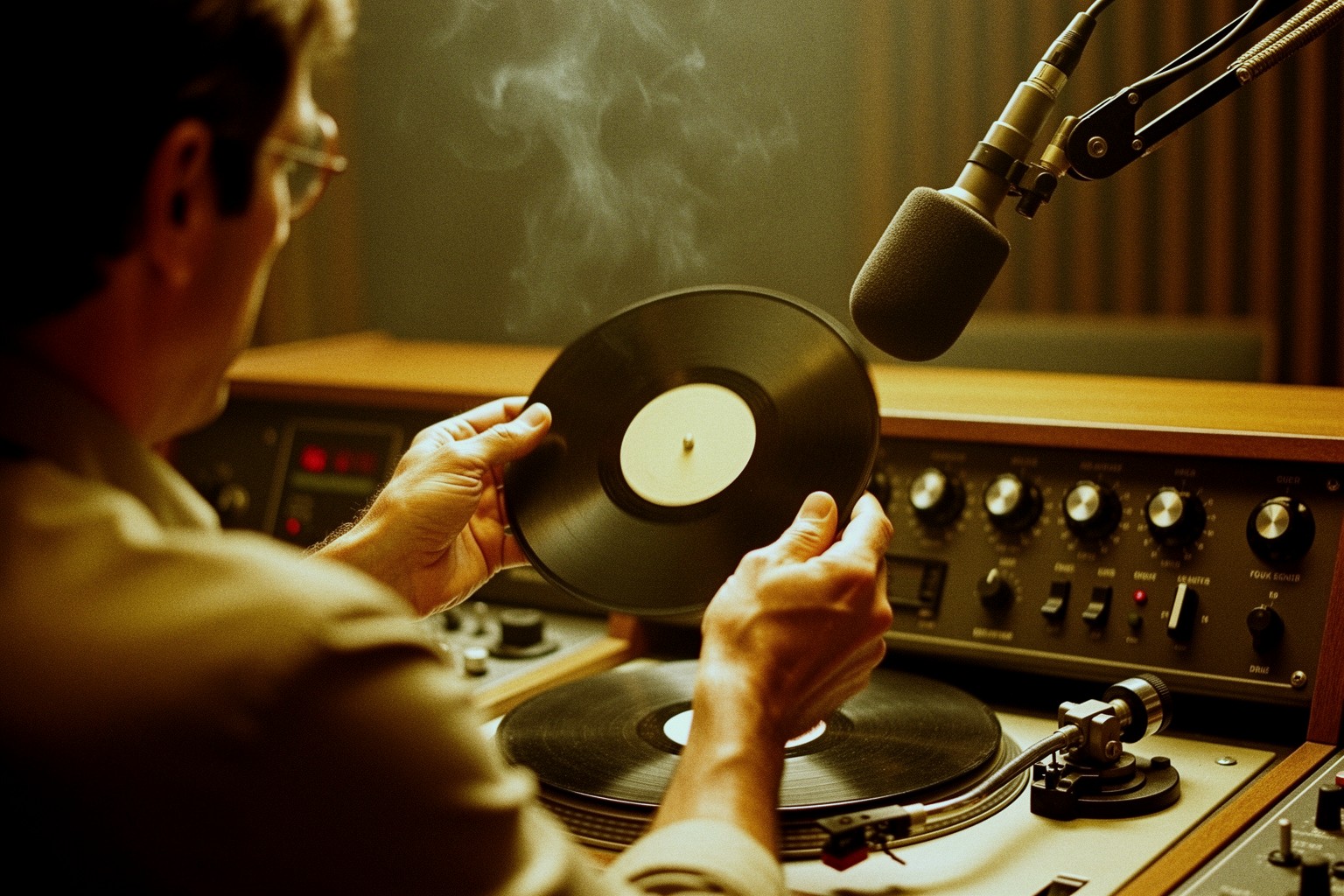
On October 2, 1971, "Maggie May" by Rod Stewart reached number one on Billboard's Hot 100. It held the top spot for five weeks. In the same stretch, the album it came from, Every Picture Tells a Story, sat at number one on the album charts in America and Britain.
Stewart was 26, a gravel-voiced singer who had spent years on other people's records and in other people's bands. He wrote the song with guitarist Martin Quittenton. It tells of a schoolboy and an older woman, and it ends not on a chorus but on a long mandolin figure that drifts away.
Mercury Records had not built the single around it. The A-side, the side meant for radio, was "Reason to Believe", a cover of a Tim Hardin song. "Maggie May" went on the B-side, the slot labels usually filled with something nobody would ask for.
Then disc jockeys started turning the record over.
Listeners rang in for the back of the disc, and stations obliged. Mercury followed the airplay and pushed "Maggie May" as the hit. The song the label had treated as filler became Stewart's first number one and the record that made his name.
Checked against: Billboard Hot 100 chart archives; UK Official Charts Company records; Mercury Records release discographies; Rod Stewart biographies and music-press reporting from 1971
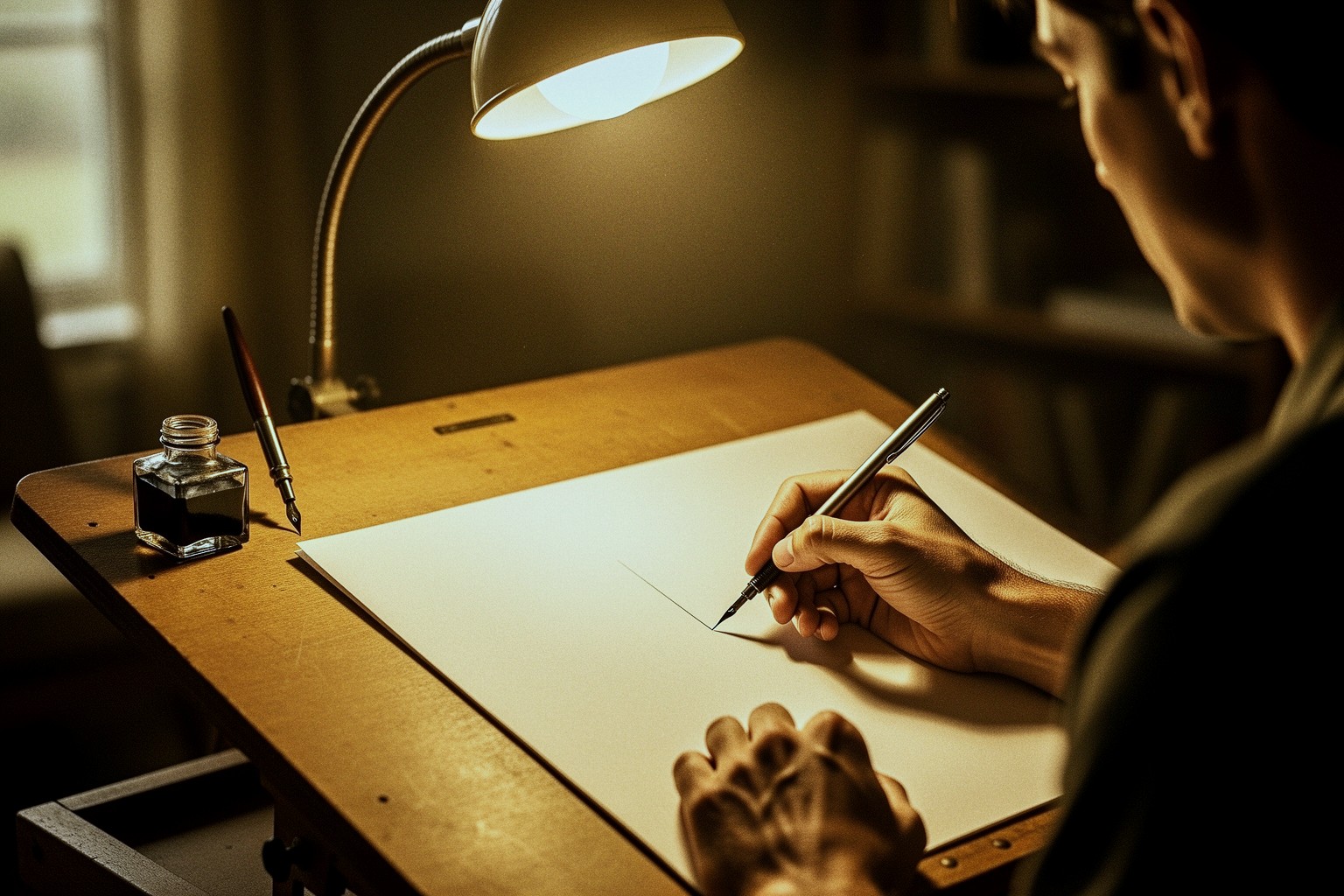
On October 2, 1950, a new comic strip appeared in seven American newspapers. It was four small panels, drawn by a 27-year-old Minnesotan named Charles Schulz. Outside St. Paul, almost nobody had heard of him.
Schulz had been drawing children for his hometown paper under the title Li'l Folks. When United Feature Syndicate signed him, it wanted the strip but not the name, which sat too close to Li'l Abner and to an older strip called Little Folks.
A staffer at the syndicate suggested a replacement borrowed from the peanut gallery, the bleachers full of kids on the Howdy Doody show. Schulz was a newcomer with no leverage. He signed.
He hated it. For the rest of his life he said the title was undignified, that it made his work sound trivial, and he never stopped saying so.
He drew the strip alone for almost fifty years, every panel by his own hand, under a name he did not choose. The last original Sunday strip ran on February 13, 2000, the morning after he died.
Checked against: Biographies of Charles Schulz, syndicate and newspaper archives from 1950, interviews with Schulz in national magazines, museum collections on his work
He struck out seventeen. Baseball lowered the hill.
Illustration generated by AI for The Day Vault.
On October 2, 1968, Bob Gibson struck out 17 Detroit Tigers in Game 1 of the World Series. No pitcher had ever struck out more in a single Series game. The old record, 15, belonged to Sandy Koufax and was five years old.
The St. Louis Cardinals won 4-0 at home. Gibson beat Denny McLain, who had won 31 games that summer. In the ninth, his catcher Tim McCarver pointed to the scoreboard to tell him he had tied the record. Gibson wanted the ball back. Then he struck out two more.
It capped a season that belonged to pitchers. Gibson finished with an earned run average of 1.12 across more than 300 innings. Carl Yastrzemski won the American League batting title at .301. Runs were scarce across both leagues, and attendance worried the owners.
Baseball looked at the most dominant pitching of the era and decided the hitters were not the problem.
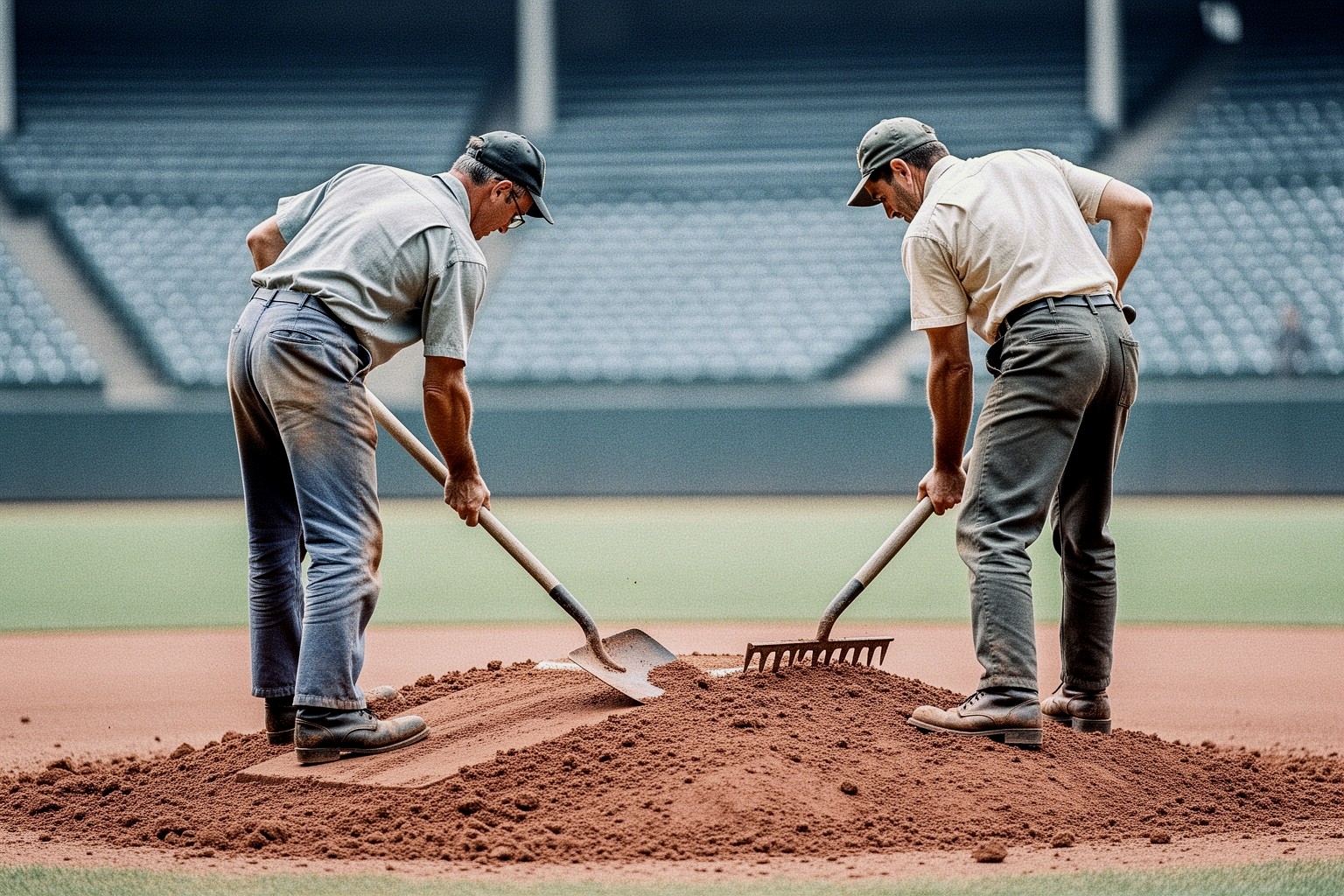
Before the 1969 season, the rule makers cut the pitcher's mound from 15 inches high to 10 and shrank the strike zone. Every pitcher in the game came down five inches, because one of them had stood too tall.
Checked against: Official World Series box scores; Major League Baseball rule-change records for 1969; contemporary newspaper game reports; Baseball Hall of Fame archives; player memoirs and baseball reference statistics.
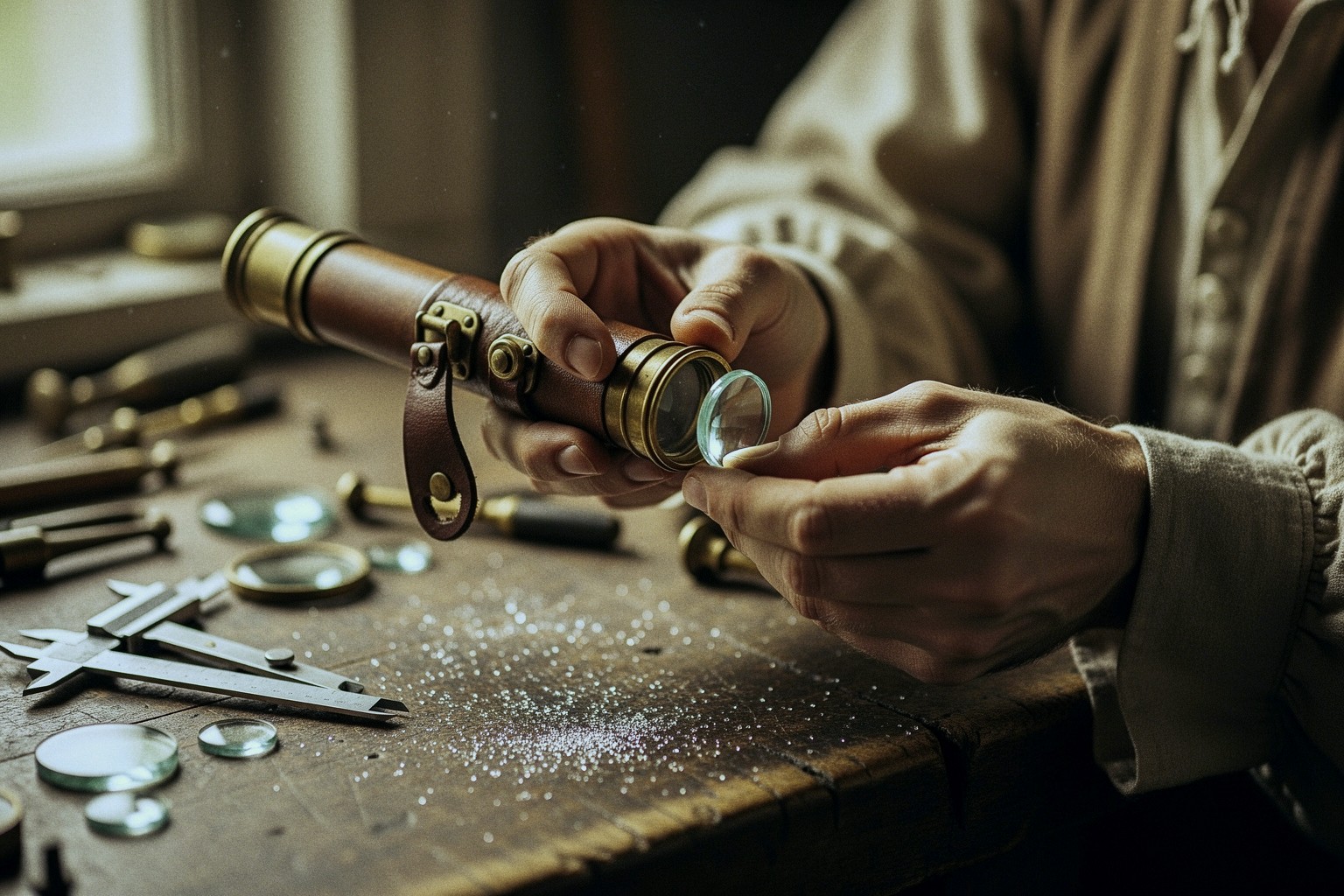
He asked to own the telescope. Too many people already did.
Illustration generated by AI for The Day Vault.
On October 2, 1608, Hans Lipperhey, a spectacle-maker from Middelburg, asked the States General of the Netherlands for a patent. His device was a tube with a lens at each end. It made distant things look near.
The timing was good. The Dutch were at war with Spain, and a soldier with a tube like that could count enemy ships before they reached harbour, or watch troops cross open ground before they arrived.
Lipperhey asked for exclusive rights for thirty years. The government tested his instrument, liked what it saw, and asked him to build a version for both eyes.
Within weeks, Jacob Metius of Alkmaar came forward claiming the same invention, and word went round that others in the Low Countries knew the trick too.
In December the States General refused the patent. The device was too easy to copy to belong to one man. They paid Lipperhey for the instruments he had made and let the idea go. By the following summer Galileo had heard a description of it in Italy and was grinding his own lenses. He did not need anyone's permission.
Checked against: Records and resolutions of the States General of the Netherlands; histories of early optics and the invention of the telescope; scholarly biographies of Galileo
He came home with the answer. He sat on it for twenty years.
Illustration generated by AI for The Day Vault.
On October 2, 1836, HMS Beagle reached Falmouth in Cornwall, and Charles Darwin stepped onto English ground for the first time in almost five years. He had sailed from Plymouth in December 1831 as an unpaid naturalist, aged 22.
He was seasick for much of the voyage and went ashore whenever he could. Crates of fossils, skins, rocks and pickled animals had travelled home ahead of him, many sent to his old Cambridge teacher, John Stevens Henslow. Extracts from his letters had already been read to learned societies. He came back with a reputation.
Within a year he was writing in private notebooks that species might change. In 1837 he drew a small branching tree under the words "I think." By 1844 he had written out the theory at length and left his wife instructions to publish it if he died.
Then he set it aside and spent eight years dissecting barnacles.
In June 1858 a letter arrived from Alfred Russel Wallace, a collector working in the Malay Archipelago, describing nearly the same idea. Darwin's book was in the shops seventeen months later.
Checked against: Darwin's published correspondence and Beagle diary, his transmutation notebooks, standard scholarly biographies, Linnean Society records