On October 5, 1877, in the Bear Paw Mountains of Montana Territory, Chief Joseph of the Nez Perce surrendered to Colonel Nelson Miles. The siege had lasted five days. Canada, where the US Army could not follow, lay about forty miles to the north.
The Nez Perce had been on the move since June. Ordered off their homeland onto a small reservation in Idaho, several hundred men, women and children crossed more than a thousand miles of mountains and plains. They fought off pursuing columns again and again, with their horse herds and their old people in tow.
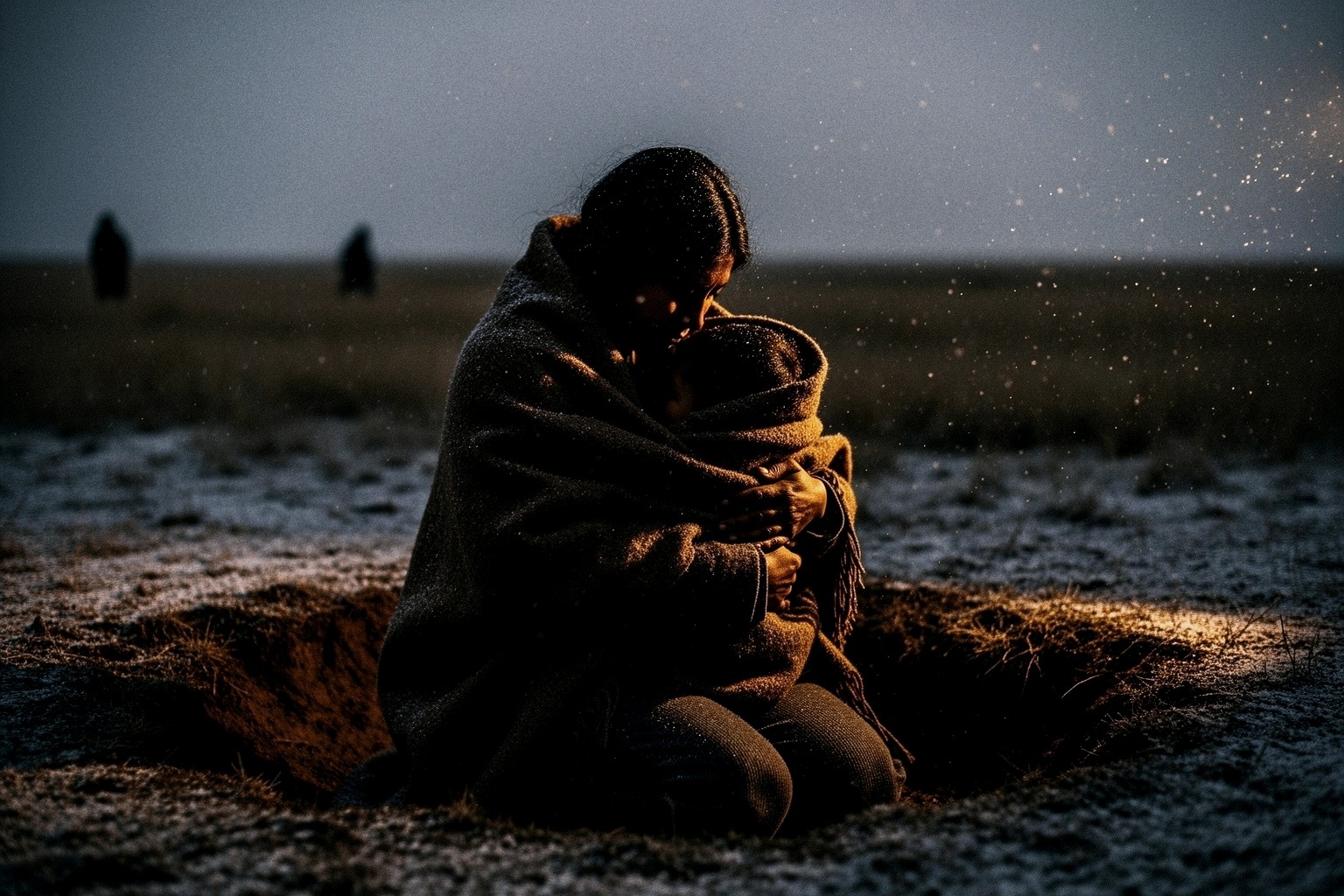
At Bear Paw, troops caught them camped in a creek bottom and drove off most of their horses. Families dug pits into the frozen ground to shelter from rifle fire and snow. Several of their war leaders were dead. Miles offered terms: lay down your arms, and go home to Idaho in the spring.
His superiors overruled the promise almost at once.
The prisoners were shipped instead to Fort Leavenworth, Kansas, and then to Indian Territory, where many died of disease. When survivors were finally allowed back to the Northwest in 1885, Joseph was sent to the Colville Reservation in Washington. He never lived in his home valley in Oregon again.
Checked against: US Army reports and correspondence from the 1877 campaign; National Park Service records for Nez Perce National Historical Park and the Bear Paw Battlefield; academic histories of the Nez Perce War; Nez Perce tribal oral histories
On October 5, 1789, a crowd of Paris market women gathered at the Hôtel de Ville to protest the price of bread. By midday they were walking to Versailles, twelve miles away, in the rain.
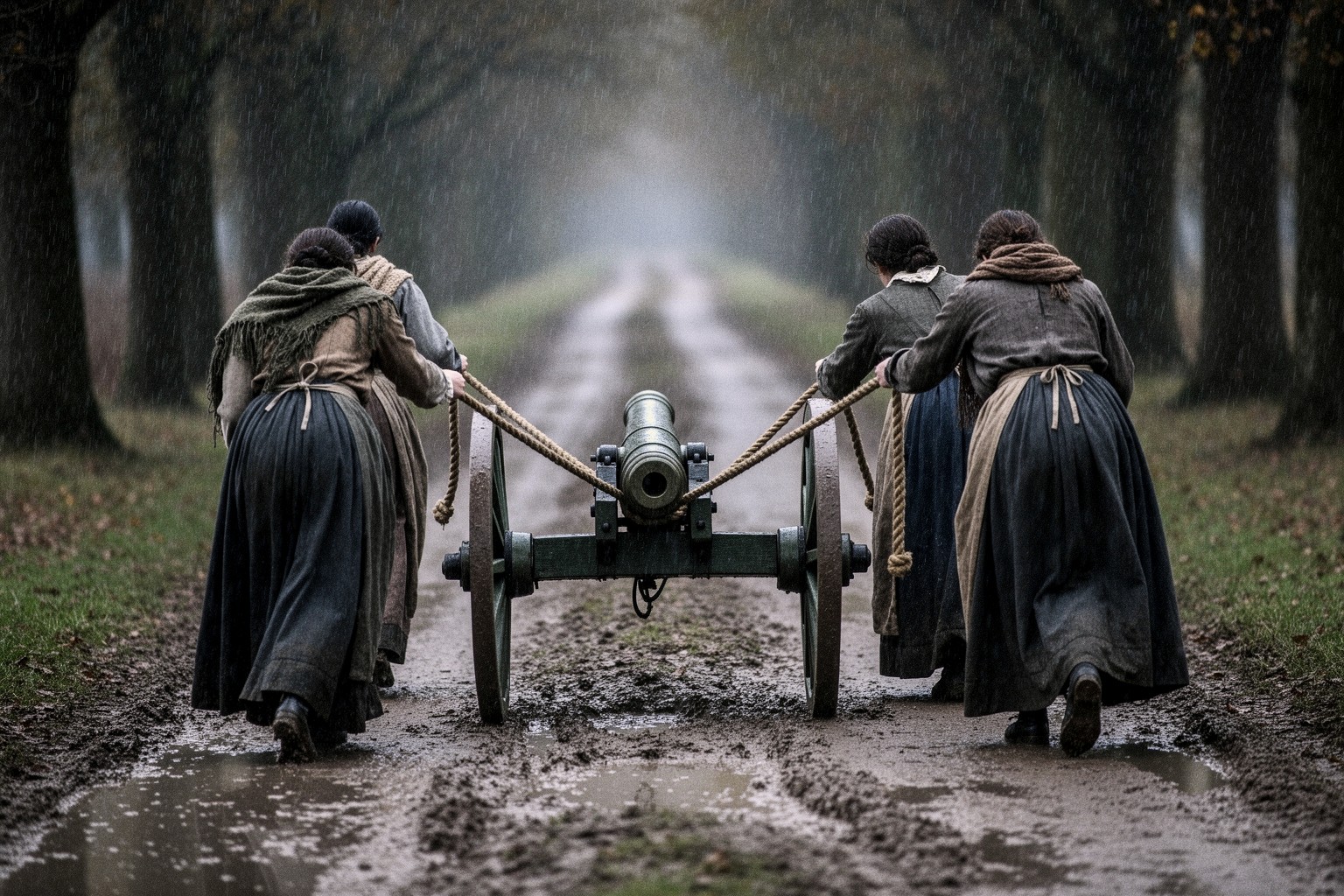
They took pikes, muskets and kitchen knives with them. Some dragged cannon on ropes. More women joined along the road, and by evening thousands of soaked, hungry people filled the square outside the palace. The National Guard followed hours behind, with Lafayette at its head, unsure whether he had come to protect the king or to collect him.
A small delegation of women was let in to see Louis XVI. He promised grain for Paris and, that night, agreed to approve the Declaration of the Rights of Man. Before dawn, part of the crowd broke into the palace, killed two bodyguards and reached the queen's apartments. She escaped through a passage to the king's rooms.
The crowd had come for bread. By the afternoon of October 6 it was escorting the royal family to Paris, carts of flour rolling alongside, people singing that they were bringing home the baker, the baker's wife and the baker's boy.
The king never lived at Versailles again. He was installed at the Tuileries, in the middle of the city that had fetched him, and every decision he made from then on was made within its earshot.
Checked against: Histories of the French Revolution, National Assembly records, contemporary eyewitness accounts and memoirs of the October Days
On October 5, 1988, Chileans answered a single question: should General Augusto Pinochet rule for eight more years? Fifteen years after the coup that brought him to power, his regime had scheduled the vote itself, under a constitution it had written.
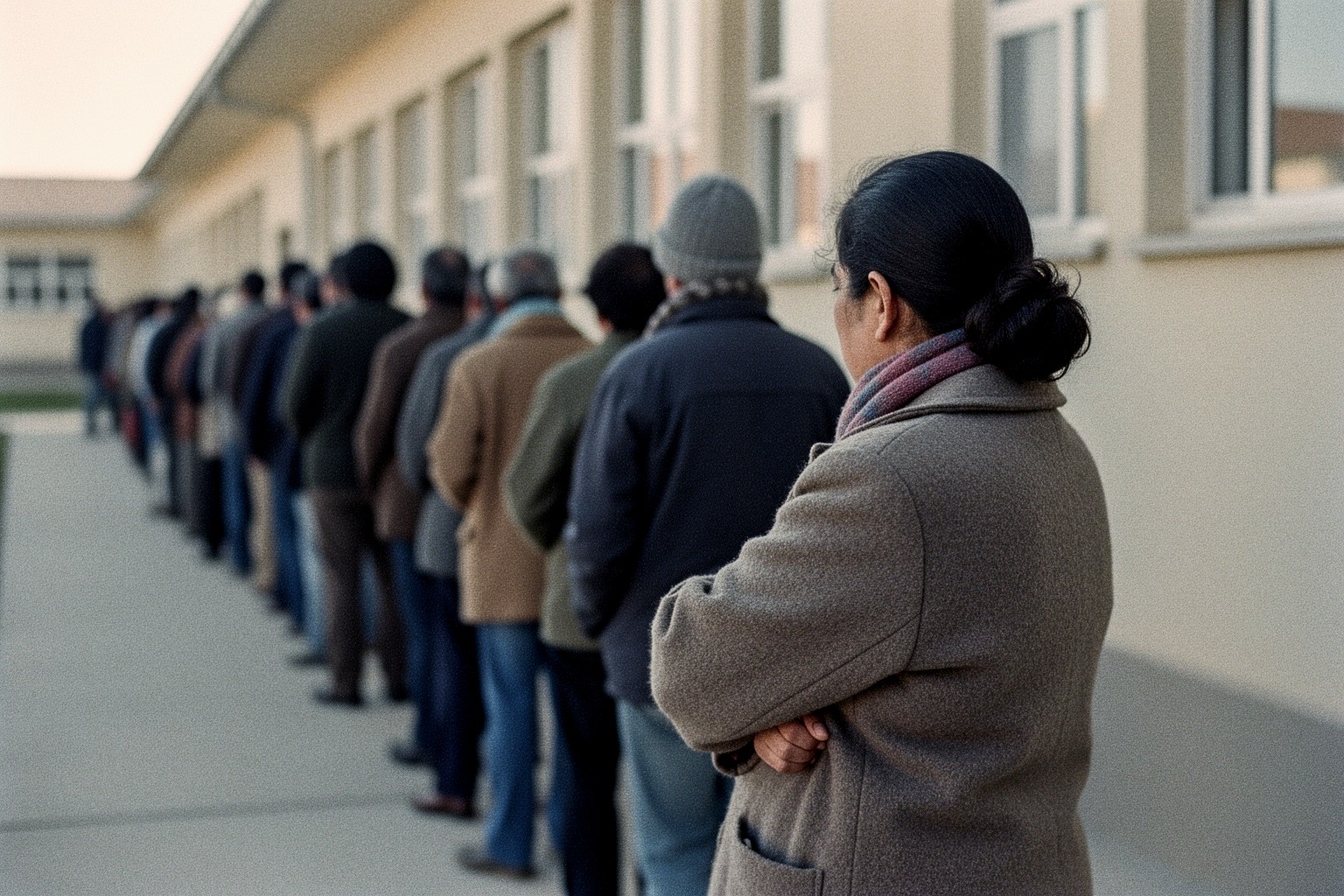
The opposition got fifteen minutes of television a night. It spent them on cheerful jingles, rainbows and comedy sketches instead of anger, under a slogan promising that joy was coming. On the day, people queued outside polling stations from before dawn. When the count came in, "No" had won with about 56 percent.
In the early hours of the next morning, a member of the ruling junta publicly acknowledged that the regime had lost. By that evening, crowds filled the streets of Santiago.
Losing did not mean leaving: under his own rules, Pinochet remained president until March 1990, stayed commander of the army until 1998, and then took a seat as senator for life.
His constitution outlasted him too. Amended many times, it was still in force in 2022, when Chilean voters rejected a proposed replacement.
Checked against: Chilean electoral service records of the 1988 plebiscite; contemporary wire service and newspaper reports; academic histories of Chile's transition to democracy; documentation of the 2022 constitutional referendum results
The early warning worked perfectly. That was the problem.
Illustration generated by AI for The Day Vault.
On October 5, 1960, a newly built American radar station at Thule, Greenland, reported Soviet missiles rising over the horizon. The Ballistic Missile Early Warning System had been put there for exactly this: to buy the United States a few minutes before an attack.
At North American Air Defense Command headquarters in Colorado Springs, the alert climbed to its highest level. The commander was away. The senior officer on hand was his Canadian deputy, Air Marshal Roy Slemon, and the decision about what the radar meant landed on him.
Officers asked a simple question: where was Nikita Khrushchev? He was in New York, at the United Nations. A Soviet leader starting a nuclear war while sitting in Manhattan made little sense. No retaliation was ordered.
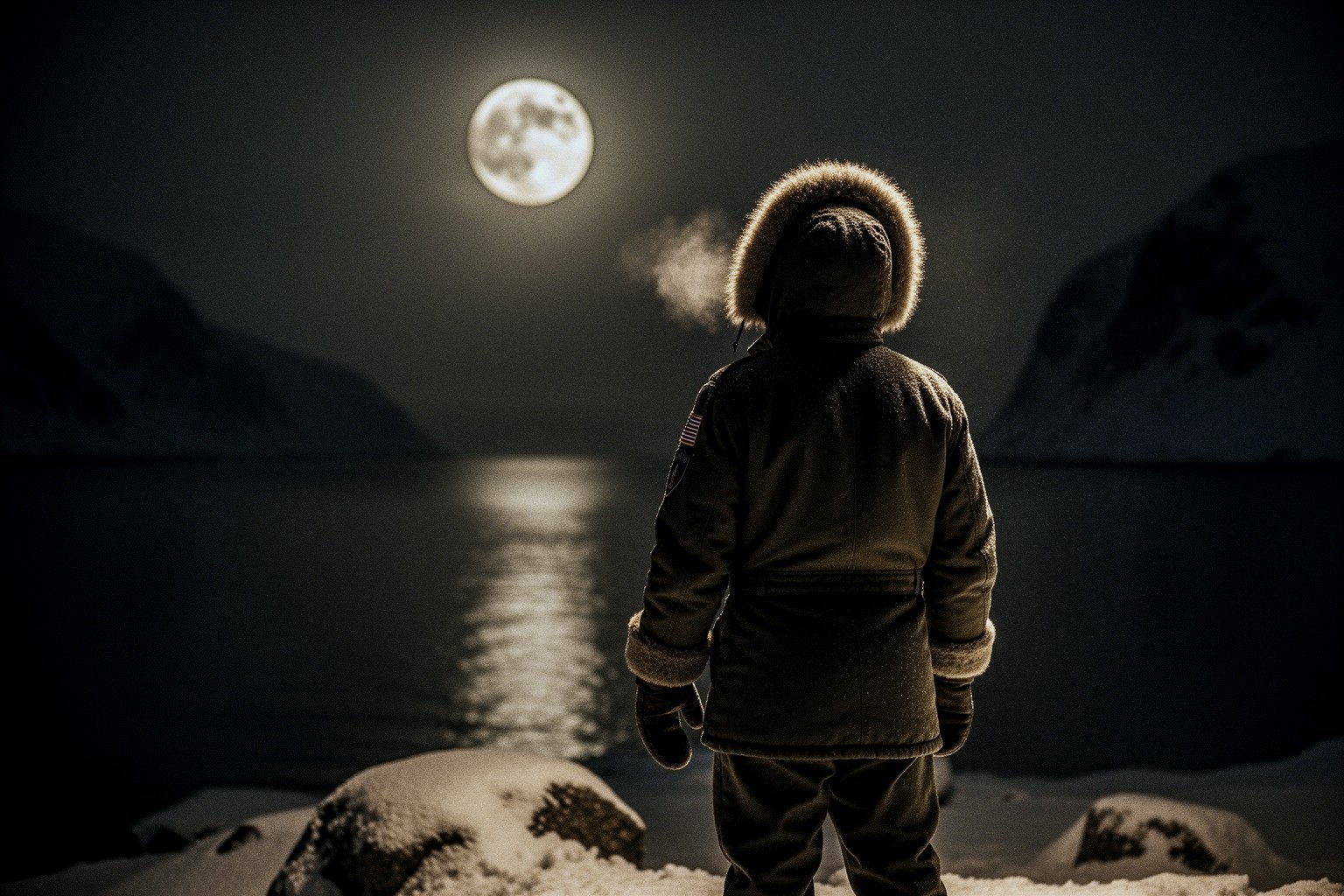
The radar had not seen missiles at all. Its beams had reached far past their intended range and bounced back off the moon, rising over Norway.
Engineers changed the system to ignore echoes from that distance. The night joined a short list of times a machine announced nuclear war and the people watching it decided not to believe it.
Checked against: Declassified NORAD and US Air Force command histories; contemporary newspaper and magazine reports; Cold War histories of early-warning systems and nuclear false alarms
On October 5, 1892, five members of the Dalton Gang rode into Coffeyville, Kansas, planning to rob two banks at the same time. Nobody in the West had pulled that off. The Daltons meant to be first.
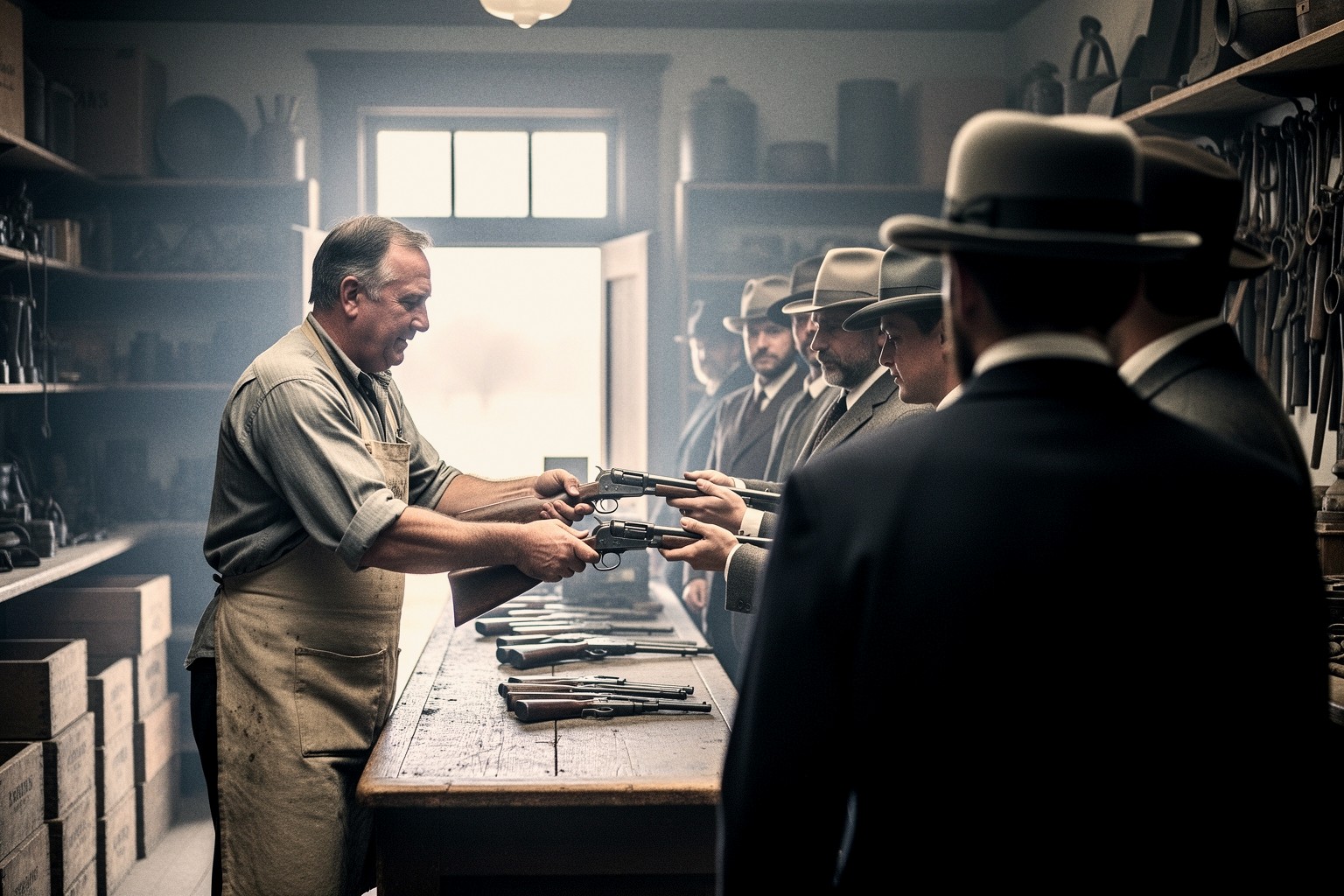
Some of them had grown up near the town, so they wore false beards. It did not help. They were recognised crossing the plaza, and word ran down the street ahead of them. Hardware merchants opened their stock and handed rifles across the counter to anyone who would take one. The gang had also tied their horses in an alley well away from the banks, because the usual hitching rail had been torn out for street repairs.
Inside the C. M. Condon & Co. bank, Grat Dalton ordered the cashier, Charles Ball, to open the safe. Ball told him it was on a time lock and would not release for several minutes. Grat decided to wait.
The vault was not locked. Ball had made the time lock up.
Those minutes let the town finish arming. When the gang finally ran for the alley, they ran into gunfire from the storefronts. Four outlaws died within minutes, and so did four townspeople. Emmett Dalton, the youngest, survived his wounds and went to prison.
Checked against: Contemporary Kansas and national newspaper reports; Coffeyville historical society and museum records; Kansas Historical Society archives; court and penitentiary records for Emmett Dalton; published histories of the Dalton Gang
On this date in 1582, nothing happened in Rome, Madrid or Lisbon. The date did not exist there. Thursday, October 4 was followed directly by Friday, October 15.
The reason was Easter. The Julian calendar ran about eleven minutes longer than the solar year, and over thirteen centuries the error had piled up. The spring equinox, which the Council of Nicaea had fixed at March 21 in 325, was now arriving around March 11. Easter, calculated from that equinox, was slipping out of step with the season it was meant to mark. Pope Gregory XIII's bull Inter gravissimas, issued that February, cut ten days to reset the count and tightened the leap-year rule so the drift would not return.
Italy, Spain, Portugal and Poland-Lithuania made the jump on schedule. Teresa of Ávila, the Carmelite reformer, died during the night of October 4. The next morning was October 15, which is why her feast day falls on that date.
But the order came from the pope, and half of Europe had stopped taking orders from the pope.
Protestant England kept the old calendar. For 170 years, a letter written in London carried a date ten days earlier than one written in Madrid on the same day. Britain gave in only in 1752, by which point the gap had grown to eleven days.
Checked against: The papal bull Inter gravissimas; standard histories of the Gregorian calendar reform; Catholic liturgical calendars and biographies of Teresa of Ávila; histories of Britain's Calendar Act of 1750
The drummer on the record depended on when you bought it
Illustration generated by AI for The Day Vault.
On October 5, 1962, Parlophone released "Love Me Do", the first single by a Liverpool group called the Beatles. It sold steadily rather than spectacularly and peaked at number 17 on the Record Retailer chart.
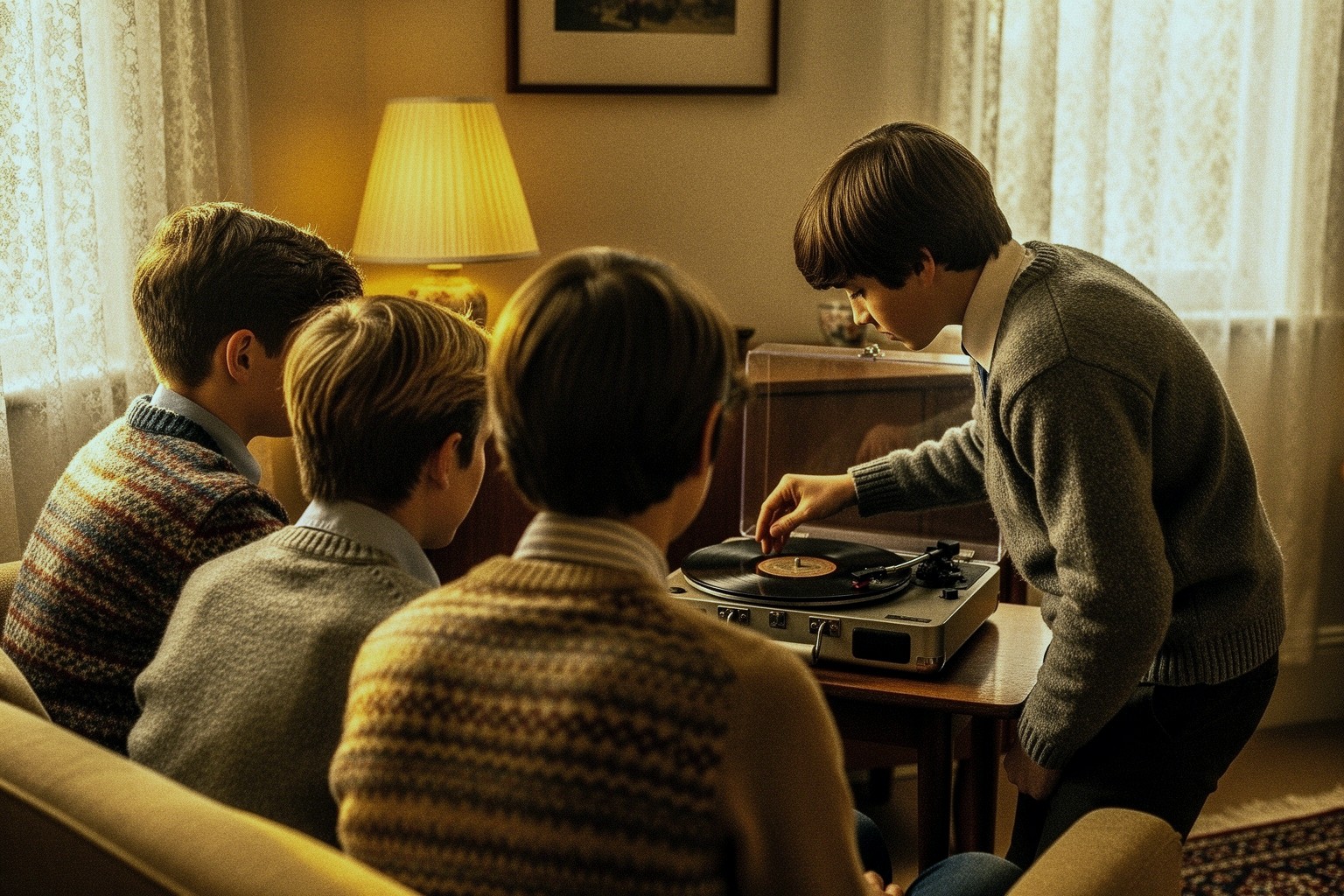
The drummer was Ringo Starr, who had joined only that August. Producer George Martin was not convinced by him. The group recorded the song with Starr on September 4. A week later, on September 11, they recorded it again with a session drummer, Andy White, at the kit. Starr was handed a tambourine.
Both takes made it onto vinyl. The first pressing of the single used the September 4 recording, with Starr drumming. Later pressings, and the band's debut album the following spring, used the White take instead. Fans who bought the same song a few months apart owned two different performances.
Then EMI's original tape of the Starr version disappeared from the archive.
When the company reissued the single for its twentieth anniversary in 1982, engineers had to master the Starr version from a copy of the 1962 vinyl.
Checked against: Recording-session chronologies compiled from EMI studio logs; histories of the band's early career; UK singles chart archives; liner notes for later reissues
The comedians wanted any name but the one the BBC printed
Illustration generated by AI for The Day Vault.
On October 5, 1969, BBC1 broadcast the first episode of Monty Python's Flying Circus, late on a Sunday night. Six writer-performers, five British and one American animator, had a half-hour of airtime and remarkably few instructions.
The first episode, called "Whither Canada?", included a joke so funny that anyone who heard it laughed until they died, and the British army translating it into German as a weapon. Sketches did not end on punchlines. They stopped when they felt like stopping, or when someone walked on to declare them silly.
Naming the thing had been harder than writing it. The team floated Owl Stretching Time, A Toad Elevating Moment, and Gwen Dibley's Flying Circus, after a woman whose name had amused one of them. Meanwhile the BBC had been calling the project a flying circus internally, and the phrase had made it into the corporation's paperwork.
The troupe that would spend years mocking every British institution lost the argument over its own title to BBC paperwork, and won only the right to choose the words in front of it.
They picked "Monty Python", a name that meant nothing at all. Within a few years "Pythonesque" meant something, and the Oxford English Dictionary now defines it.
Checked against: BBC programme archives and broadcast listings; published histories of the troupe; members' own autobiographies and diaries; the Oxford English Dictionary entry for "Pythonesque"
On October 5, 2001, Barry Bonds of the San Francisco Giants hit his 71st home run of the season. Mark McGwire's single-season record of 70 had stood for three years. Bonds took it in the first inning at Pac Bell Park, off Los Angeles Dodgers pitcher Chan Ho Park.
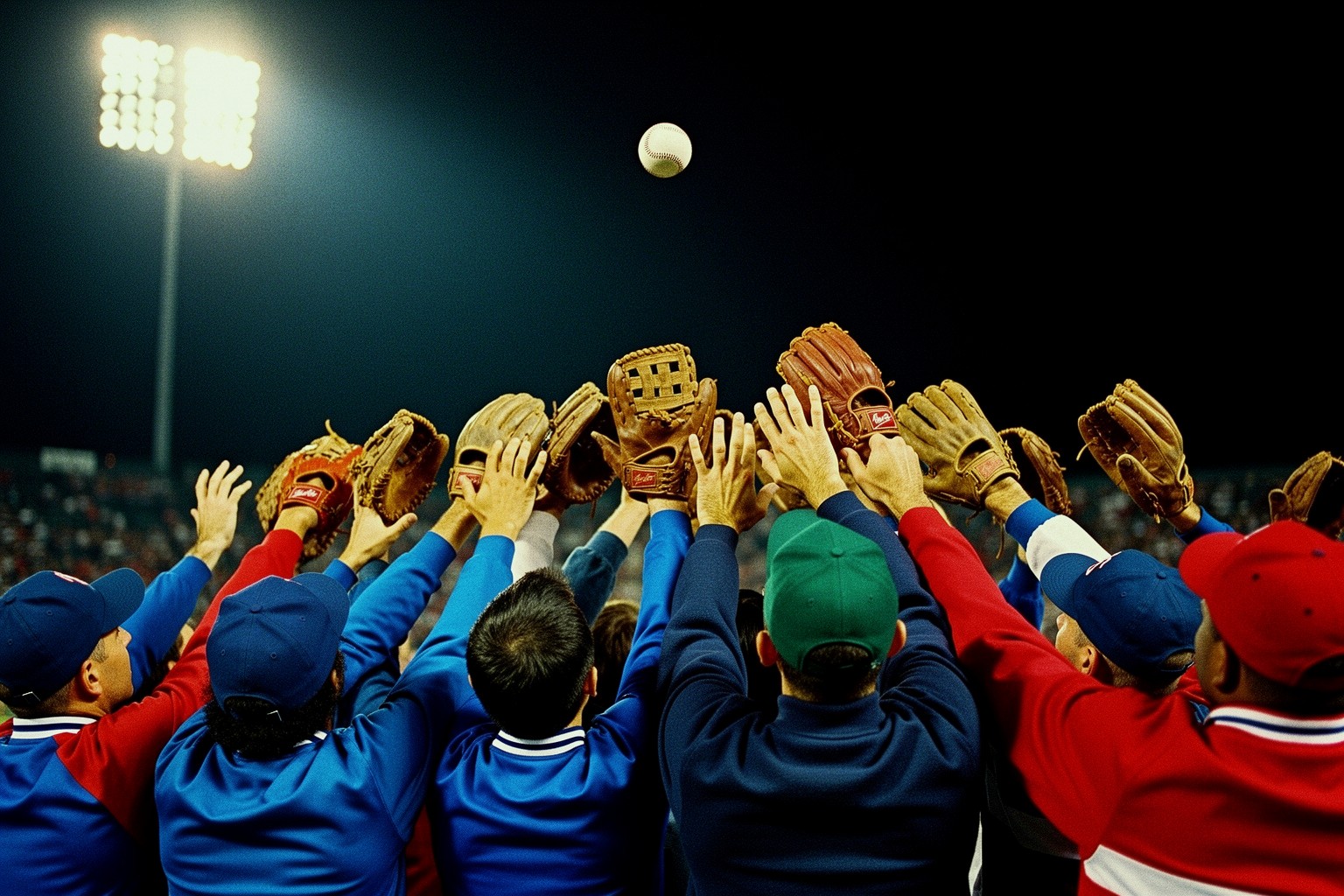
In the third inning, against the same pitcher, he hit number 72. The home crowd had come for exactly this, and they got it twice before most of them had finished their first drink. Teammates came out of the dugout. The game stopped while the ballpark celebrated.
Then the game had to start again, and it ran long into the night. Pitchers came and went. The lead changed hands. The Giants were chasing a playoff place in the final days of the season, and every run mattered more than any record.
They lost 11-10, and the defeat ended their playoff hopes.
Bonds hit one more home run two days later to finish on 73. It came in a game that no longer counted for anything. The most celebrated swing of his season had been part of a night his team would rather forget.
Checked against: Major League Baseball official records and box scores; contemporaneous newspaper game reports; Associated Press wire coverage; team and league historical archives
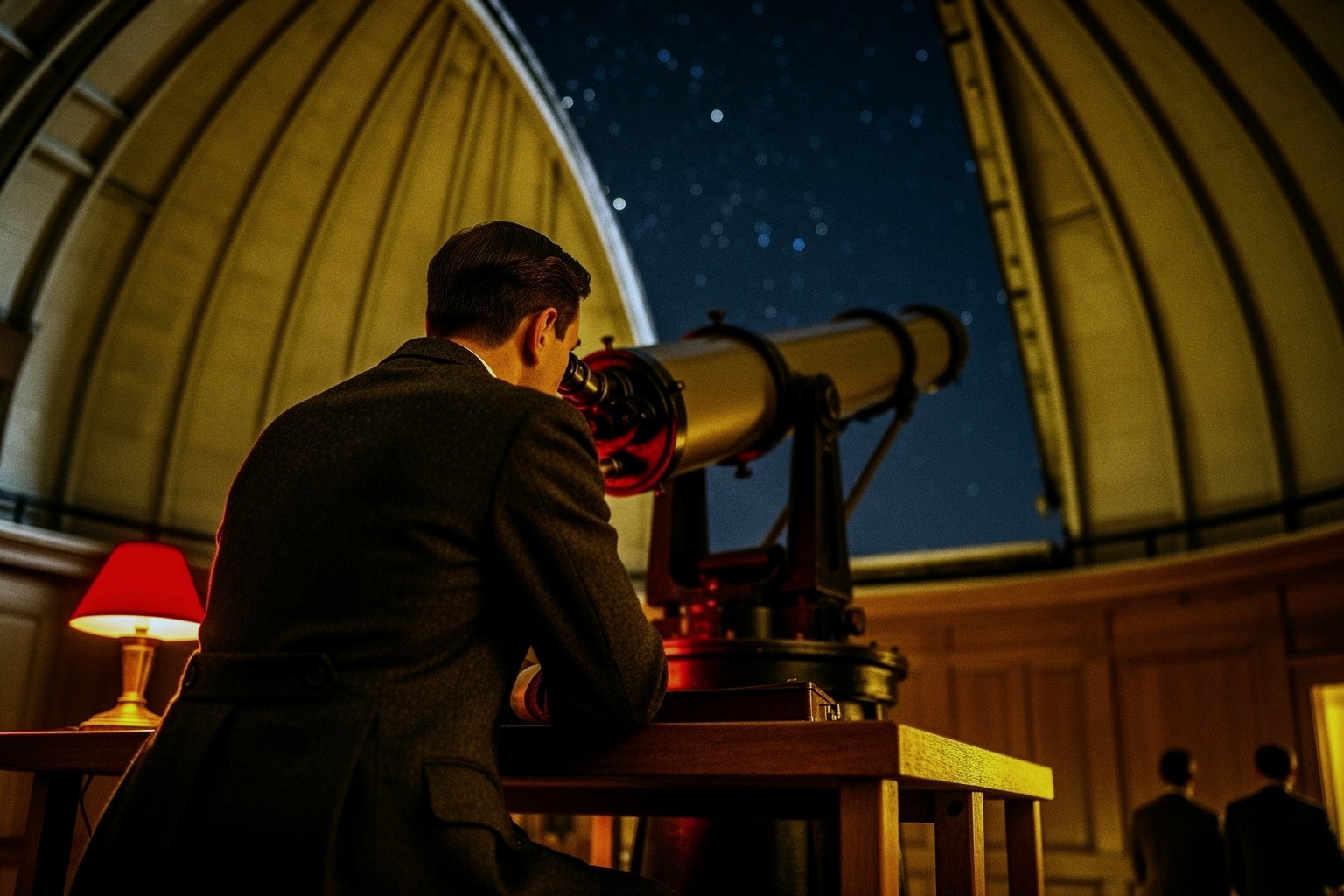
On the night of October 5, 1923, Edwin Hubble exposed a glass photographic plate on the 100-inch Hooker telescope at Mount Wilson, California. His target was the Andromeda nebula, a faint spiral smudge astronomers had argued over for years.
The argument was simple. Either the spiral nebulae were clouds of gas inside the Milky Way, or they were entire galaxies far beyond it. Nobody could settle it, because nobody could measure how far away they were.
Comparing the new plate with earlier ones, Hubble spotted three new points of light. He took them for novae, stars that flare once and fade, and marked each one with an N.
One of them was not a nova. Older plates of the same patch of sky showed it brightening and dimming on a regular cycle of about a month, so he crossed out the N and wrote VAR.
It was a Cepheid variable, a star whose rhythm reveals its true brightness, thanks to Henrietta Leavitt's earlier work at Harvard. Comparing that with how dim it looked put Andromeda far outside the Milky Way. Within months, the universe held more than one galaxy.
Checked against: Carnegie Observatories archives of the Mount Wilson plate collection; Hubble's published papers of 1925; standard histories of twentieth-century astronomy and biographies of Hubble
On October 5, 1966, the Enrico Fermi 1 reactor, about thirty miles south of Detroit, suffered a partial meltdown. It was an experimental fast breeder, cooled not by water but by liquid sodium, built to make more fuel than it burned. Its backers saw it as the future of American electricity.
Operators were raising power that afternoon when temperatures in parts of the core climbed far higher than they should have. Radiation alarms sounded. They shut the reactor down. Two fuel assemblies had melted.
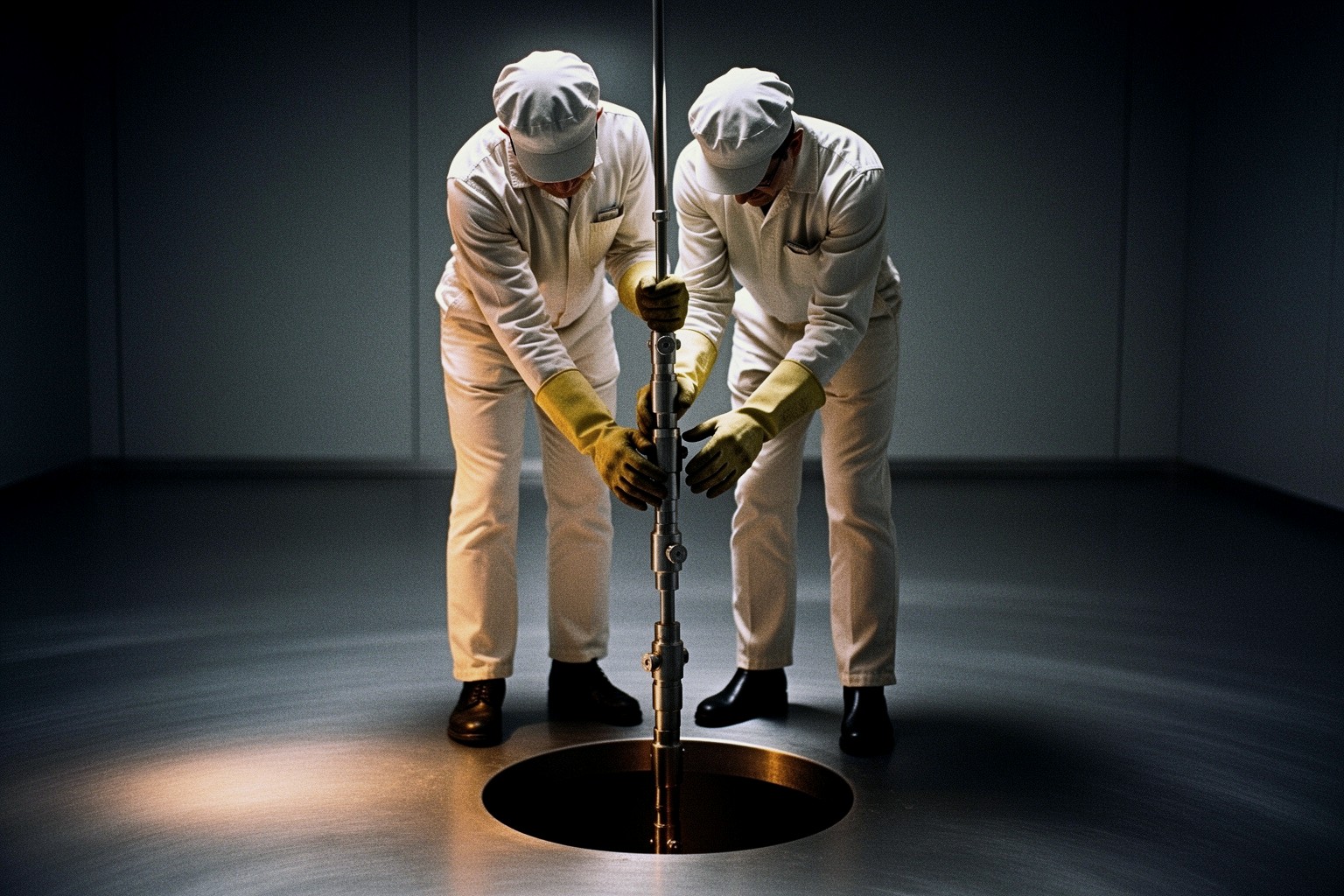
Nobody was hurt, and the radiation stayed inside the plant. But liquid sodium cannot simply be drained so someone can open the core and look. Engineers spent months working blind, with remote tools and periscopes, inside a reactor nobody could enter.
When they finally found what had choked the coolant flow, it was a loose piece of zirconium sheet, one of several added late in construction as a safety measure, meant to spread out molten fuel if the core ever melted.
The reactor restarted in 1970, ran only briefly, and was shut down for good in 1972.
Checked against: US Atomic Energy Commission and Nuclear Regulatory Commission historical records; utility and plant operator reports; contemporary Michigan and national newspaper coverage; published histories of the US civilian nuclear program.