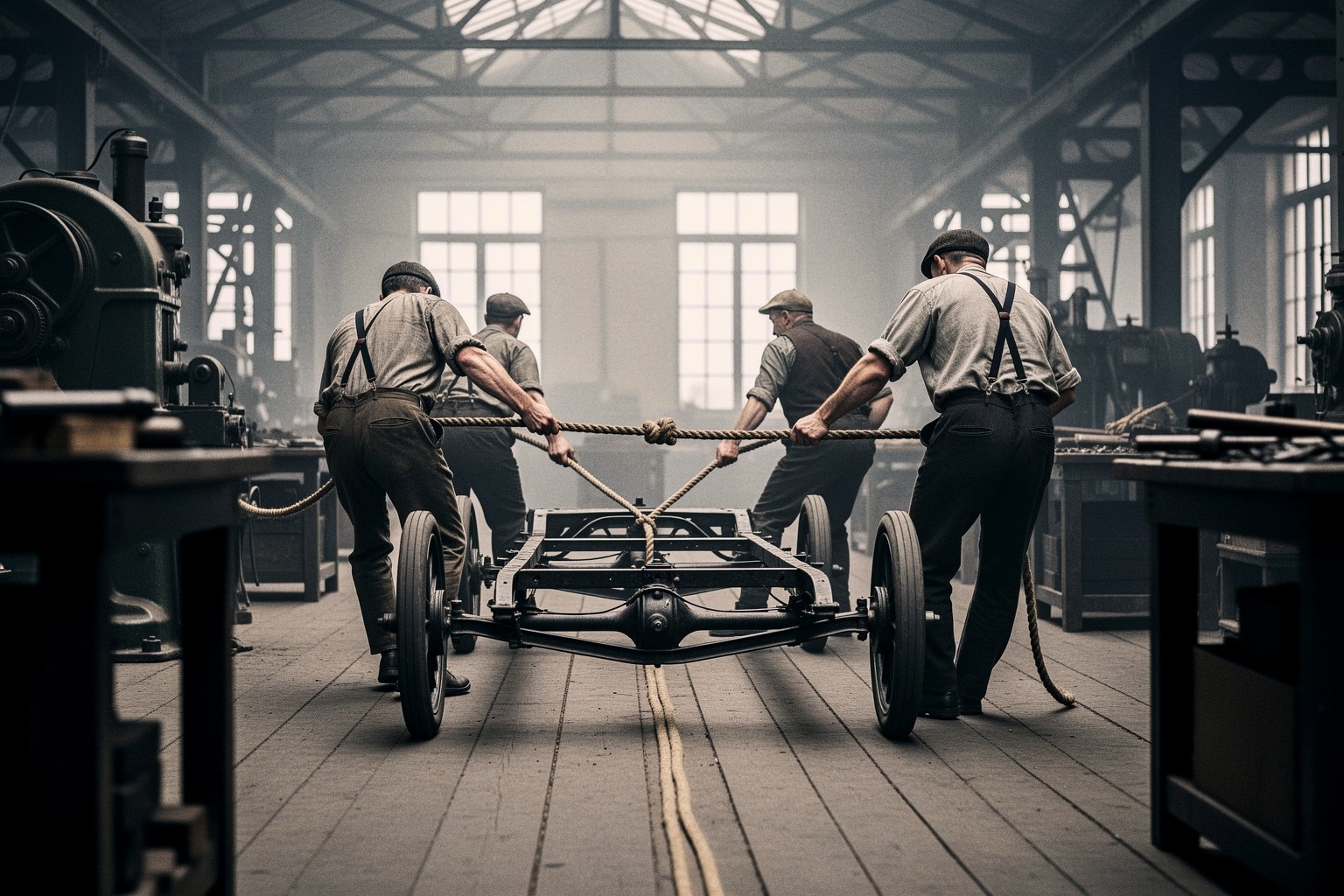
On October 7, 1913, workers at Ford's Highland Park plant outside Detroit tied a rope to a bare Model T chassis and hauled it slowly across the factory floor. Men stood at fixed stations along its path, each adding the same parts to every frame that passed.
Until then, small crews had built each chassis in one spot, walking back and forth to fetch what they needed. Now the work came to them. Within months the rope gave way to a powered chain, and chassis assembly time fell from more than twelve hours to about an hour and a half.
Engineers timed every motion and cut the ones they could. A man might spend his entire shift tightening the same few bolts on the same part of the same car, at a pace he did not set.
The cars came off the line faster, and the men walked out faster still: in 1913 Ford had to hire roughly 52,000 people to keep a workforce of about 14,000.
In January 1914 the company announced a five-dollar day, roughly double what most of its workers had been earning. Crowds of job-seekers filled the street outside the plant within days.
Checked against: Company archives and museum collections on early automobile manufacturing; business histories of the moving assembly line; labour histories of the five-dollar day.
On 7 October 1571, two fleets met in the Gulf of Patras, off western Greece, near the port Venetians called Lepanto. On one side was the Holy League of Spain, Venice and the Papal States, under Don John of Austria. On the other was the navy of the Ottoman Empire.
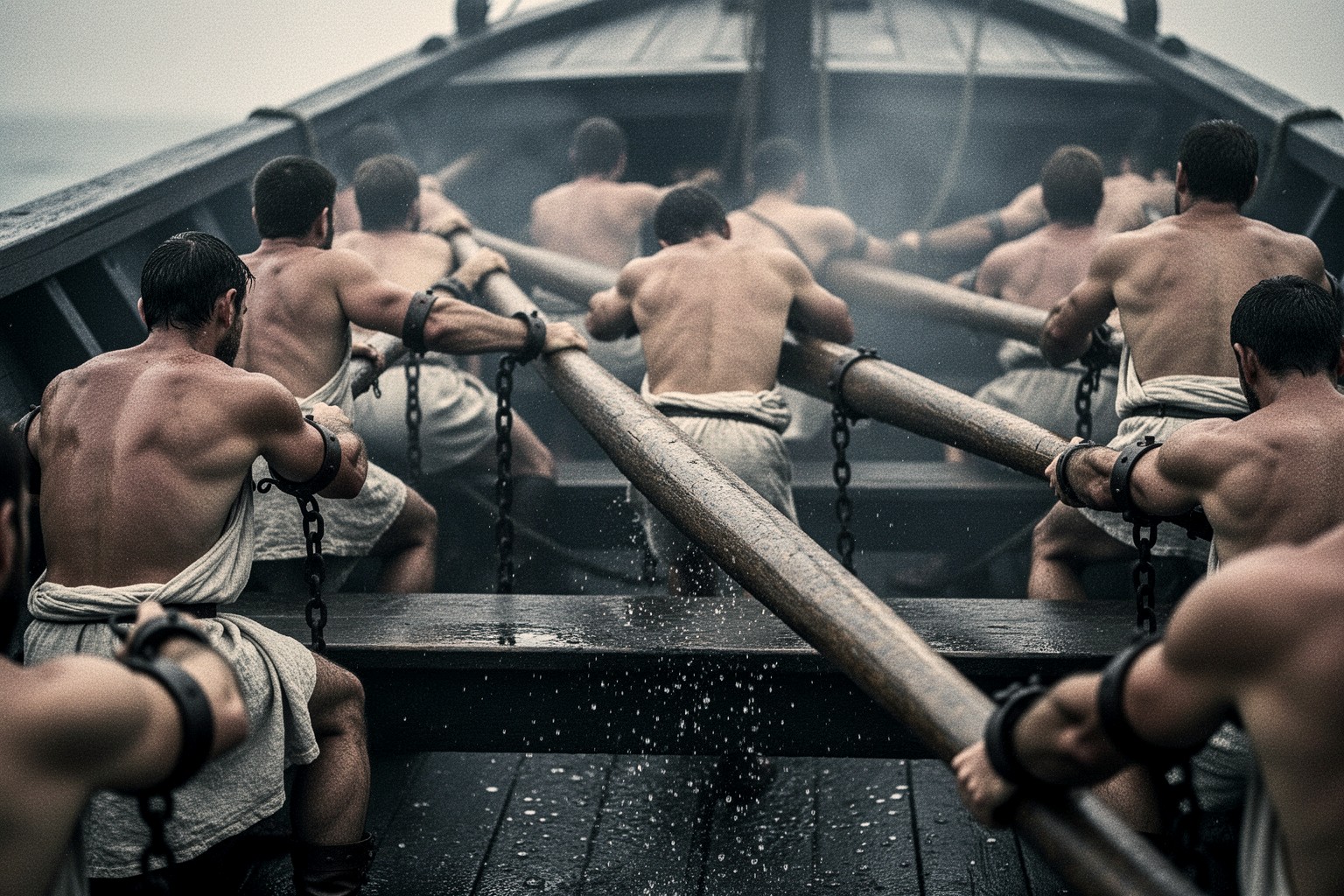
It was the last great sea battle fought mostly by rowed galleys, and it was settled in an afternoon. The League's six galleasses, heavy floating gun platforms, broke up the Ottoman line before it closed. Then it became a boarding fight, deck to deck, with arquebus, pike and sword.
By evening most of the Ottoman fleet was sunk or captured. Thousands of Christian galley slaves, chained to Ottoman oars, were set free. Among the League's wounded was a young Spanish soldier, Miguel de Cervantes, who lost the use of his left hand. Across Catholic Europe, bells rang for the victory.
The war had been fought over Cyprus, and Cyprus had already fallen to the Ottomans two months before the fleets ever met.
Over the winter, Ottoman shipyards built a new fleet, and it put to sea the following summer. The League argued over what to do next. In 1573 Venice signed a separate peace, gave up the island and agreed to pay the Sultan an indemnity.
Checked against: Venetian and Spanish state archives; contemporary eyewitness accounts of the battle; standard naval histories of the sixteenth-century Mediterranean; Ottoman chronicles and modern Ottoman histories
East Germany threw itself a 40th birthday party. It never had another.
Illustration generated by AI for The Day Vault.
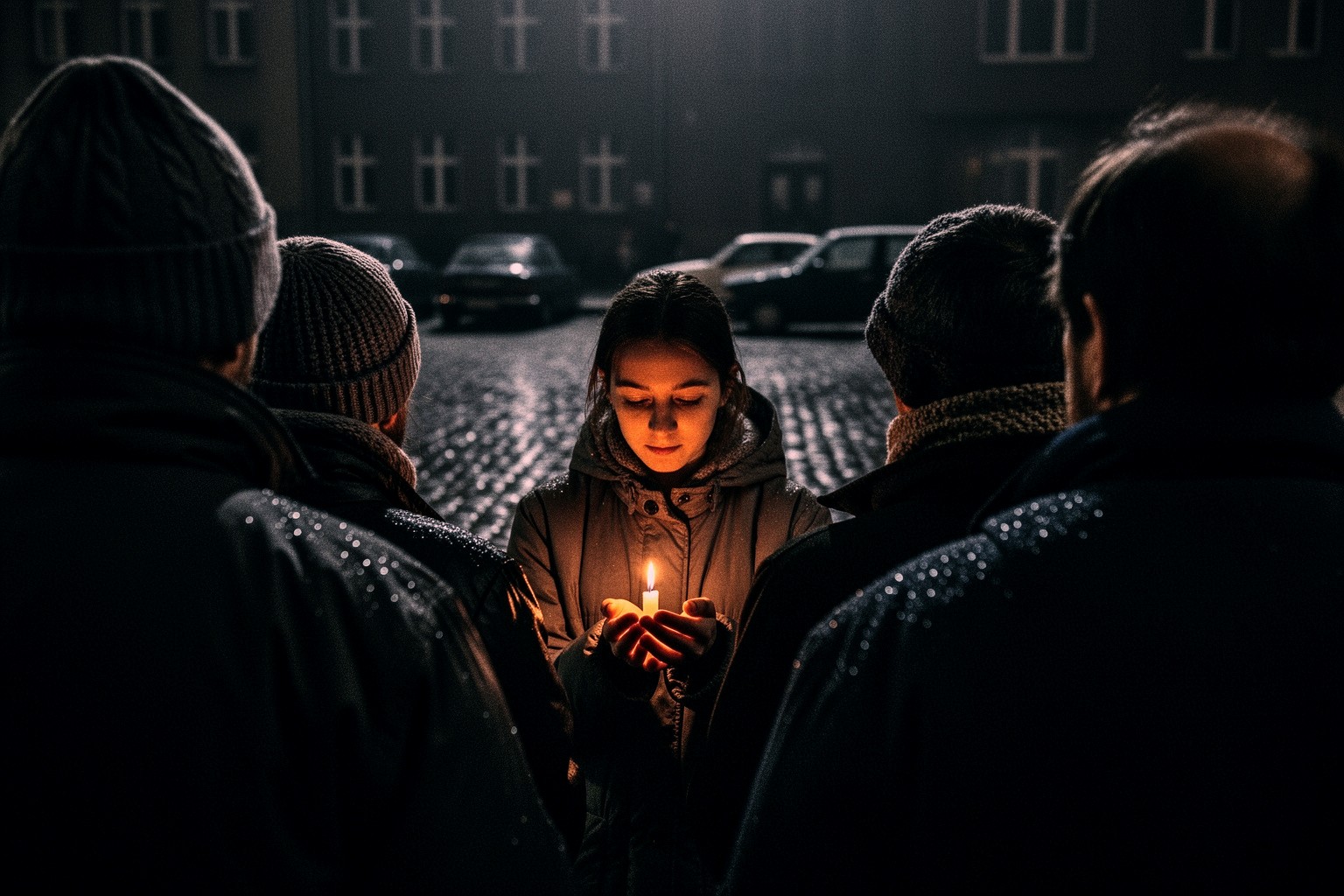
On October 7, 1989, East Germany marked its 40th anniversary. The German Democratic Republic had been founded on that date in 1949, and its leaders celebrated in East Berlin with a military parade, foreign delegations and speeches about the socialist future.
The guest of honour was Mikhail Gorbachev, the Soviet leader. His host, Erich Honecker, had ruled since 1971 and rejected the reforms Moscow was pursuing at home. That summer, tens of thousands of East Germans had already left for the West through Hungary, which had opened its border with Austria.
Inside the Palace of the Republic, officials raised their glasses. Outside, crowds gathered, and some of them called Gorbachev's name. That night police broke up the protests and detained hundreds of people.
The party was meant to show a state built to last. It turned out to be a send-off.
Eleven days later, Honecker's own Politburo removed him. On November 9 the Berlin Wall opened. East Germany ceased to exist on October 3, 1990, four days short of its 41st birthday.
Checked against: Histories of German reunification and the end of the Cold War; contemporary wire-service and newspaper reports from East Berlin, October 1989; archives of East German state media; memoirs and biographies of Soviet and East German leaders.
A British victory plan with one Briton on the hill
Illustration generated by AI for The Day Vault.
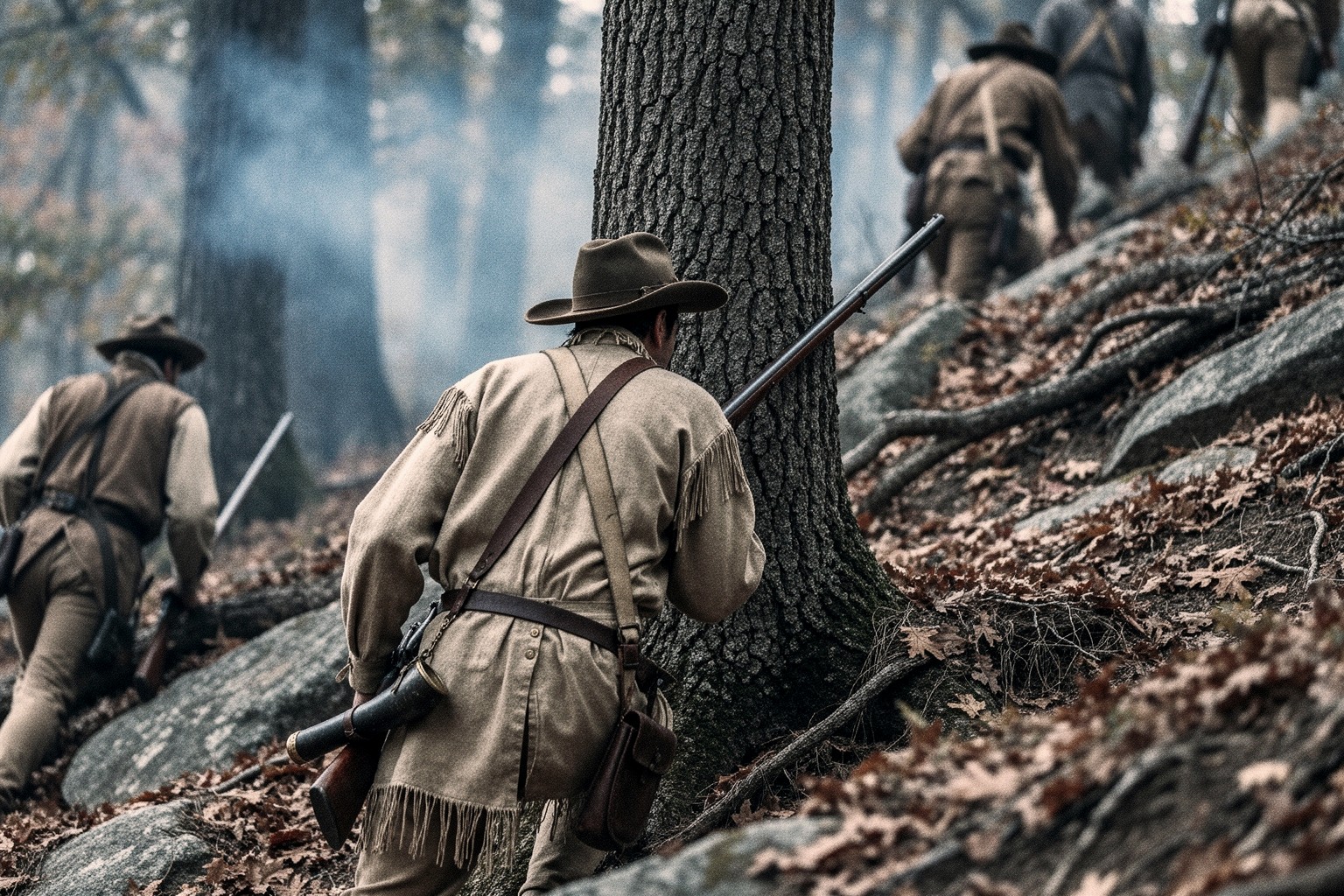
On October 7, 1780, about 900 frontier militiamen surrounded a wooded ridge on the border of the Carolinas and attacked the force camped on top. The ridge was Kings Mountain. The commander up there was Major Patrick Ferguson, a Scottish officer who had invented a breech-loading rifle and had recently threatened the backcountry settlers with fire and sword if they kept resisting the Crown.
The settlers took it personally. Men from over the Appalachians gathered, rode for days, and climbed the slopes from several sides at once, firing from behind trees. Ferguson's men charged downhill with bayonets, drove them back, then turned to find more coming up behind. The fight lasted about an hour. Ferguson was shot from his horse and killed, and his command surrendered.
It looked like rebels beating the British army. That is how it was celebrated.
Except that apart from Ferguson, nearly every man on that ridge, attackers and defenders alike, was American: Loyalists from the Carolinas and northern colonies against their own neighbours.
With his loyal militia wing destroyed, General Cornwallis abandoned his advance into North Carolina and fell back into South Carolina for the winter.
Checked against: Standard histories of the Southern campaign of the American Revolution; National Park Service interpretive material for Kings Mountain National Military Park; published muster and casualty records
He wrote the first detective story. His own death is still open.
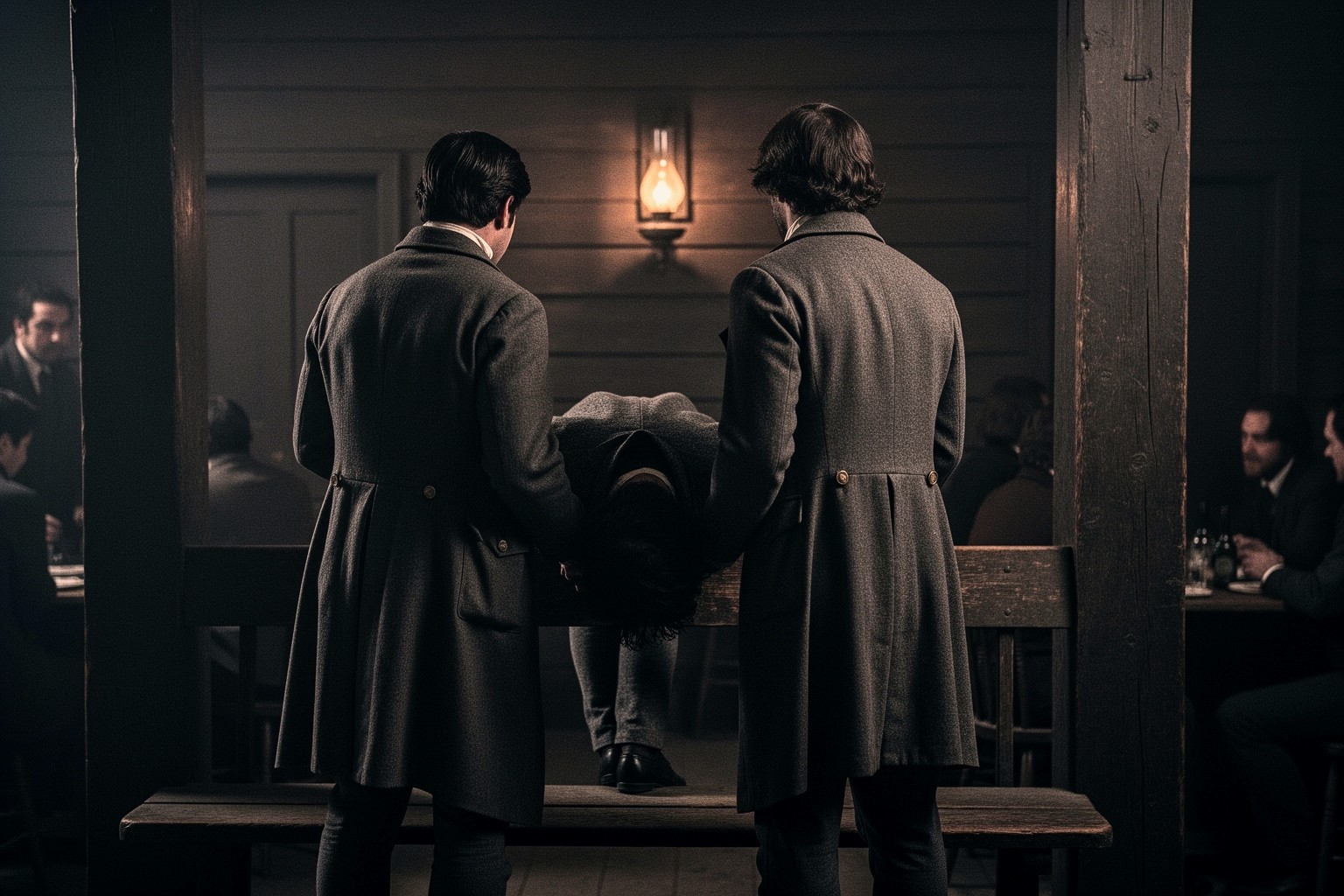
Illustration generated by AI for The Day Vault.
On October 7, 1849, Edgar Allan Poe died in a Baltimore hospital. He was 40. Four days earlier he had been found at a tavern on Lombard Street, barely conscious and unable to say how he got there.
He had left Richmond in late September, heading north. Somewhere between Virginia and that tavern, several days went missing. When he was found, he was wearing clothes that were not his: cheap, ill-fitting, nothing like the dark suits he was known for. At the hospital he drifted in and out of delirium and never gave a clear account of where he had been.
The newspapers said congestion of the brain. Historians and doctors have since proposed drink, rabies, a brain tumour, carbon monoxide and a beating. His medical records, including any death certificate, have never been found.
The tavern was a polling place, and Baltimore was voting that day. Gangs in the city were known for cooping: seizing men off the street, getting them drunk, changing their clothes and marching them from poll to poll to vote again and again.
Cooping would explain the drink, the stranger's clothes and the lost days. Nobody has ever proved it, and the man who gave fiction its first detective left a case with no records to read.
Checked against: Biographies of Poe, contemporary Baltimore newspaper accounts, the published recollections of his attending physician, and histories of 19th-century American election fraud.
On October 7, 1950, the Vatican approved a new religious congregation in Calcutta: the Missionaries of Charity. Its founder was a nun from Skopje who had taught for years at a Loreto convent school before walking out into the city's slums in 1948.
She had swapped the Loreto habit for a cheap white cotton sari with a blue border, taken a short course in nursing, and started teaching children in the open air, drawing letters in the dirt with a stick. The women who joined her took the usual vows of poverty, chastity and obedience, plus a fourth: wholehearted and free service to the poorest of the poor.
The order grew from a diocesan group into a worldwide one. By the founder's death in 1997 it ran homes for the dying, orphanages and leprosy clinics in well over a hundred countries, and she had become the most recognisable nun on earth.
Her private letters, published in 2007, showed that from around the time the order began, she felt God was absent, and that feeling stayed with her for most of the next fifty years.
She had asked for those letters to be destroyed. The Church kept them, read the long silence as part of her holiness rather than a mark against it, and declared her a saint in 2016.
Checked against: Vatican decrees and canonisation records; published collections of her correspondence; biographies of the founder; histories of the Archdiocese of Calcutta.
Mario Lanza died in a clinic in Rome on October 7, 1959. He was 38, and he was the most famous tenor of his time.
His fame came from records and films, not opera houses. His love song "Be My Love" sold over a million copies. In 1951 he starred in The Great Caruso for MGM, playing the Italian tenor who had died thirty years earlier, and the film was a box-office hit. His entire staged operatic career was a short engagement in New Orleans in 1948, singing in Madama Butterfly.
By the late 1950s the career was sliding. He fought with studios, fought his weight and moved his family to Italy to make cheaper pictures. Critics who had never heard him in a full role on stage were happy to call him a movie singer.
But the children watching that Caruso film did not care where he had or had not sung. José Carreras, Plácido Domingo and Luciano Pavarotti each credited Lanza as an early spark, and Carreras said the film set him on his path as a boy in Barcelona.
Three decades after Lanza's death, those three men sang together in football stadiums. The tenor who never really made it in opera had filled its biggest houses by proxy.
Checked against: Contemporary newspaper obituaries; Lanza biographies; MGM studio records; published interviews with Carreras, Domingo and Pavarotti
On October 7, 1955, Allen Ginsberg stood up in the Six Gallery, a former auto-repair garage in San Francisco, and read "Howl" in public for the first time. He was 29, worked in market research, and had published almost nothing.
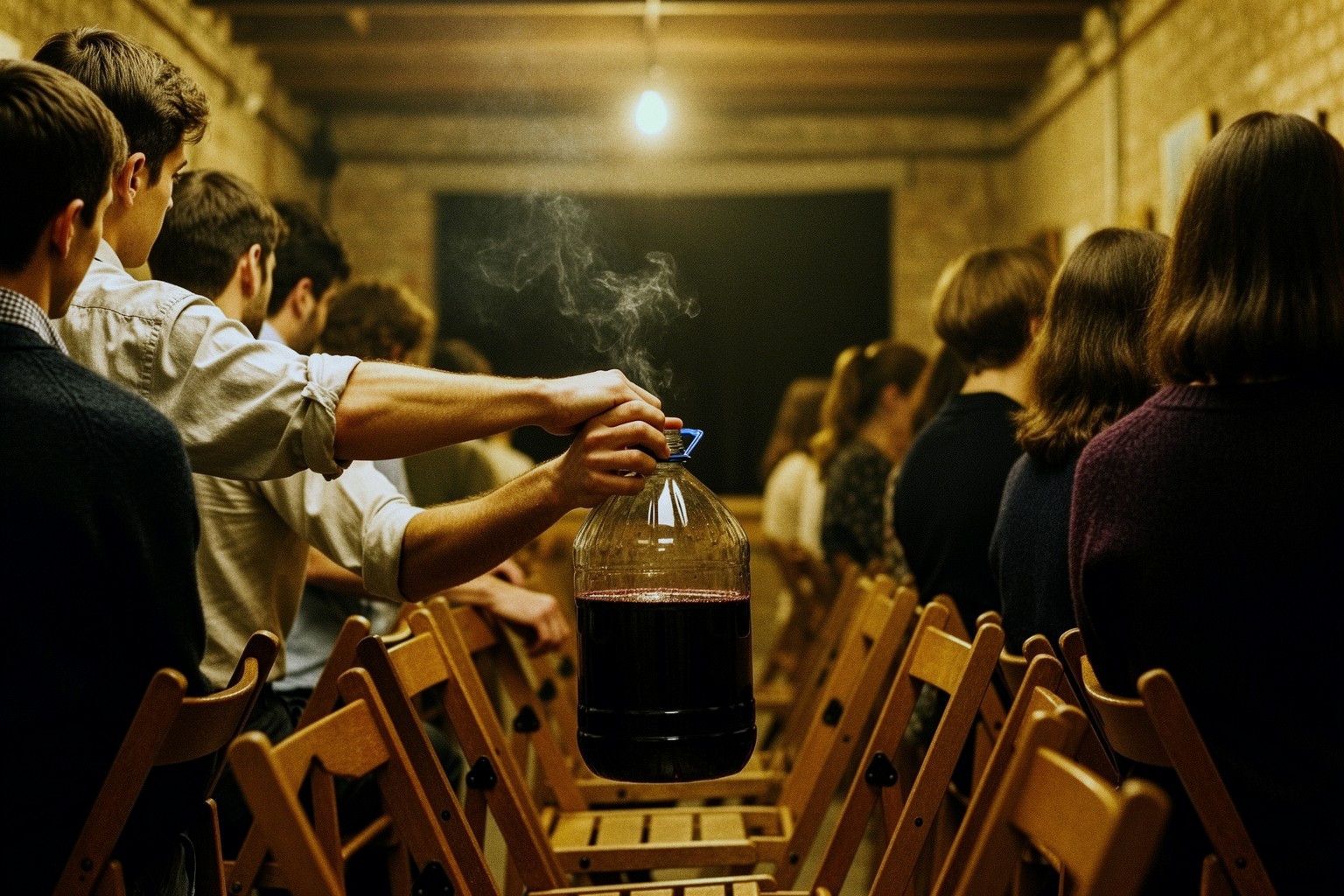
Six poets read that night, with Kenneth Rexroth as master of ceremonies. Gary Snyder, Philip Whalen, Michael McClure and Philip Lamantia shared the bill. Jack Kerouac, too shy to read, collected coins from the crowd and came back with jugs of cheap wine, which he passed along the rows while shouting encouragement at the stage.
Ginsberg started quietly and finished in a rhythm the room was chanting with. Some listeners were in tears. Lawrence Ferlinghetti, who ran City Lights bookshop, sent Ginsberg a telegram that night offering to publish the poem. The book appeared the next year as a small black-and-white paperback.
The reading made Ginsberg a name in one city. It took customs officers and the police to make him a name everywhere.
In 1957 officials seized copies and arrested Ferlinghetti and his shop clerk for selling obscene material. The trial ran all summer in the newspapers. When Judge Clayton Horn ruled the poem was not obscene, City Lights could barely print it fast enough.
Checked against: Ginsberg and Ferlinghetti biographies, City Lights publishing histories, contemporary San Francisco newspaper coverage of the 1957 obscenity trial, court records of People v. Ferlinghetti
Georgia Tech scored 222 points to prove points meant nothing
Illustration generated by AI for The Day Vault.
On October 7, 1916, Georgia Tech beat Cumberland College 222 to 0 at Grant Field in Atlanta. More than a century later, it is still the most lopsided score in the history of college football.
Cumberland, a small school in Lebanon, Tennessee, had dropped its football program before the season began. The game was already under contract, and Tech's coach, John Heisman, held them to it. Cumberland could pay a penalty or show up. It showed up with a scratch squad of students, some of whom had barely played the game.
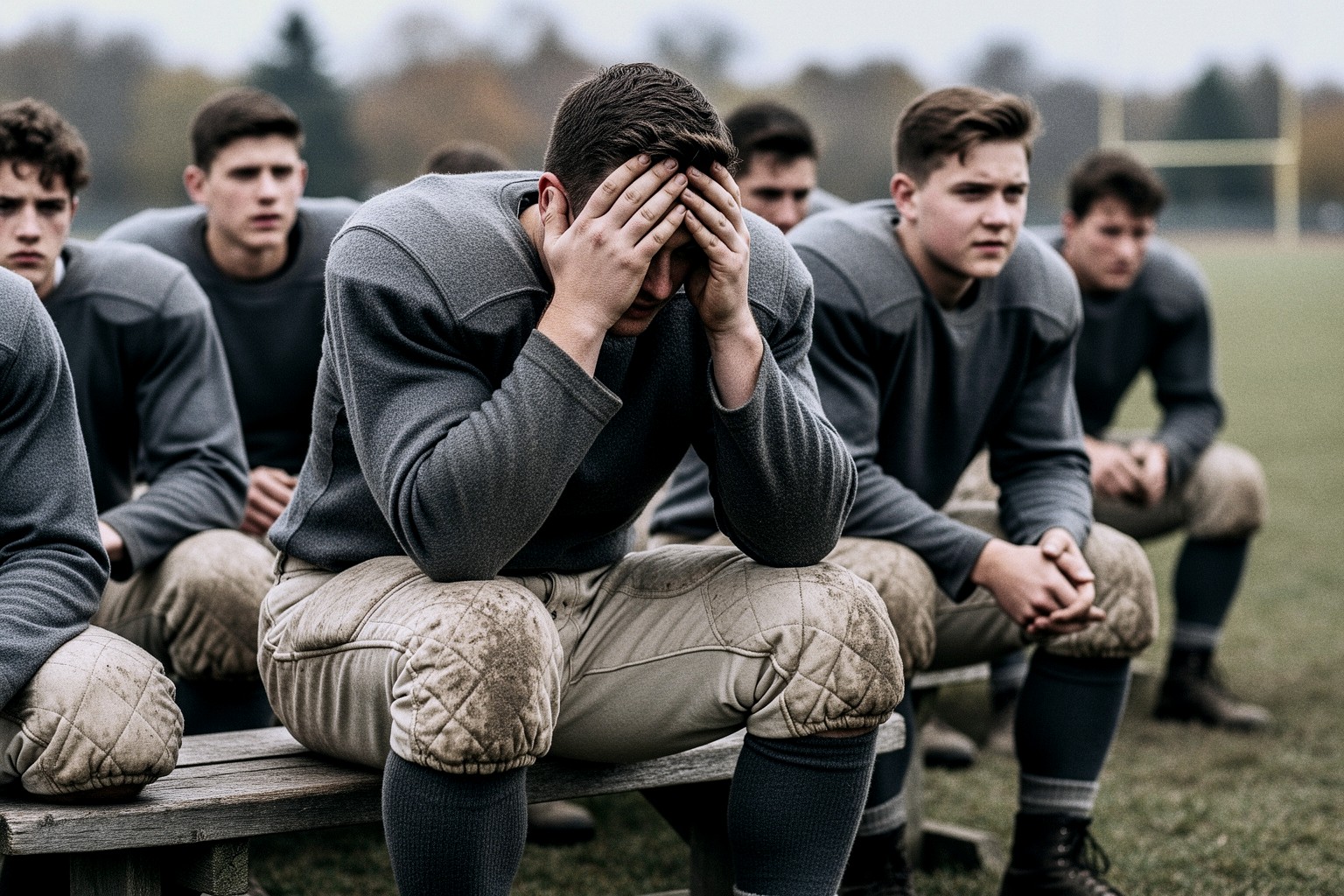
Tech scored on almost every possession. The home side led 126 to 0 at half-time, and the second half was shortened to spare everyone. Cumberland never made a first down. Its players spent the afternoon fumbling, chasing and lying on the grass, and the Atlanta crowd watched Tech's touchdowns pile up into the thirties.
Heisman had said he wanted the rout to make a point: that sportswriters who ranked teams by points scored were ranking them foolishly.
Nobody remembers the argument. The ranking he mocked became the one fact everyone knows about the game, and the 222 he ran up to discredit scorelines is the scoreline college football has never matched.
Checked against: Contemporary Atlanta newspaper reports, Georgia Tech athletics records, NCAA football record books, biographies of John Heisman, Cumberland University histories
They saw it coming. Then they had to walk the desert to find it.
Illustration generated by AI for The Day Vault.
On October 7, 2008, a rock a few metres across hit Earth's atmosphere over northern Sudan. For the first time, astronomers had announced an asteroid impact before it happened.
The object, later named 2008 TC3, was spotted the night before by the Catalina Sky Survey in Arizona. Observers around the world turned their telescopes toward it. Within hours, orbit calculations gave a time and a place: before dawn, over the Nubian Desert.
The prediction held. A weather satellite caught the fireball, and infrasound stations picked up the blast. Years of planetary-defence talk had produced one clean, working forecast.
Then the rock burst high in the sky, and the best-predicted asteroid in history scattered across empty sand with nobody underneath to see where the pieces fell.
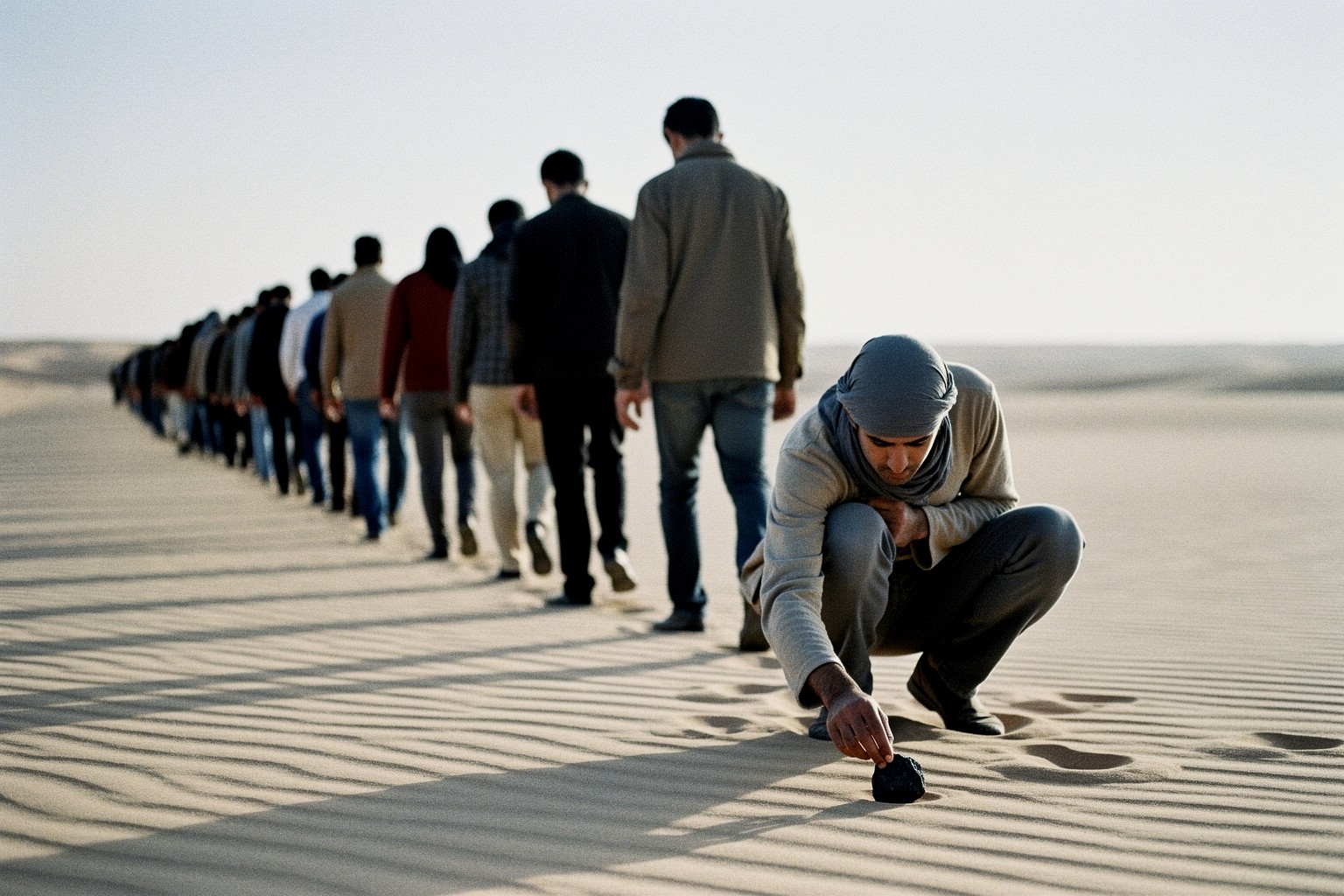
Two months later, students and staff from the University of Khartoum walked the desert in a long line, eyes down. They picked up hundreds of small black stones. These were the first meteorites ever matched to an asteroid that had been tracked in space before impact.
Checked against: Peer-reviewed papers on the 2008 TC3 impact and the Almahata Sitta meteorites; NASA and Minor Planet Center records; University of Khartoum and SETI Institute accounts of the field search
On October 7, 1952, the US Patent Office granted Norman Joseph Woodland and Bernard Silver a patent for a "classifying apparatus and method." It described a way for a machine to identify a product by reading its stripes.
The idea began with an overheard request. A supermarket executive had asked a dean at Drexel Institute of Technology in Philadelphia for a way to capture product details at the checkout. Silver, a graduate student, heard about it and told Woodland. Woodland later said the breakthrough came on a Miami beach. He pushed his fingers into the sand and dragged Morse code's dots and dashes downward into long, thin lines.
Their version was round, a bullseye of rings, so a reader could scan it from any angle. Reading it was the problem. The lamps and electronics of the early 1950s were too bulky and too costly to install at a grocery till.
The patent expired in 1969, five years before a single supermarket scanner beeped.
When one finally did, in Troy, Ohio, in June 1974, it read a pack of chewing gum. The code on the pack was no bullseye. It was a block of straight stripes, designed at IBM, where Woodland was by then on staff.
Checked against: The 1952 US patent record; Smithsonian and IEEE histories of the Universal Product Code; newspaper obituaries of Woodland from 2012; contemporary trade-press accounts of the 1974 Ohio scan.