On the night of October 8, 1871, fire broke out in a barn on Chicago's DeKoven Street. A dry summer, a hard southwest wind and a city built largely of wood did the rest.
Wooden sidewalks carried the flames from block to block, and the fire jumped the Chicago River. By the time rain helped bring it under control two days later, it had burned more than three square miles of the city, killed roughly 300 people and left about 100,000 homeless.
The blame landed on Catherine O'Leary's cow. The reporter who wrote that story admitted decades later that he had made it up.
That same night, some 250 miles north, a firestorm tore through the lumber town of Peshtigo, Wisconsin, and the forests around it. It killed more than a thousand people, several times Chicago's toll.
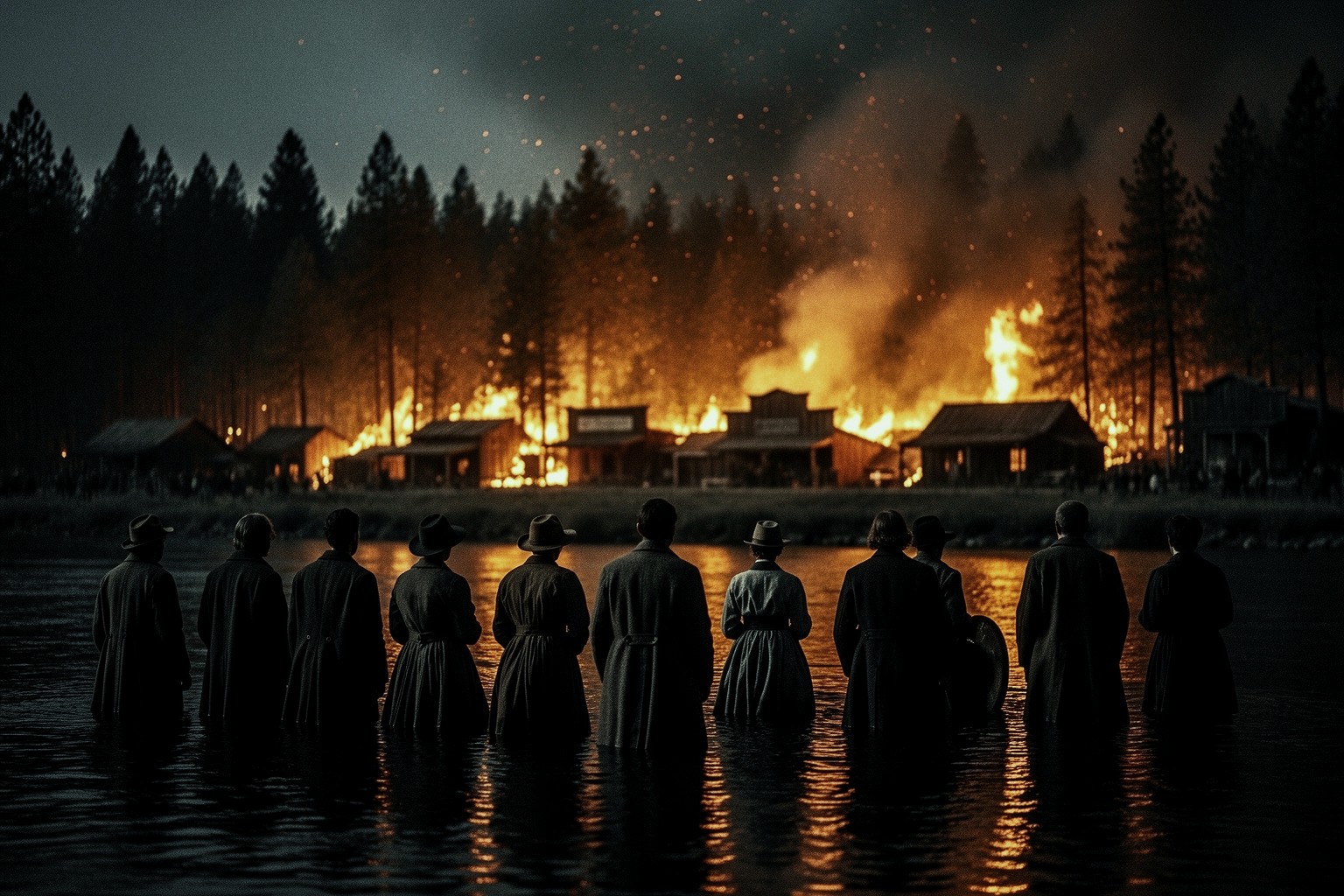
Survivors stood neck-deep in the Peshtigo River through the night while the town burned behind them. The telegraph wires were down, the country was reading about Chicago, and the deadliest wildfire in American history was overshadowed from the first morning.
Checked against: Chicago History Museum archives, Wisconsin Historical Society records, contemporary 1871 newspaper accounts, survivor testimonies, standard histories of the Great Chicago Fire and the Peshtigo Fire
On October 8, 1912, Montenegro declared war on the Ottoman Empire. It was the smallest of four Balkan kingdoms that had quietly agreed to push the Ottomans out of Europe, and it went first.
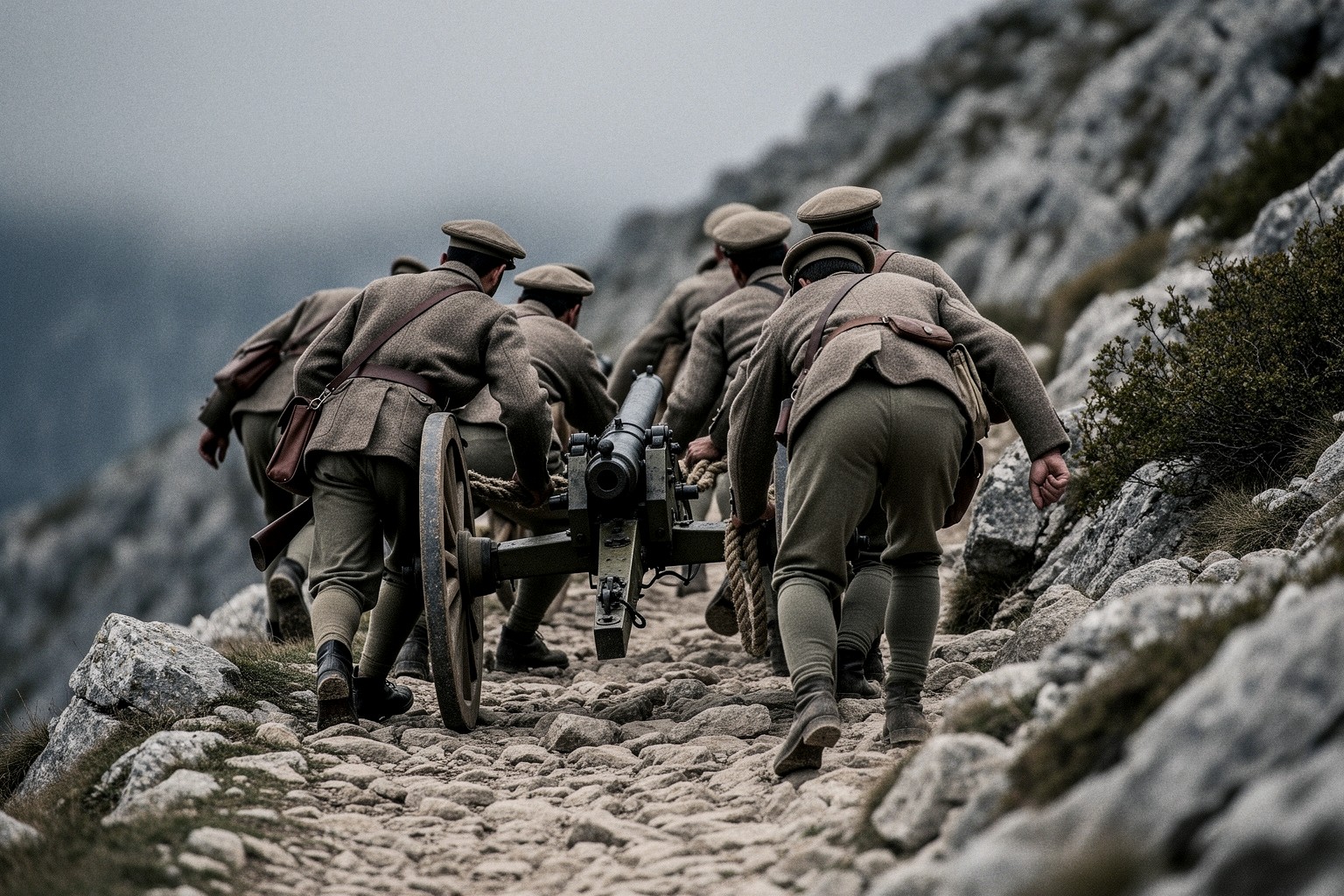
Within ten days Serbia, Bulgaria and Greece joined in. The Ottoman armies, stretched thin and badly supplied, gave way on every front. Greek troops marched into Salonika. Serbian columns crossed the mountains to the Adriatic coast. Bulgarian forces drove east until they reached the defensive lines at Chatalja, within striking distance of Constantinople.
Ottoman rule in the Balkans had lasted more than five centuries. By the Treaty of London in May 1913, the empire had signed away nearly all of its land in Europe. The whole collapse took about eight months.
Then the winners turned on each other: in June 1913 Bulgaria, unhappy with its share of Macedonia, attacked Serbia and Greece.
Romania invaded Bulgaria from the north, and the Ottomans walked back into Adrianople. Bulgaria lost much of what it had won. Serbia came out larger and more confident, which alarmed its neighbour Austria-Hungary. The next Balkan crisis began in Sarajevo, in June 1914.
Checked against: Standard histories of the Balkan Wars and the Ottoman Empire, the text of the 1913 Treaties of London and Bucharest, contemporary newspaper war reporting, academic encyclopedias of modern European history
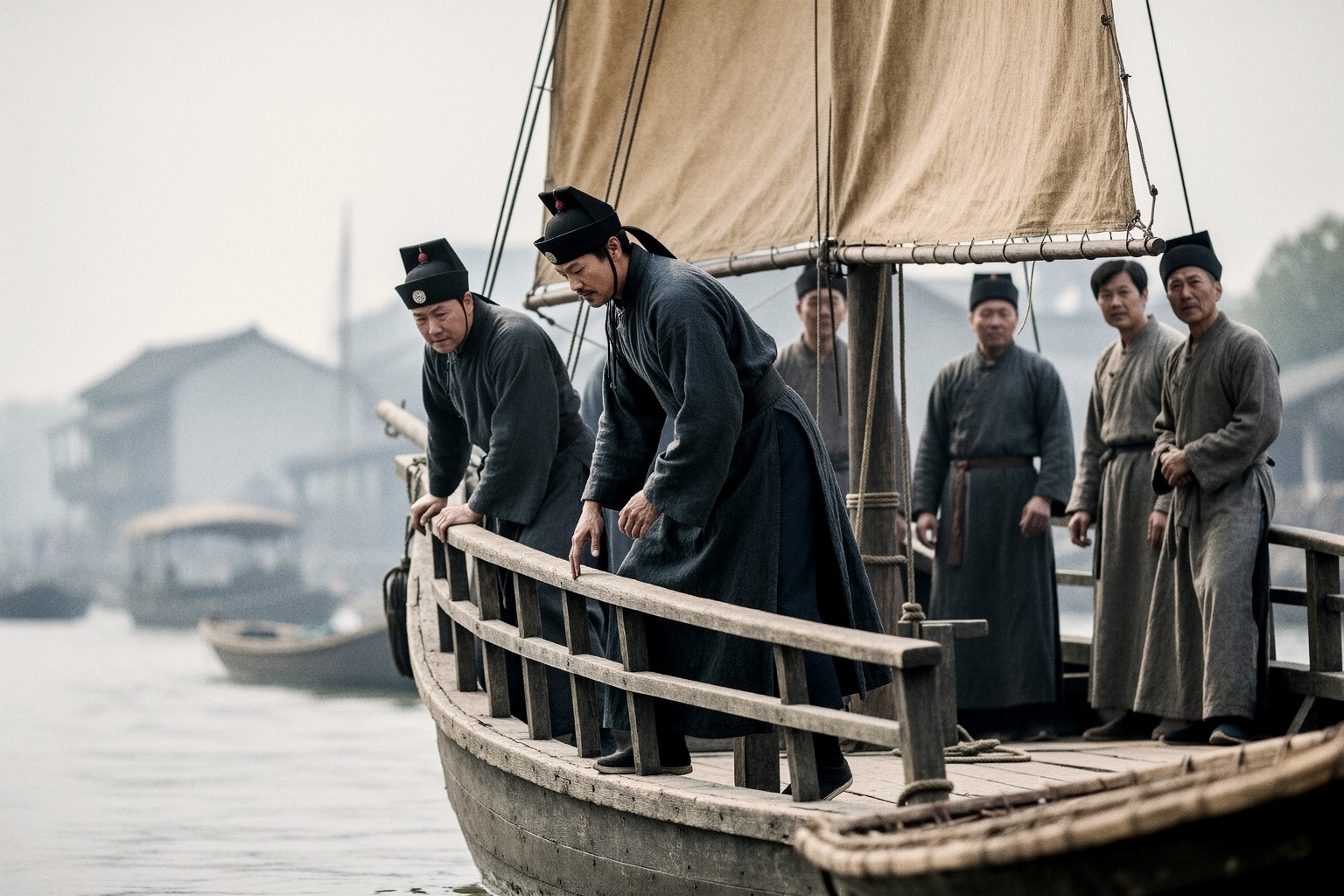
On October 8, 1856, Chinese officers boarded the Arrow, a small cargo vessel anchored in the river at Canton. They arrested twelve of its Chinese crew on suspicion of piracy.
The Arrow was a lorcha, a Western-style hull with Chinese sails, and it was registered in British Hong Kong. Harry Parkes, the British consul in Canton, called the boarding an insult to the British flag. He demanded the men back and a formal apology from the governor-general, Ye Mingchen.
Ye returned all twelve crewmen but refused to apologise. Before the month was out, British warships were shelling Canton. The quarrel became the opening of the Second Opium War.
The Arrow's British registration had already run out the month before the boarding, and the British officials pressing the case knew it.
In London, the Commons passed a motion censuring the government over the affair in March 1857. Lord Palmerston called an election and came back with a larger majority, and the war went on.
Checked against: Parliamentary debates (Hansard) for 1857; British Foreign Office correspondence on the Arrow incident; standard academic histories of the Opium Wars and nineteenth-century Qing diplomacy.
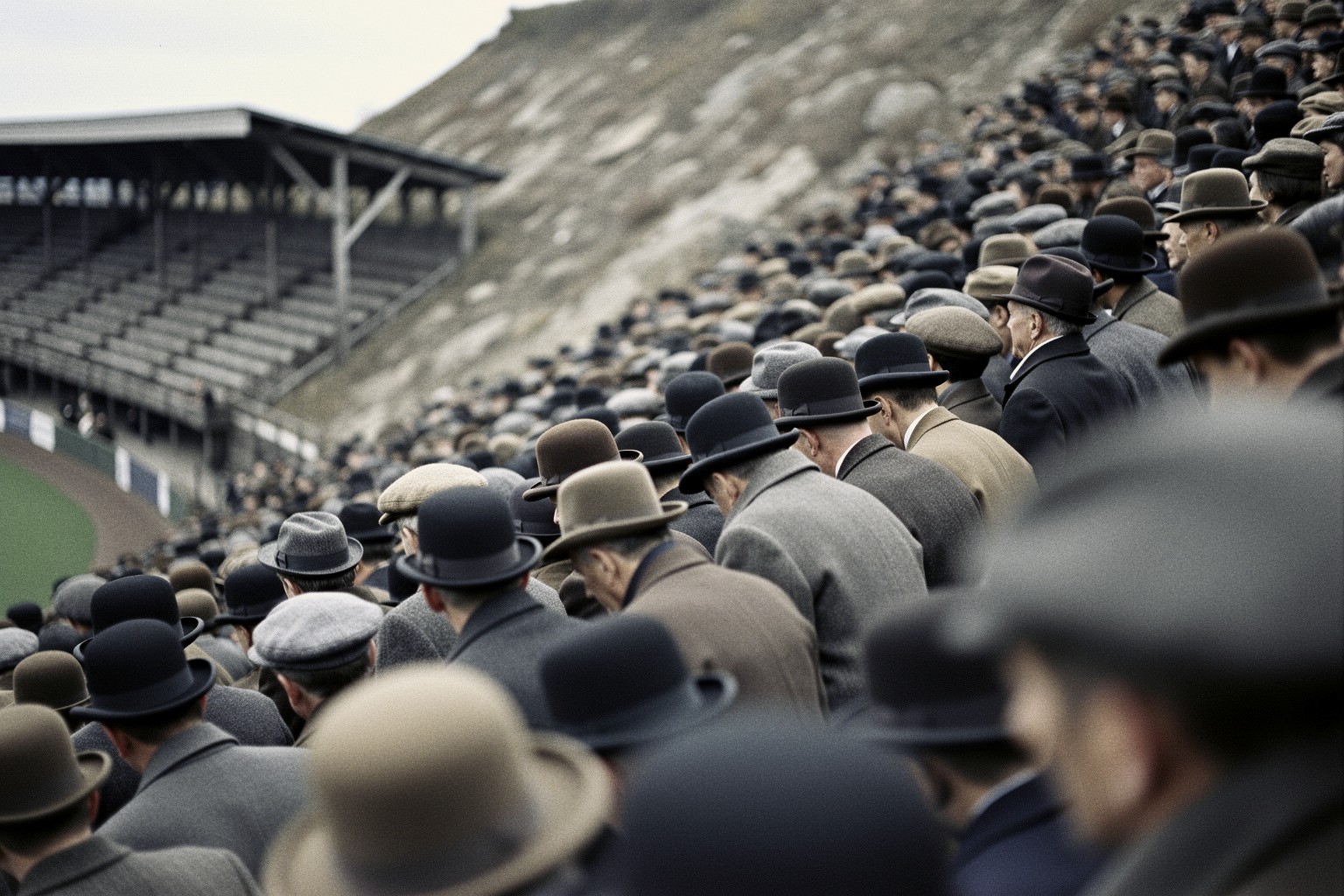
Thousands fought. The general a few miles off heard nothing.
Illustration generated by AI for The Day Vault.
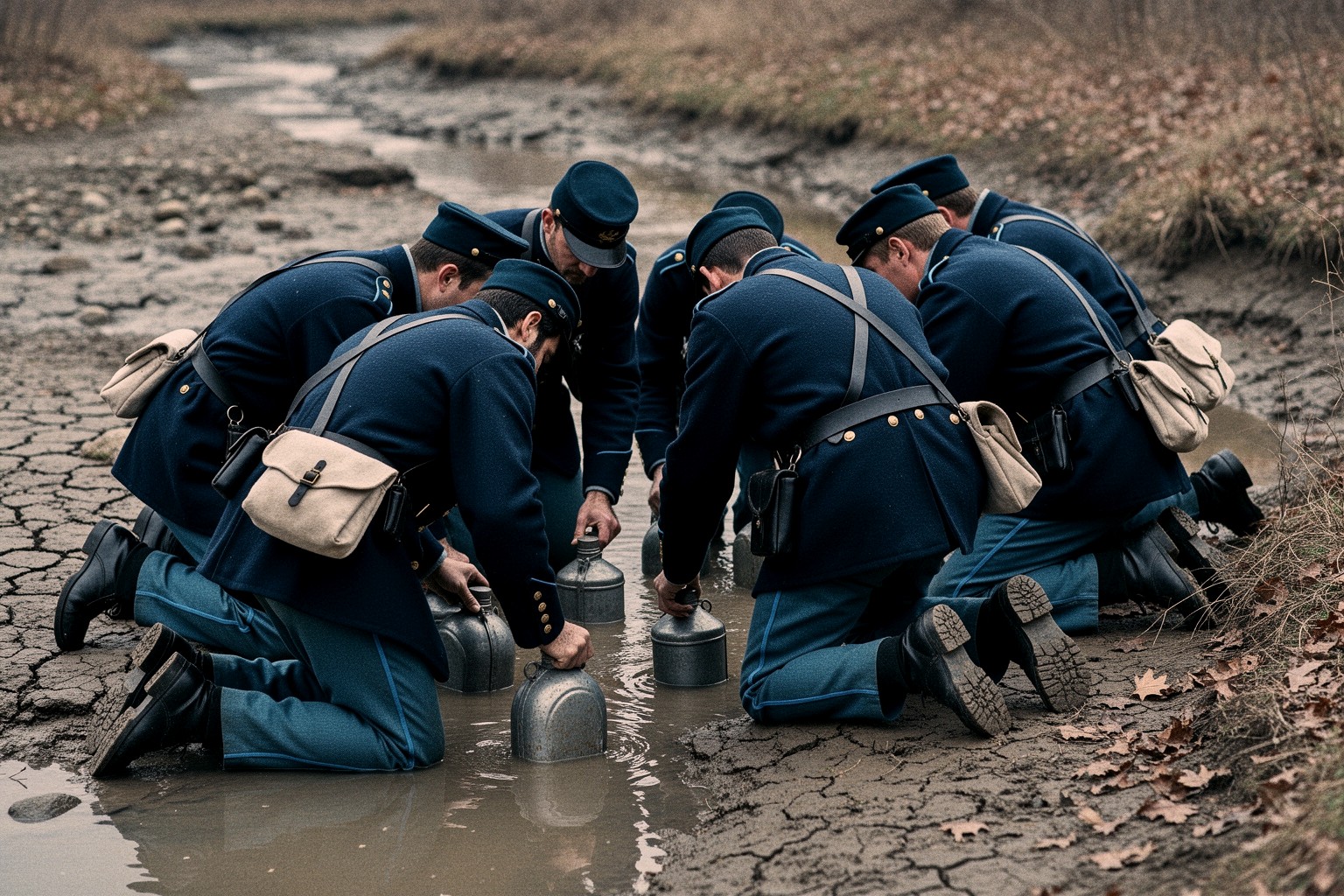
On October 8, 1862, the biggest Civil War battle ever fought in Kentucky began over water. A long drought had parched the hills around Perryville, and both armies were desperate for the stagnant pools left in the bed of Doctor's Creek.
Union soldiers pushed toward the creek before dawn and skirmished for it through the morning. In the afternoon Braxton Bragg's Confederates struck the Union left, and the fight became hours of close, confused killing across farm fields, fences and ravines.
Bragg had brought only part of his army. The Union commander, Don Carlos Buell, had far more men within reach. Tens of thousands of his soldiers sat within easy marching distance of the fighting, waiting for orders that a general would give the moment he heard the guns.
Buell, at his headquarters a few miles behind the lines, heard almost nothing: a quirk of hills and wind, now called an acoustic shadow, swallowed the roar of the battle.
He learned how serious the fighting was late in the day, too late to throw in most of his army. Bragg withdrew anyway, leaving Kentucky for good, and within weeks Buell had lost his command.
Checked against: Official Records of the Union and Confederate Armies; National Park Service and Kentucky state battlefield histories; standard Civil War campaign histories of the Perryville battle
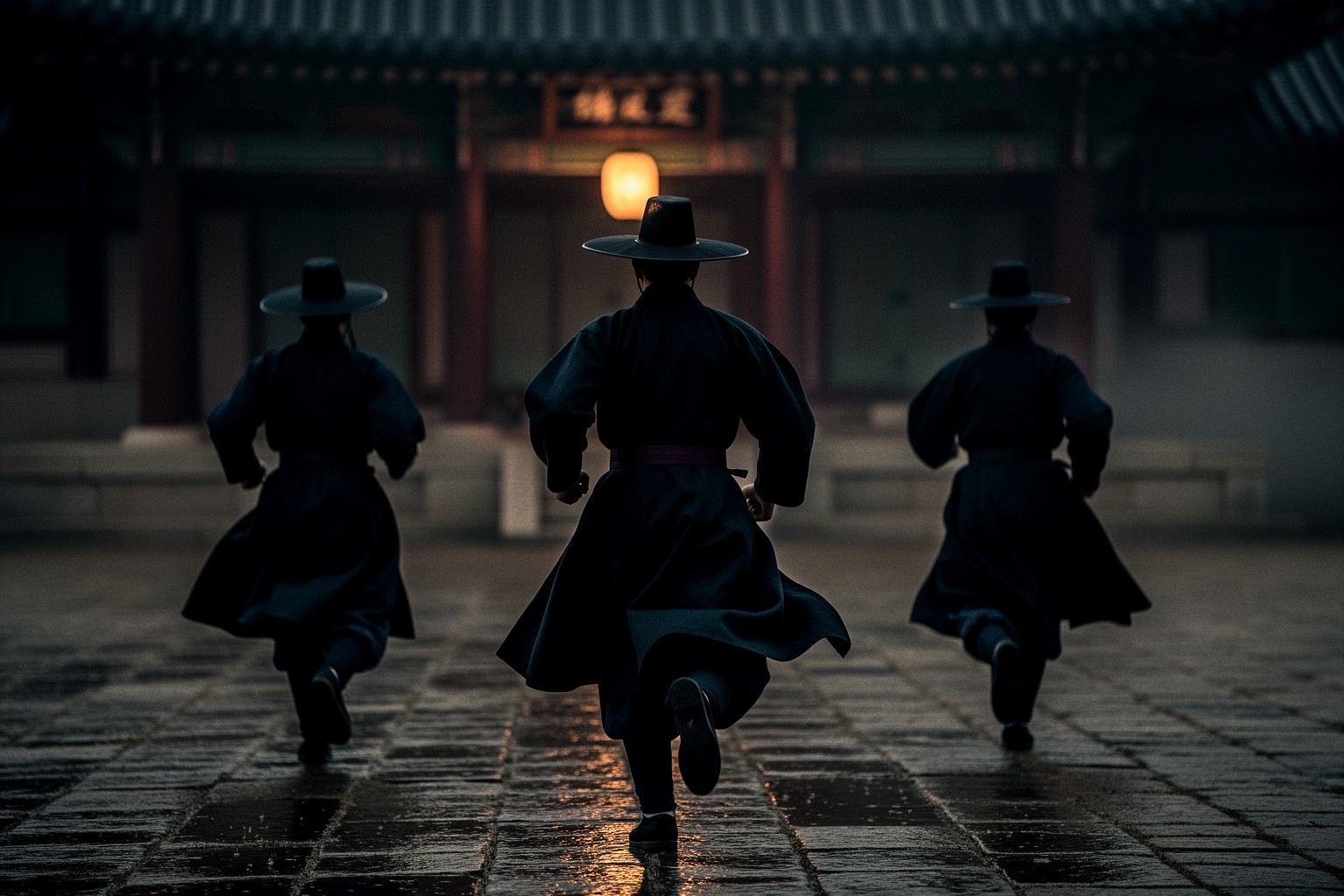
Before dawn on October 8, 1895, Japanese soldiers and hired swordsmen forced their way into Gyeongbok Palace in Seoul. They were looking for one woman: Queen Min, wife of King Gojong and the sharpest opponent of Japanese influence at the Korean court.
They found her in the royal quarters and killed her. Her body was carried outside, doused in oil and burned in a nearby grove. The palace guard had broken and scattered within minutes.
The plot was the work of Miura Gorō, Japan's new minister in Seoul, only weeks into the posting. It did not stay hidden. An American military adviser and a Russian architect were inside the palace grounds that morning and saw the attackers. Their accounts reached the foreign legations within days, and Tokyo, embarrassed, recalled Miura and dozens of others to stand trial.
In January 1896 a court in Hiroshima released every one of them, citing insufficient evidence.
Miura went home a free man. The following month, King Gojong slipped out of his own palace and governed Korea from the Russian legation for a year.
Checked against: Korean and Japanese diplomatic and court records, the Hiroshima court's published decision, eyewitness statements filed with the foreign legations in Seoul, and academic histories of late Joseon Korea.
He asked to stay home. Then he took 132 prisoners.
Illustration generated by AI for The Day Vault.
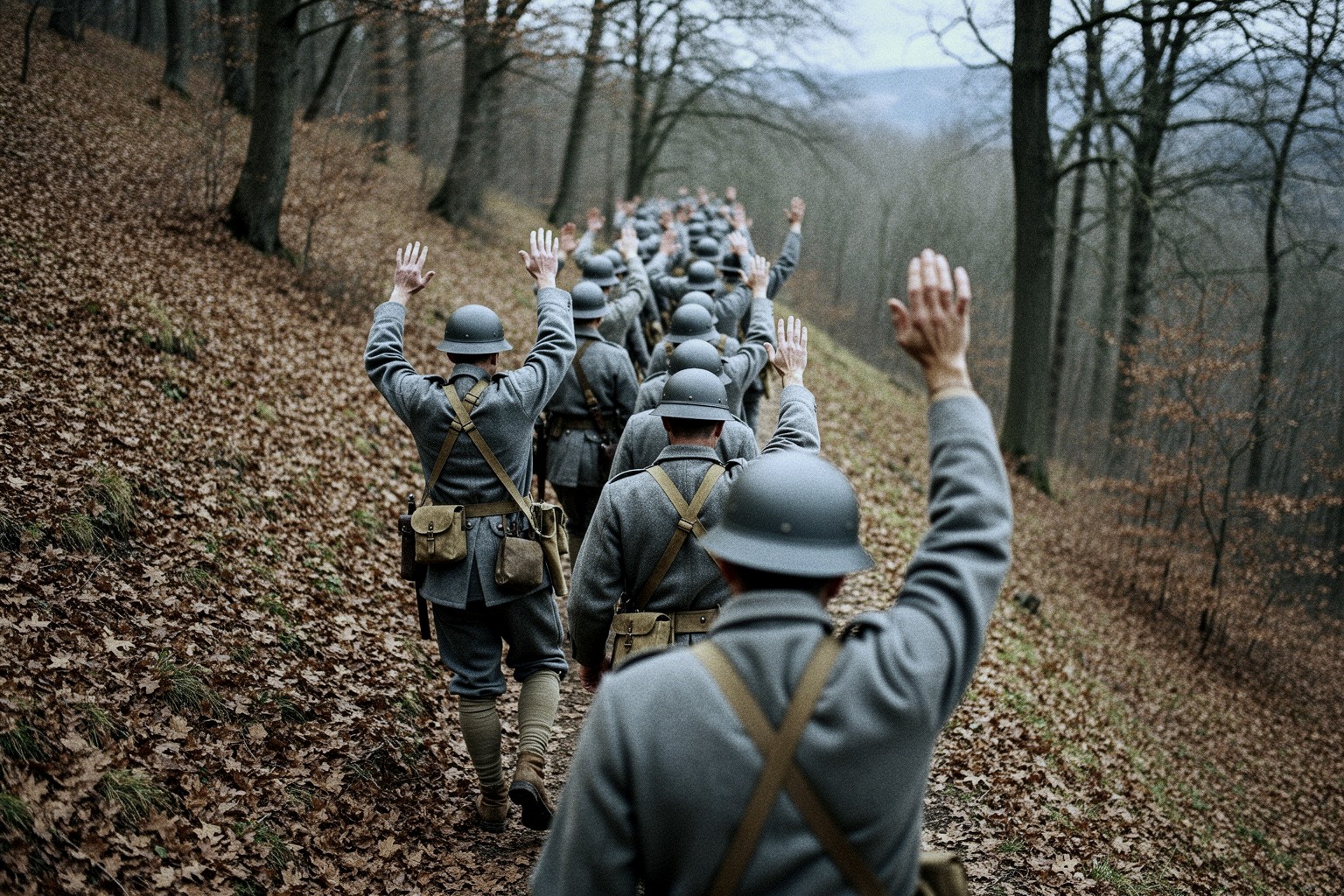
On October 8, 1918, in the Argonne Forest, Corporal Alvin York of Tennessee came down a hillside with 132 German prisoners. His patrol had been pinned by machine guns. By the end of the morning, the guns were quiet and the column was marching toward American lines.
York belonged to the Church of Christ in Christian Union, a small denomination that read the commandment against killing plainly. When the draft reached him in 1917, he wrote on his card: "Dont want to fight." His claim to be a conscientious objector was turned down.
At Camp Gordon, his battalion commander did not simply order him to fall in. He sat with York and argued scripture, verse against verse. Then he gave him ten days' leave to go home and decide. York spent much of it alone on a mountain. He came back and said he would fight.
So the war's most celebrated American infantryman was the man who had asked, in writing, to be left out of it.
The Medal of Honor followed, and so did offers of money. York turned most of them down for years and spent his fame raising funds for a school in the hills of Fentress County.
Checked against: US Army records and Medal of Honor citations; York's published wartime diary; standard biographies; histories of the Meuse-Argonne offensive
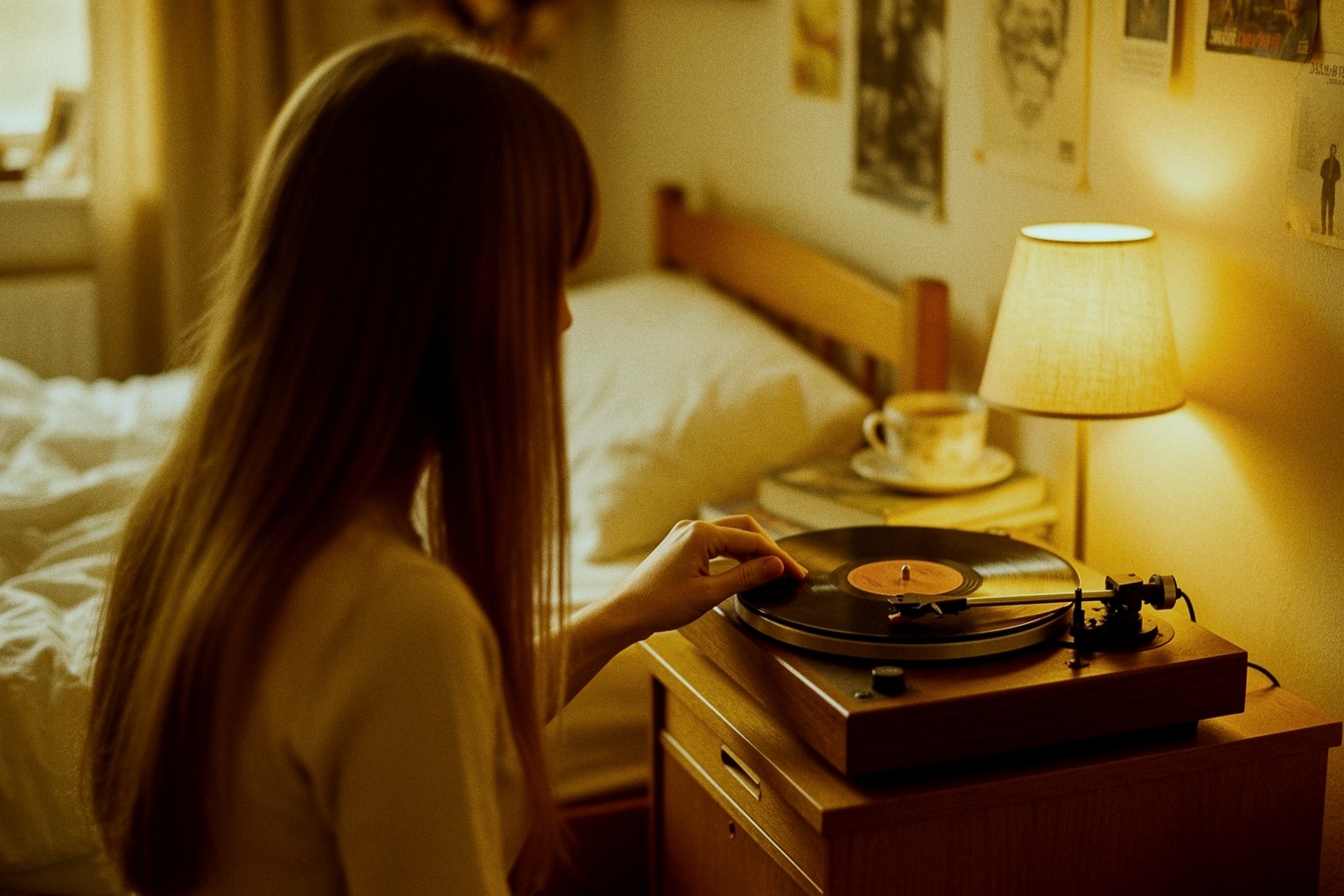
On October 8, 1971, John Lennon's album Imagine went on sale in Britain, a month after its American release. It reached number one on both sides of the Atlantic.
The title track carries the record. Over a slow, plain piano figure, Lennon asks the listener to picture a world without countries, without religion and without possessions. Phil Spector co-produced, and a string section was laid over the top afterwards.
The song has since become standard music for public hope and public grief. It plays in Times Square in the minutes before the New Year ball drops, and it has been performed at Olympic ceremonies.
Lennon recorded it in a studio he had built inside his own house, a Georgian mansion on a country estate in Berkshire.
The film made to promote the song was shot there too: Lennon at a white grand piano in a white room, Yoko Ono opening the tall shutters one by one. A song about owning nothing has been pictured ever since in the house where he owned the most.
Checked against: Album and single discographies, UK and US chart archives, Lennon biographies, 1971 music press, documentary footage of the recording sessions
On October 8, 1956, Don Larsen of the New York Yankees threw the only perfect game in World Series history. Twenty-seven Brooklyn Dodgers came to the plate at Yankee Stadium, and twenty-seven went back to the bench. No hits, no walks, nobody reaching first base. The Yankees won 2-0.
He needed 97 pitches, all thrown without a windup. The final out was a called third strike. His catcher, Yogi Berra, ran to the mound and leapt into his arms, and the photograph of that leap became one of the most reproduced images in American sport.
It was also a second chance. Earlier in the same Series, Larsen had been given an early lead in Game 2 and could not get out of the second inning. Manager Casey Stengel handed him the ball again anyway.
Larsen was not, by most measures, a great pitcher. Two seasons earlier, with the Baltimore Orioles, he had lost 21 games.
He retired with 81 wins and 91 losses, and spent the rest of his life being asked about one afternoon in the Bronx.
Checked against: Major League Baseball official records and box scores; contemporary newspaper coverage of the 1956 World Series; Baseball Hall of Fame archives; player career statistics databases
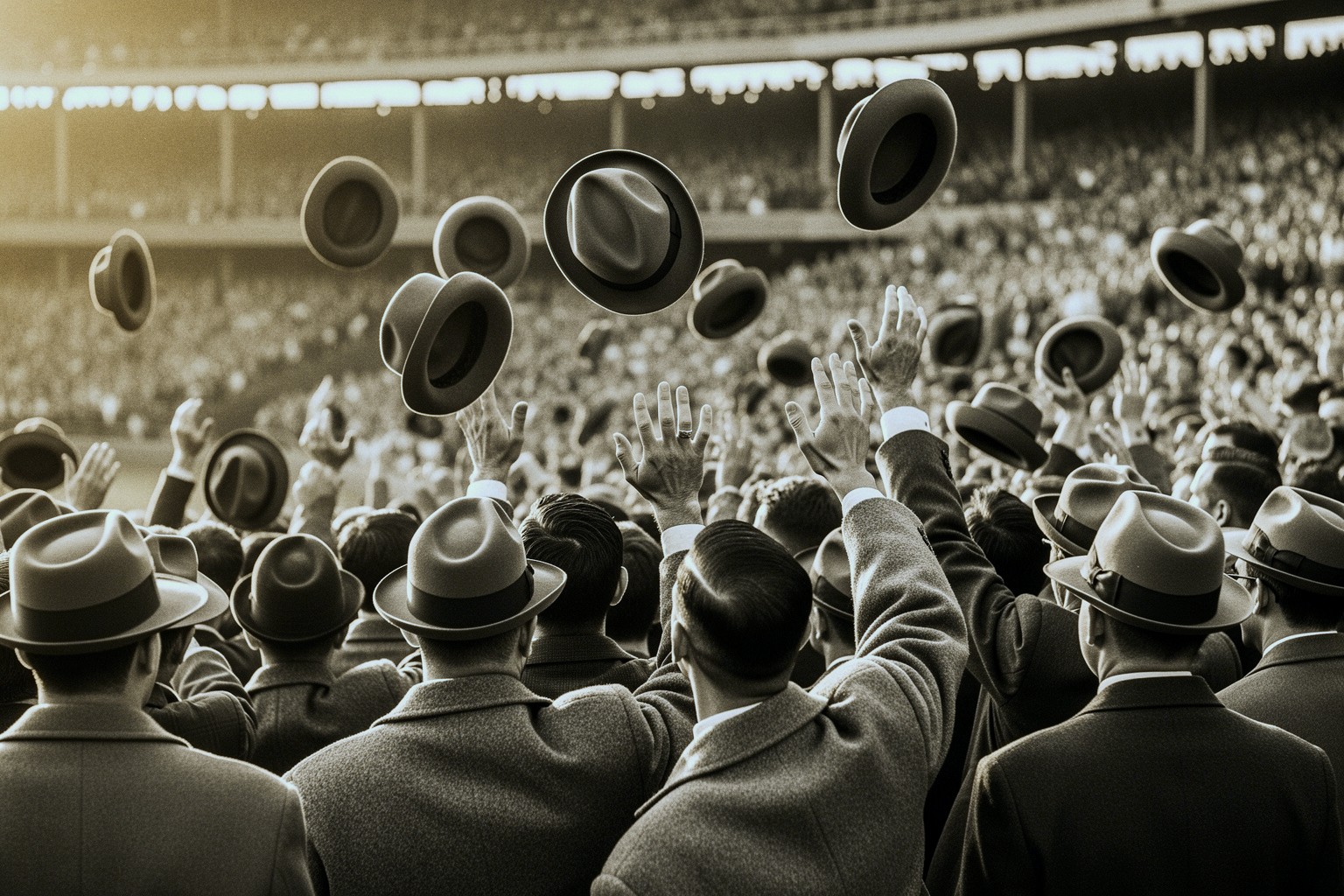
On October 8, 1908, the New York Giants and the Chicago Cubs played a game that should not have existed. It was a replay at the Polo Grounds, ordered because a game two weeks earlier had ended without a winner. The pennant rode on it.
On September 23, with the score tied in the ninth, New York's Fred Merkle, a 19-year-old rookie, stood on first. A single sent the apparent winning run home. Merkle, seeing fans pour onto the field, turned for the clubhouse without touching second. Chicago's Johnny Evers called for the ball and stepped on the bag. The umpire ruled Merkle out on a force play, the run did not count, and with the field overrun the game was left a tie.
The teams finished the season level. So they met again. The Cubs won 4-2, with Mordecai Brown pitching in relief against Christy Mathewson, and took the pennant.
Merkle had done what players routinely did. Runners regularly left the field without touching the next base on a game-ending hit, and the rule had almost never been enforced.
The Cubs went on to win the World Series that month. Merkle played in the majors until 1926, and the papers kept calling him Bonehead.
Checked against: Contemporary New York and Chicago newspaper accounts; National League records; Baseball Hall of Fame archives; standard baseball histories of the 1908 pennant race
The first implanted pacemaker failed within hours. Its patient lived 43 more years.
Illustration generated by AI for The Day Vault.
On October 8, 1958, surgeon Åke Senning opened the chest of Arne Larsson at the Karolinska Hospital in Stockholm and fitted the first fully implanted heart pacemaker. Larsson was 43. A heart block had slowed his pulse so badly that he collapsed many times a day.
The device came from engineer Rune Elmqvist. It held two transistors and a rechargeable battery, topped up from outside the body by induction through the skin. Elmqvist sealed it in epoxy resin. The finished unit was about the size of a hockey puck.
The doctors had wanted more time for animal tests. Larsson's wife, Else-Marie, pressed them to go ahead. Without the operation, she argued, her husband would not survive long enough to benefit from caution.
The first unit failed within hours, and Senning had to put in a replacement.
Larsson went through more than twenty pacemakers in the decades that followed. He outlived both Elmqvist and Senning, and died in 2001 at 86 of an unrelated illness.
Checked against: Histories of cardiac pacing in cardiology journals; Karolinska Institute institutional history; obituaries of Arne Larsson, Åke Senning and Rune Elmqvist; medical-device history references
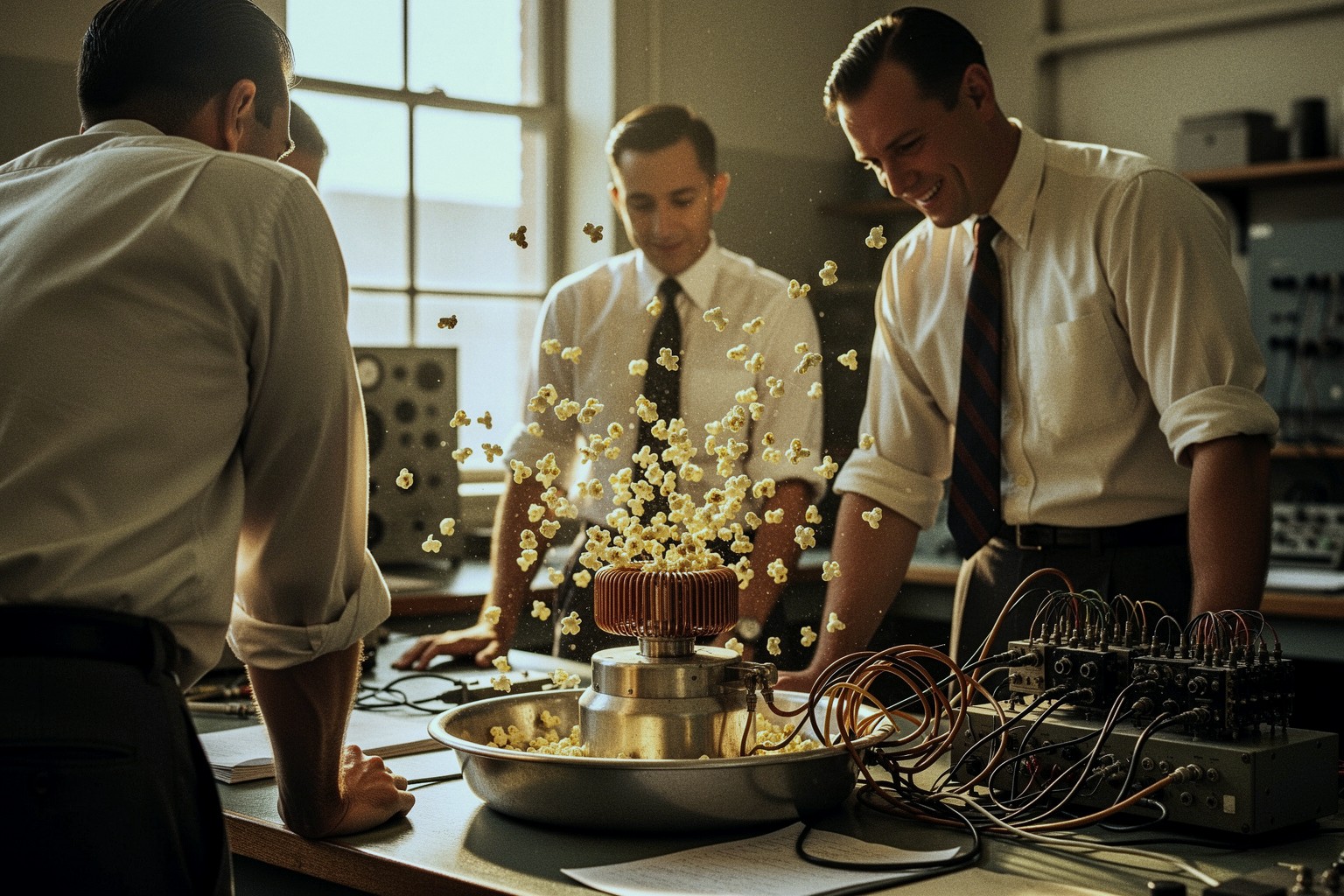
The candy bar melted. The countertop took twenty-two years.
Illustration generated by AI for The Day Vault.
On October 8, 1945, Raytheon filed a patent application for cooking food with microwaves. The engineer behind it was Percy Spencer, who had spent the war mass-producing magnetrons, the tubes that powered Allied radar.
The story Raytheon tells is that Spencer stood near a working magnetron and found the candy bar in his pocket had gone soft. He tried popcorn kernels next. They popped. The heat came from the beam itself, not from a flame or a glowing element.
Raytheon turned the idea into a machine called the Radarange and put it on sale in 1947. It stood about as tall as a refrigerator, weighed hundreds of pounds and needed its own plumbing to keep the tube cool.
It was a new way to cook that would not fit in a kitchen.
So it went where the kitchens were big: restaurants, ships' galleys, railway dining cars. A countertop model that plugged into an ordinary wall socket reached homes in 1967, twenty-two years after the patent, still carrying the Radarange name.
Checked against: US patent records; Raytheon corporate histories; Smithsonian and technology-history accounts of early microwave ovens; obituaries of Percy Spencer