On October 11, 1776, an American fleet built in a hurry met the Royal Navy on Lake Champlain, in the channel between Valcour Island and the New York shore. Benedict Arnold commanded it: gunboats, galleys and flat-bottomed gundalows, hammered together that summer from green timber by shipwrights brought up from the coast.
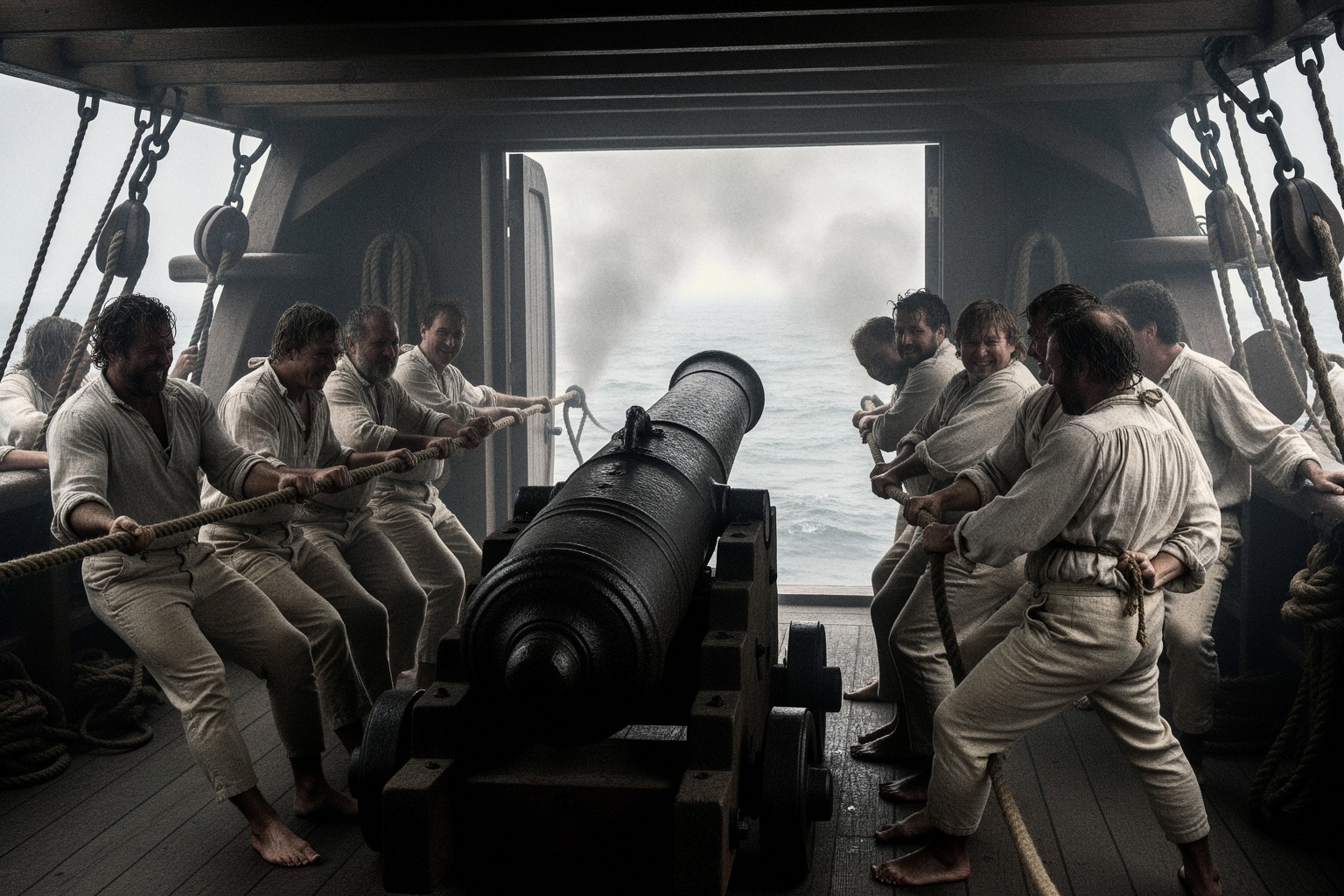
The British had spent the summer building too, including a three-masted warship taken apart, carried past river rapids and put back together. Their guns badly outmatched Arnold's. By dusk the gundalow Philadelphia was on the bottom and most of the American line was shot through.
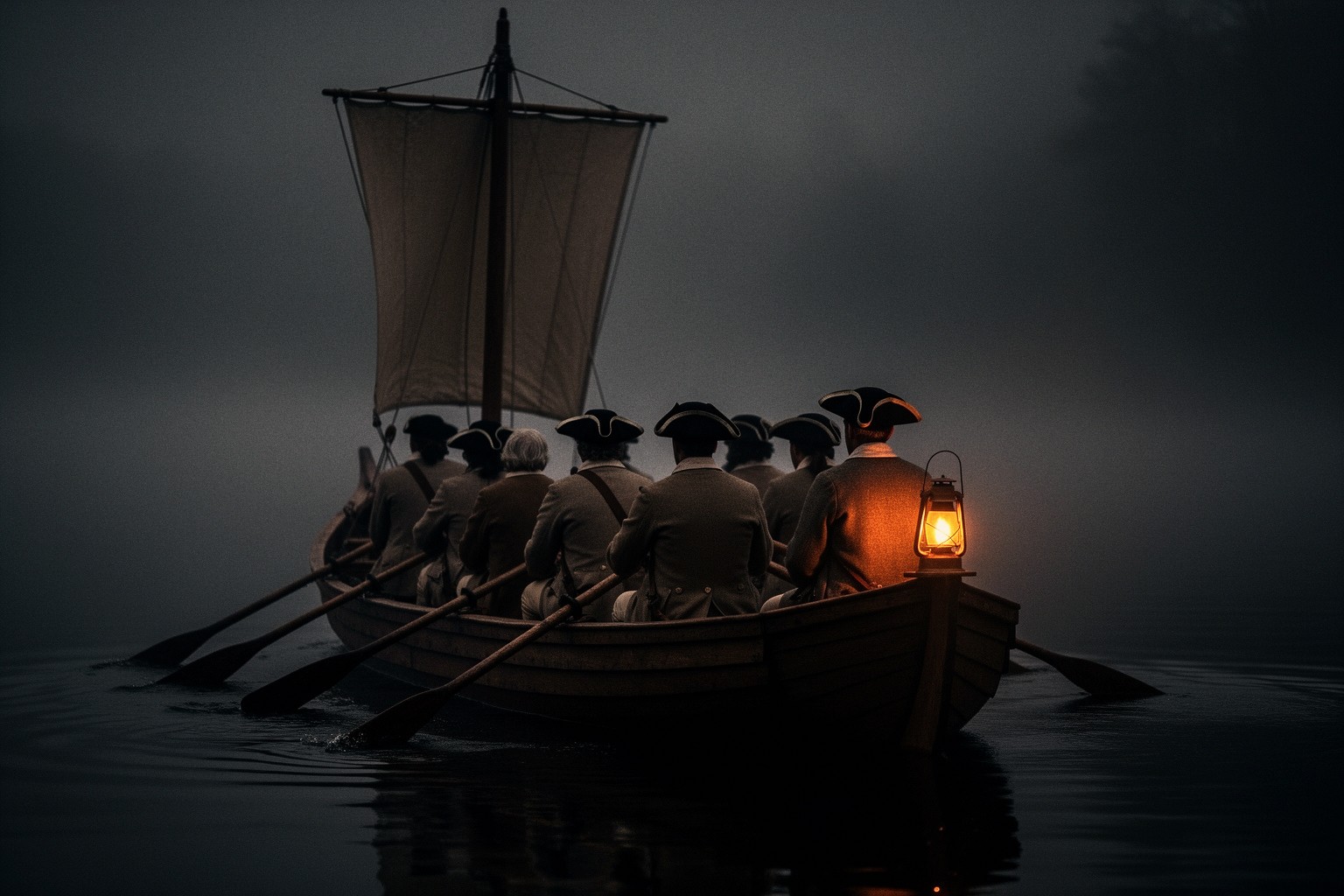
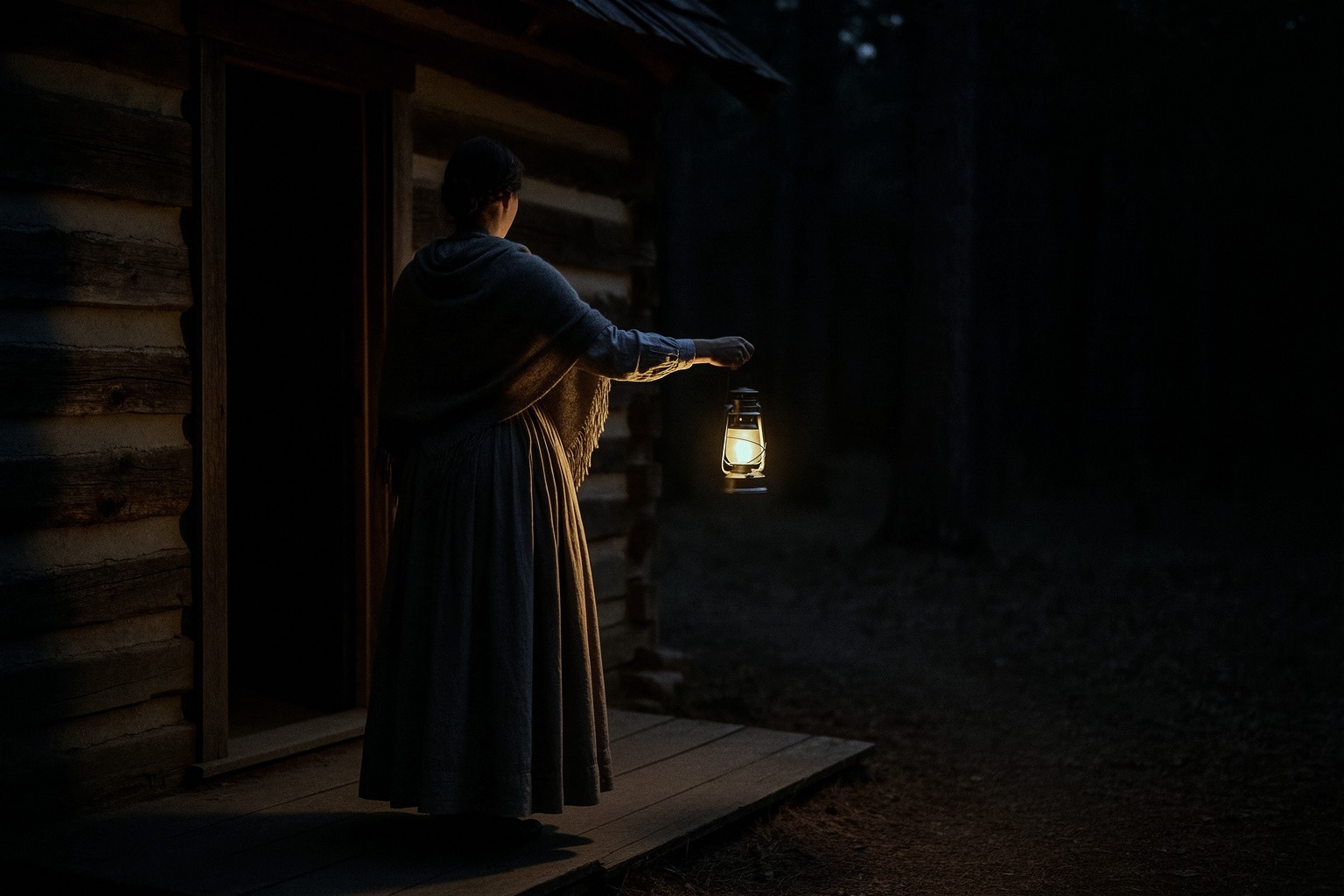
That night, in fog, the Americans rowed single file past the British, each boat following a shaded lantern on the stern ahead. Two days later the British caught them anyway. Arnold ran his last boats aground, set them on fire and led the crews home on foot.
By any count it was a defeat, and it was also exactly what the Americans needed.
Building that British fleet had eaten the summer. With winter coming, Guy Carleton pulled his army back to Canada, and the invasion waited until 1777, when it marched south again and surrendered at Saratoga.
Checked against: Standard histories of the 1776 Lake Champlain campaign; Continental Army and Royal Navy correspondence and logs; Smithsonian National Museum of American History records on the raised gundalow Philadelphia; National Park Service and Lake Champlain Maritime Museum materials
They nearly gave up the bomb. One word got in the way.
Illustration generated by AI for The Day Vault.
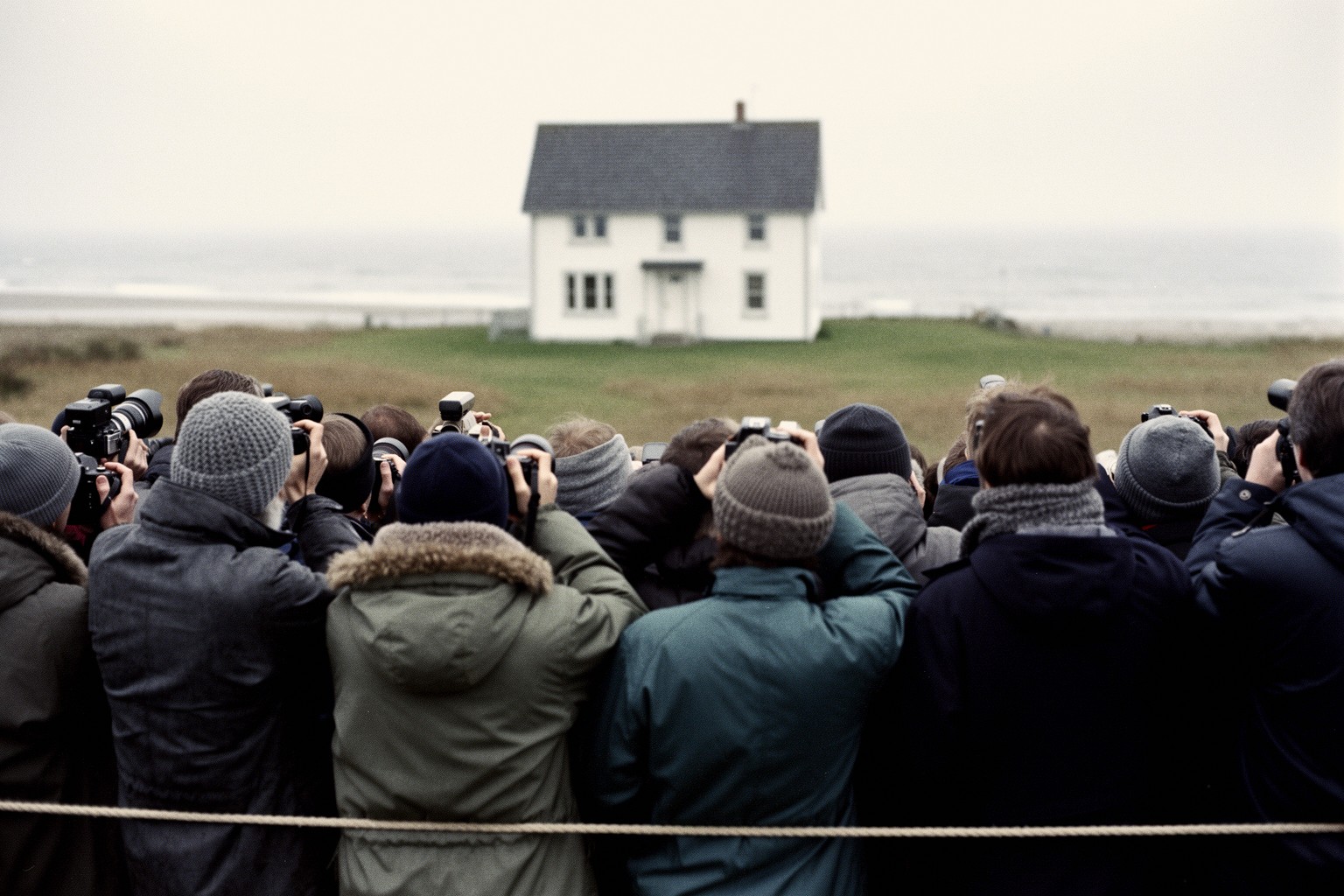
On October 11, 1986, the leaders of the United States and the Soviet Union sat down in Höfði House, a white wooden villa on the shore at Reykjavik. The meeting had been arranged in about ten days. Iceland was chosen because it sat roughly halfway between Washington and Moscow.
It was billed as a preparatory chat. It became something much larger. Over two days the two delegations talked about deep cuts to long-range missiles, then about eliminating ballistic missiles, and at one point about getting rid of nuclear weapons altogether. Aides worked through the night between sessions, drafting terms that would have been unthinkable a year earlier.
Reporters from around the world waited outside in the Icelandic cold, expecting a routine communiqué. Instead, word leaked that the superpowers were bargaining over the end of the arms race.
It collapsed over a single word: the Soviets wanted American missile-defence research confined to the laboratory, and the American side refused.
The talks ended on October 12 with no agreement and grim faces at the press conferences. But the numbers floated in that villa did not disappear. Fourteen months later the two countries signed the INF Treaty, which eliminated an entire class of nuclear missiles.
Checked against: State Department and Soviet declassified summit transcripts; memoirs of officials present; contemporary newspaper and wire coverage; diplomatic histories of the late Cold War
Fourteen men asked the questions. The voters answered a year later.
Illustration generated by AI for The Day Vault.
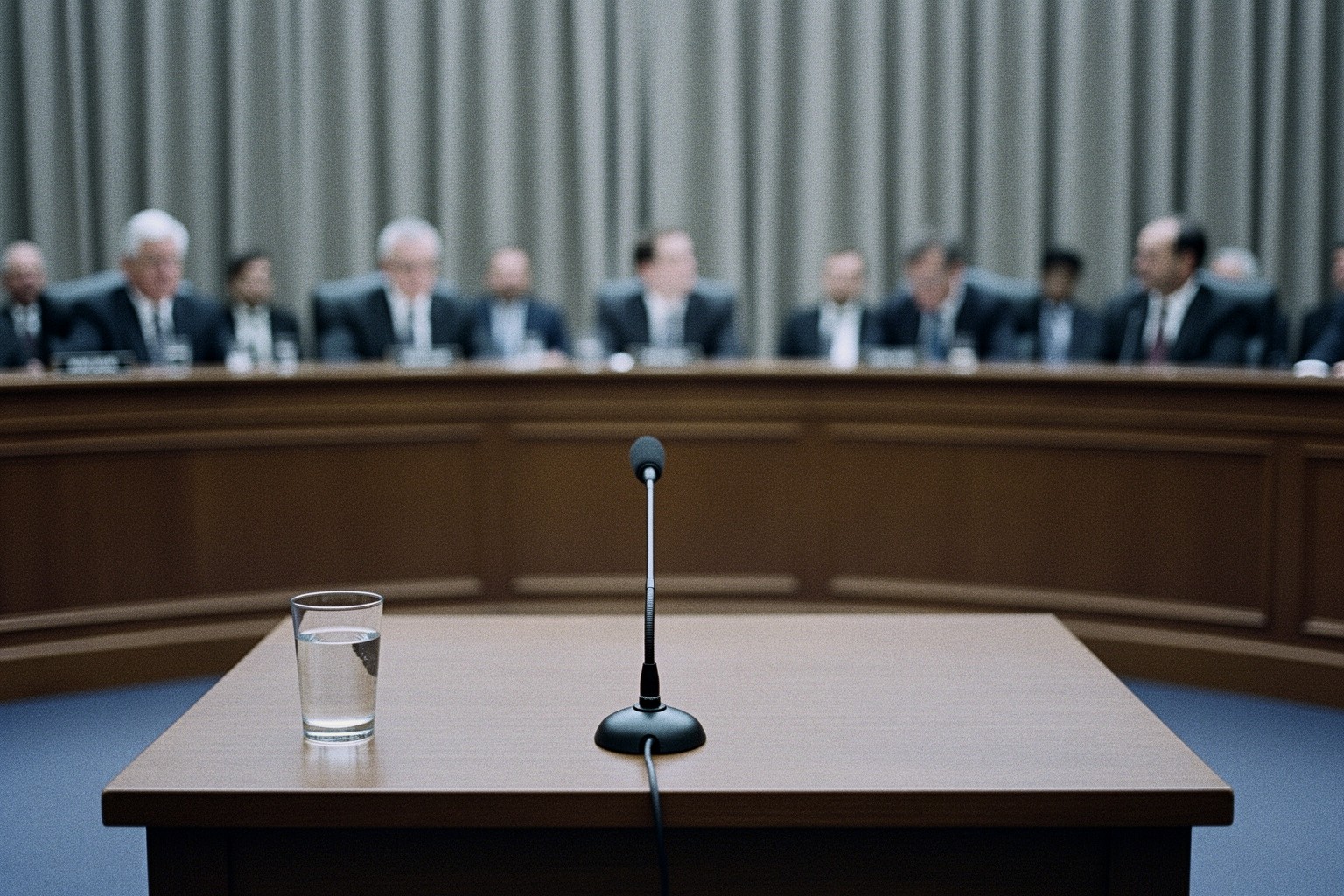
On October 11, 1991, law professor Anita Hill sat before the Senate Judiciary Committee and testified that Clarence Thomas, nominated to the Supreme Court, had sexually harassed her when she worked for him at two federal agencies.
The hearing was televised nationally. Hill answered questions for most of the day, some of them about explicit details she had to repeat aloud. Every senator on the committee was a white man. Thomas returned that evening and called the proceedings a high-tech lynching.
Millions watched the hearing. Women who had never run for anything began to say, in public, that the people asking the questions looked nothing like the people they were asking about.
Four days later the Senate confirmed Thomas anyway, 52 to 48, and he took his seat on the Court.
In November 1992, voters sent four new women to the Senate, and in 1993 the Judiciary Committee seated its first two female members.
Checked against: Senate Judiciary Committee hearing transcripts; Congressional Record roll-call vote of October 15, 1991; contemporary national newspaper and broadcast coverage; Senate Historical Office records on women senators
On 11 October 1797, a British fleet under Admiral Adam Duncan broke through the Dutch line off Camperdown, on the coast of Holland. By evening Duncan held the Dutch flagship and its commander, Admiral Jan de Winter.
That spring, the Royal Navy had nearly stopped working. Crews at Spithead refused to sail until their pay and food improved. At the Nore, in the Thames estuary, sailors hoisted the red flag and blockaded London's shipping. The mutiny spread to Duncan's North Sea fleet at Yarmouth, and ship after ship left him to join it.
Duncan sailed anyway. Off the Dutch naval base at Texel he kept watch with two ships, Venerable and Adamant, while the Dutch fleet waited for its chance to support an invasion of Britain. He sent signals out to an empty horizon, as if a fleet stood just beyond view. The Dutch stayed in port. By autumn the mutiny was over, its leaders hanged, and Duncan's fleet was back at full strength.
The crews who broke the Dutch line at Camperdown included many of the same men who had refused their officers' orders five months earlier.
Duncan was made a viscount. Two years later, what remained of the Dutch fleet surrendered to the British without firing a shot.
Checked against: Royal Navy and Admiralty records, ships' logs, standard naval histories of the French Revolutionary Wars, histories of the 1797 Spithead and Nore mutinies, Dutch naval histories
Two shots in the night, one witness. Her story kept changing.
Illustration generated by AI for The Day Vault.
On October 11, 1809, Meriwether Lewis died at Grinder's Stand, a log inn on the Natchez Trace in Tennessee. He was 35, three years back from the Pacific, and governor of Upper Louisiana.
He had been riding east to Washington to argue over expense claims the government refused to pay. He was in debt and drinking. The men travelling with him reported that he had been agitated for weeks, and at a fort on the Mississippi he had been kept under watch.
In the night, the innkeeper's wife heard gunshots. By morning Lewis was dead from wounds to the head and chest. Thomas Jefferson and William Clark, the two men who knew him best, accepted that he had killed himself.
But the only witness, Priscilla Grinder, told the story differently each time she was asked, and the details drifted for years.
In 1848, a Tennessee committee building his grave monument wrote that murder seemed the more likely explanation. Descendants have since asked to exhume the body; the National Park Service has declined. He still lies under a broken stone column beside the Trace, and the question lies there with him.
Checked against: Jefferson's and Clark's correspondence; Alexander Wilson's 1810 letter recounting Priscilla Grinder's account; the 1848 Tennessee legislative committee report; National Park Service records for the Natchez Trace Parkway; standard biographies of Lewis.
On October 11, 1962, more than two thousand bishops in white mitres processed through St Peter's Square and into the basilica. The Second Vatican Council, the Catholic Church's first general council in nearly a century, had begun.
It was the idea of John XXIII, elected in 1958 at the age of 76. Many observers expected the cardinals had chosen a caretaker after the long reign of Pius XII. Within three months he announced a council, catching his own curia off guard. In his opening address he rejected the 'prophets of doom' who saw only ruin in the modern world.
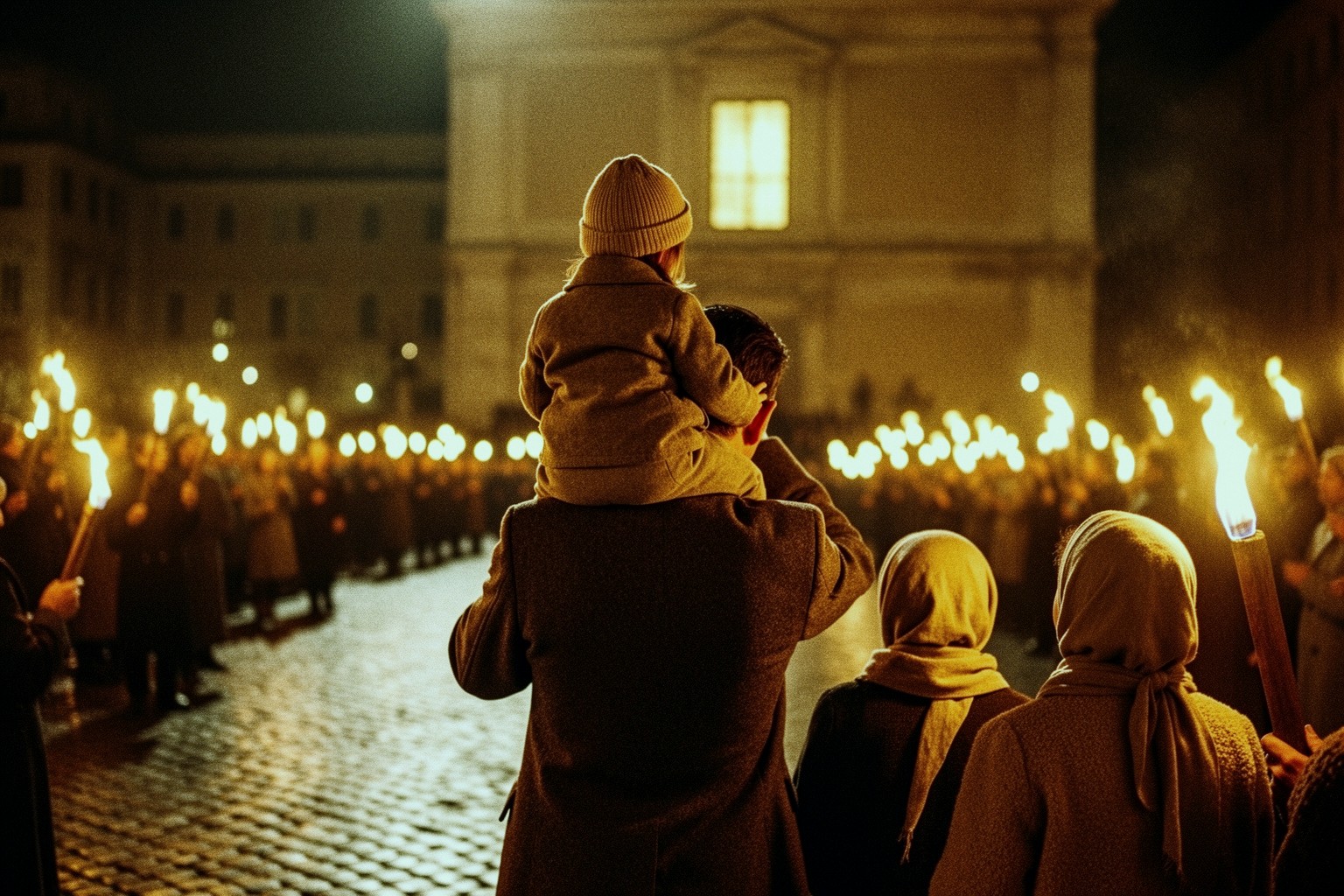
That evening a crowd carrying torches filled the square. He came to his window and spoke without a script, telling them to go home and give their children a caress from the pope. Romans still call it the moonlight speech.
He already knew he would not see the end of it. Doctors had found stomach cancer weeks before the opening.
He died in June 1963, after a single session. The council met for three more autumns without him and closed in December 1965 under his successor. By then it had opened the way for Mass in the local language in parishes across the world.
Checked against: Official Vatican records of the council's sessions, published texts of the opening address, contemporary press reports from Rome, and standard biographies of John XXIII and histories of the Second Vatican Council.
She died on the Riviera. Paris was told otherwise.
Illustration generated by AI for The Day Vault.
On October 11, 1963, French radio announced that Édith Piaf had died in her Paris apartment on the Boulevard Lannes. She was 47. Her voice had carried France through the war and the lean years after it.
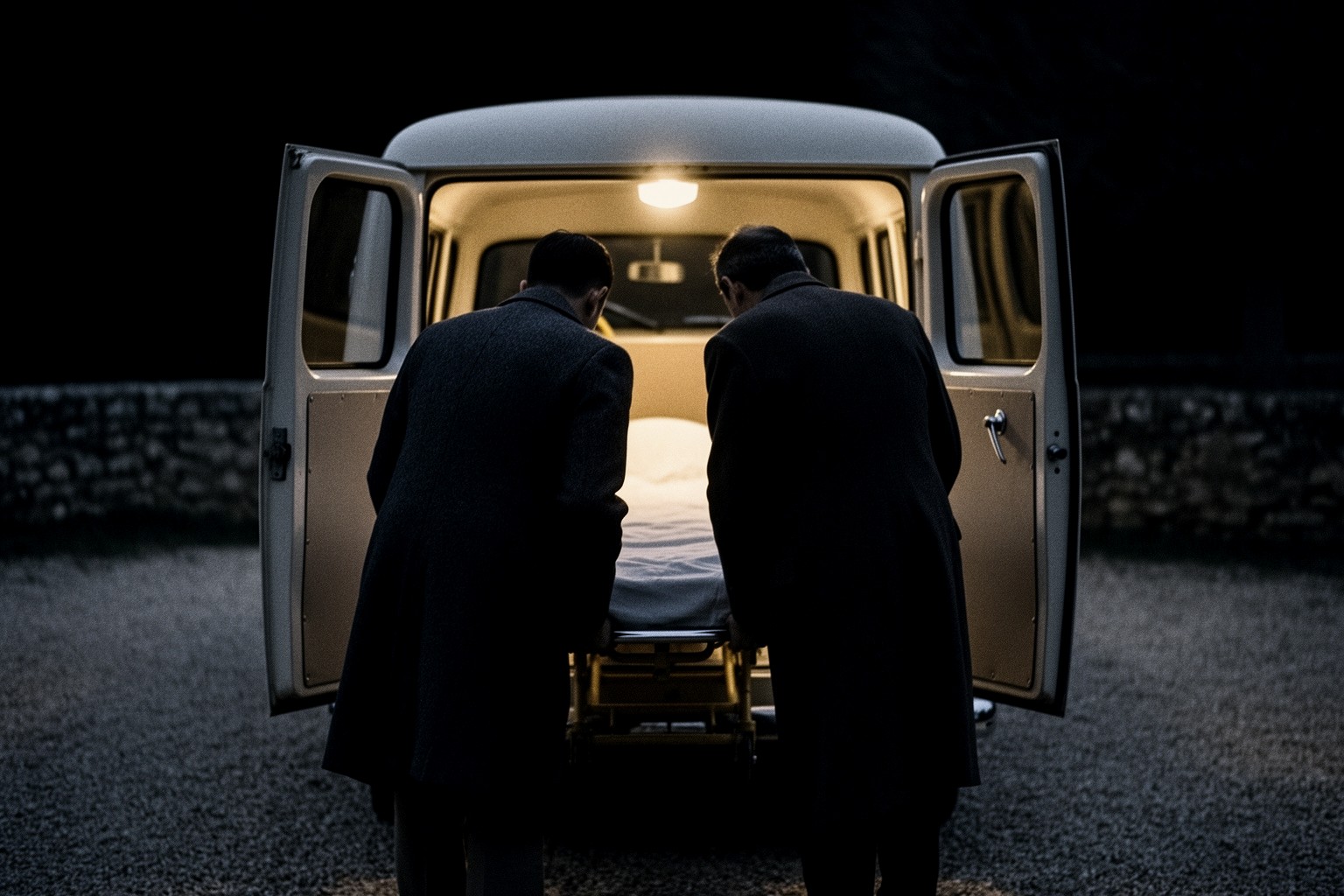
She had not died there. She had died the day before, at a villa near Grasse on the Riviera, after months of failing health. Her husband, Théo Sarapo, and the people around her had her body driven through the night to Paris, so the city could believe she had died at home. The official record was made to match.
The news moved fast. Jean Cocteau, her friend, who had written a play for her, died at his house outside Paris that same day. Newspapers ran the two deaths side by side.
Paris got the homecoming her circle had staged, but the Archbishop of Paris, judging her private life, refused her a funeral Mass.
On October 14 she was buried at Père Lachaise without one, and the crowds that followed her coffin brought the city's traffic to a halt.
Checked against: French newspaper archives from October 1963; standard biographies of Piaf; contemporary radio and newsreel records; histories of postwar French popular song
On October 11, 1975, NBC broadcast the first episode of a late-night sketch show from Studio 8H at Rockefeller Center in New York. It went out live at 11:30 p.m. Eastern, something network television had largely stopped doing.
George Carlin hosted. He delivered monologues and stayed out of the sketches. Billy Preston and Janis Ian were the musical guests. Andy Kaufman stood beside a record player and mimed along to the Mighty Mouse theme, moving only for the chorus. The cast, billed as the Not Ready for Prime Time Players, included John Belushi, Gilda Radner and Chevy Chase.
Chase delivered the line that would open nearly every episode after it: "Live from New York, it's Saturday Night!" The producer was Lorne Michaels, who was thirty.
But the show could not use the name everyone now knows. ABC owned Saturday Night Live. Weeks earlier it had launched a variety hour with that title, hosted by the sportscaster Howard Cosell.
So NBC's show went out as NBC's Saturday Night. Cosell's version was cancelled in January 1976, and in 1977 NBC claimed the title for itself.
Checked against: NBC network archives and broadcast logs; contemporary television listings and newspaper reviews; published oral histories and production histories of the show; Museum of Broadcast Communications reference entries
On October 11, 2003, Game 3 of the American League Championship Series at Fenway Park turned into one of baseball's ugliest afternoons. The Boston Red Sox and New York Yankees were tied at a game apiece, and the rivalry was already running hot.
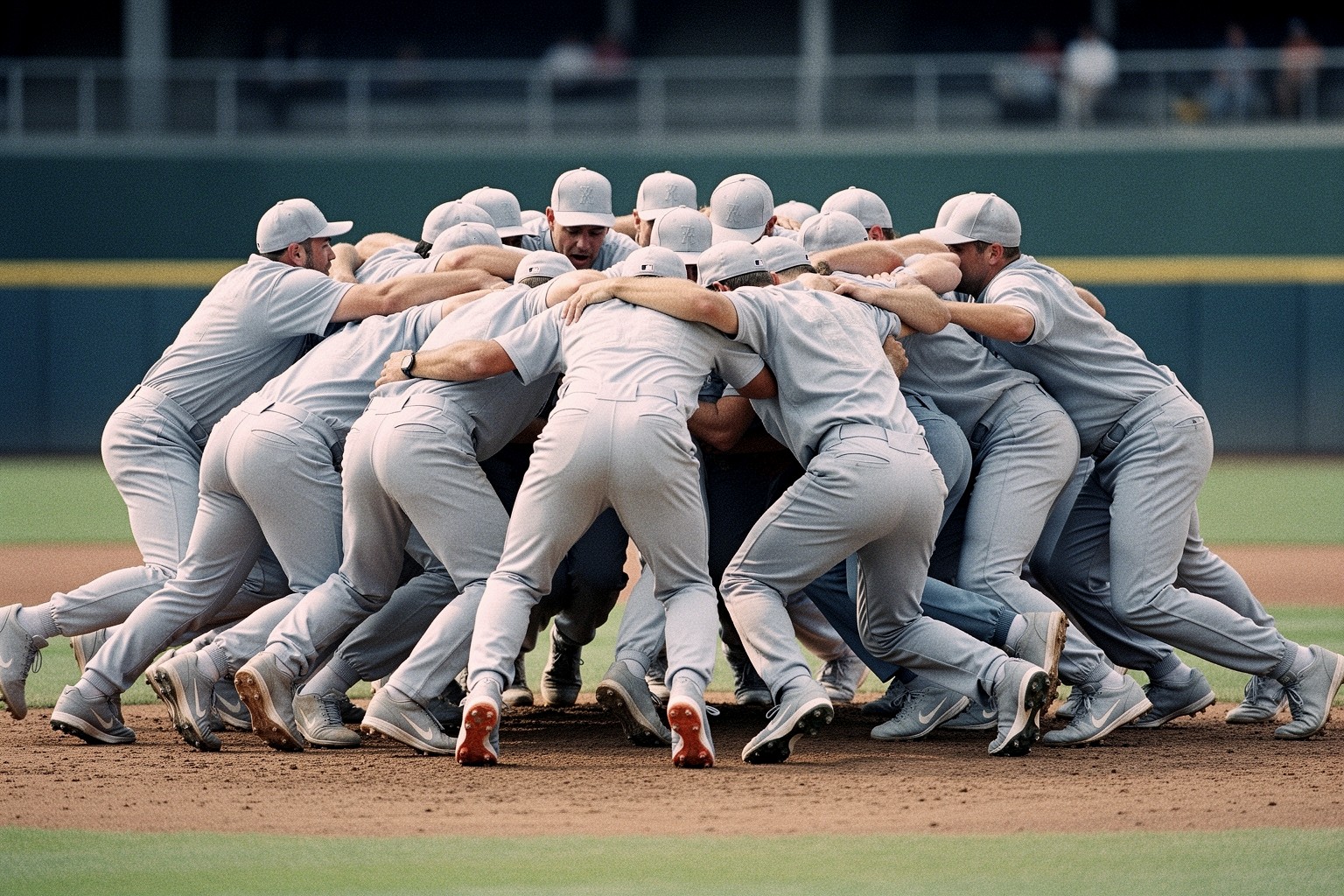
In the fourth inning, Boston's Pedro Martinez hit Yankees outfielder Karim Garcia with a pitch. Words flew. An inning later, a high pitch from New York's Roger Clemens to Manny Ramirez emptied both benches onto the field.
Out of the crowd of players came Don Zimmer, the Yankees' 72-year-old bench coach, running at Martinez. Martinez grabbed him by the head and pulled him to the turf. Zimmer lay on the grass while trainers knelt over him. Later in the game, two Yankees scuffled with a Fenway groundskeeper in the bullpen.
The next morning it was Zimmer, the old man who had been thrown to the ground, who stood before reporters and apologised, in tears.
The Yankees won that game 4-3 and took the series in extra innings of Game 7. Zimmer, after decades in the dugout, left the club when the season ended.
Checked against: Major League Baseball game records and league disciplinary announcements; contemporaneous newspaper and wire coverage of the 2003 ALCS; broadcast footage of Game 3.
The spacecraft passed every test. The crew caught a cold.
Illustration generated by AI for The Day Vault.
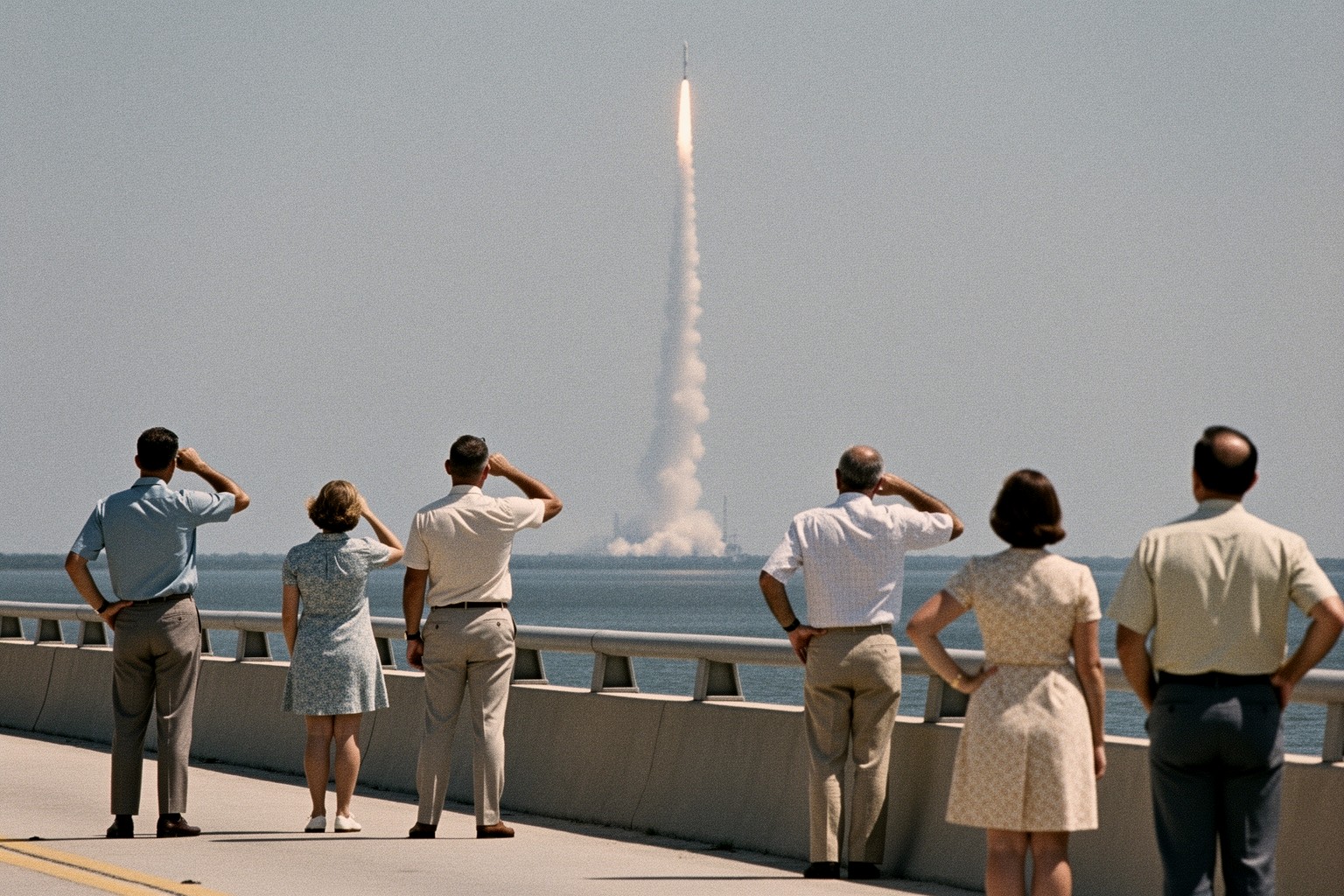
On October 11, 1968, a Saturn IB rocket lifted three men off Cape Kennedy on the first crewed Apollo flight. It came 21 months after a fire inside a capsule on the launch pad killed the Apollo 1 crew during a ground test.
Apollo 7 was a shakedown cruise. Wally Schirra, Donn Eisele and Walter Cunningham spent nearly eleven days in Earth orbit testing the redesigned command module. They fired its main engine eight times, practised closing in on their spent rocket stage, and sent down the first television pictures from an American spacecraft.
The hardware performed almost flawlessly. Engineers had rebuilt the hatch, the wiring and the cabin atmosphere, and all of it held.
The crew did not hold up as well. Schirra came down with a head cold early in the flight, the other two soon caught it, and the three spent much of the mission snapping at Mission Control over schedule changes and extra tasks.
They refused to wear their helmets for reentry so they could hold their noses and clear their blocked ears. The flight proved Apollo was ready, and NASA sent the next crew around the Moon that December. Eisele and Cunningham never flew in space again.
Checked against: NASA mission reports and history office publications on Apollo 7, astronaut oral histories and memoirs, contemporary newspaper and wire coverage of the flight
The ex-president flew and waved. His pilot had weeks left.
Illustration generated by AI for The Day Vault.
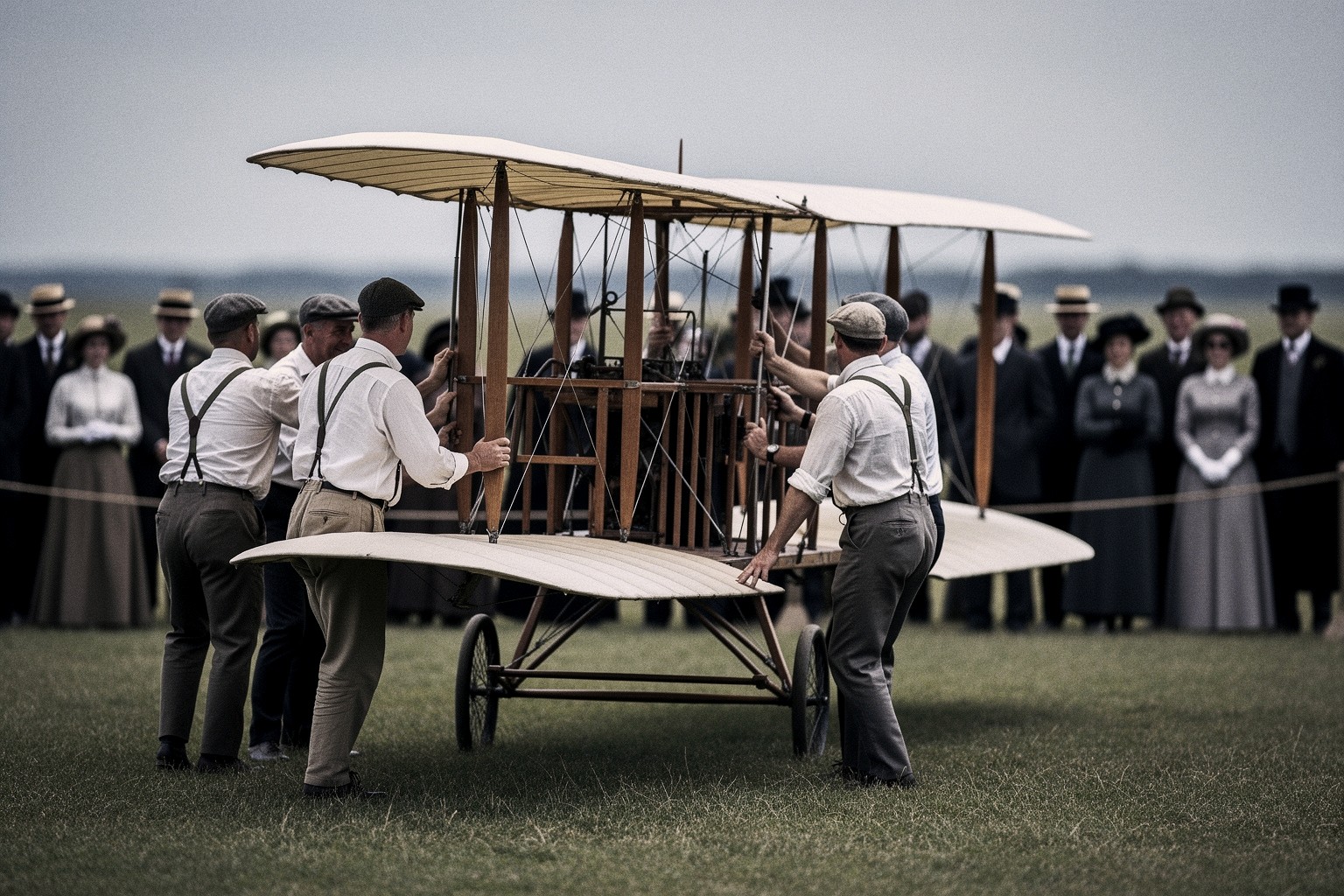
On October 11, 1910, Theodore Roosevelt became the first American president, sitting or former, to fly in an airplane. He was eighteen months out of office and touring Missouri when he stopped at Kinloch Field outside St. Louis.
The machine was a Wright biplane: an open frame of spruce, wire and fabric, with no cabin and no walls. The pilot was Arch Hoxsey, one of the Wright brothers' exhibition flyers. Roosevelt took the seat beside him in a business suit. The crowd had come for an air show and got a former president instead.
They circled the field for a few minutes. Roosevelt, never a still man, waved to the people below, and Hoxsey had to hold the fragile craft steady with a passenger who would not sit quietly. They landed safely. The newspapers loved it.
Exhibition flying in 1910 was a job that killed the people who did it, and Hoxsey had less than three months to live.
On December 31, at an air meet near Los Angeles, his biplane fell from the sky and he died in the wreck. That same day, near New Orleans, another star of the exhibition circuit, John Moisant, was killed in a crash of his own.
Checked against: Contemporary St. Louis and national newspaper reports; Wright brothers exhibition team records; biographies of Theodore Roosevelt; early aviation histories