The speech was long, which turned out to be the lucky part
Illustration generated by AI for The Day Vault.
On October 14, 1912, a man named John Schrank shot Theodore Roosevelt in the chest outside the Gilpatrick Hotel in Milwaukee. The former president was running for a third term on the Progressive ticket and was on his way to address a crowd at the city auditorium.
Bystanders tackled the gunman. Roosevelt put a hand to his mouth, coughed, and saw no blood. He decided the bullet had not reached his lung, refused to go to a hospital, and told his driver to take him to the hall.
On stage he told the audience he had just been shot. He opened his coat to show the stained shirt. Then he spoke for roughly an hour and a half, sometimes pausing to steady himself, before aides finally got him to a doctor.
The bullet had passed through a steel eyeglass case and the manuscript of that evening's speech, about fifty pages, folded double in his breast pocket. A shorter speech might not have stopped it.
Surgeons found it lodged in the muscle of his chest wall and judged it safer to leave it there. Roosevelt lost the election three weeks later and carried the bullet until he died in 1919.
Checked against: Contemporary newspaper reports from Milwaukee and national dailies; Roosevelt's published speeches; major Roosevelt biographies; museum holdings of the eyeglass case and pierced manuscript.
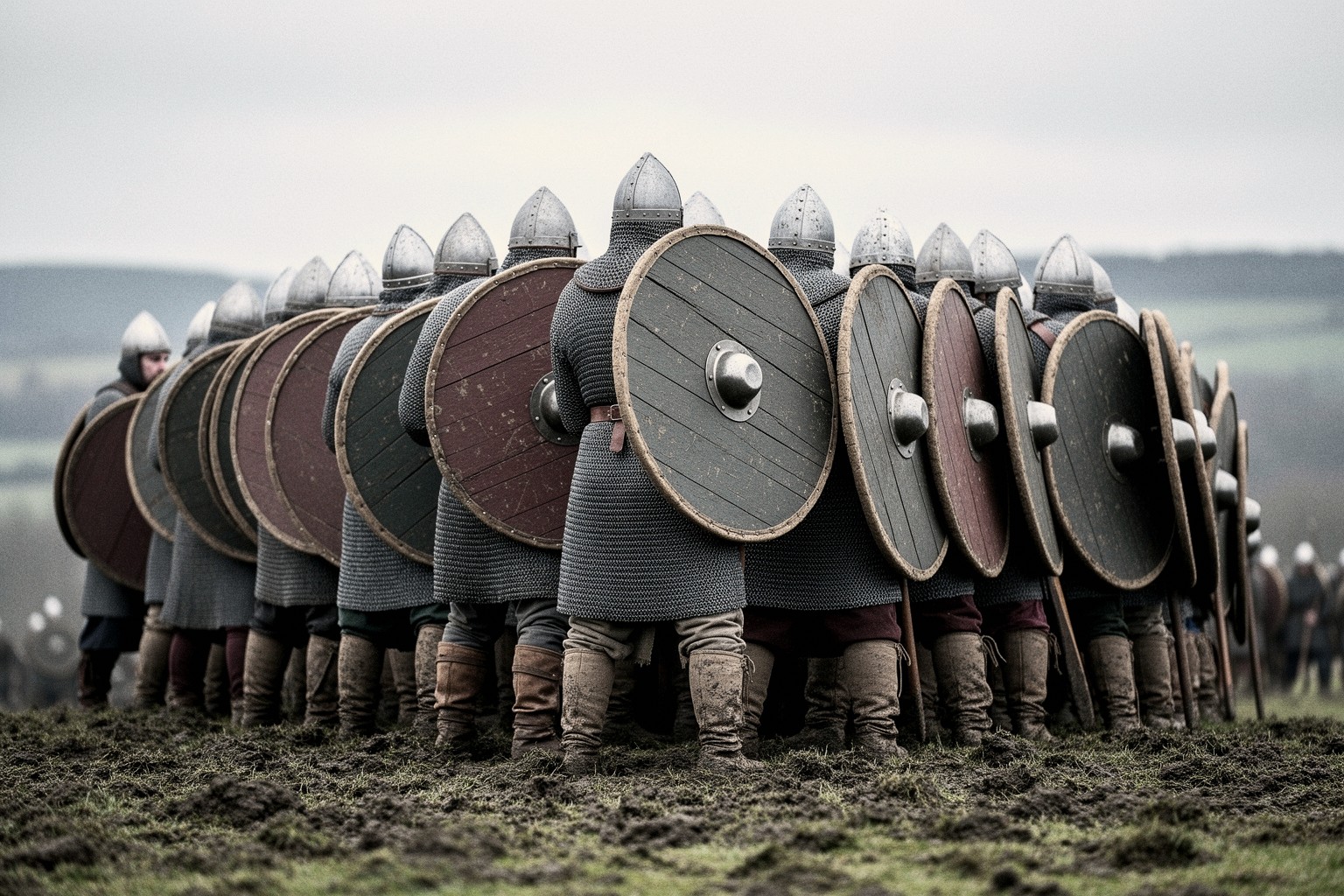
On October 14, 1066, two armies met on a ridge about seven miles from Hastings. King Harold II of England held the high ground with a wall of overlapping shields. Duke William of Normandy had archers, infantry and mounted knights, and the job of getting them up the slope.
The fighting went on for most of the day, a long time for a battle of that era. The shield wall held against charge after charge. Norman chroniclers say some English soldiers broke ranks to chase retreating horsemen and were cut down on open ground. Each time, the line grew thinner.
By evening Harold was dead, along with his brothers Gyrth and Leofwine. The English army came apart around them.
Harold's men were worn out because they had already won. Nineteen days earlier, at Stamford Bridge near York, they had destroyed a Norwegian invasion and killed its king, Harald Hardrada. Then they marched the length of England to meet William.
With the king and both brothers gone, no grown leader remained to rally the survivors. The English lords submitted within weeks, and William was crowned in Westminster Abbey on Christmas Day.
Checked against: The Anglo-Saxon Chronicle; William of Poitiers' Gesta Guillelmi; the Bayeux Tapestry; modern academic histories of the Norman Conquest
On October 14, 1964, the Central Committee of the Soviet Communist Party removed Nikita Khrushchev from power. He had been summoned back from a Black Sea holiday the day before. He walked into a room of colleagues who had already agreed what would happen.
Mikhail Suslov, the party's chief ideologist, read out the charges: erratic decisions, failed farm schemes, the climbdown over missiles in Cuba. Khrushchev did not fight. Leonid Brezhnev took over the party and Alexei Kosygin the government. Two days later, Pravda told readers their leader had retired because of age and poor health.
Earlier struggles at the top of the Soviet state had ended differently. Stalin's rivals were exiled or shot. Lavrenty Beria, ousted in 1953, was executed before the year was out.
Khrushchev was not arrested, tried or killed. He got a pension, a Moscow flat and a dacha outside the city, a quiet exit made possible by his own years of loosening the terror.
He spent his retirement growing vegetables and talking into a tape recorder. The tapes reached the West, and in 1970 his memoirs were published in America while he was still alive to deny them.
Checked against: Biographies of Khrushchev, histories of the Soviet leadership, contemporary Soviet and Western press reports, published Central Committee plenum records
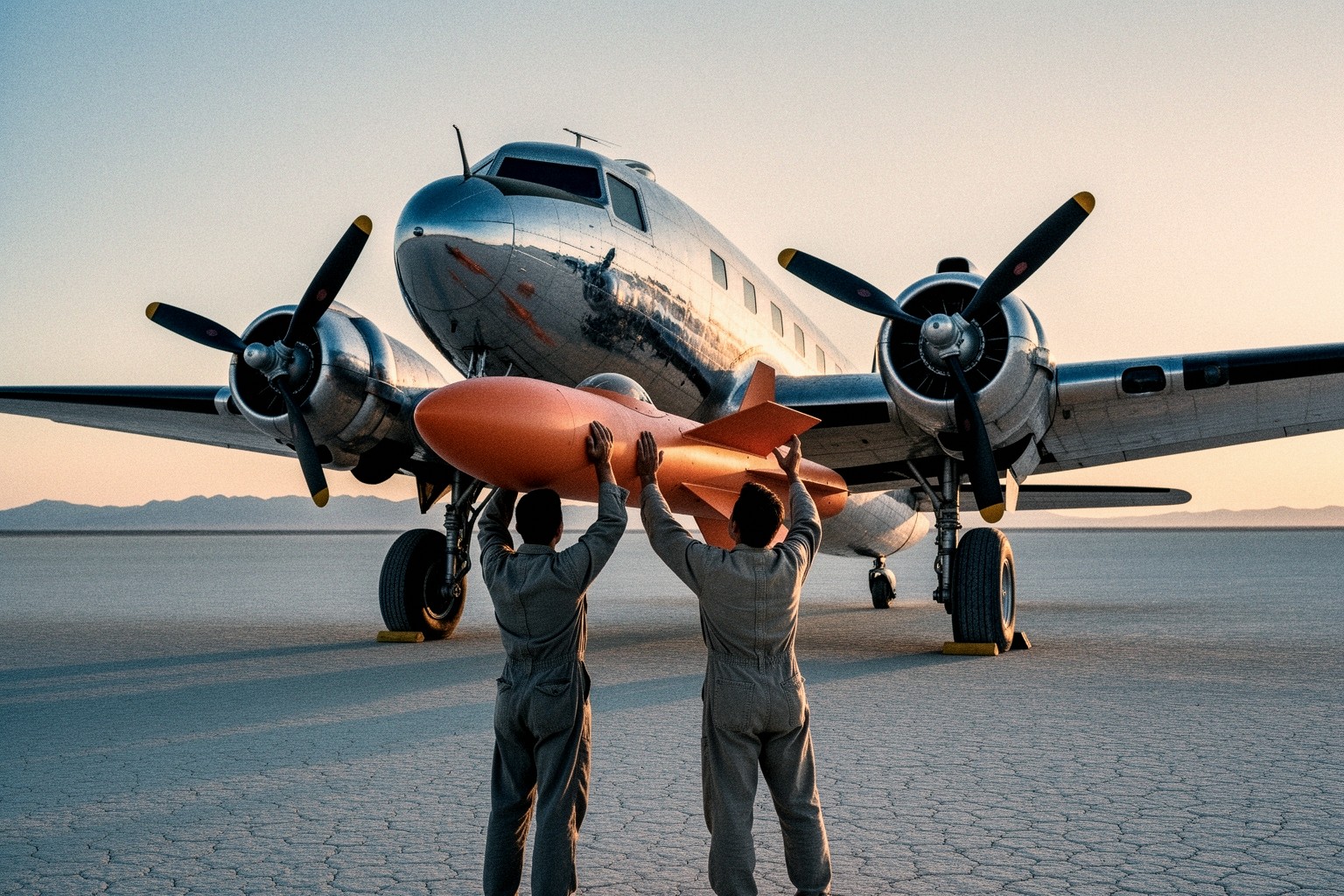
On October 14, 1947, Air Force Captain Chuck Yeager flew faster than sound. A bomber carried his orange rocket plane, the Bell X-1, high over the Mojave Desert and released it from the bomb bay. Yeager lit the rocket engine and climbed until the needle passed Mach 1.
He did it with two broken ribs. Two nights earlier he had fallen from a horse while riding in the dark. He told almost no one, fearing he would be pulled from the flight. The injury meant he could not reach across and latch the cockpit door. Engineer Jack Ridley sawed off a broom handle so Yeager could lever it shut with his good arm.
On earlier test runs the plane had shaken hard as it approached the speed of sound. This time, once it crossed over, the ride smoothed out. Below, on the desert floor, the ground crew heard the boom.
Then the military classified the whole thing.
A trade magazine leaked the story that December, and the government did not officially confirm it until June 1948. For eight months, the fastest man alive was an officer who was not allowed to say so.
Checked against: Military aviation histories, NASA and US Air Force historical office records, contemporary aviation press, the pilot's published memoir
He filmed his family for two seconds, then vanished from a train
Illustration generated by AI for The Day Vault.
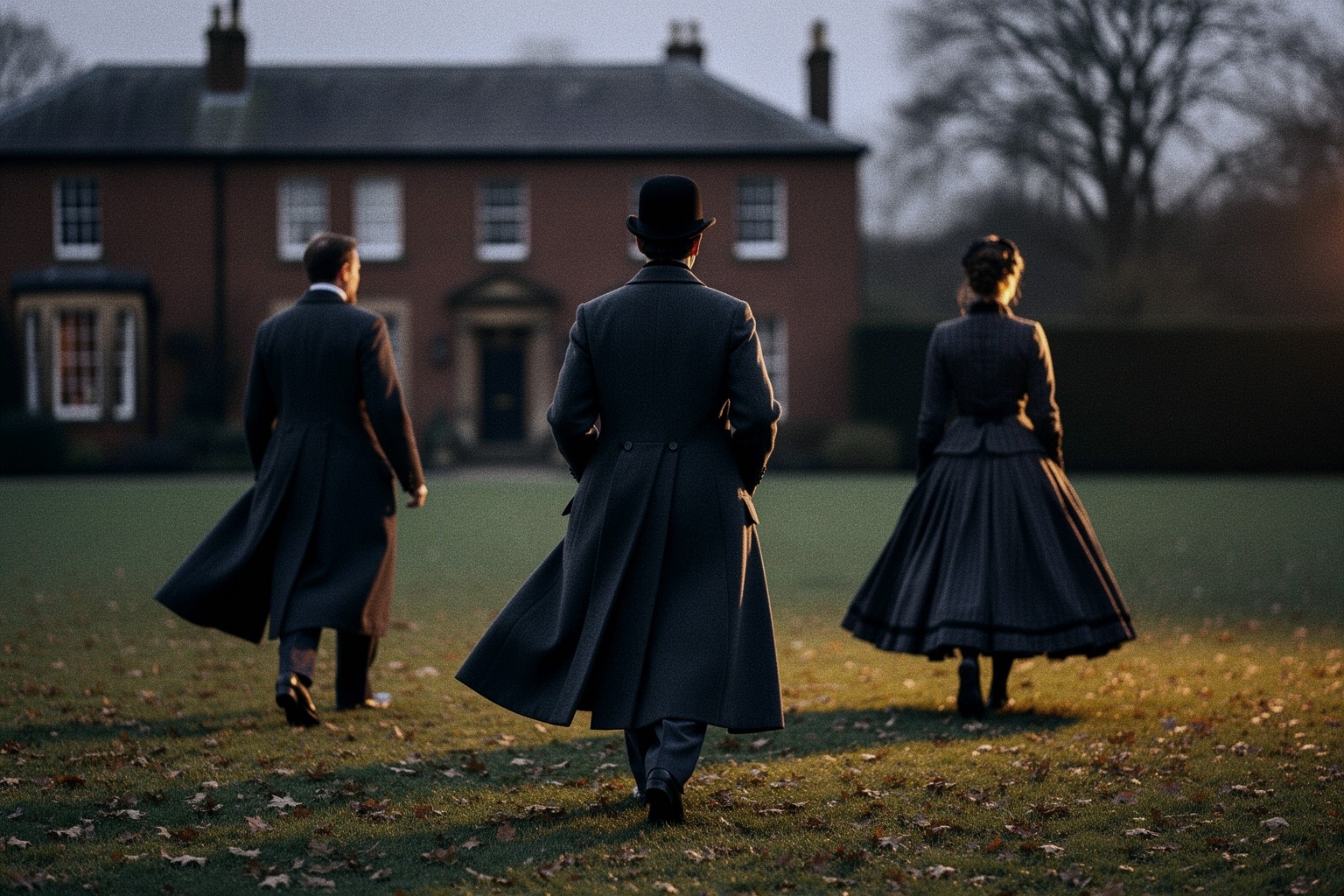
On October 14, 1888, Louis Le Prince stood in a garden in Roundhay, Leeds, and pointed a single-lens camera of his own design at four people on the lawn. They walked in loose circles, coats swinging. The film runs about two seconds. It is the oldest surviving motion picture.
Le Prince was a French inventor who had settled in Yorkshire. He had patented his camera in the United States and spent the next two years refining it, aiming for a public showing in New York. One of the walkers in the garden was his mother-in-law, Sarah Whitley. She died ten days after the filming.
In September 1890 he visited his brother in Dijon and boarded a train for Paris. His wife and children were waiting to sail with him to America, along with his machines.
He never reached Paris. Nobody found a body, his luggage, or anyone who saw him leave the train.
French police and his family searched for years. Within half a decade, Thomas Edison and the Lumière brothers were showing moving pictures to paying crowds, and Le Prince's two seconds of garden sat unseen. France declared him legally dead in 1897, seven years after the train left Dijon.
Checked against: US and British patent records; Leeds local archives; film-history scholarship and national film archive holdings; biographies of the inventor; contemporary French and British newspaper reports of the disappearance
Boston fled persecution, then wrote some of its own
Illustration generated by AI for The Day Vault.
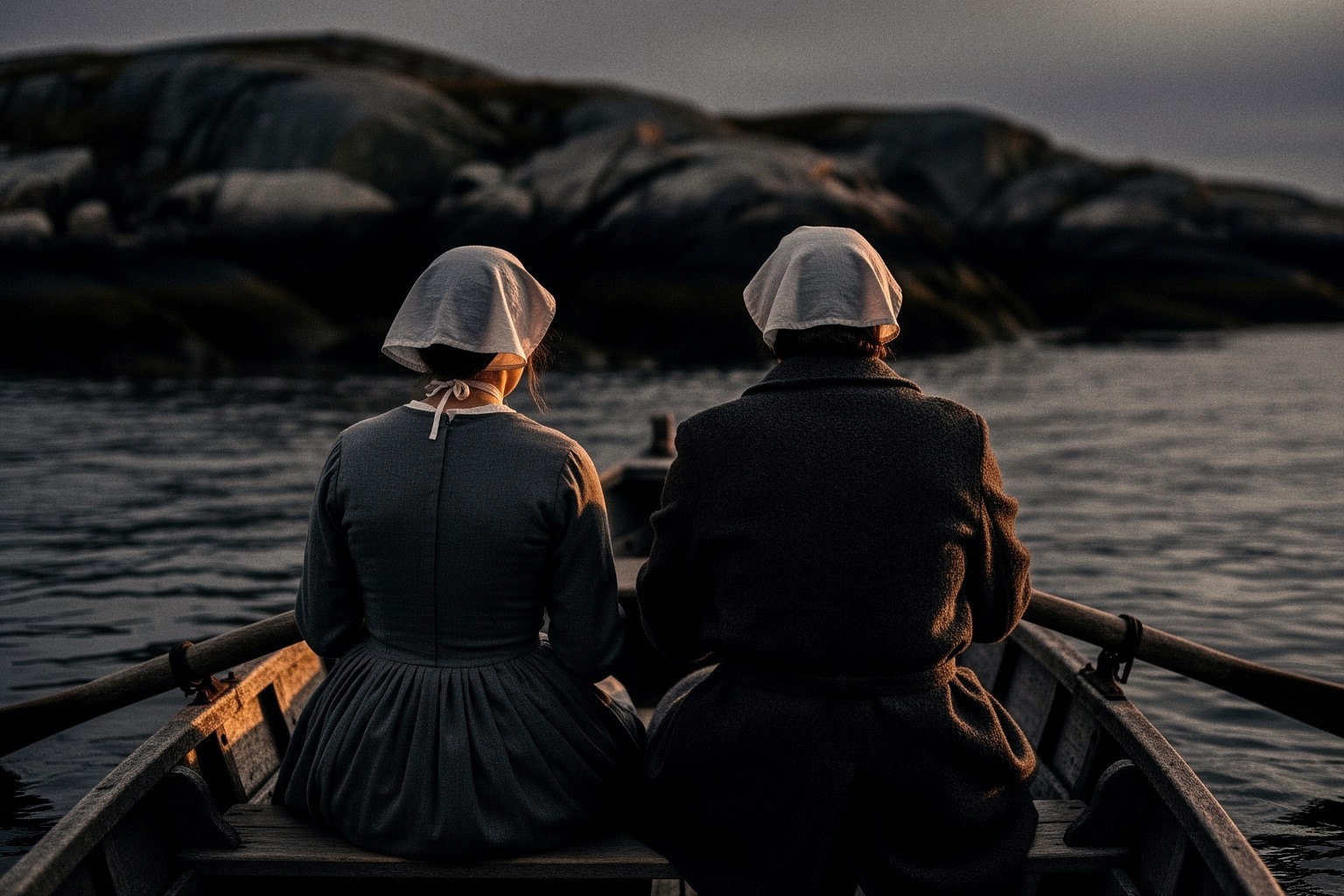
On October 14, 1656, the General Court of Massachusetts Bay passed its first law against Quakers. Ship captains who carried one into the colony faced a heavy fine. Quakers who landed were to be whipped, jailed and sent away, and their books burned.
The law answered a scare. That July, two Quaker women, Mary Fisher and Ann Austin, had sailed into Boston harbour. Officials seized their books, locked them up, searched their bodies for signs of witchcraft, then shipped them out again. The Puritans had crossed an ocean to worship as they chose. They did not plan to share the room.
The Quakers kept coming anyway. Each new arrival brought a harsher penalty: whipping through the streets, ears cut off, and finally, in 1658, death for anyone who returned after banishment. Between 1659 and 1661, four Quakers were hanged in Boston, Mary Dyer among them.
The gallows were meant to empty the colony of Quakers, but they gave the Quakers martyrs, and the news crossed the Atlantic to a newly restored king.
In 1661 Charles II ordered Massachusetts to stop the executions and send accused Quakers to England for trial. The man who carried the order into Boston was Samuel Shattuck, a Quaker the colony had banished.
Checked against: Massachusetts Bay colonial court records; histories of early New England Quakerism; biographies of Mary Dyer; histories of Puritan Massachusetts
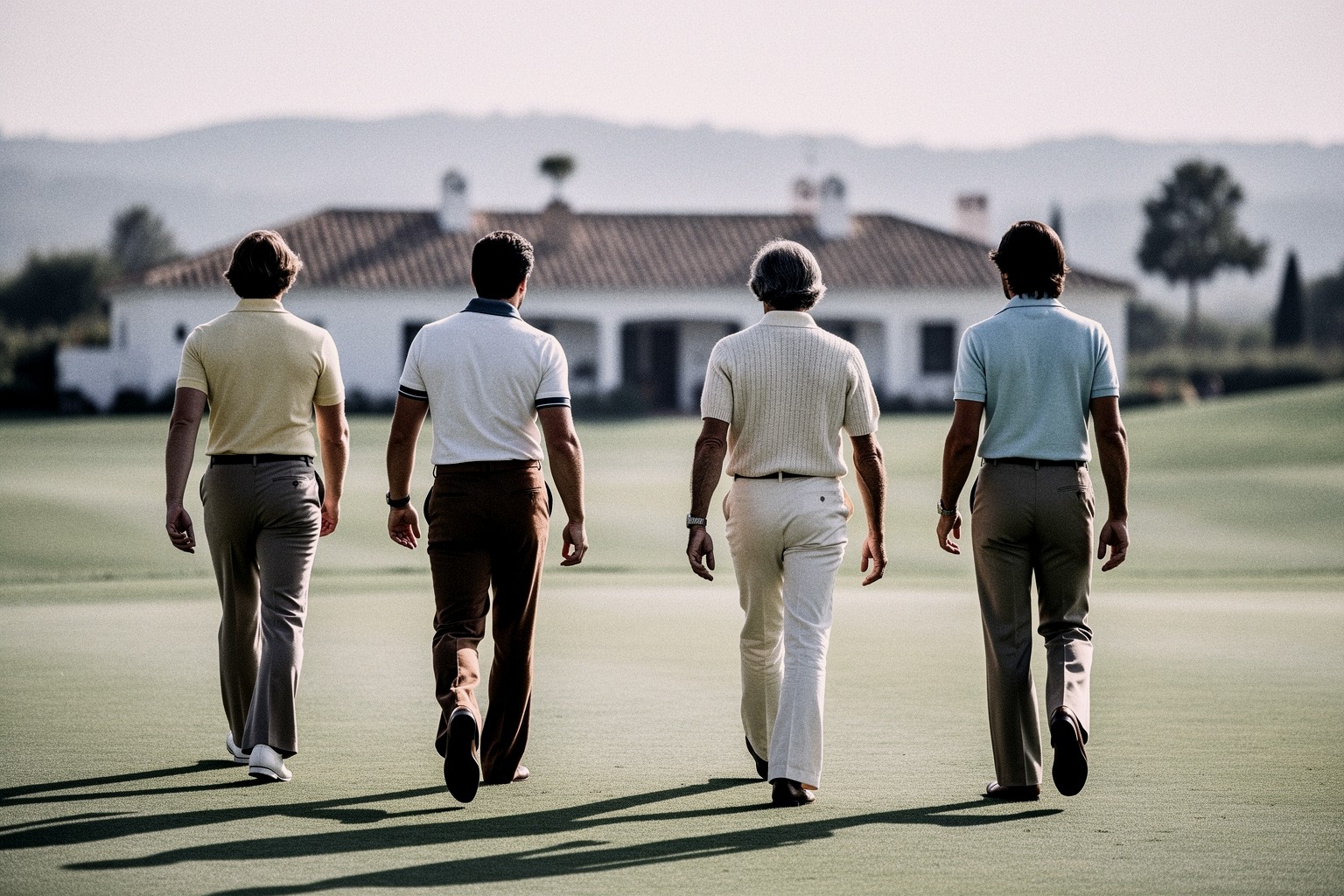
Bing Crosby died on October 14, 1977, on a golf course outside Madrid. He had just finished eighteen holes at La Moraleja, and his side had won. On the walk back to the clubhouse he collapsed with a heart attack. He was 74.
Few singers had sold more records. His 'White Christmas' is still listed as the best-selling single of all time. His easy, close-to-the-microphone style had taught a generation of crooners to sing for radio rather than for the back row of a hall.
His last weeks were busy. He had played the London Palladium and given a concert in Brighton. In September he had taped a Christmas television special near London, including a duet with David Bowie, a 30-year-old rock star whose records had nothing in common with his. Bowie had balked at singing 'Little Drummer Boy', so writers added a new counter-melody, 'Peace on Earth', shortly before taping.
The special aired on November 30, six weeks after Crosby's funeral, and the farewell people remember is the one he never saw broadcast.
Released as a single in 1982, the duet reached number three in Britain. It now comes back every December.
Checked against: Contemporary wire-service and newspaper obituaries; network broadcast records; standard biographies of both singers; UK singles chart archives.
The boy in the book spent years trying to get out of it
Illustration generated by AI for The Day Vault.
On 14 October 1926, Methuen published Winnie-the-Pooh in London. A. A. Milne wrote it. E. H. Shepard drew it. It sold fast and kept selling.
The cast came from a nursery. Milne's son, Christopher Robin, owned a teddy bear given to him for his first birthday, plus a donkey, a piglet, a tiger and a kangaroo with a baby in its pouch. Milne turned the toys into characters and the boy into the one human who walked among them. Shepard sketched the woods near the family's country house in Sussex.
Milne had been a respected playwright and a writer for Punch. Within a few years, nobody wanted those. They wanted the bear. He wrote a second Pooh book in 1928 and then stopped, partly to protect the boy.
It was too late. Christopher Robin went to boarding school with his own name printed in a bestseller, and the other boys never let him forget it. In his 1974 memoir he wrote that his father had built his reputation on his son's childhood.
As an adult he opened a bookshop in Dartmouth, Devon. Customers came looking for the real Christopher Robin. He sold them the books.
Checked against: Methuen publication records; A. A. Milne's autobiography; Christopher Robin Milne's memoir The Enchanted Places; standard Milne biographies; New York Public Library collection records for the original toys
Barely six thousand people watched, and nobody saw it again for 108 years
Illustration generated by AI for The Day Vault.
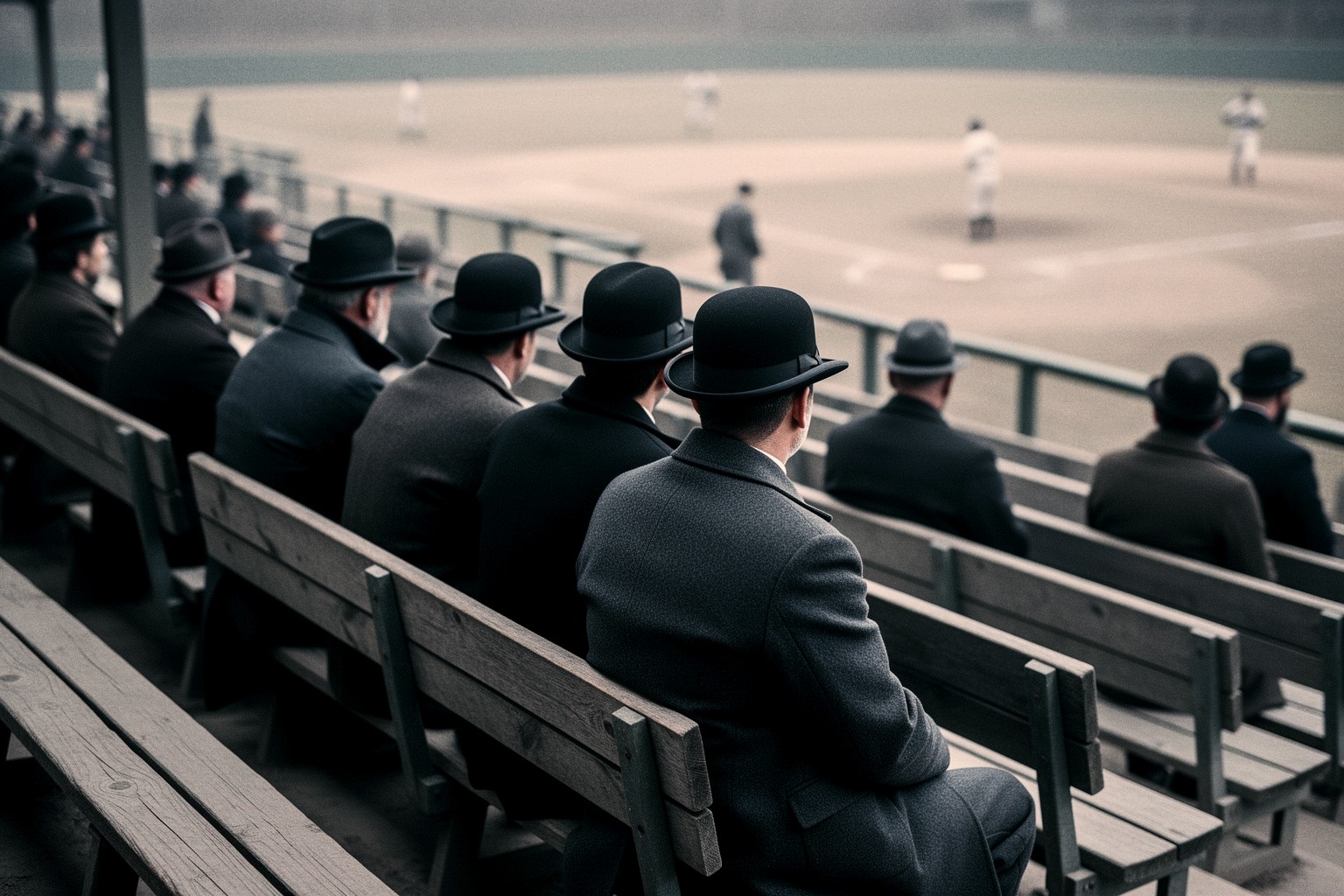
On October 14, 1908, the Chicago Cubs beat the Detroit Tigers 2-0 in Detroit to win the World Series. It was their second title in a row, the first time any team had won the Series twice running.
Orval Overall pitched the shutout, and the Cubs took the Series four games to one. They had needed a replayed game against the New York Giants just to get there, forced by one of the most argued-over plays in baseball history. Their double-play infield of Tinker, Evers and Chance would later be put in verse. The club looked built to keep winning.
Detroit's fans had lost the Series to the same opponent the year before, and they stayed home. Only 6,210 people came to Bennett Park, the smallest crowd ever to watch a World Series game. The record still stands. Most seats sat empty on a cold afternoon while the champions celebrated in front of a few thousand overcoats.
Those few thousand were watching something no Cubs fan would see again for 108 years.
The next title came in November 2016. By then everyone in that half-empty ballpark was long dead, along with generations of Chicago fans who waited their whole lives and never saw one.
Checked against: Official Major League Baseball postseason records, baseball statistical reference databases, contemporary Chicago and Detroit newspaper game reports, published histories of the Chicago Cubs
The first live show from orbit starred three men with colds
Illustration generated by AI for The Day Vault.
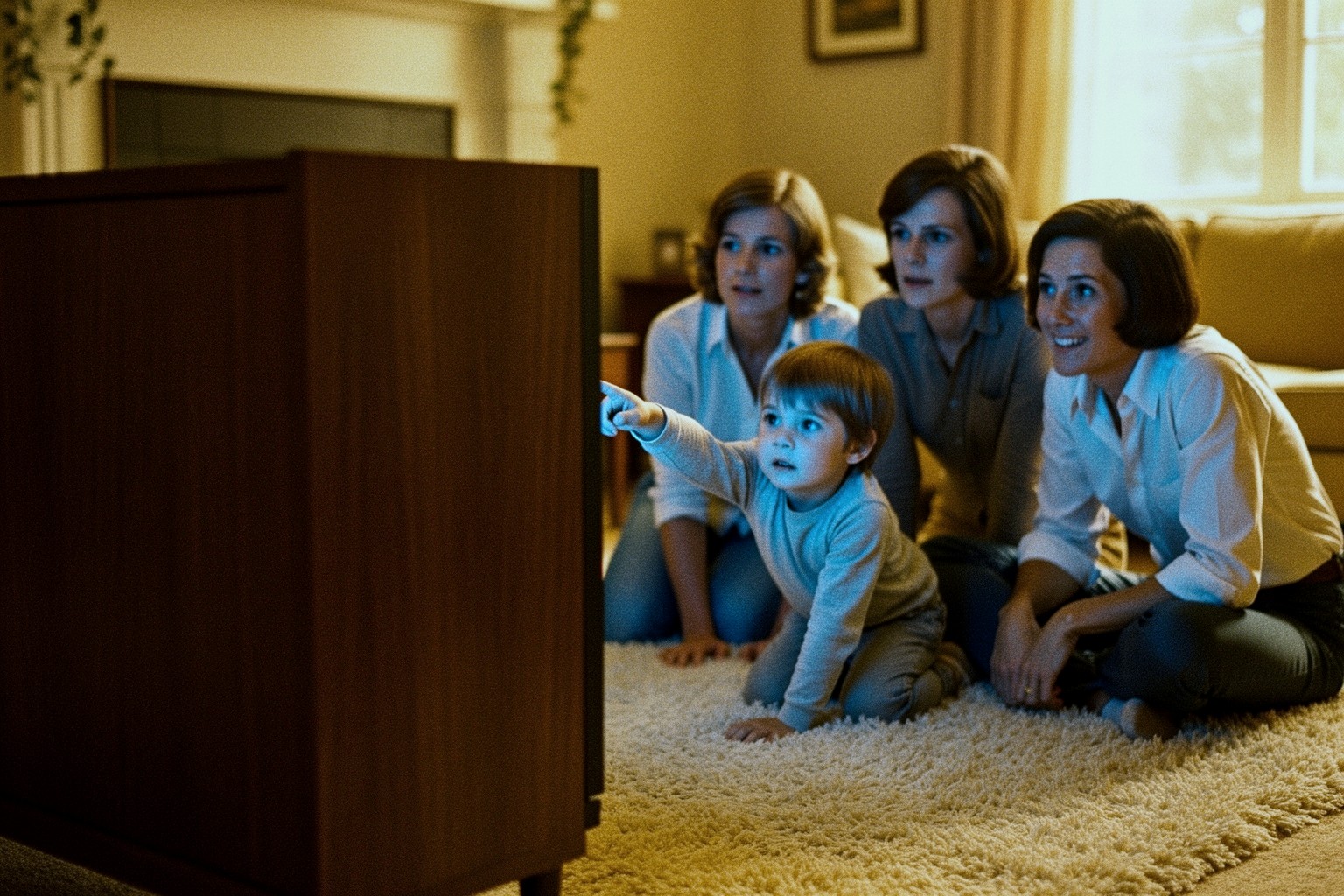
On October 14, 1968, the crew of Apollo 7 sent the first live television pictures from an American spacecraft in orbit. Viewers saw Wally Schirra, Donn Eisele and Walt Cunningham floating in a cramped cabin, grinning into a small camera.
They came prepared. The three men held up hand-lettered cards for the audience and played the moment like a variety show. More broadcasts followed during the eleven-day flight, and the press began treating them as a regular programme.
The cheerful tone mattered. Apollo 7 was the first crewed Apollo flight since the launch-pad fire of January 1967 had killed three astronauts. NASA badly needed a clean mission, and the pictures suggested it was getting one.
Off camera, all three were suffering heavy head colds and spent much of the flight arguing with Mission Control. Schirra had even refused to switch the camera on as scheduled, pushing that first broadcast back.
The broadcasts later won the crew a special Emmy. Schirra had already planned to retire. Neither Eisele nor Cunningham ever flew in space again.
Checked against: NASA Apollo 7 mission reports and air-to-ground transcripts; NASA History Office publications; astronaut memoirs; contemporary newspaper coverage
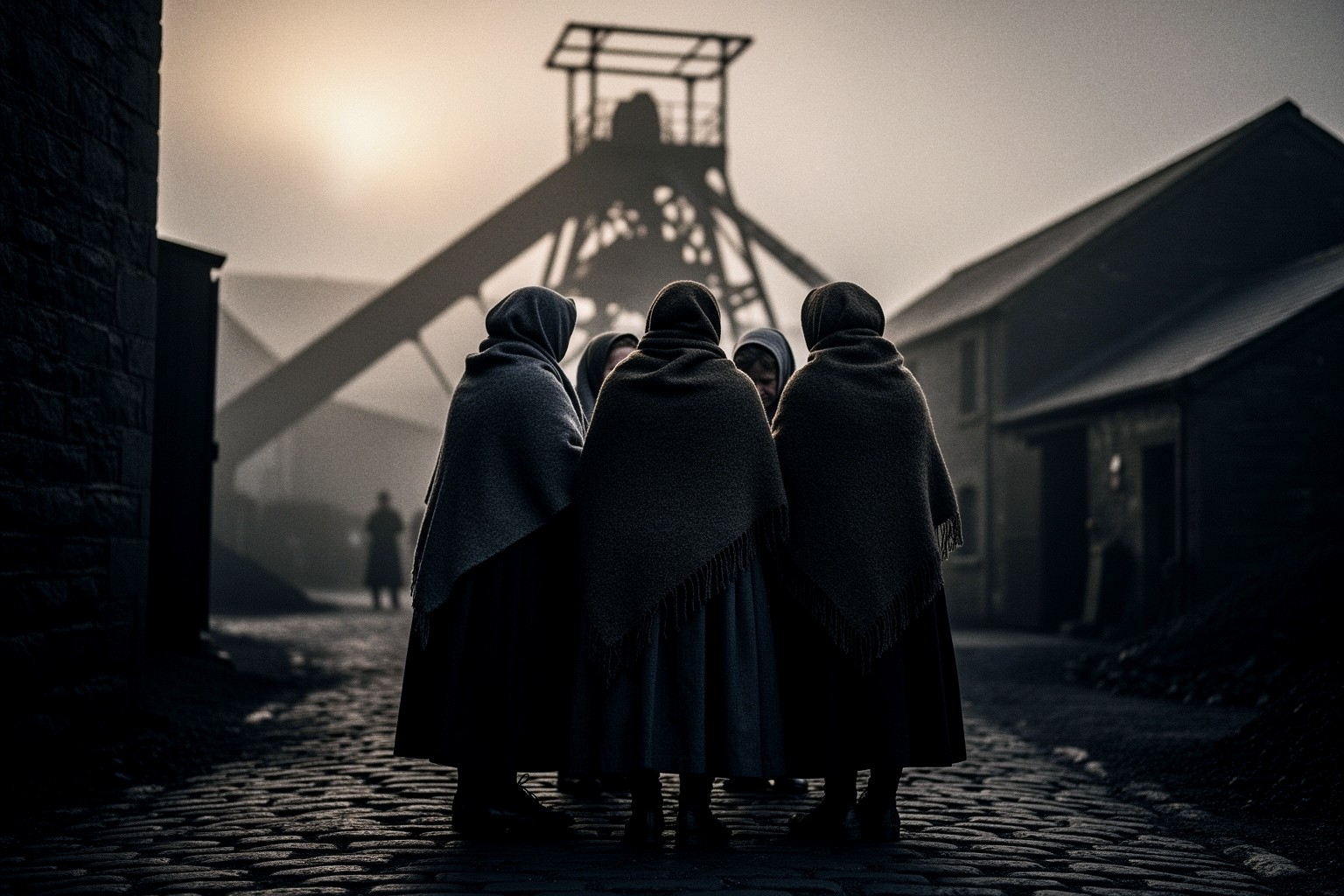
On 14 October 1913, early in the morning shift, an explosion tore through the Universal Colliery at Senghenydd, in the Aber Valley of South Wales. Most of the men were already deep underground.
Fire followed the blast, and the poisonous gas that came after it killed men the flames never reached. Families gathered at the pithead and waited there for days while rescuers went down in turns. The final count was 440: 439 miners and one rescuer. It remains the worst mining disaster in British history.
It was not the pit's first. An explosion at the same colliery in 1901 had killed 81 men. Since then, new regulations had set out how owners must keep coal dust down and how ventilation fans must be able to reverse in a fire. The official inquiry found that Senghenydd had not complied, and the manager was taken to court.
He was convicted and fined £24.
People in the valley did the sum. It came to about a shilling for every man who never came home.
Checked against: Home Office inquiry report into the Senghenydd explosion; contemporary Welsh and national newspaper coverage; histories of the South Wales coalfield; National Museum Wales and Aber Valley Heritage Centre records.