The patient didn't scream. The arguing lasted twenty years.
Illustration generated by AI for The Day Vault.
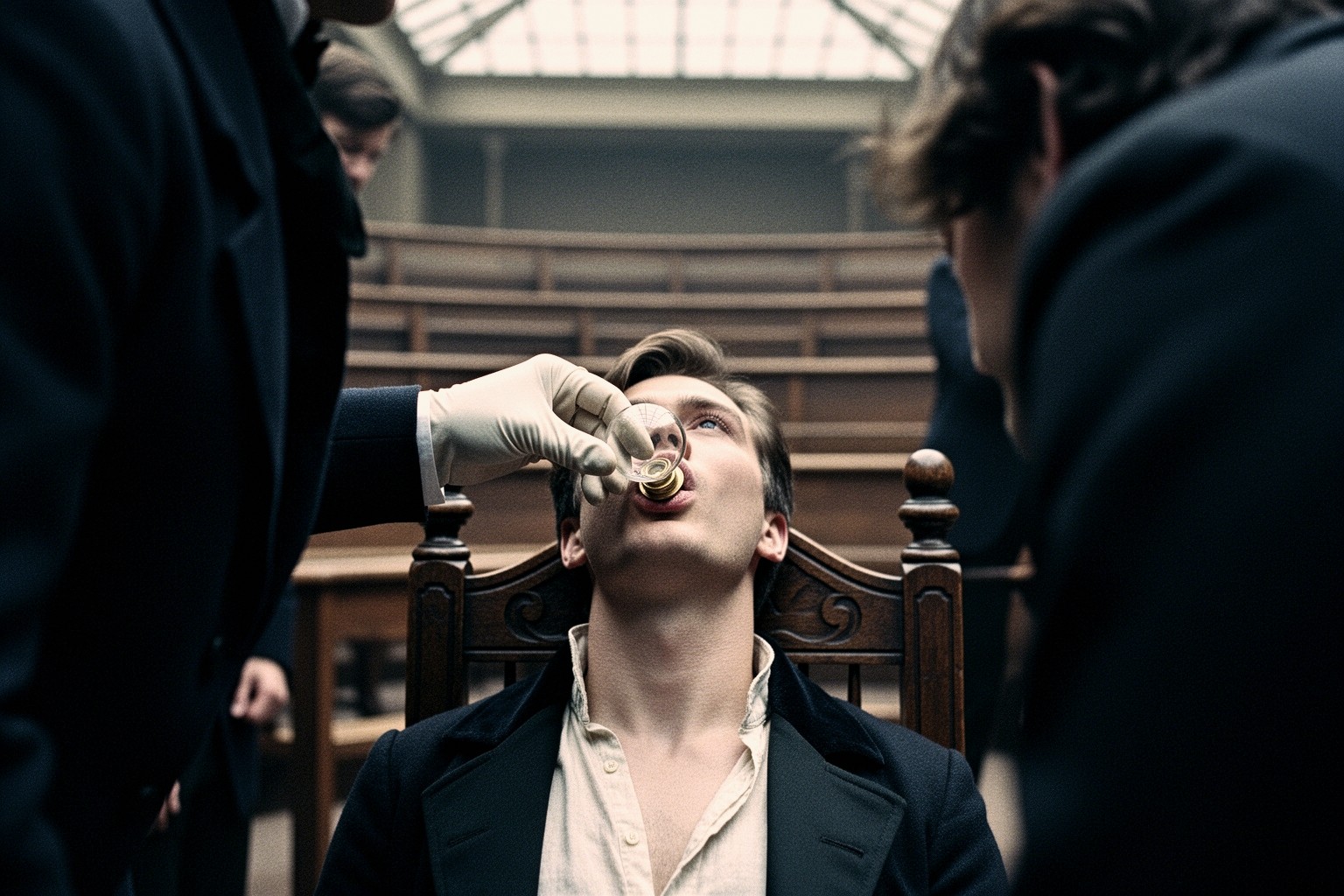
On October 16, 1846, a Boston dentist named William Morton held a glass inhaler to the mouth of Gilbert Abbott in the operating theater of Massachusetts General Hospital. The vapor was ether. Abbott breathed it in and went limp.
Surgeon John Collins Warren then cut a tumor from Abbott's neck while doctors and students watched from steep wooden benches. Until that morning, surgery meant speed: assistants pinned the patient down and the surgeon raced the screaming. By the accounts of those in the room, Abbott stayed quiet.
A report appeared in a Boston medical journal within weeks. By December, surgeons in London were operating under ether. The room in Boston is still called the Ether Dome.
Morton had tried to keep the drug secret, tinting the ether, renaming it Letheon and patenting it, and a Georgia physician, Crawford Long, had already been using ether in operations since 1842.
Morton spent the rest of his life fighting rivals over the credit and petitioning Congress for a reward. Congress never paid. He died in 1868 with the question unsettled.
Checked against: Massachusetts General Hospital archives; the 1846 Boston Medical and Surgical Journal report on the operation; standard histories of anesthesia; congressional records of the ether priority petitions
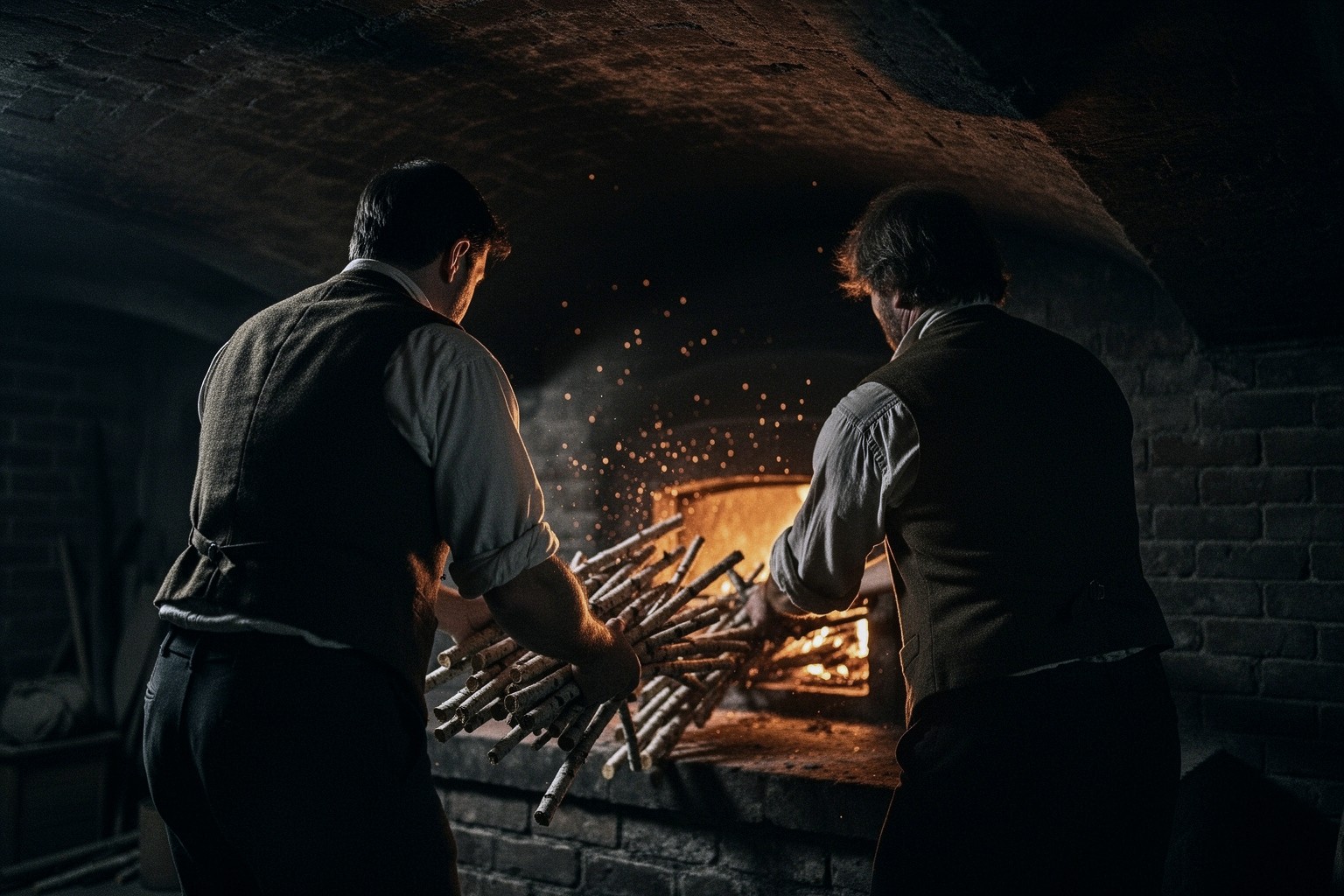
On October 16, 1834, two workmen spent the day feeding the furnaces beneath the House of Lords with tally sticks. These notched lengths of wood had been used by the Exchequer for centuries to record money paid and owed.
The system had been abolished in 1826, and the sticks were now clutter. Rather than hand them out as firewood, the Clerk of Works ordered them burned on site. By afternoon, visitors being shown around the Lords noticed smoke, and found the floor hot underfoot.
Around six that evening, flames broke through. The fire ran through the night, and thousands packed the riverbanks and bridges to watch. Soldiers and fire crews threw their effort into saving Westminster Hall, and it survived. Almost everything else did not.
Clearing out Britain's oldest accounting method had burned down the building where Britain made its laws.
A design competition followed. Charles Barry won it, with Augustus Pugin drawing the details, and the replacement took roughly three decades to complete. It is the palace, clock tower and all, that tourists now photograph as if it were medieval.
Checked against: Parliamentary archives and official histories of the Palace of Westminster; the 1835 Privy Council inquiry into the fire; contemporary London newspaper reports; architectural histories of the Barry and Pugin rebuilding.
Everyone saw the blink. Almost nobody saw the trade.
Illustration generated by AI for The Day Vault.
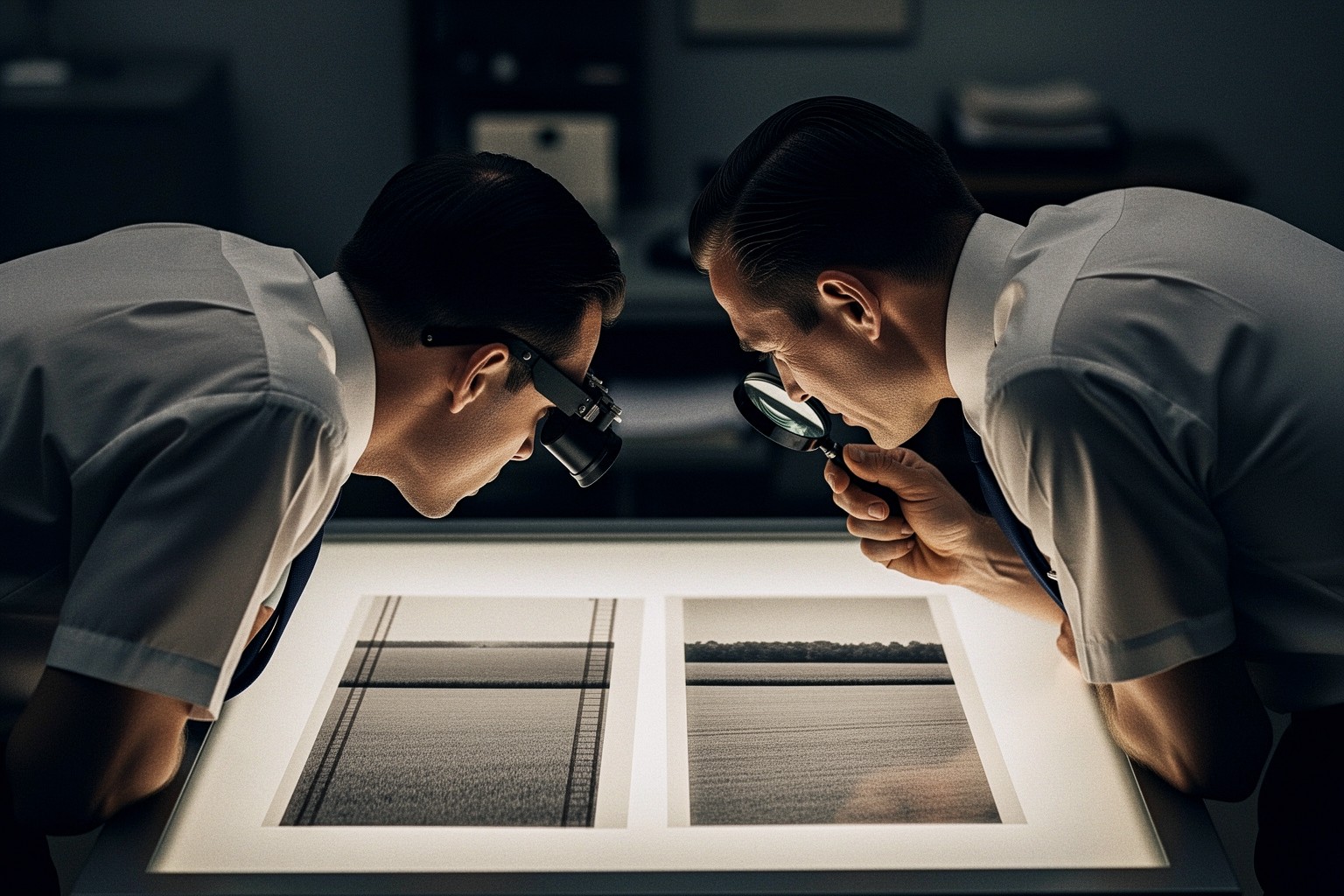
On the morning of October 16, 1962, President John F. Kennedy was shown aerial photographs taken two days earlier by a U-2 spy plane over western Cuba. Analysts had found Soviet medium-range ballistic missile sites under construction near San Cristóbal.
To an untrained eye the pictures showed clearings, trucks and long shapes under canvas. To the photo interpreters who had pored over the film, they showed weapons that could reach much of the eastern United States within minutes of launch.
Kennedy gathered a small group of advisers, later known as ExComm. For thirteen days they argued over air strikes, invasion and blockade. He chose a naval quarantine, announced on October 22. On October 28, Nikita Khrushchev agreed to remove the missiles in exchange for an American pledge not to invade Cuba.
That was the public deal. Privately, Robert Kennedy had told the Soviet ambassador that American Jupiter missiles in Turkey would be withdrawn, on the condition that the promise never be made public.
The Jupiters left Turkey in 1963. The secret held for years, and a generation of American officials drew their lessons from a crisis they believed had been won without giving anything away.
Checked against: Declassified ExComm meeting recordings and transcripts, presidential library archives, State Department historical records, memoirs of participants, and standard diplomatic histories of the Cold War.
Sixteen million men signed up for one year. The year kept going.
Illustration generated by AI for The Day Vault.
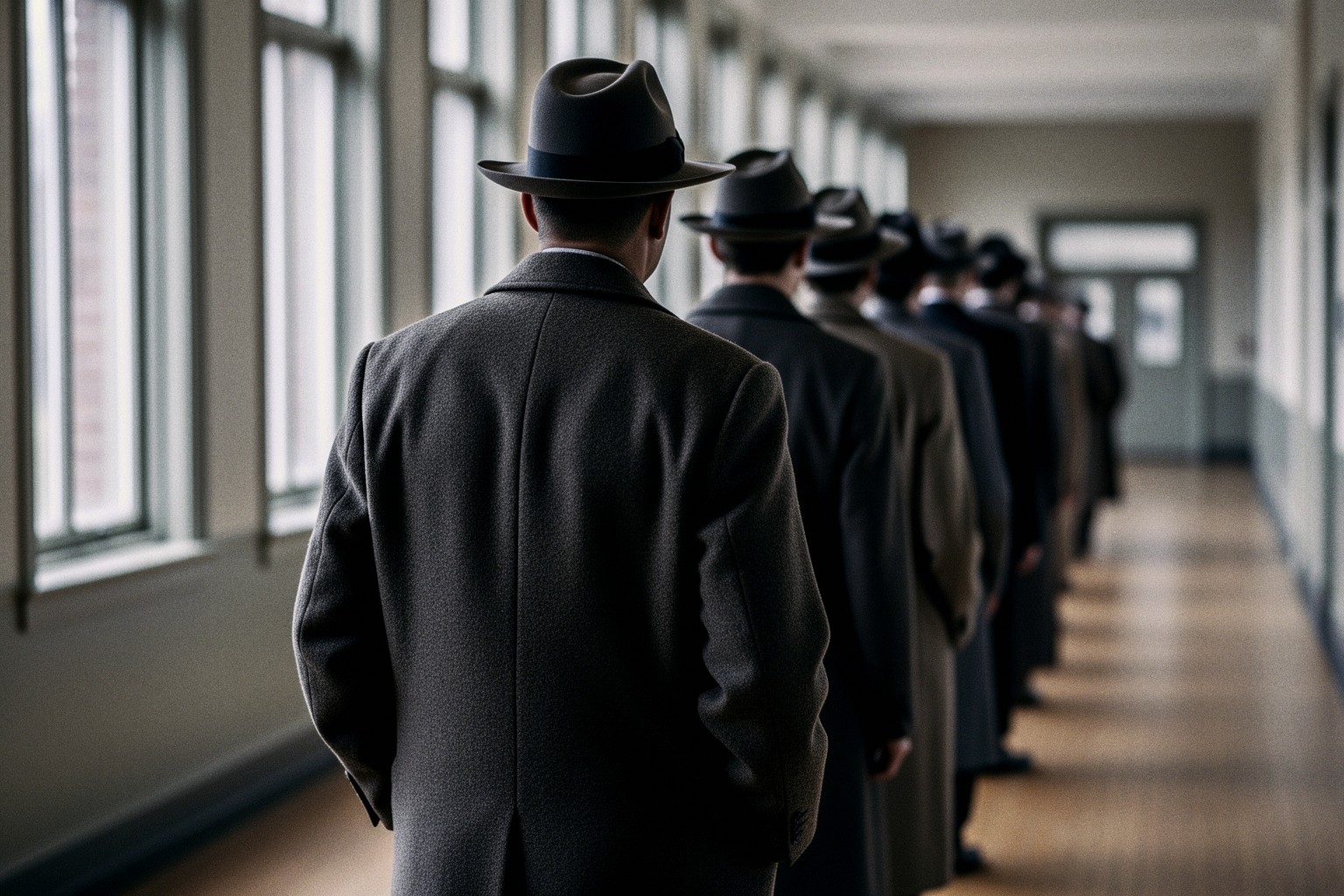
On October 16, 1940, more than sixteen million American men registered for the draft in a single day. It was the country's first peacetime conscription. Every man aged 21 to 35 was required to appear.
They queued at schools, firehouses and polling places, often the same rooms where they voted. Volunteers filled out a card for each man, and most were done in minutes. The United States was not at war, and the law reflected it: draftees would serve twelve months, and only in the Western Hemisphere.
Two weeks later the Secretary of War reached into a glass bowl and drew the first number. The first trainees reported that winter, expecting to be home by the next one.
In August 1941, with those twelve months nearly up, the House voted to keep them in uniform longer. The extension passed by a single vote, 203 to 202.
Four months later came Pearl Harbor, and the term was stretched again, to the duration of the war plus six months. Many of the men who had stood in line that Wednesday would not be home for four years.
Checked against: Selective Training and Service Act of 1940 text; Selective Service System historical records; Congressional Record for the August 1941 House vote; contemporary newspaper coverage of registration day
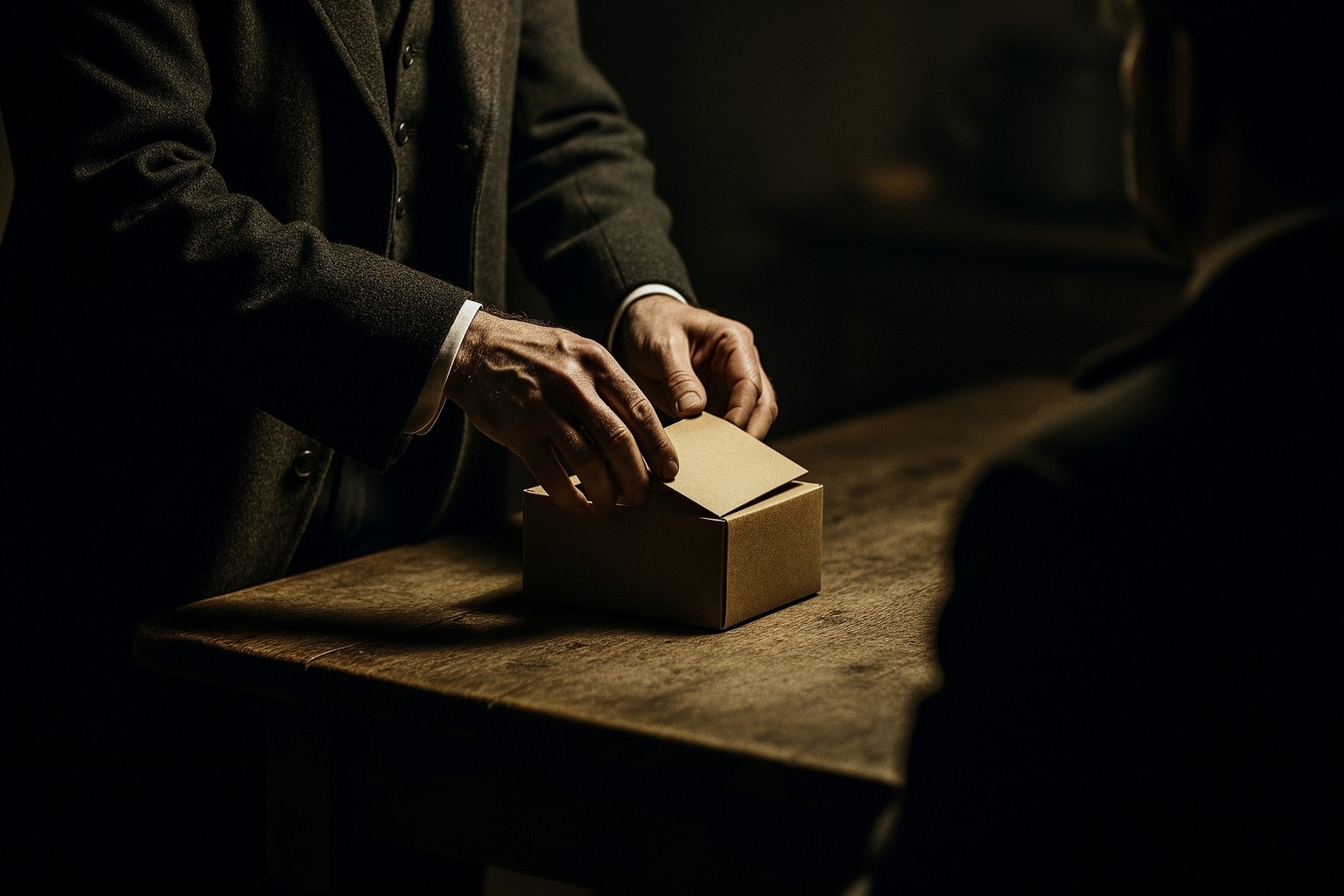
On the evening of October 16, 1888, George Lusk received a small cardboard box in the post. Lusk was a builder in London's East End and chairman of the Whitechapel Vigilance Committee, the group of local businessmen organising their own patrols while the police failed to catch the man killing women in their streets.
Inside the box was half a human kidney, preserved in spirits of wine. The note with it was headed "From hell." Its writer said he had kept the other half and eaten it. Two weeks earlier, Catherine Eddowes had been murdered in Mitre Square, and her killer had taken her left kidney.
Lusk at first assumed it was a prank. Most letters claiming to be from the killer were hoaxes, written by journalists, cranks and bored young men. But this one did not use the name "Jack the Ripper," which the press had made famous. Members of his committee took the kidney to a doctor at the London Hospital, then handed box and note to the police.
Medicine in 1888 could not say whose kidney it was. Doctors disagreed about what it showed, and medical students had easy access to human organs.
So the letter many historians consider the likeliest to be genuine has never been proved genuine. The box was examined and argued over. Nobody was ever charged.
Checked against: Metropolitan Police and City of London Police case files held at the National Archives; contemporary London newspaper reports from October 1888; standard reference histories of the Whitechapel murders
On October 16, 1978, on the eighth ballot of a three-day conclave, the cardinals of the Catholic Church elected Karol Wojtyła, archbishop of Kraków. He was 58. He was the first pope born outside Italy since the Dutchman Adrian VI in 1522.
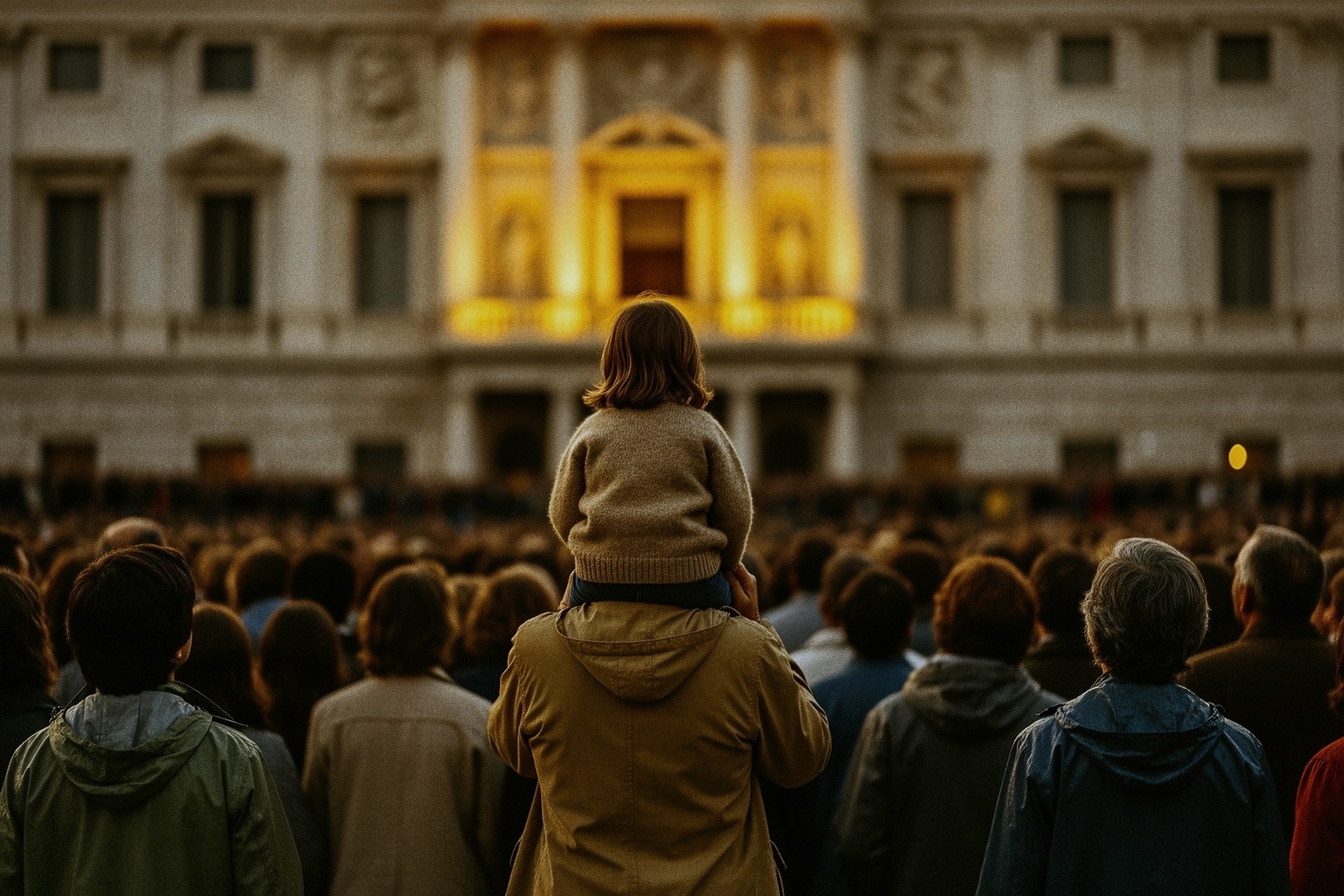
White smoke rose from the Sistine Chapel chimney in the early evening. People ran into St Peter's Square from the side streets, and the square filled fast. Cardinal Pericle Felici stepped onto the balcony and read the new pope's name in Latin.
The name meant almost nothing to the people below. Italians had expected an Italian. For four and a half centuries they had always got one. Some in the crowd guessed the stranger was African. He took the name John Paul II, after his predecessor, who had died after only 33 days in office.
In Warsaw, the news landed differently. A communist government that had spent three decades trying to shrink the Church now faced a Pole whose word reached every parish in the country.
Eight months later he flew home and said Mass in Warsaw's Victory Square, and the authorities could only watch the crowds arrive.
Checked against: Vatican records of the 1978 conclaves; contemporary wire-service and newspaper reports from Rome and Warsaw; standard papal biographies and histories of postwar Poland
On October 16, 1992, Madison Square Garden filled for a concert marking thirty years of Bob Dylan records. Neil Young, Johnny Cash, Eric Clapton and George Harrison were on the bill, each taking a turn at his songs.
Sinéad O'Connor was booked to sing "I Believe in You". Thirteen days earlier, on Saturday Night Live, she had torn up a photograph of the pope. When Kris Kristofferson introduced her, the arena erupted. Much of the sound was booing.
She stood still at the microphone and waited. The noise did not fade. The band started the opening bars, and she waved them off.
Instead of the Dylan song, she shouted Bob Marley's "War" a cappella, the same song she had sung on television the night she tore the photograph.
Then she walked off, into Kristofferson's arms at the side of the stage. On a night built entirely from one man's songs, the moment everyone remembered contained none of them.
Checked against: Contemporary newspaper concert reviews, the broadcast and released concert recording, music-press retrospectives, and the performers' later memoirs and interviews.
On October 16, 1923, a 21-year-old cartoonist named Walt Disney signed a distribution deal with Margaret Winkler, a New York film distributor. He and his brother Roy opened the Disney Brothers Cartoon Studio in Los Angeles to deliver it. The Walt Disney Company still counts that day as its founding.
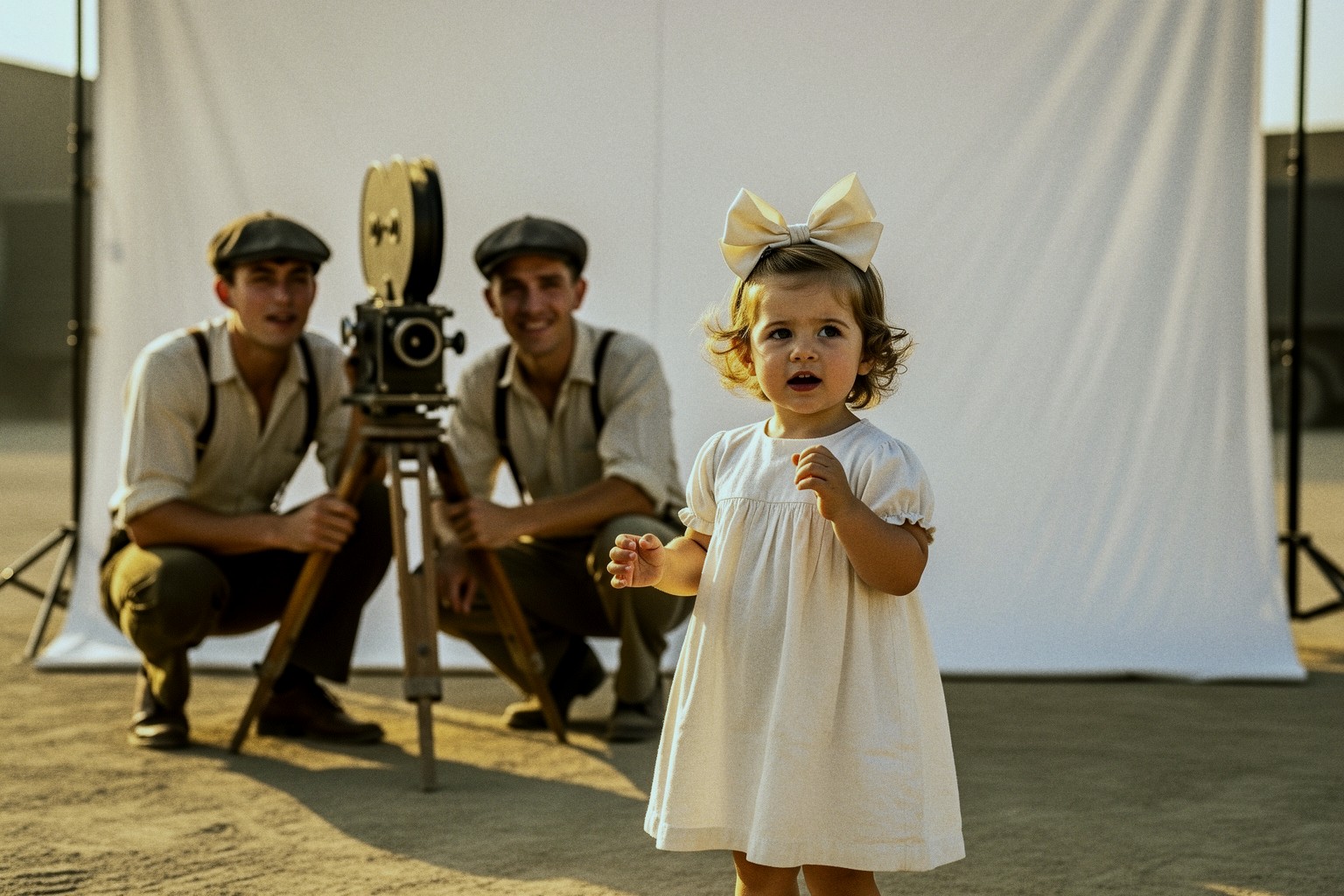
The product was the Alice Comedies. A real little girl, filmed against a white backdrop, wandered through hand-drawn scenery and traded gags with ink cats and dogs. The pilot had been shot in Kansas City, where Walt's previous studio had just gone bankrupt.
The brothers worked out of a rented room behind a real estate office. The Alice shorts kept the lights on for four years. In 1927 Walt retired the live-action girl and moved to a fully animated hero, Oswald the Lucky Rabbit, who quickly became a hit.
Walt never owned Oswald. The rights sat with Universal, and in 1928 Winkler's husband, Charles Mintz, kept the rabbit and hired away most of Walt's animators.
Walt and Ub Iwerks, the one key animator who stayed, built a replacement character in secret. That November, a mouse whistled at the wheel of a steamboat.
Checked against: Walt Disney Company archives; Disney biographies by Neal Gabler and Michael Barrier; histories of silent-era animation and the Alice Comedies; Universal studio records on Oswald the Lucky Rabbit
Seven years of losing, settled by a smudge of shoe polish
Illustration generated by AI for The Day Vault.
On October 16, 1969, the New York Mets beat the Baltimore Orioles 5-3 at Shea Stadium and won the World Series four games to one.
The Mets were seven years old. In their first season, 1962, they lost 120 games. Through 1968 they had never finished higher than ninth. In 1969 they won 100, swept Atlanta in the first National League playoff, then lost the Series opener to a Baltimore team that had won 109.
They took the next three. In Game 5, Baltimore led 3-0 in the sixth inning, and the Series looked headed back to Maryland.
Then a low pitch skipped near Cleon Jones's foot. The umpire said it missed him. Manager Gil Hodges walked out with the ball and showed him a smudge of black shoe polish. Jones was sent to first base.
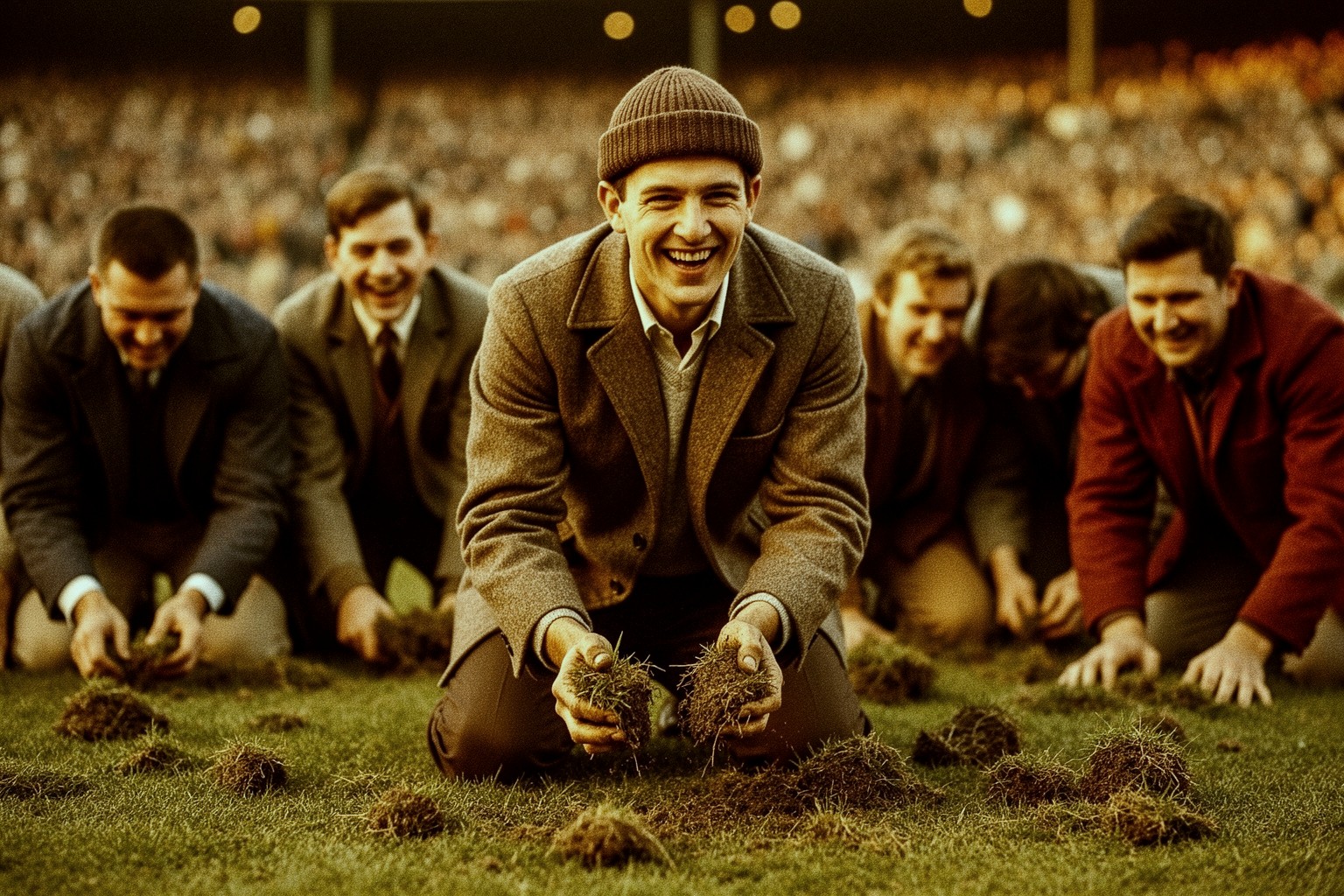
Donn Clendenon followed with a two-run home run. Al Weis, a utility infielder, tied it in the seventh. Two doubles in the eighth put the Mets ahead. When the last fly ball dropped into Jones's glove, thousands of fans ran onto the field and tore up the grass in clumps to carry home.
Checked against: Contemporary newspaper game reports, official World Series box scores, Major League Baseball historical records, team histories of the 1969 Mets
The answer was four, so he carved it into a bridge
Illustration generated by AI for The Day Vault.
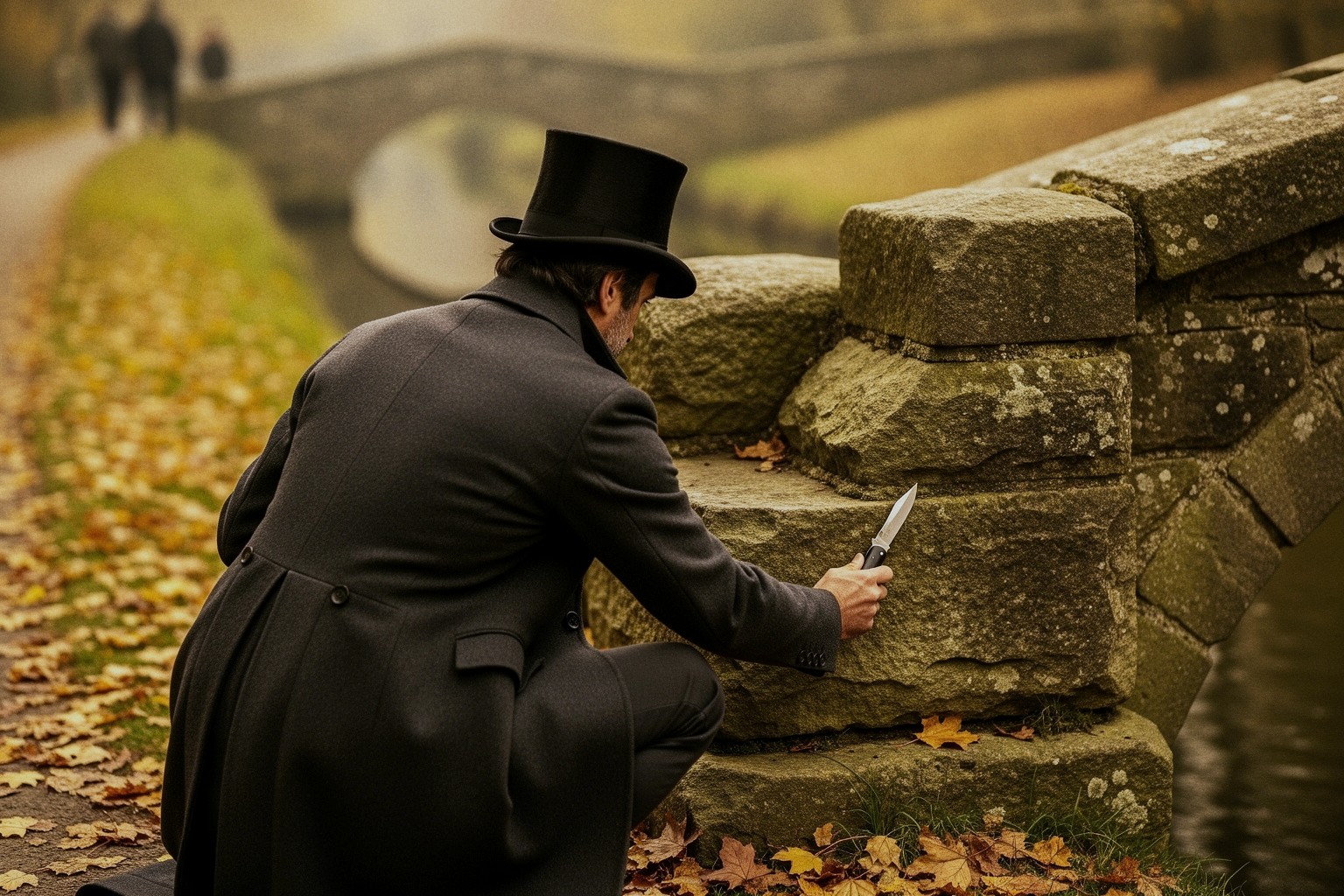
On October 16, 1843, the Irish mathematician William Rowan Hamilton was walking along Dublin's Royal Canal with his wife, heading to a meeting of the Royal Irish Academy. For years he had tried to build a number system for three dimensions, the way complex numbers handle two. Every attempt broke.
Near Broom Bridge the answer arrived. He needed four parts, not three, and he had to drop a rule everyone took for granted. In his new system, a times b did not have to equal b times a.
He took out a penknife and cut the key formula, i² = j² = k² = ijk = −1, into the bridge's stone. He named the new numbers quaternions and spent much of the rest of his life on them.
The carving weathered away, and within a few decades of his death physicists had largely dropped quaternions for the simpler vector notation of Gibbs and Heaviside.
They came back through rotation. Quaternions turn an object in three dimensions smoothly, without the lock-ups that trouble other methods, so they now help orient spacecraft and spin characters in video games. A plaque marks the bridge, and mathematicians walk Hamilton's route every October 16.
Checked against: Hamilton's surviving letters and notebooks; Proceedings of the Royal Irish Academy; standard biographies of Hamilton; histories of vector analysis and of rotation methods in aerospace engineering
On the night of October 16, 1859, John Brown led a small armed band into Harpers Ferry, Virginia. They cut the telegraph wires and seized the federal armory, where the government kept racks of new rifles.
Brown's plan was to arm enslaved people from the surrounding farms and start an uprising that would spread south along the mountains. He had worked toward it for years, quietly funded by Northern abolitionists.
Around midnight his men stopped an eastbound Baltimore and Ohio train. The station's baggage master walked out onto the railroad bridge to see what was wrong. Ordered to halt, he turned back toward the station, and the raiders shot him.
His name was Heyward Shepherd, and he was a free Black man, the first person killed in a raid meant to end slavery.
Shepherd died the next day. Marines under Robert E. Lee ended the raid within two days, and Brown was hanged that December. In 1931, Confederate heritage groups put up a stone to Shepherd in Harpers Ferry, holding him up as proof of Black loyalty to the South. It has been argued over, boarded up and uncovered again ever since.
Checked against: National Park Service histories of Harpers Ferry; trial records and Virginia legislative reports on the raid; contemporary newspaper accounts; scholarly biographies of John Brown; records of the 1931 monument dedication