At 5:04 p.m. on October 17, 1989, a magnitude 6.9 earthquake ruptured beneath the Santa Cruz Mountains. The shaking lasted about fifteen seconds and reached across the San Francisco Bay Area.
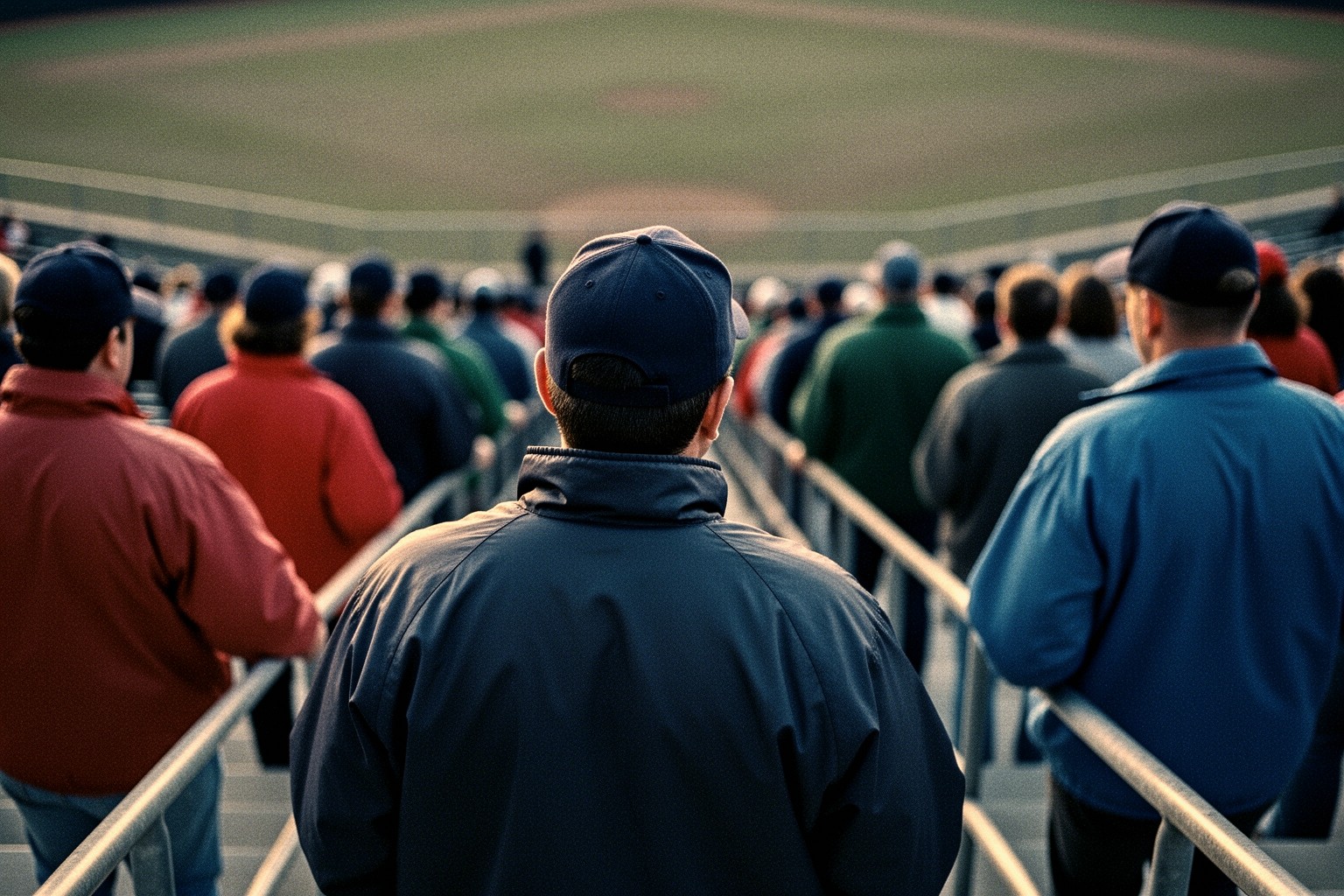
At Candlestick Park, more than 60,000 fans were settling in for Game 3 of the World Series between the San Francisco Giants and the Oakland Athletics. The light towers swayed. The national television broadcast cut out. The stadium held, and the crowd walked out into a city without power.
Elsewhere, the damage was worse. A section of the Bay Bridge's upper deck dropped onto the lower. In Oakland, the top level of the double-decked Cypress Street Viaduct collapsed onto the lanes beneath it. Fires burned in the Marina District. Sixty-three people died across the region.
The baseball game probably kept that number down. With both local teams playing, many commuters had left work early or stayed put to watch, and the evening rush on Bay Area freeways was far lighter than on a normal Tuesday.
Forty-two of the dead were on the Cypress Viaduct. On an ordinary evening at 5:04, its lanes would have been bumper to bumper. The Series resumed ten days later.
Checked against: US Geological Survey reports on the Loma Prieta earthquake; California Department of Transportation post-earthquake investigations; contemporary San Francisco and Oakland newspaper coverage; Major League Baseball records of the 1989 World Series
On October 17, 1814, a giant vat of porter burst at the Horse Shoe Brewery, near the corner of Tottenham Court Road and Oxford Street in London. The rupture split neighbouring vats. Hundreds of thousands of gallons of beer broke through the brewery's back wall.
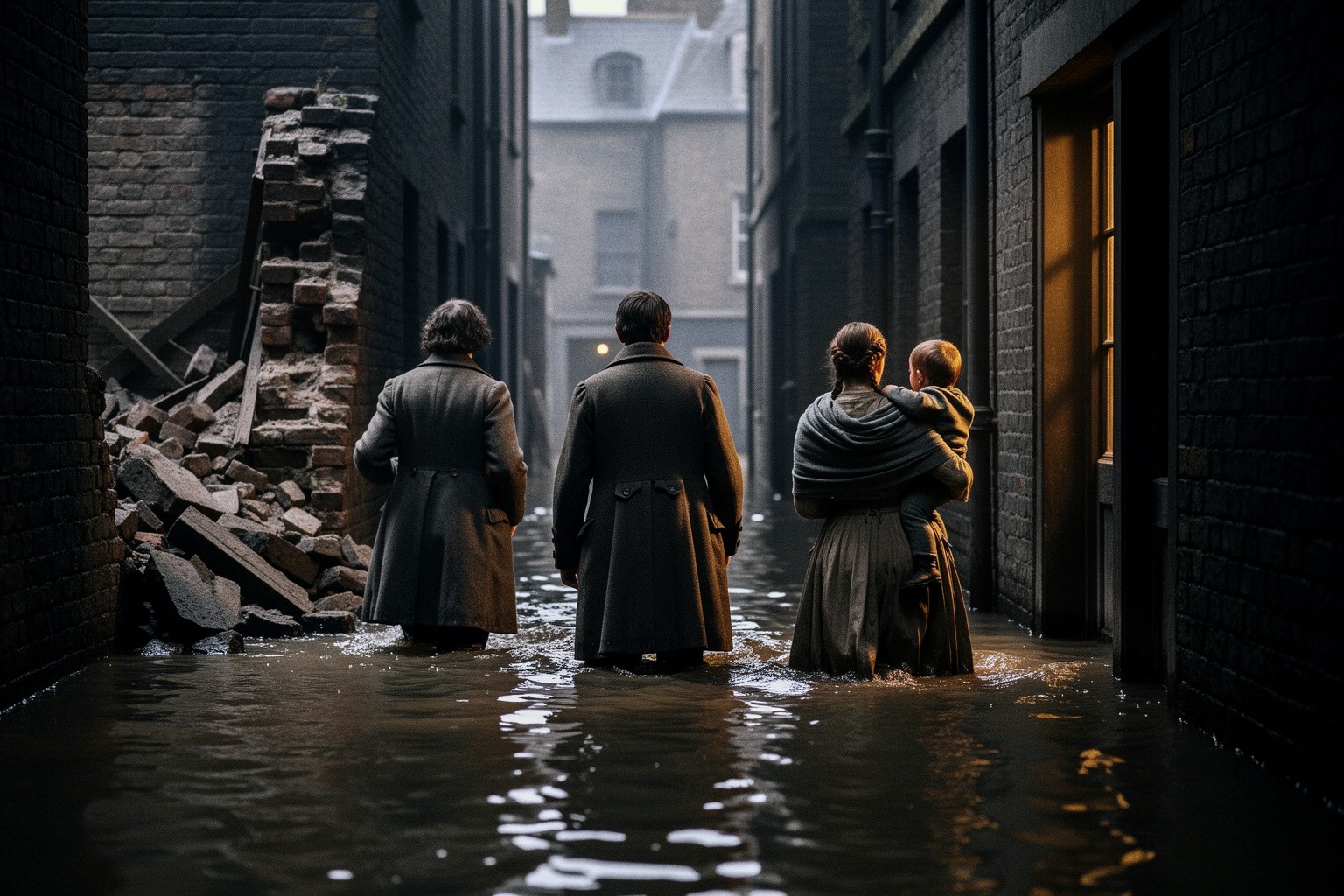
The wave ran into St Giles, one of the poorest and most crowded parishes in the city. Families there lived in cellars and cramped back rooms. The beer flooded basements and knocked down walls. Eight people died, among them children and women, including mourners gathered at a wake.
An iron hoop had slipped off the vat about an hour earlier. A clerk reported it and was told it would do no harm. Neighbours spent the following days pumping out cellars and digging through wreckage. The dead were laid out for viewing, and crowds came to look.
The inquest called the deaths an accident, nobody was held responsible, and the brewery asked Parliament to refund the excise duty it had already paid on the lost beer.
Parliament agreed. The brewery got its tax money back and kept brewing on the same site for another century.
Checked against: Contemporary London newspaper reports, coroner's inquest records, parliamentary records of the excise refund, histories of London brewing
On October 17, 1973, Arab oil ministers meeting in Kuwait agreed to cut production by five percent a month. The cuts would continue, they said, until Israel withdrew from the territories it had occupied in 1967. The Yom Kippur War was eleven days old.
Within days the cuts hardened into an outright embargo on the United States, after President Nixon asked Congress for $2.2 billion in emergency military aid for Israel. The Netherlands was cut off too.
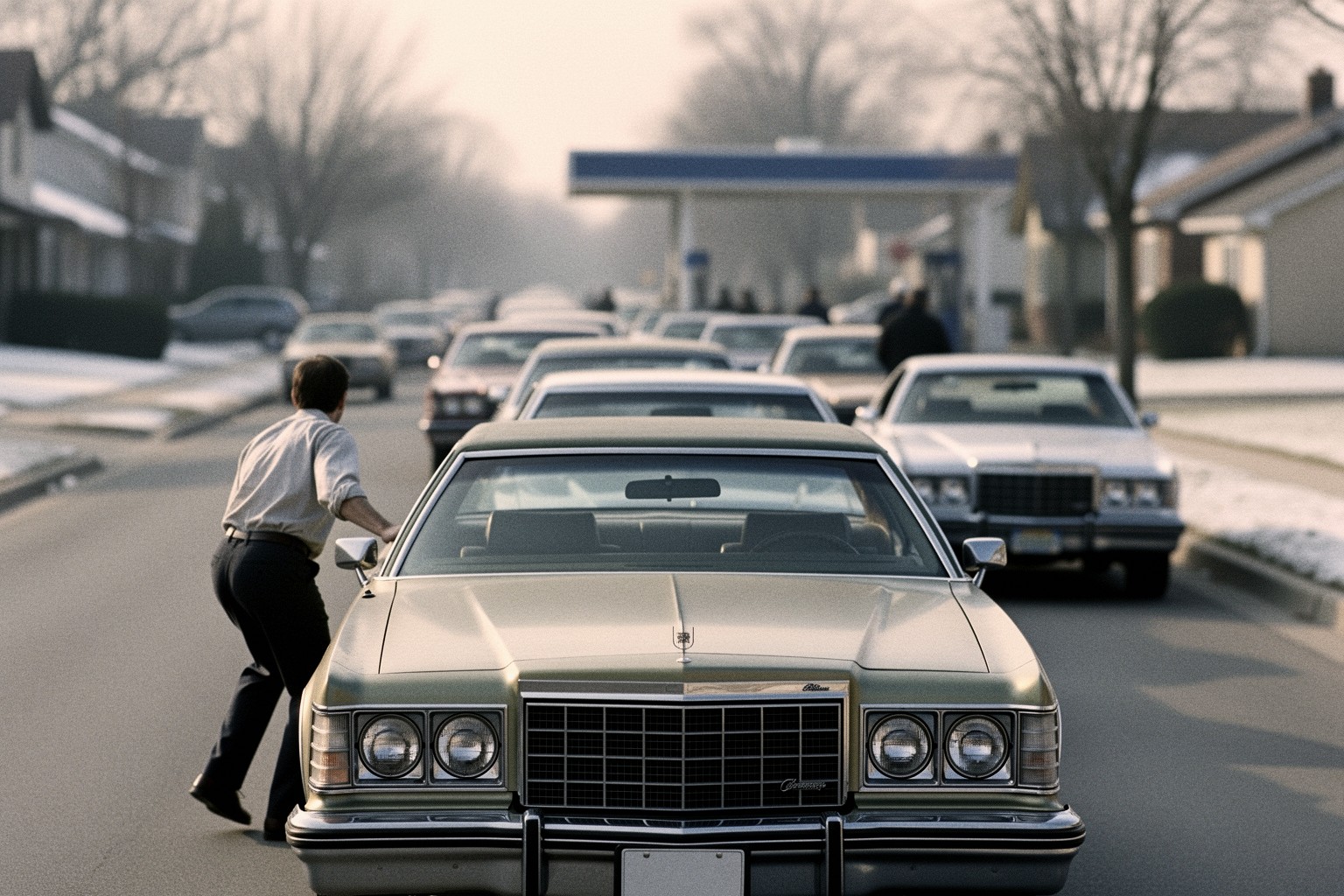
Americans met the result at the pump. Stations rationed sales or simply ran dry. Some states let drivers buy fuel only on odd or even days, matched to the last digit of their license plate. The price of crude roughly quadrupled.
The embargo itself leaked badly, with tankers rerouted and cargoes resold, and it was lifted in March 1974 without Israel giving back any territory.
The price never fell back to where it had been. Congress imposed a national 55 mph speed limit, created a Strategic Petroleum Reserve and wrote fuel-economy rules for new cars. Detroit started building smaller ones. The speed limit stayed on the books until 1995.
Checked against: OAPEC communiqués as reported in contemporary newspapers; US State Department historical records; academic histories of the 1973 oil crisis; Congressional records on the Emergency Highway Energy Conservation Act and Energy Policy and Conservation Act
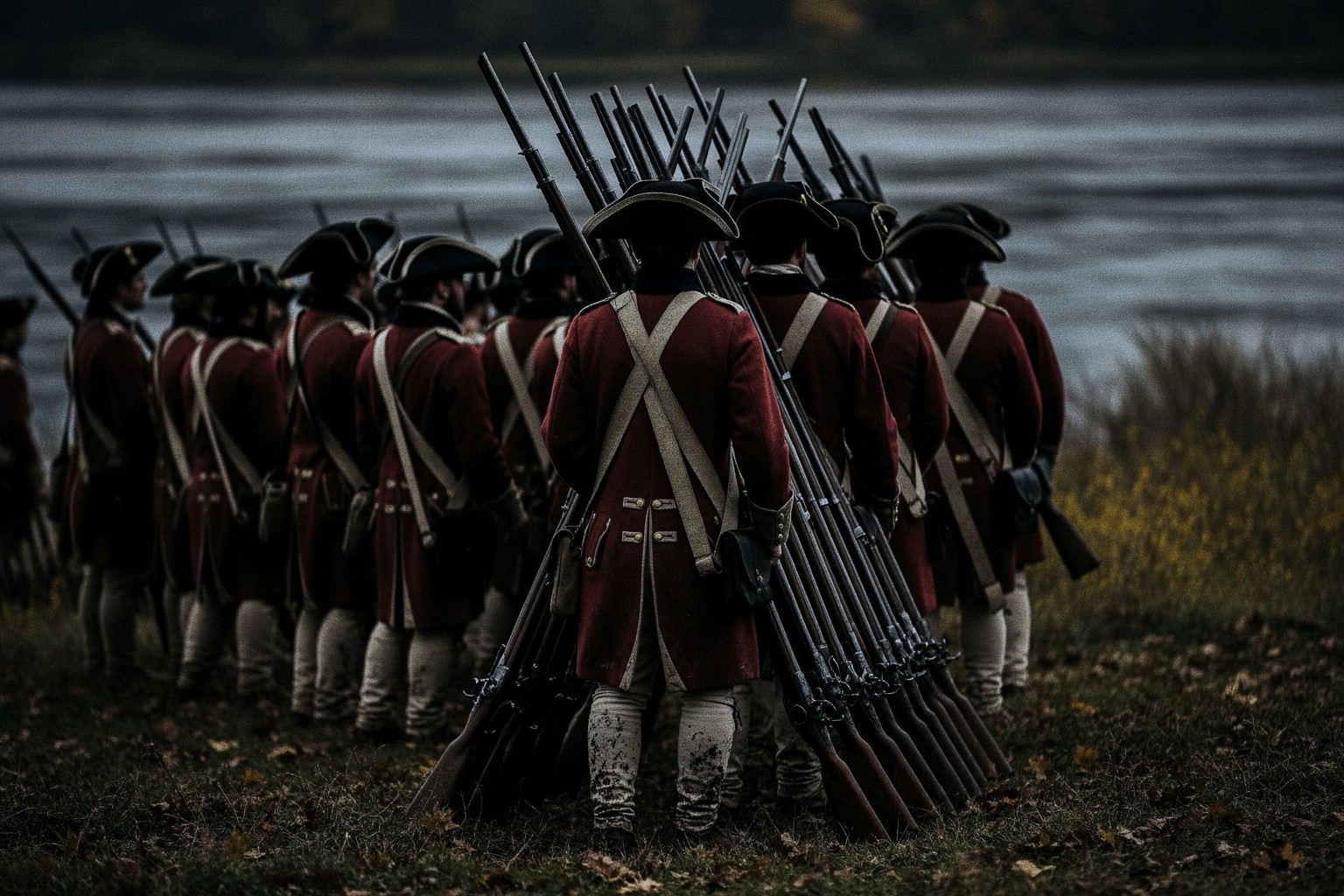
On October 17, 1777, General John Burgoyne's army laid down its arms at Saratoga, New York. Nearly 6,000 British and German soldiers marched into a meadow beside the Hudson and stacked their muskets.
Burgoyne would not call it a surrender. He had negotiated a "convention" with the American general Horatio Gates, and its terms were generous. The troops would march to Boston, board ships for Britain, and promise not to serve in North America again for the rest of the war.
Gates agreed because his own position felt less secure than it looked. A British force was pushing up the Hudson, and he wanted Burgoyne's army out of the field quickly. Saratoga became the victory that helped bring France into the war.
But Congress had signed nothing. It feared Britain would send the men to garrisons elsewhere and ship fresh regiments to America in their place. So it found reasons to suspend the convention, including Burgoyne's own complaint that the poor quarters given to his officers broke the public faith.
Burgoyne sailed home on parole in 1778. His army stayed. The prisoners were held near Boston, then marched hundreds of miles south to Virginia, and kept in captivity until the war ended. Many slipped away along the route and settled in the country they had come to conquer.
Checked against: Published text of the Convention of Saratoga; Journals of the Continental Congress; histories of the Saratoga campaign and of the Convention Army; National Park Service material on Saratoga National Historical Park
They couldn't prove the murders. They proved the taxes.
Illustration generated by AI for The Day Vault.
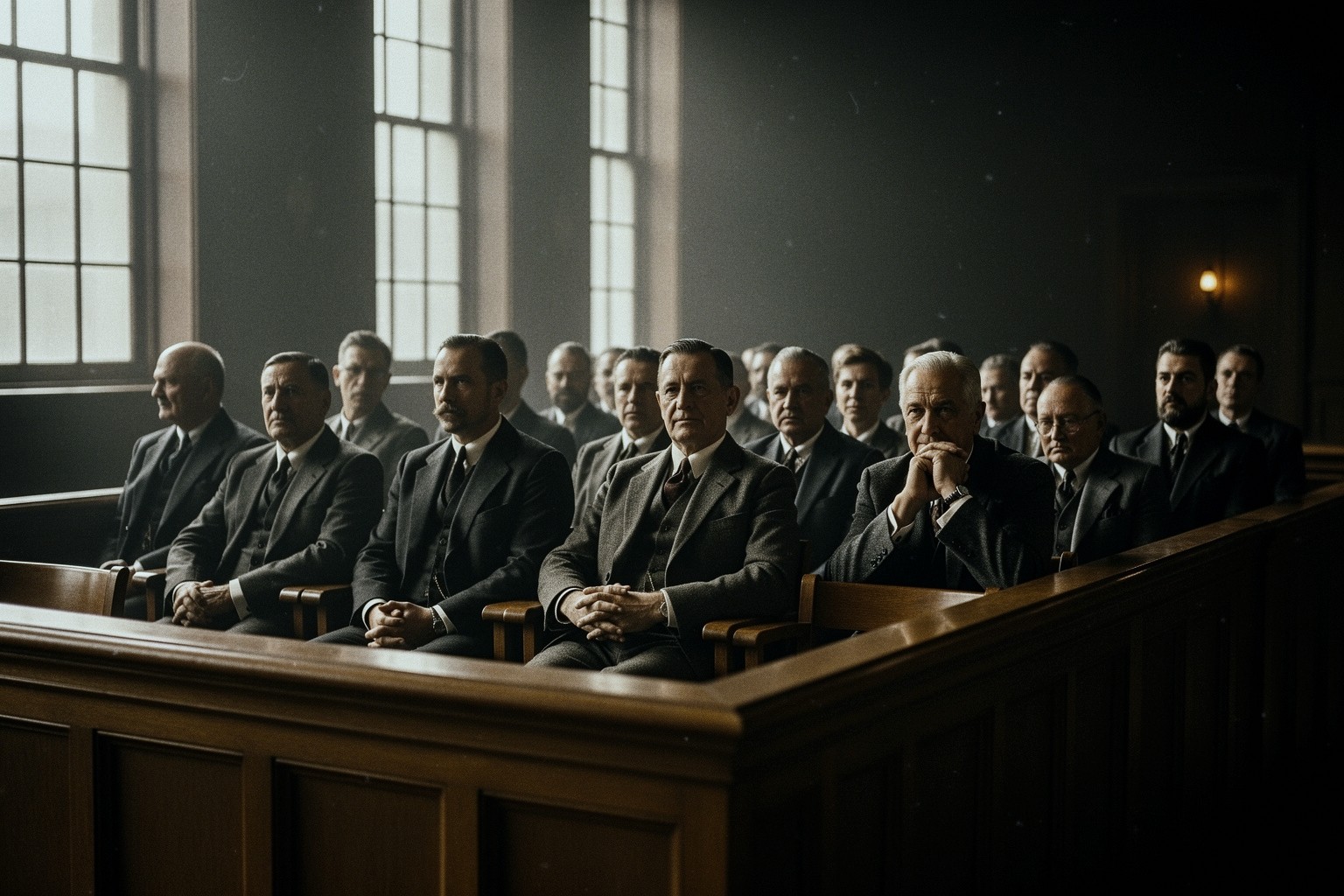
On October 17, 1931, a federal jury in Chicago found Al Capone guilty. It was not for bootlegging or for murder. It was for failing to pay his income tax.
For years police and Prohibition agents had chased him and come up short. Witnesses forgot what they had seen. Jurors could be reached. On the trial's first morning, Judge James Wilkerson swapped the entire jury panel for one from another courtroom, a precaution against tampering.
The government's case leaned on a 1927 Supreme Court ruling that money made from crime is still income, and still taxable. Treasury agents built the case from deposits, purchases and the testimony of people who had handled his cash. A man with almost nothing in his own name had spent like a very rich one.
The most feared gangster in America was brought down by bookkeeping, and even then the jury convicted him on only five counts.
A week later he was sentenced to eleven years and fined $50,000. He served much of it, part on Alcatraz, and left prison in 1939 too sick to run anything again.
Checked against: Federal court records of the 1931 trial; Internal Revenue Service and Treasury Department historical accounts; contemporary Chicago and national newspaper coverage; published biographies of Capone; the 1927 Supreme Court decision on taxing illegal income.
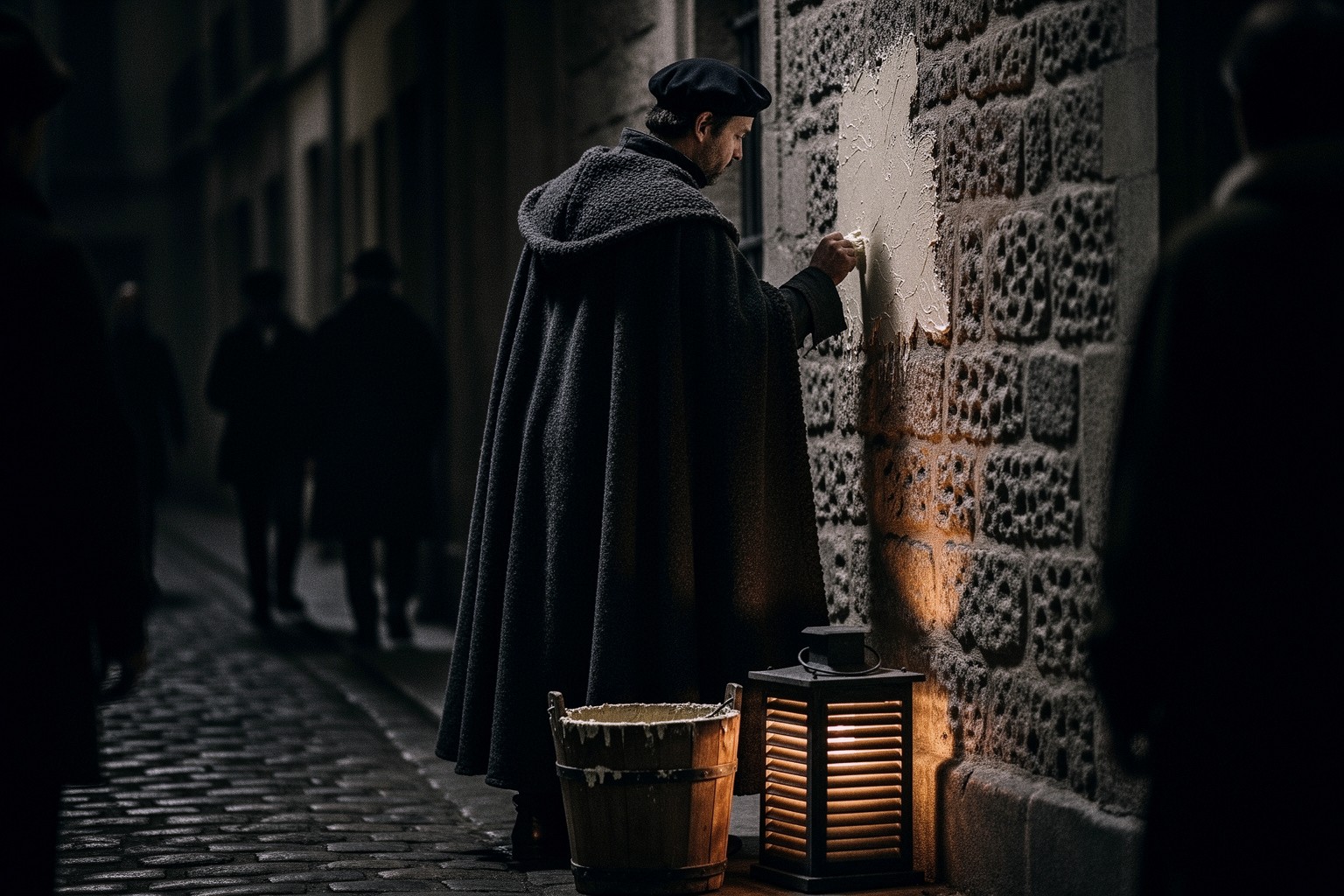
On the night of October 17, 1534, Protestant sympathisers pasted printed broadsheets across Paris and several other French towns, including Blois, Rouen and Orléans. The text attacked the Catholic Mass in blunt, furious language.
The broadsheets were written by Antoine Marcourt, a French pastor working in Neuchâtel, and printed there before being carried into France. The posting was done quickly and in the dark. By morning, Parisians were reading them on church doors and street corners.
One copy turned up on the door of the king's bedchamber at the château of Amboise. Until then, Francis I had tolerated reformers at the edges of his court, and his own sister, Marguerite of Navarre, protected several of them.
The posters were meant to open France to reform. Instead they convinced the king that reform meant sedition.
Arrests followed within weeks, and burnings in Paris that winter. In January 1535 Francis walked bareheaded through the city in a procession of penance. Among the young reformers who left France was John Calvin, who published his Institutes in exile and addressed them to the king who had made France unsafe for him.
Checked against: Histories of the French Reformation; biographies of Francis I and John Calvin; scholarly studies of the Affair of the Placards and sixteenth-century French printing
Frédéric Chopin died in Paris on October 17, 1849, aged 39, after years of a lung illness usually identified as tuberculosis. He had left Poland as a young man in 1830 and never went back. Warsaw was under Russian rule, and he made his life and his name in France.
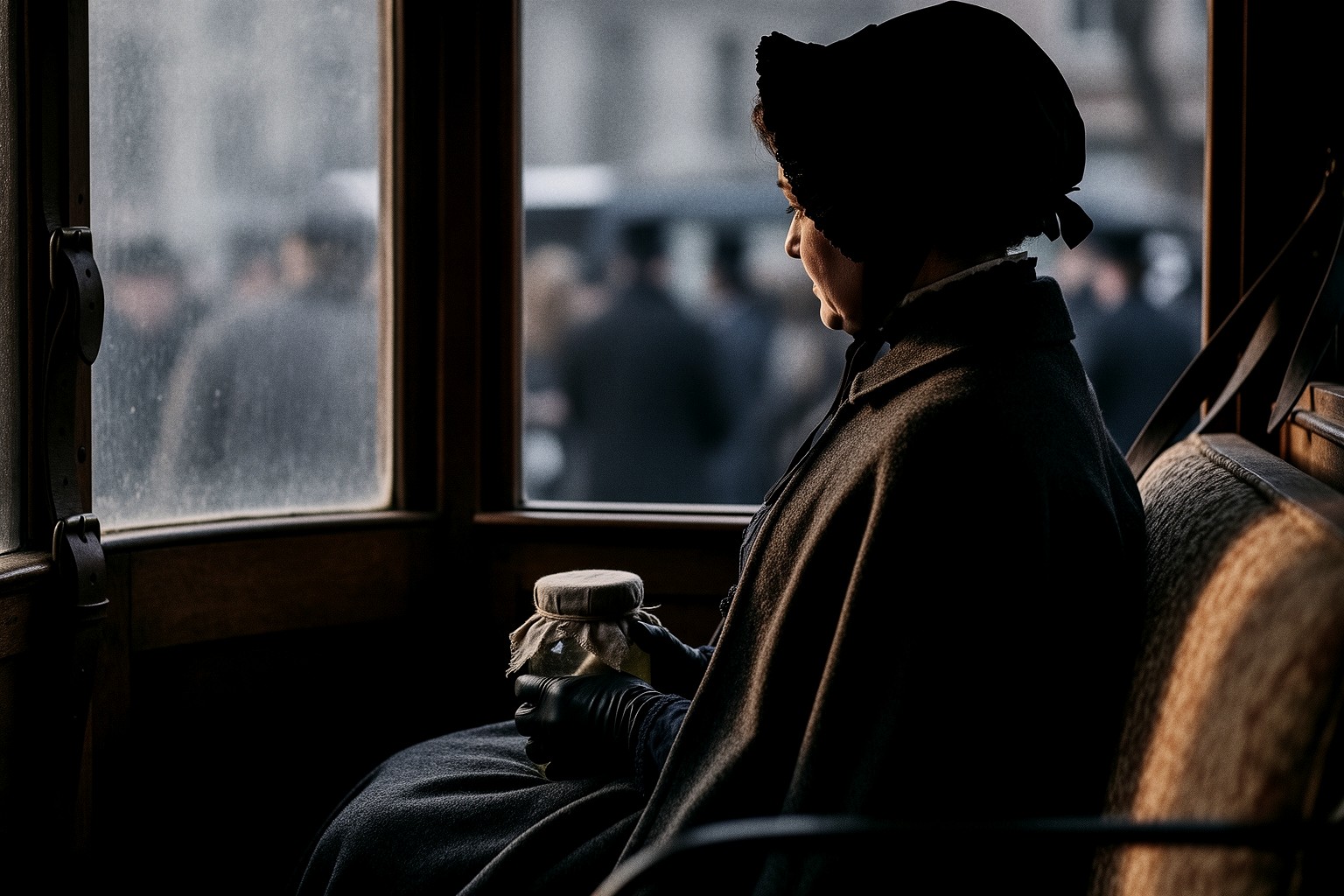
Before he died, he asked that his body be opened. Doctors removed his heart. His body was buried at Père Lachaise cemetery in Paris. His older sister, Ludwika, took the heart, preserved in a jar of spirits, back across Europe to Warsaw.
There it was sealed inside a pillar of the Holy Cross Church. During the Warsaw Uprising in 1944 it was taken out and held by German forces, then returned after the war. Poles came to treat it as a relic of a nation that had gone on playing its own music while others ruled it.
The request had little to do with Poland. Chopin was afraid of being buried alive, and the cut was meant to make certain he was dead.
The patriotic meaning came from the people who received the jar, and they have guarded it ever since. In 2014 a small team opened the pillar at night, examined the jar without unsealing it, and walled it up again.
Checked against: Standard Chopin biographies; Holy Cross Church and Fryderyk Chopin Institute records; peer-reviewed medical report on the 2014 examination of the heart
A comedy show coined a word. The word was already old.
Illustration generated by AI for The Day Vault.
On October 17, 2005, Comedy Central aired the first episode of The Colbert Report. Stephen Colbert played a cable pundit who trusted his gut over any book.
The first episode included a segment called The Wørd. That night's word was truthiness: believing something because it feels true, whatever the facts say. Colbert aimed it at a political culture that had stopped checking. The audience laughed, and the word spread from the studio to op-ed pages, classrooms and talk radio.
Within months the American Dialect Society named truthiness its 2005 Word of the Year. In 2006 Merriam-Webster readers voted it their Word of the Year too. A joke from a basic-cable premiere had become a standard term for a whole style of argument.
The word wasn't new. Lexicographers found truthiness in nineteenth-century print, where it meant plain honesty.
It had once meant telling the truth. After one cable broadcast it meant nearly the opposite, and that was the sense the voters picked.
Checked against: Contemporary television listings and reviews of the premiere; American Dialect Society Word of the Year announcements; Merriam-Webster Word of the Year press materials; historical dictionary entries and lexicographers' commentary on earlier usage.
A city sang along. It hasn't had the chance since.
Illustration generated by AI for The Day Vault.
On October 17, 1979, the Pittsburgh Pirates beat the Baltimore Orioles 4-1 in Game 7 of the World Series. Days earlier they had trailed the series three games to one. They won the last three straight, the final two in Baltimore.
Baltimore led Game 7 1-0 into the sixth inning. Then Willie Stargell, 39 years old and known in the clubhouse as Pops, hit a two-run home run that put Pittsburgh ahead for good. He was named the Series' most valuable player, capping a season in which he also shared the National League MVP award.
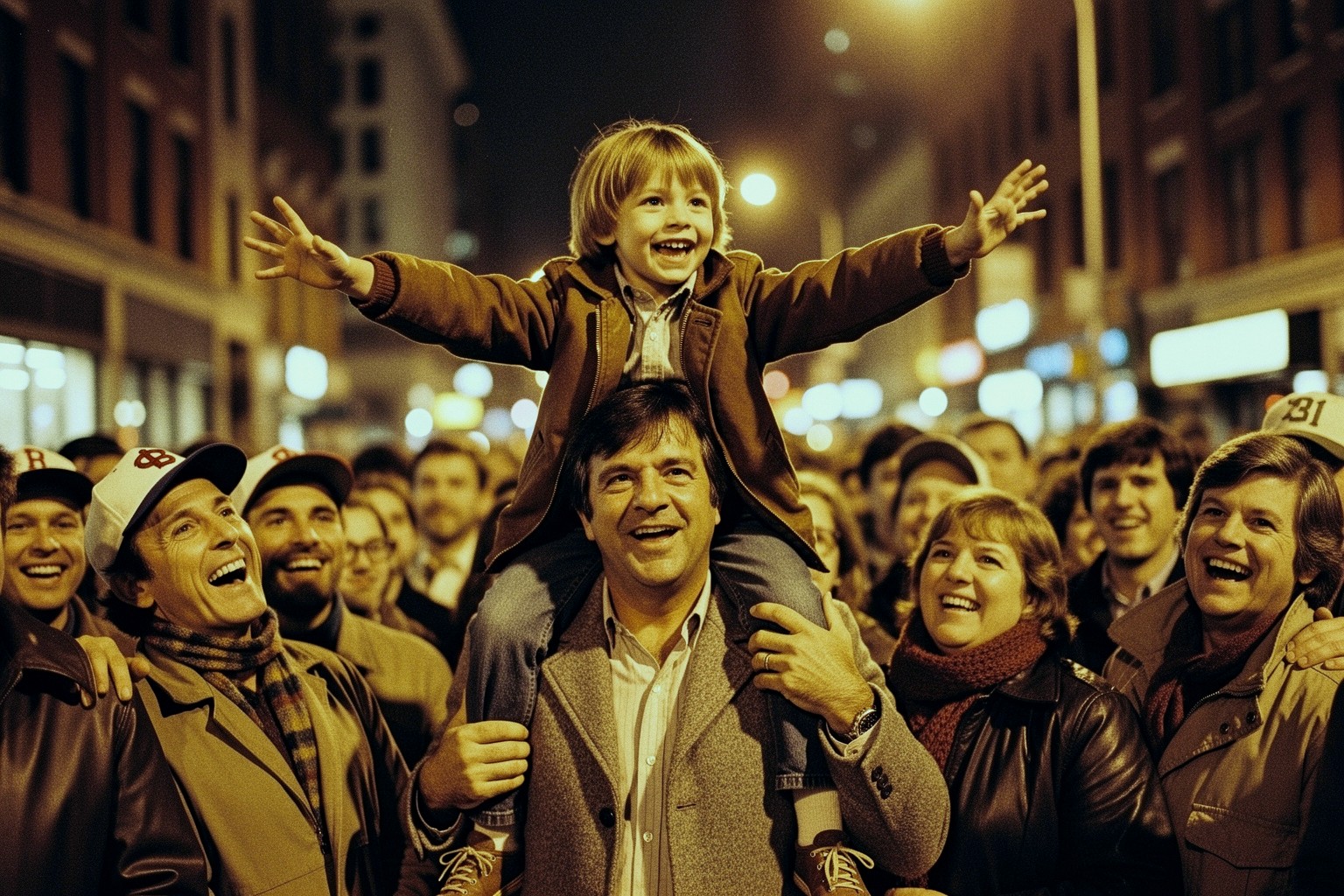
The team had adopted Sister Sledge's "We Are Family" as its anthem, and the song had become the sound of the summer at home games. When the last out came in Baltimore, fans back in Pittsburgh poured into the streets downtown, honking horns and hugging strangers well into the night.
It was the last time the Pirates played in a World Series.
The song still plays at their ballpark. For a generation of Pittsburgh fans, it remains the soundtrack to the newest championship they have, and to the only one many of them can remember.
Checked against: Major League Baseball official records and box scores; Baseball Hall of Fame archives; contemporary Pittsburgh and Baltimore newspaper coverage; team histories.
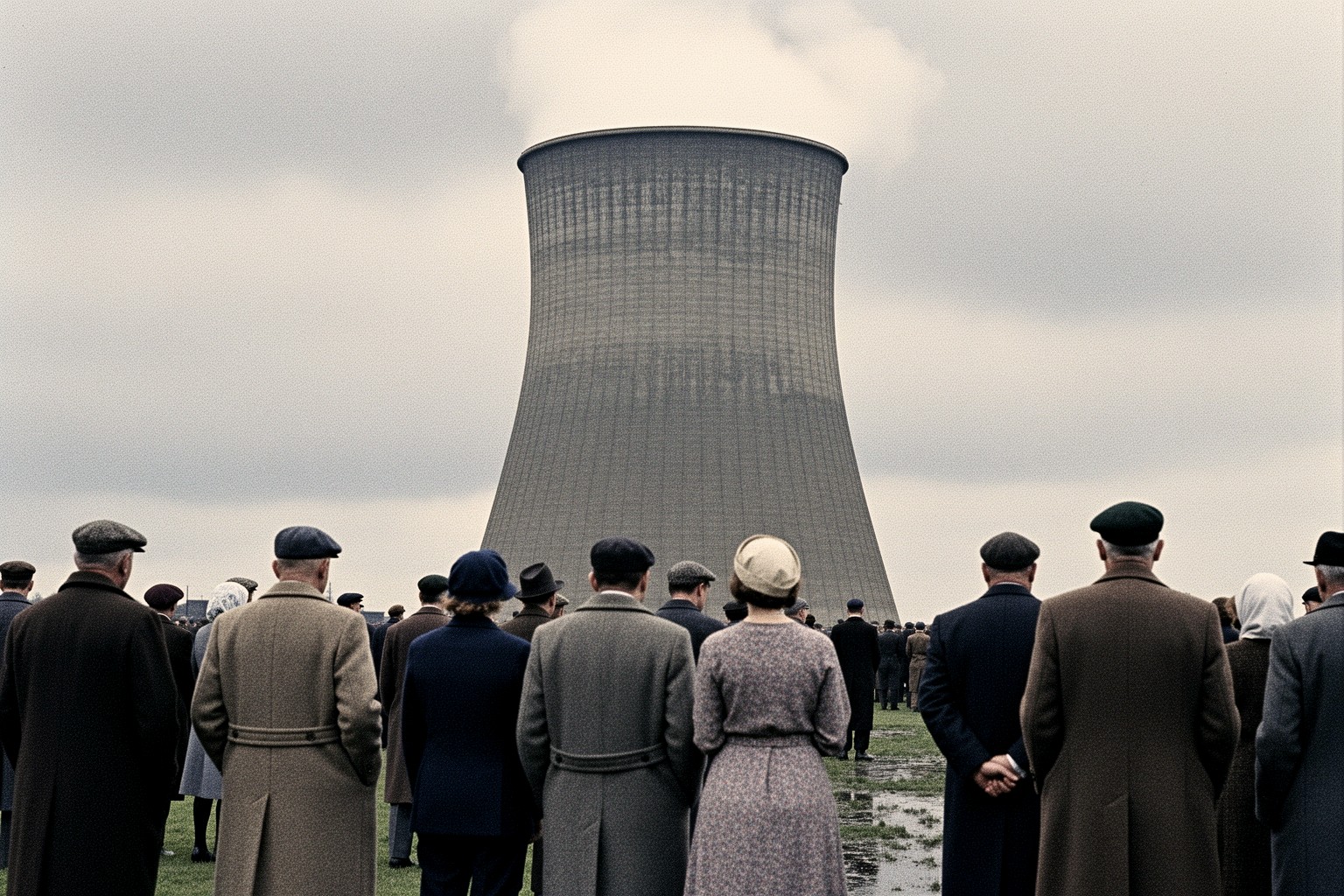
On 17 October 1956, the Queen opened Calder Hall, on the Cumberland coast, and electricity made by a nuclear reactor was switched into Britain's national grid. It was hailed as the world's first nuclear power station working on a commercial scale.
The design was plain and heavy. Uranium fuel rods, sealed in a magnesium alloy that gave the reactor type its name, Magnox, sat in a core of graphite. Carbon dioxide gas carried the heat away to boilers. Concrete cooling towers rose over the fields beside the Windscale works, and newsreels presented the scene as the start of an age of cheap, clean power.
Ministers spoke of peaceful atoms. Engineers from abroad came to look. Britain, short of coal and money after the war, wanted the world to see a future it could build first.
But the electricity was the by-product. Calder Hall had been designed first to make plutonium for Britain's nuclear weapons, and the grid received what the reactors produced along the way.
It went on doing both jobs for decades. When Calder Hall finally shut down in 2003, it had outlasted the Cold War that paid for it.
Checked against: Contemporary newsreel and newspaper reports of the opening; UK Atomic Energy Authority histories; parliamentary records; published histories of the British nuclear weapons and power programmes
The message crossed the Atlantic with no wire at all
Illustration generated by AI for The Day Vault.
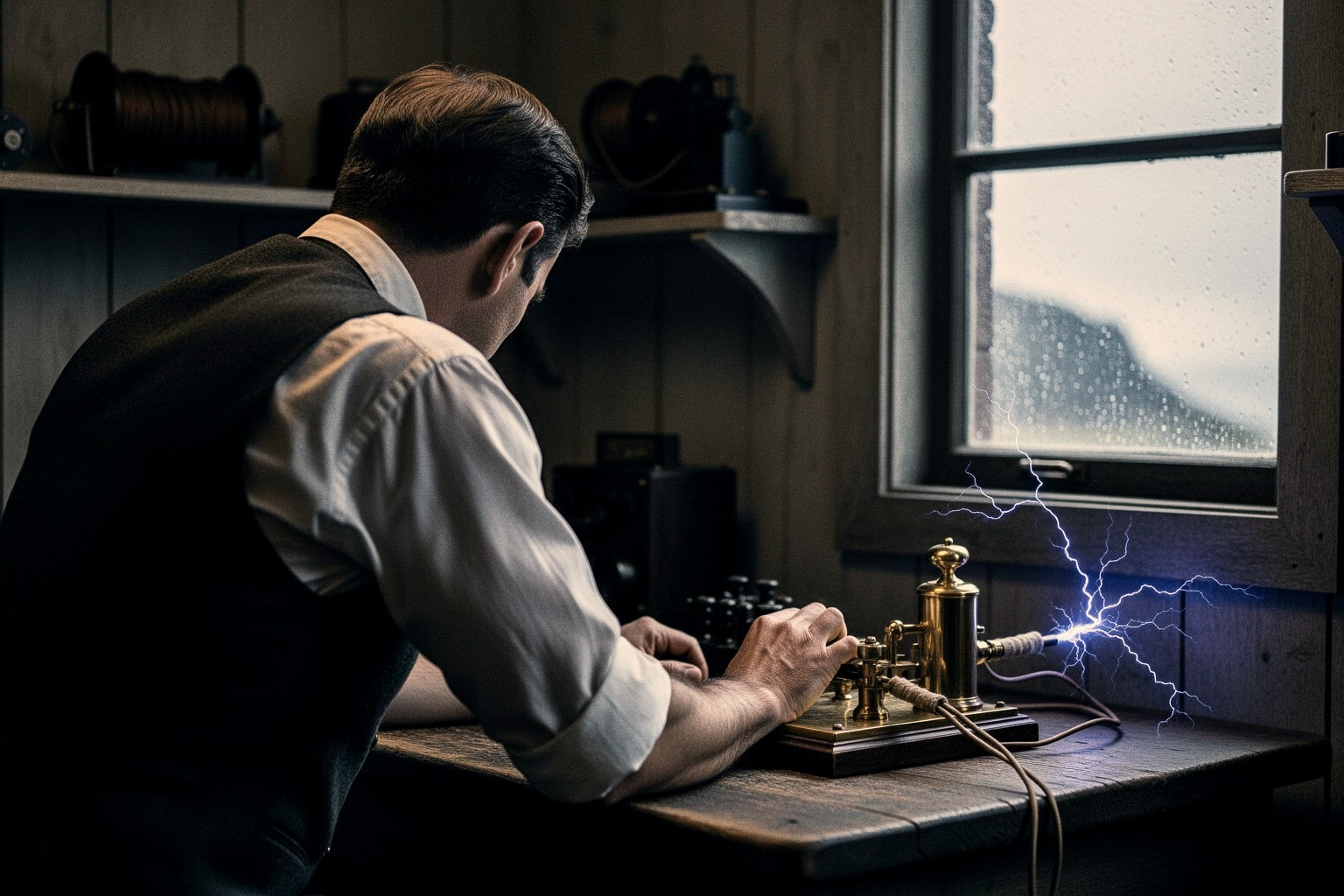
On October 17, 1907, Guglielmo Marconi's company opened the first commercial wireless service across the Atlantic. Paying customers could send a telegram from Clifden, on the west coast of Ireland, to Glace Bay in Nova Scotia, and nothing connected the two but air.
Until then, a message between Europe and North America travelled through undersea cable, a monopoly that had held since the 1860s. Marconi's stations replaced the cable with masts, aerial wires and spark transmitters loud enough to be heard outside the buildings. At Clifden, the boilers that powered the equipment burned turf cut from the surrounding Connemara bog. The station became one of the largest employers in the district.
The service was slow at first and prone to interference, but it worked. Ships, newspapers and governments learned they could talk across an ocean without asking the cable companies. Within a few years, wireless at sea was a matter of law as well as convenience.
The Clifden station did not survive Ireland's own upheaval: in 1922, during the Civil War, anti-Treaty forces set it on fire.
Marconi's company chose not to rebuild, and the bog quietly took back the ground where the first ocean-spanning radio business had stood.
Checked against: Marconi company histories, histories of transatlantic telegraphy, Irish local and Civil War histories, contemporary newspaper reports