On October 20, 1973, a Saturday, President Richard Nixon ordered Attorney General Elliot Richardson to fire Archibald Cox, the special prosecutor investigating Watergate. Cox had subpoenaed White House tape recordings and refused a compromise that would have given him summaries instead of the tapes themselves. That afternoon Cox told reporters he would keep pressing for them.
By evening the order had arrived. Richardson resigned rather than carry it out. His deputy, William Ruckelshaus, also refused and left. The next man in line, Solicitor General Robert Bork, signed the dismissal.
That night FBI agents sealed the special prosecutor's offices. The White House announced that the office itself was abolished. Reporters called the evening the Saturday Night Massacre, and the name stuck before Sunday's papers were printed.
The purge was meant to end the investigation. It did the opposite.
Telegrams poured into Congress, and within days the House moved toward an impeachment inquiry. Nixon agreed to surrender the subpoenaed tapes, and a new special prosecutor, Leon Jaworski, took over in November. Nine months later the Supreme Court ordered more tapes released, and Nixon resigned.
Checked against: Contemporary newspaper coverage, Justice Department records, House Judiciary Committee documents, presidential library archives, published histories of Watergate
On October 20, 1827, a combined British, French and Russian fleet sailed into Navarino Bay, on the southwest coast of Greece, and anchored among the Ottoman and Egyptian warships already moored there in a tight horseshoe.
The allies had come to enforce a truce. Under the Treaty of London, signed that July, the three powers had demanded an armistice in the Greek war of independence. Their admirals were meant to press for it, not to start a war.
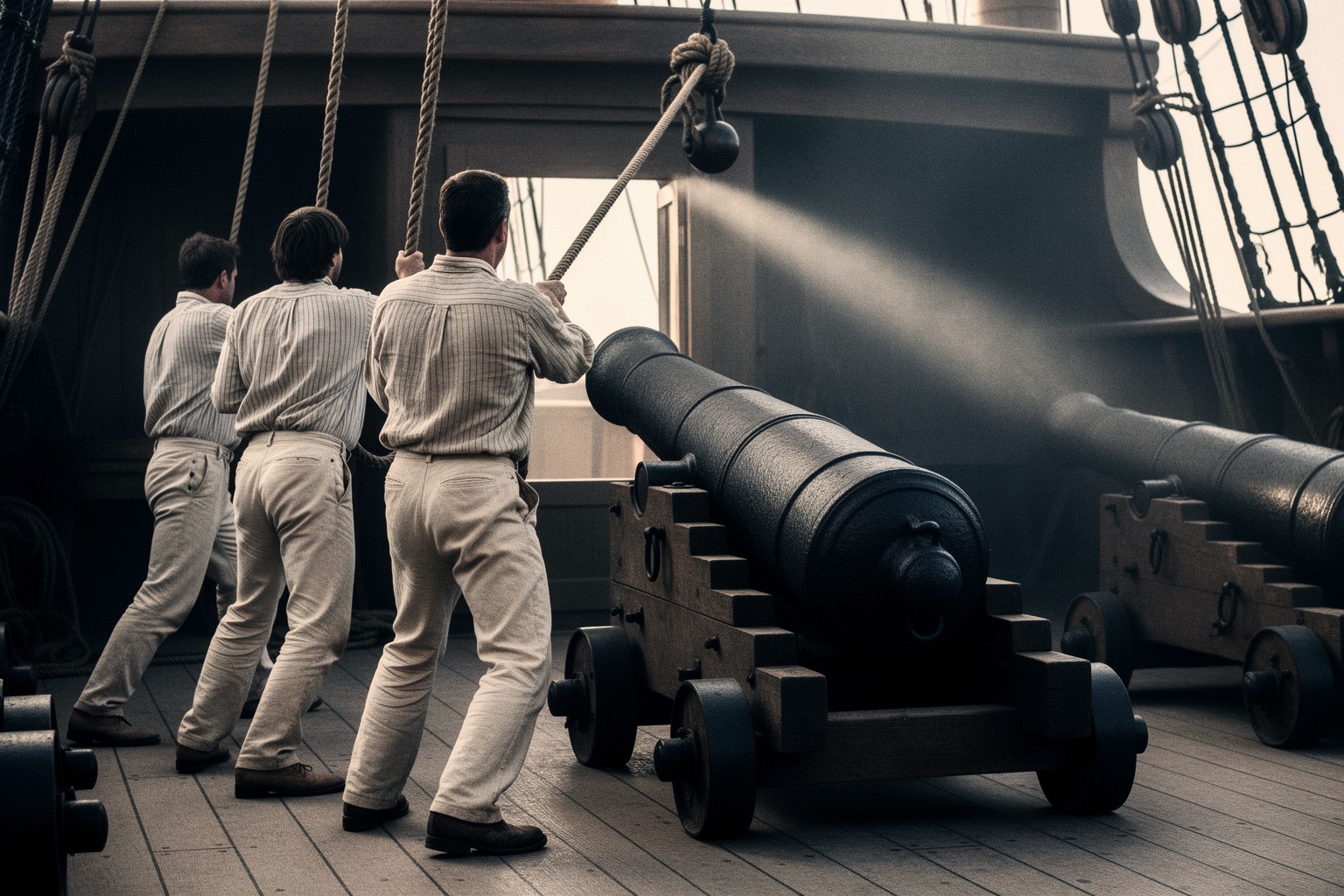
Within hours they had one. Shots were exchanged near a fireship, the firing spread down the line, and for about four hours wooden ships pounded each other at close range. By evening most of the Ottoman-Egyptian fleet was burned or sunk. The allies lost none. It was the last major battle fought entirely under sail.
In London, the government did not celebrate. The King's Speech of January 1828 called the victory an "untoward event", and Vice-Admiral Sir Edward Codrington, who had commanded the allied fleet, was recalled that year.
Greece got its independence anyway. With the Ottoman fleet at the bottom of the bay, the army fighting the Greeks could no longer be reliably supplied by sea, and within five years the great powers had recognised an independent Greek state.
Checked against: British naval histories of the Battle of Navarino; the text of the 1827 Treaty of London; the parliamentary record of the King's Speech, January 1828; standard histories of the Greek War of Independence
On October 20, 1947, the House Un-American Activities Committee opened hearings in Washington on communist influence in Hollywood. The first week belonged to friendly witnesses: studio heads and actors who described what they saw as subversion on the lot.
The next week, ten writers and directors were called. They refused to say whether they were or had ever been members of the Communist Party, arguing that the First Amendment protected them. Some were led from the witness chair while still trying to read prepared statements. In November, Congress cited all ten for contempt, and studio executives announced they would not employ them.
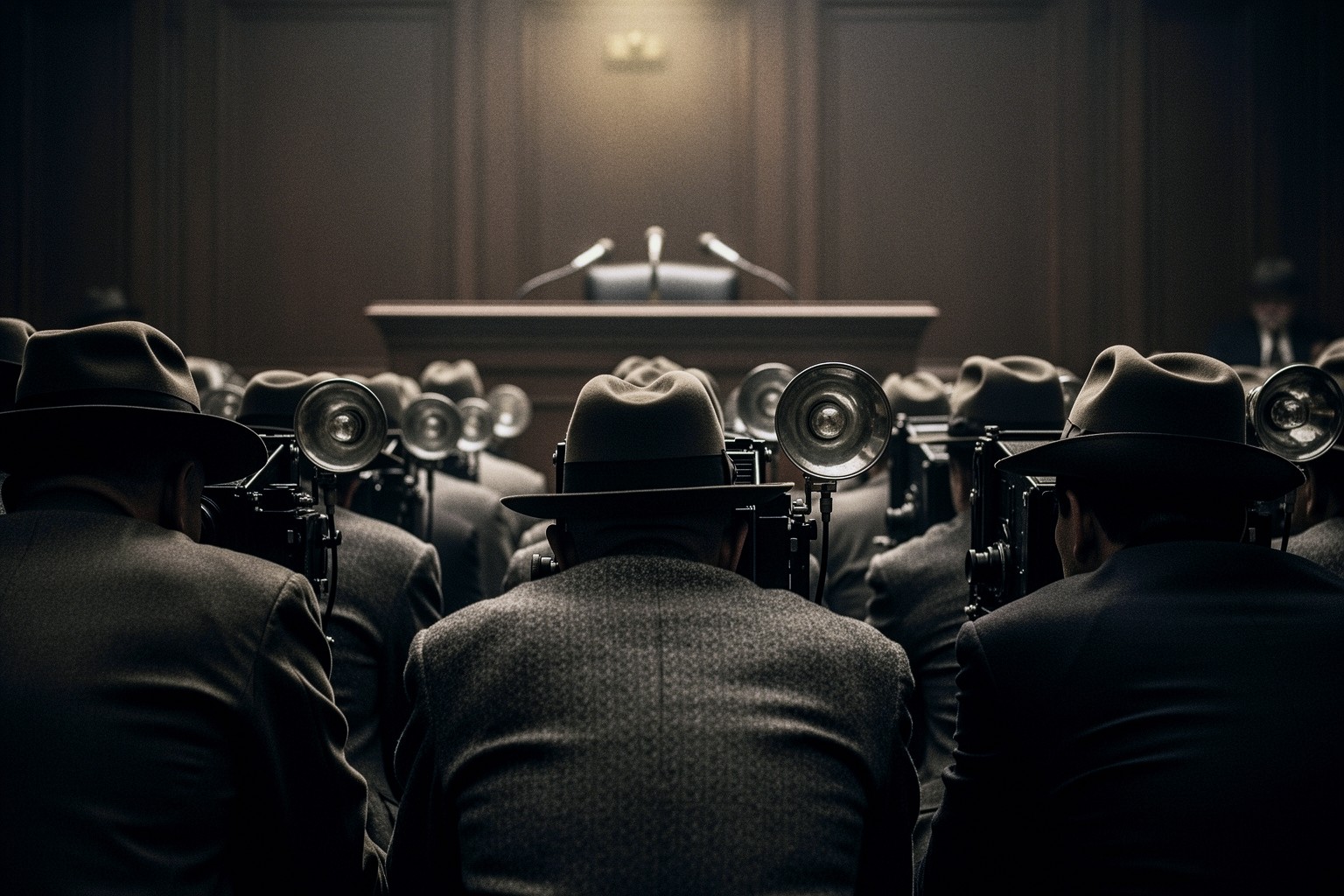
The committee's chairman, J. Parnell Thomas of New Jersey, ran the hearings with a busy gavel and a press section crowded with cameras. By 1950 the Hollywood Ten had lost their appeals and gone to federal prison.
So had Thomas, convicted of fraud for padding his congressional payroll with staff who kicked their salaries back to him.
He served his sentence at the federal prison in Danbury, Connecticut, where two of the Ten, Ring Lardner Jr. and Lester Cole, were already inmates.
Checked against: Congressional hearing transcripts, House contempt citation records, federal court records of the Thomas fraud case, contemporary newspaper coverage, standard histories of the Hollywood blacklist
China won the war, then walked back down the mountain
Illustration generated by AI for The Day Vault.
On October 20, 1962, Chinese troops attacked Indian positions along two stretches of a disputed Himalayan border: the North-East Frontier Agency in the east and Ladakh in the west. The first blows fell at dawn near the Namka Chu, a river below the Thag La ridge.
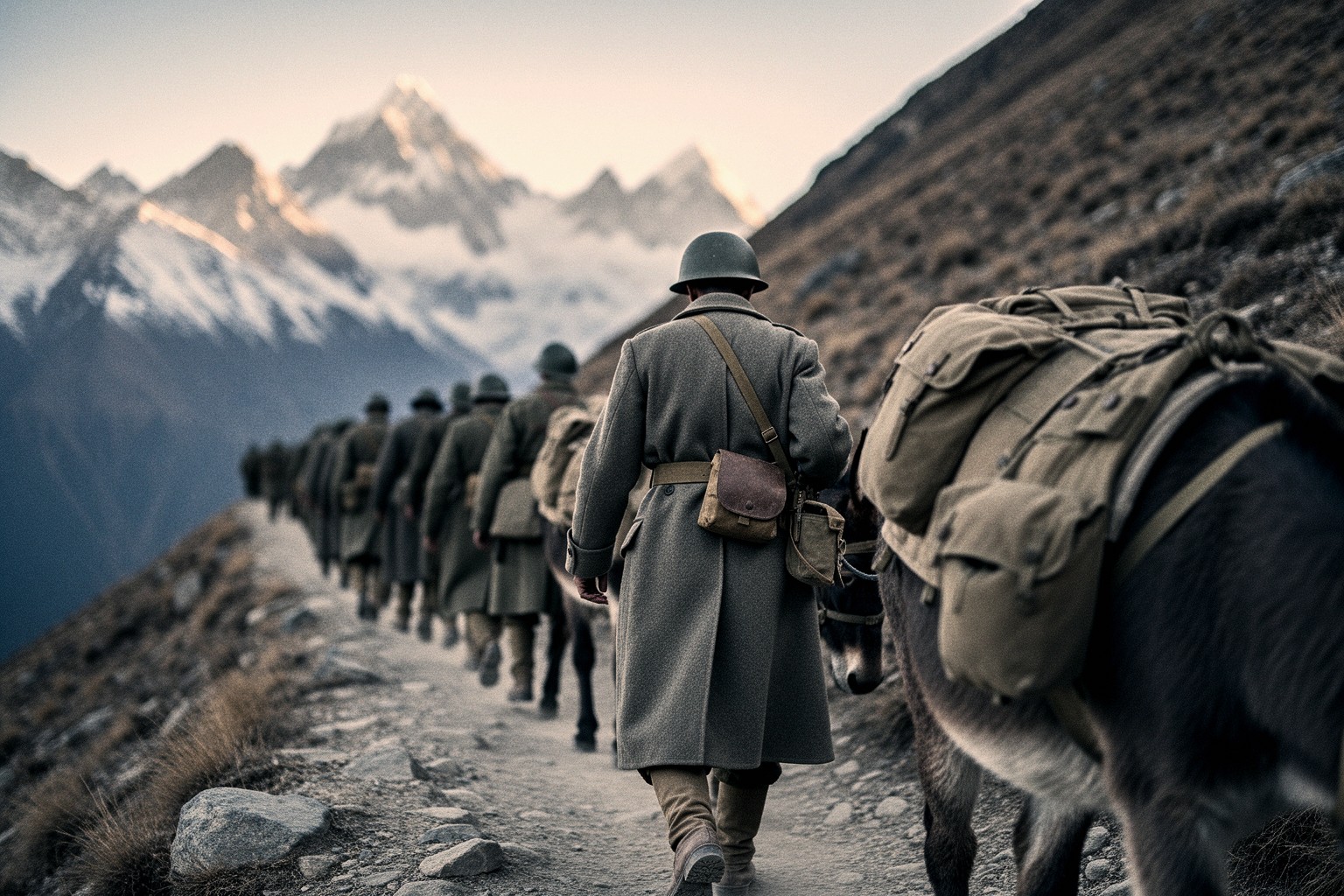
Through 1961 and 1962, India had pushed small outposts forward into contested ground, betting that China would not answer with force. The posts sat at high altitude, supplied by mule tracks and air drops. Many fell within hours.
Much of the world barely looked. Two days later, President Kennedy went on television about Soviet missiles in Cuba, and the Himalayan war slid off the front pages. By mid-November, Chinese units had pushed down toward the foothills above the plains of Assam.
Then, on November 21, China declared a ceasefire of its own and began pulling its troops back. In the east, it gave up almost everything it had just taken.
In the west, it kept Aksai Chin. India rebuilt and enlarged its army, and the line where the two forces stopped is still disputed by the soldiers who patrol it today.
Checked against: Official histories of the 1962 war, contemporary newspaper reports, diplomatic records, and academic studies of the Sino-Indian border dispute
A minute of film, and nobody knows how fast it ran
Illustration generated by AI for The Day Vault.
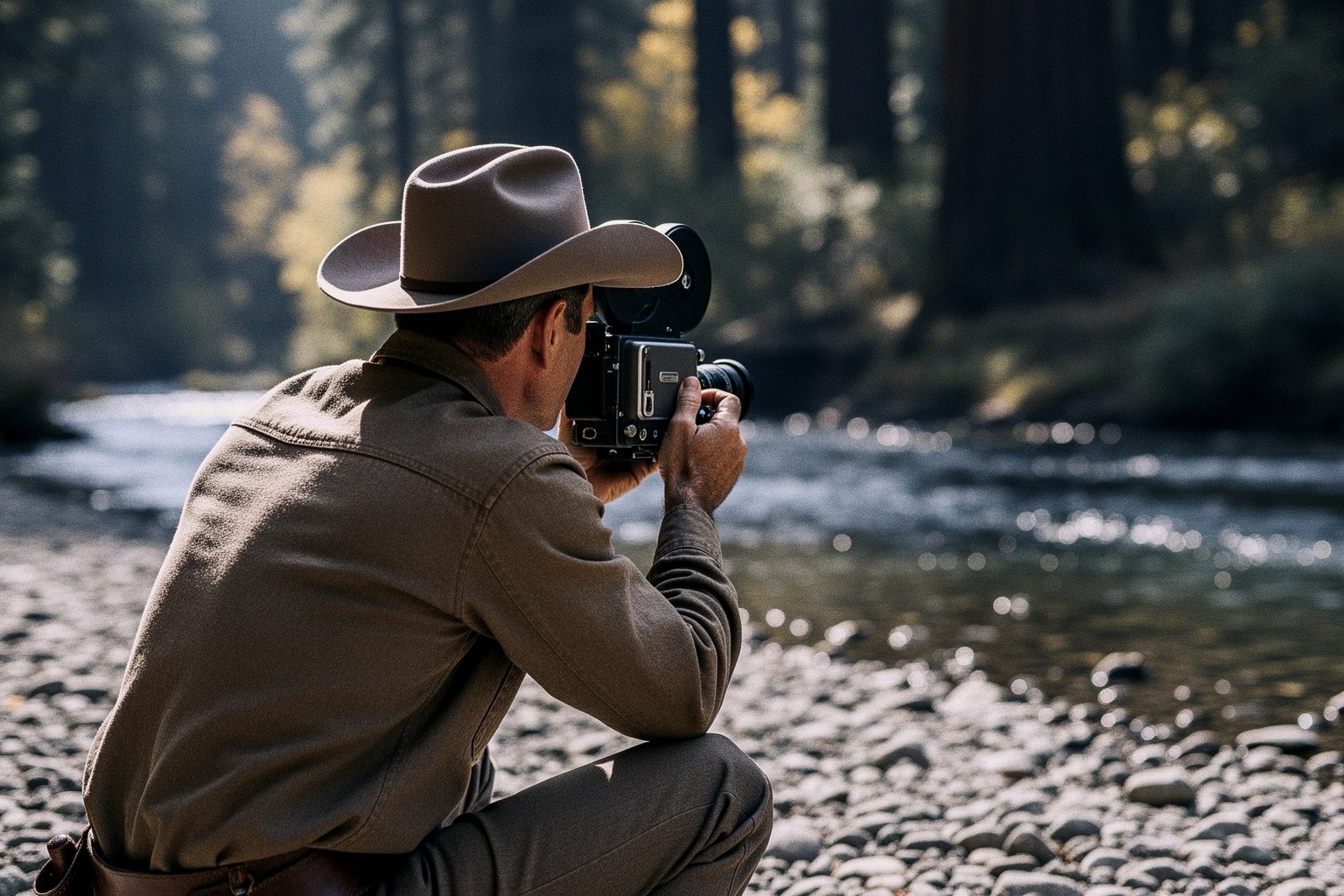
On October 20, 1967, two men riding along Bluff Creek in Northern California came back with about a minute of 16mm colour film. Roger Patterson and Bob Gimlin said a tall, dark, hairy figure had crossed a gravel sandbar ahead of them.
Patterson jumped from his horse and ran after it, filming. The footage lurches at first, then steadies. The figure walks away with a long, rolling stride, and at one point turns its head and shoulders to look back at the camera. That single frame became the most reproduced image of Bigfoot ever made.
Scientists, special-effects artists and enthusiasts have studied the reel for more than half a century. Animal, or a man in a suit? Much of the case rests on the walk. Played at one speed, the gait looks heavy and unlike a person's. Played at another, it looks like someone striding across a riverbed.
Patterson was never sure which speed was right. His rented camera could run at several frame rates, and he did not record the setting.
Every analysis since has had to guess the one number that might settle it. Patterson died in 1972 still insisting the film was genuine, and the argument runs on at whatever speed you choose.
Checked against: Contemporary California newspaper reports; published interviews with Bob Gimlin; peer-reviewed and popular analyses of the film by anthropologists and film technicians; books on the history of the Bigfoot phenomenon
Born on October 20, celebrated whenever the moon says
Illustration generated by AI for The Day Vault.
On October 20, 1819, a boy named Siyyid ʻAlí Muhammad was born into a family of merchants in Shiraz, Persia. He grew up in the family trade, and by his twenties he was selling goods in the Gulf port of Bushehr.
In 1844 he announced that he was the Báb, the "Gate" to a promised figure, and began writing new scripture. His movement spread across Persia fast enough to alarm both the Shi'a clergy and the Shah's government. He spent years under arrest in remote mountain fortresses. In July 1850 a firing squad shot him in Tabriz.
Thirteen years later, one of his followers, Bahá'u'lláh, declared himself the figure the Báb had foretold. Most Bábís followed him, and the Bahá'í Faith grew from there. Today the Báb's remains lie in a gold-domed shrine on Mount Carmel in Haifa, and his birth is one of the faith's holy days.
Except that his followers now rarely mark it on October 20.
In 2015 the Bahá'í world began dating the holiday by the lunar calendar. The Báb's birth and Bahá'u'lláh's had fallen on consecutive lunar days, so the two are now celebrated back to back. The anniversary drifts each year, landing anywhere between mid-October and mid-November.
Checked against: Academic histories of the Bábí and Bahá'í movements, encyclopedias of religion, contemporary Persian and European diplomatic accounts, official Bahá'í calendar publications
On October 20, 1977, a chartered Convair 240 carrying Lynyrd Skynyrd ran out of fuel over Mississippi and came down in swampy woods near Gillsburg. Twenty-six people were aboard. Six died.
The dead included singer Ronnie Van Zant, guitarist Steve Gaines and his sister Cassie, a backing vocalist. The band's assistant road manager and both pilots were also killed. The group had taken off from Greenville, South Carolina, bound for a show in Baton Rouge, Louisiana.
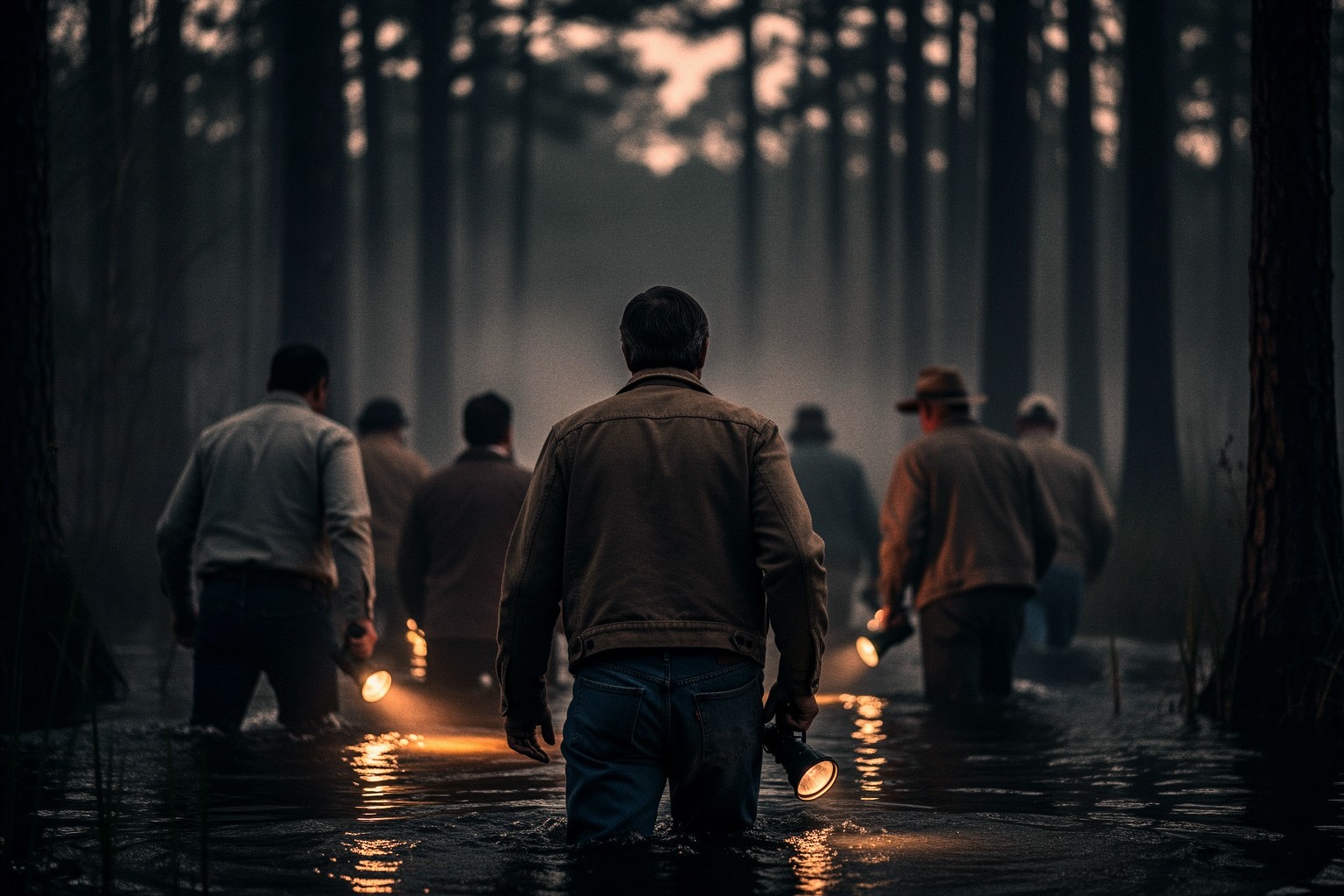
Survivors with broken bones stumbled out of the trees looking for help. Local residents waded into the woods in the dark and carried the injured out to waiting vehicles. A band that had been filling arenas all year stopped in a single evening.
Their new album, Street Survivors, had been in shops for three days. The cover photograph showed the band standing in a wall of fire.
MCA pulled the sleeve and reissued the record with the band posed against a plain black background. Later reissues restored the flames.
Checked against: National Transportation Safety Board accident report; contemporary wire service and newspaper coverage; record label release histories; published biographies of the band
The publisher hedged its bet. The author got rich.
Illustration generated by AI for The Day Vault.
On October 20, 1955, Allen & Unwin published The Return of the King, the last volume of J.R.R. Tolkien's The Lord of the Rings. Readers had waited almost a year since The Two Towers. Much of the delay came from Tolkien's appendices: calendars, family trees and alphabets he kept revising.
He had written one long novel. The publisher split it into three because a single book that size was expensive to print, and nobody knew whether anyone would buy it. Tolkien disliked the final title too. He complained that it gave away the ending.
The caution went further than the binding. Instead of a normal royalty, Allen & Unwin offered a profit-sharing deal. The author would get nothing until the books covered their costs, then half of everything after. If the books flopped, the firm stood to lose less.
The books did not flop.
Reprints, paperbacks and a generation of student readers turned the cautious contract into a fortune for Tolkien, split down the middle with a firm that had built the deal to limit a loss.
Checked against: Published collections of Tolkien's letters, authorised biography, publisher's memoirs and bibliographic histories of the first editions
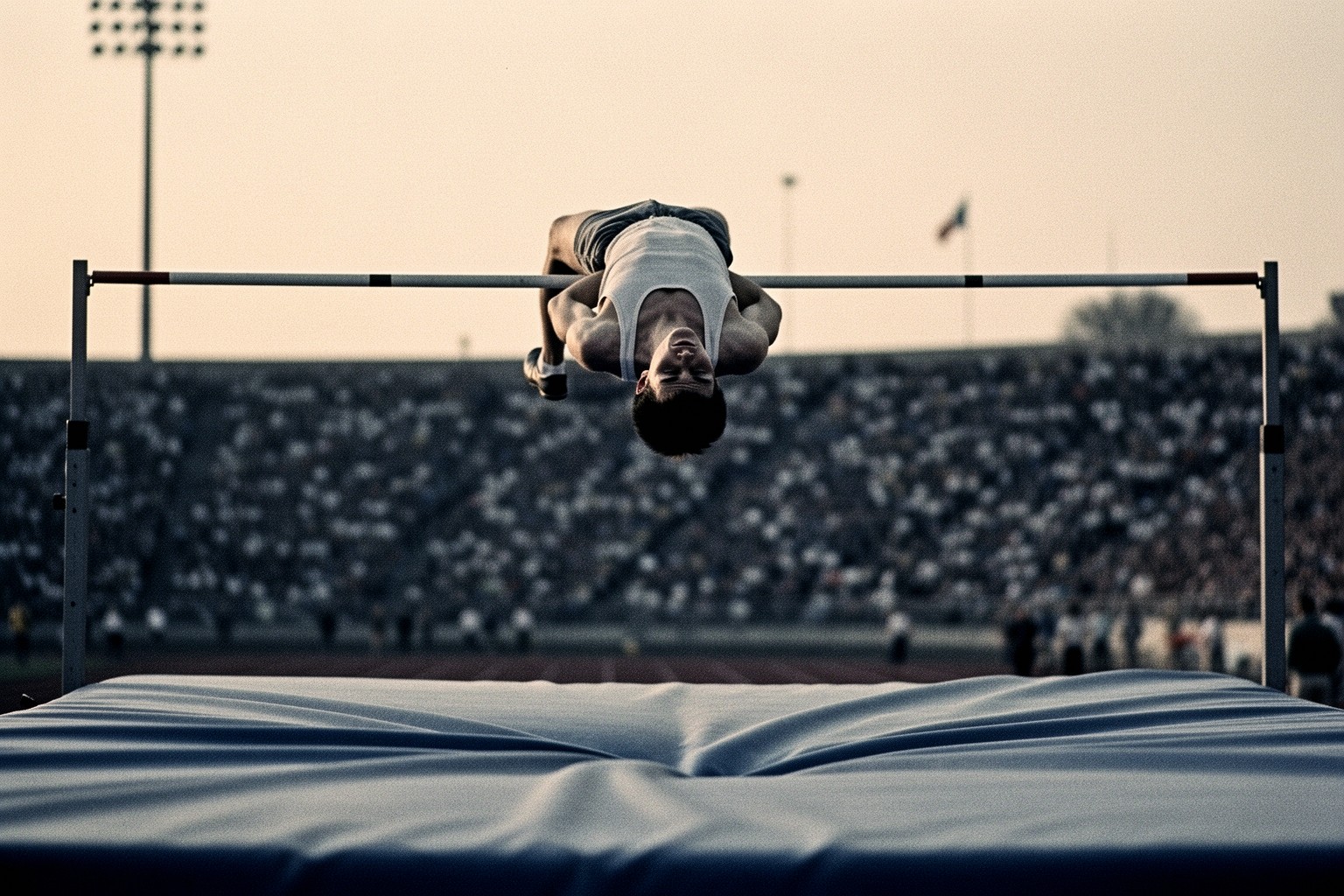
On October 20, 1968, in Mexico City, Dick Fosbury won Olympic gold in the high jump by going over the bar head first and on his back. He cleared 2.24 metres, an Olympic record. Most of the field went over face down, the way jumpers had been taught for decades.
Fosbury had worked the technique out as a teenager in Medford, Oregon, where he struggled with the standard straddle. Leaning back and arching over the bar got him a few more inches. Coaches doubted it. Some worried he would break his neck.
The landing made it possible. Older pits were filled with sand, sawdust or wood chips, which suited jumpers who came down on their feet and punished anyone who came down on their shoulders. By the late 1960s, deep foam mattresses had reached major meets. The Fosbury Flop was partly a product of new equipment.
Fosbury never won another major title. He failed to make the 1972 Olympic team and soon left competition for a career in engineering.
His jump outlasted him. Within a few years young jumpers everywhere were copying it, and today nearly every elite high jumper in the world goes over backwards.
Checked against: Official Olympic reports and results for the 1968 Mexico City Games; contemporary newspaper and wire coverage; track and field histories; published interviews and obituaries of the athlete
On October 20, 2020, NASA's OSIRIS-REx spacecraft reached down and touched the asteroid Bennu, more than 200 million miles from Earth. The contact lasted about six seconds.
The plan was simple in outline. A sampling head on a long arm would press against the surface and fire a burst of nitrogen gas. That would stir up dust and gravel, which the collector would catch. Then thrusters would push the spacecraft back to safety.
Engineers had spent nearly two years mapping Bennu. The chosen site, nicknamed Nightingale, was a crater hemmed in by boulders and barely wide enough for a safe approach. The team in Colorado could not steer in real time. Signals took about 18 minutes to arrive, so they watched a touchdown that had already happened.
Bennu's surface offered almost no resistance. The sampler sank straight in, and scientists later concluded that without its thrusters the spacecraft would have kept sinking, as if into a pit of loose plastic balls.
It grabbed so much rock that pieces wedged the collector's lid open, and sample drifted out into space until the team rushed it into storage. The capsule landed in Utah in 2023 carrying about 121 grams, the largest asteroid sample ever returned.
Checked against: NASA mission releases and press briefings; University of Arizona mission team statements; peer-reviewed papers in Science and Science Advances on Bennu's surface; contemporary science journalism
On October 20, 1973, Queen Elizabeth II formally opened the Sydney Opera House. Crowds packed the harbour foreshore. The white shells on Bennelong Point had taken fourteen years to build.
The design came from a Danish architect, Jørn Utzon, who won an international competition in 1957 with drawings nobody yet knew how to build. The first estimate was AU$7 million, with completion in 1963. The final bill came to about AU$102 million.
The roof alone stalled the job for years. Engineers could not make the free-flowing curves stand up. Utzon solved it by cutting every shell from the surface of a single sphere, so the concrete ribs could be cast from repeating moulds.
The man who drew it was not in the crowd.
Utzon had resigned in 1966 after a payment dispute with the New South Wales government and left Australia with the interiors unfinished. Other architects completed them. He never came back to see the building in person, and died in 2008.
Checked against: Sydney Opera House Trust archives; NSW State Archives records on the construction; published biographies of Jørn Utzon; contemporary Australian newspaper coverage of the 1973 opening