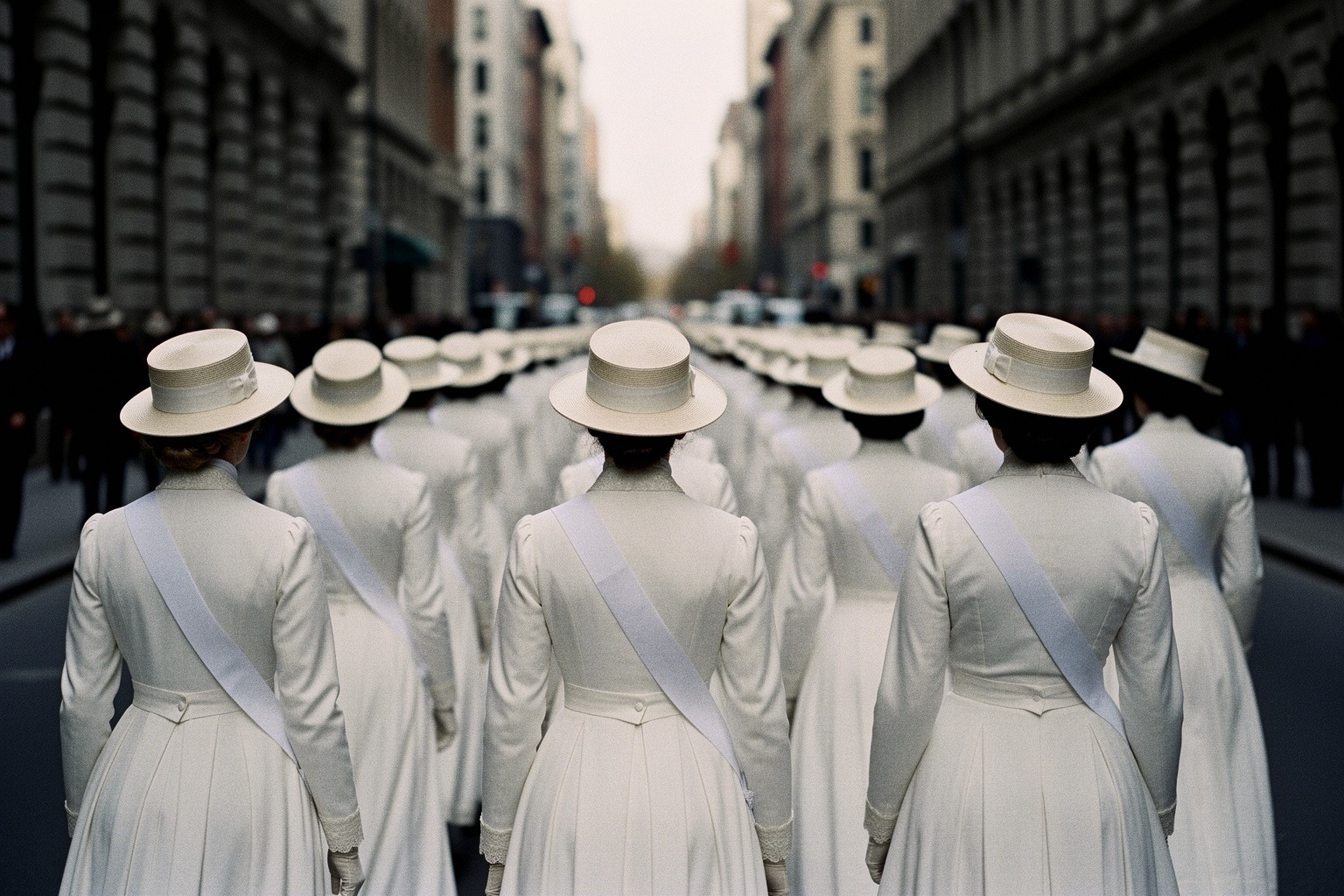
On October 23, 1915, tens of thousands of suffragists marched up Fifth Avenue in New York City. It was one of the largest parades for women's voting rights the country had seen.
They came in organised ranks: teachers, nurses, factory workers, college graduates. Many wore white. A contingent of men marched with them, and crowds packed the sidewalks for hours to watch the columns pass.
The timing was deliberate. In ten days, New York would hold a statewide referendum on amending its constitution to let women vote. Campaigners had spent months canvassing, speaking on street corners and handing out leaflets. The parade was the last great show of strength before the ballot.
On November 2, the state's voters, every one of them a man, rejected the amendment.
The organisers began again almost at once. Two years later, in 1917, New York's men approved women's suffrage. That made New York the first state in the East to grant women full voting rights, and its large congressional delegation gave the federal amendment new weight in Washington.
Checked against: Contemporary New York newspaper coverage; histories of the New York woman suffrage campaign; state election records for the 1915 and 1917 referendums
On October 23, 1946, the United Nations General Assembly met in New York for the first time. President Harry Truman gave the opening address to delegates from more than fifty countries.
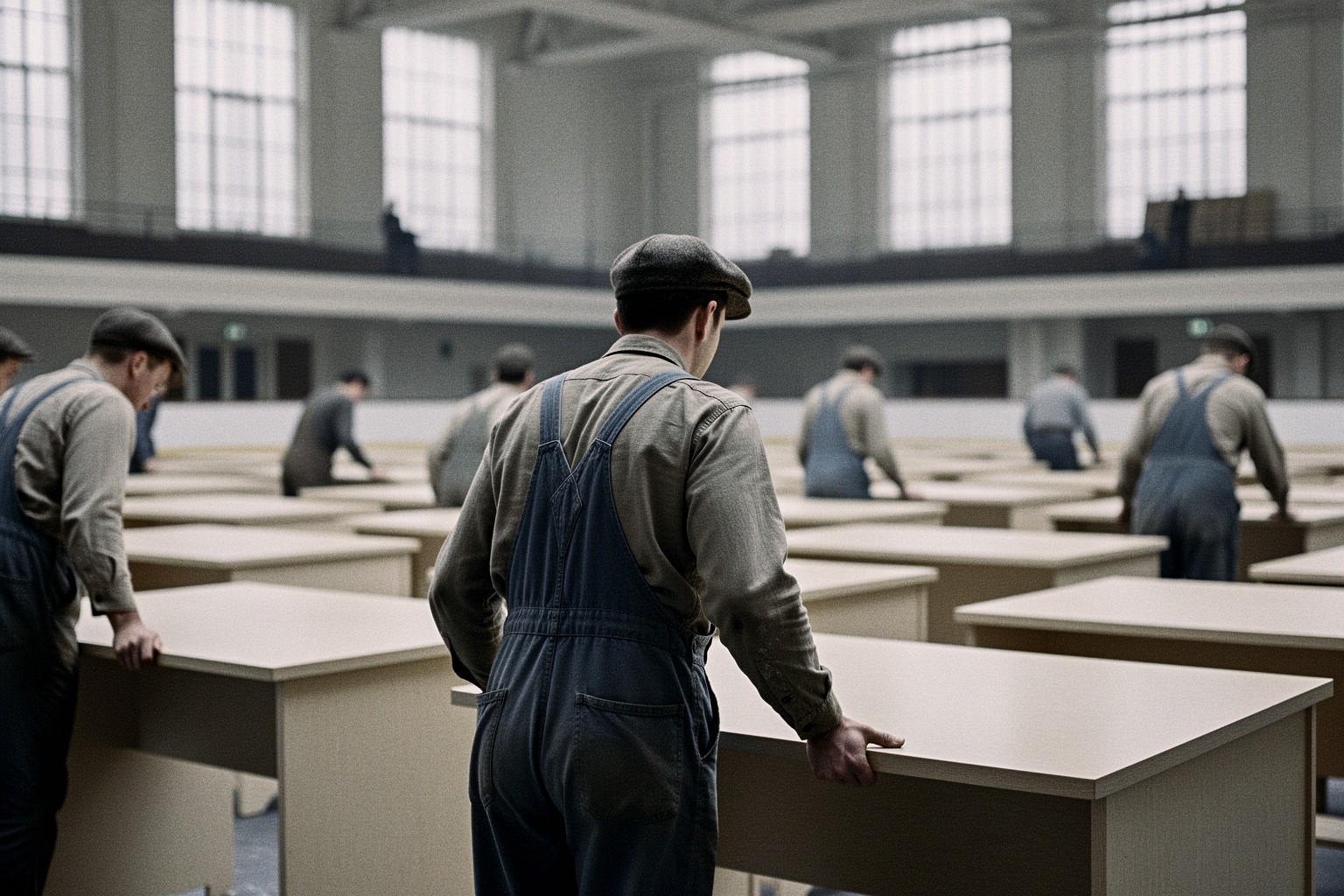
The hall was in Flushing Meadows, Queens. It had been built as the New York City pavilion for the 1939 World's Fair. After the fair closed, it became a public recreation building, with a roller rink and an ice rink. For the Assembly it was refitted with delegate desks, a podium and seating for the press and public.
The rest of the organisation was scattered across Long Island. The Security Council and the secretariat worked out of a former gyroscope factory at Lake Success. A permanent headquarters in Manhattan was still years from finished. In the meantime, the Assembly did serious work in Queens. In November 1947 it voted there to partition Palestine.
The arrangement was always temporary. The Assembly left the building after 1950, and the skaters came back.
For decades afterwards, Queens families laced up their skates in the hall where the partition of Palestine was voted through.
Checked against: United Nations archival records and yearbooks; New York City and Queens Museum building histories; contemporary newspaper coverage of the 1946 session
On October 23, 1987, the US Senate voted 58 to 42 against Robert Bork, Ronald Reagan's nominee for the Supreme Court. Bork was a former Yale law professor and a federal appeals judge. On paper, few nominees had looked stronger.
He was also the solicitor general who, in October 1973, carried out Richard Nixon's order to fire the Watergate special prosecutor, after the two men above him at the Justice Department resigned rather than do it.
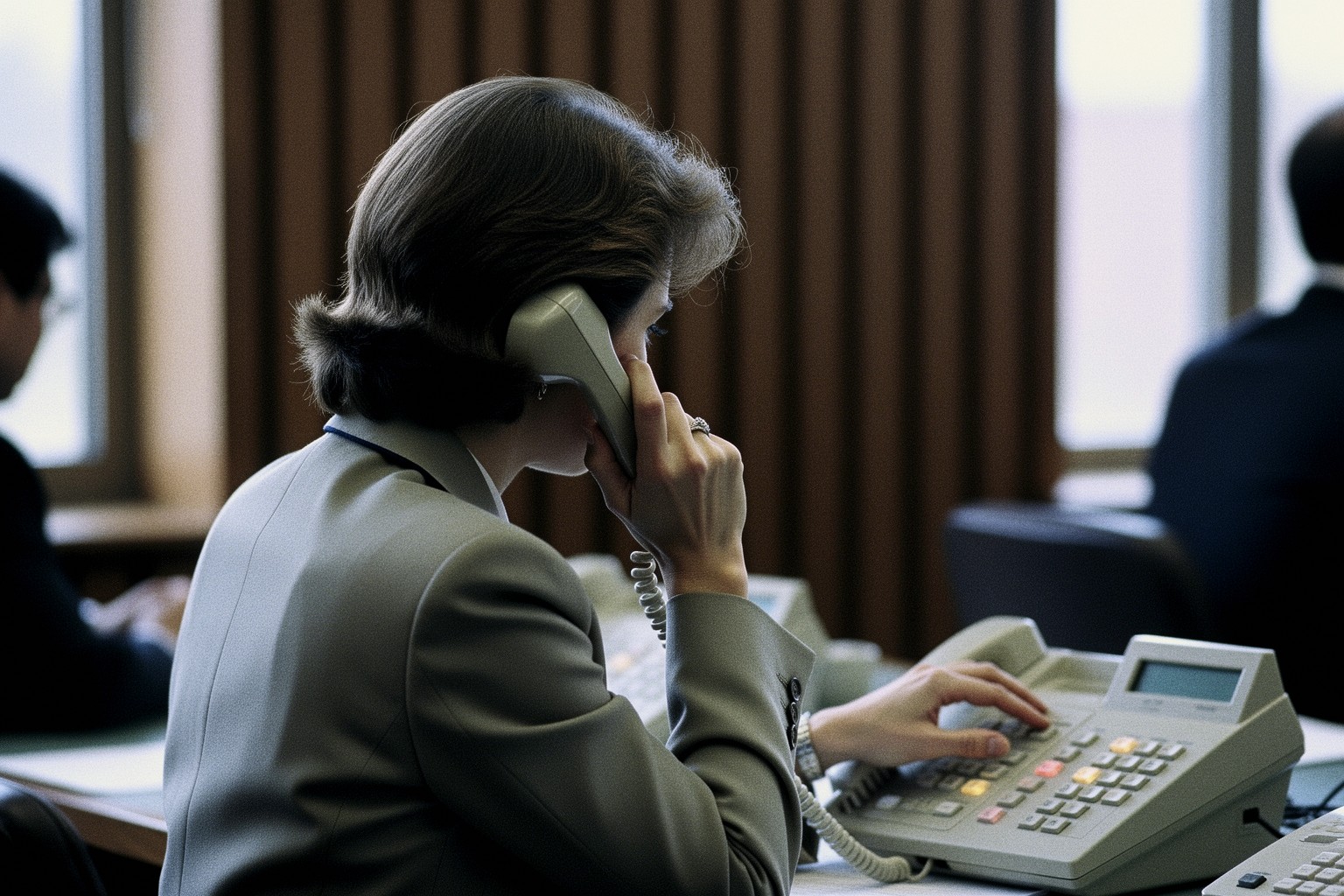
The hearings turned on his writing. Bork had spent years criticising court rulings on privacy and civil rights, and he defended those views at length under television lights. Interest groups bought advertising against him. Senate offices filled with calls and letters. Six Republicans joined most Democrats in voting no.
He lost the seat, and gave the language a verb.
To bork now means to defeat a nominee through a sustained public campaign against them. The word sits in the Oxford English Dictionary. The seat went to Anthony Kennedy, confirmed 97 to 0 the following February.
Checked against: Congressional Record roll-call vote for October 23, 1987; Senate Judiciary Committee hearing transcripts; contemporary national newspaper coverage; Oxford English Dictionary entry for 'bork'; histories of the Watergate 'Saturday Night Massacre'
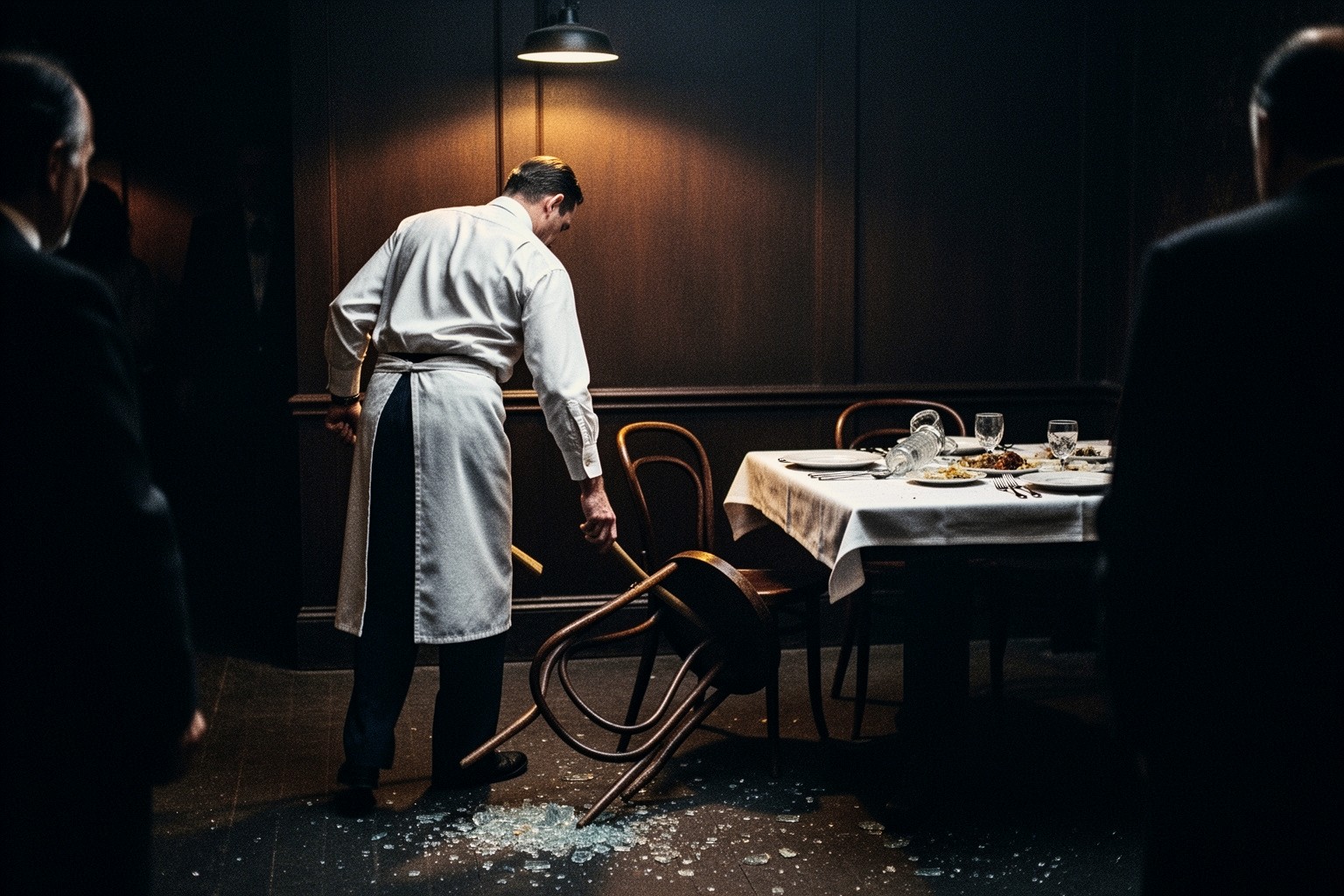
They built a fake pipeline. The general was in Austria.
Illustration generated by AI for The Day Vault.
At 9:40 on the night of October 23, 1942, nearly 900 British and Commonwealth guns opened fire along the line at El Alamein, in Egypt. The Second Battle of El Alamein had begun, and the Axis army facing it had not expected an attack for weeks.
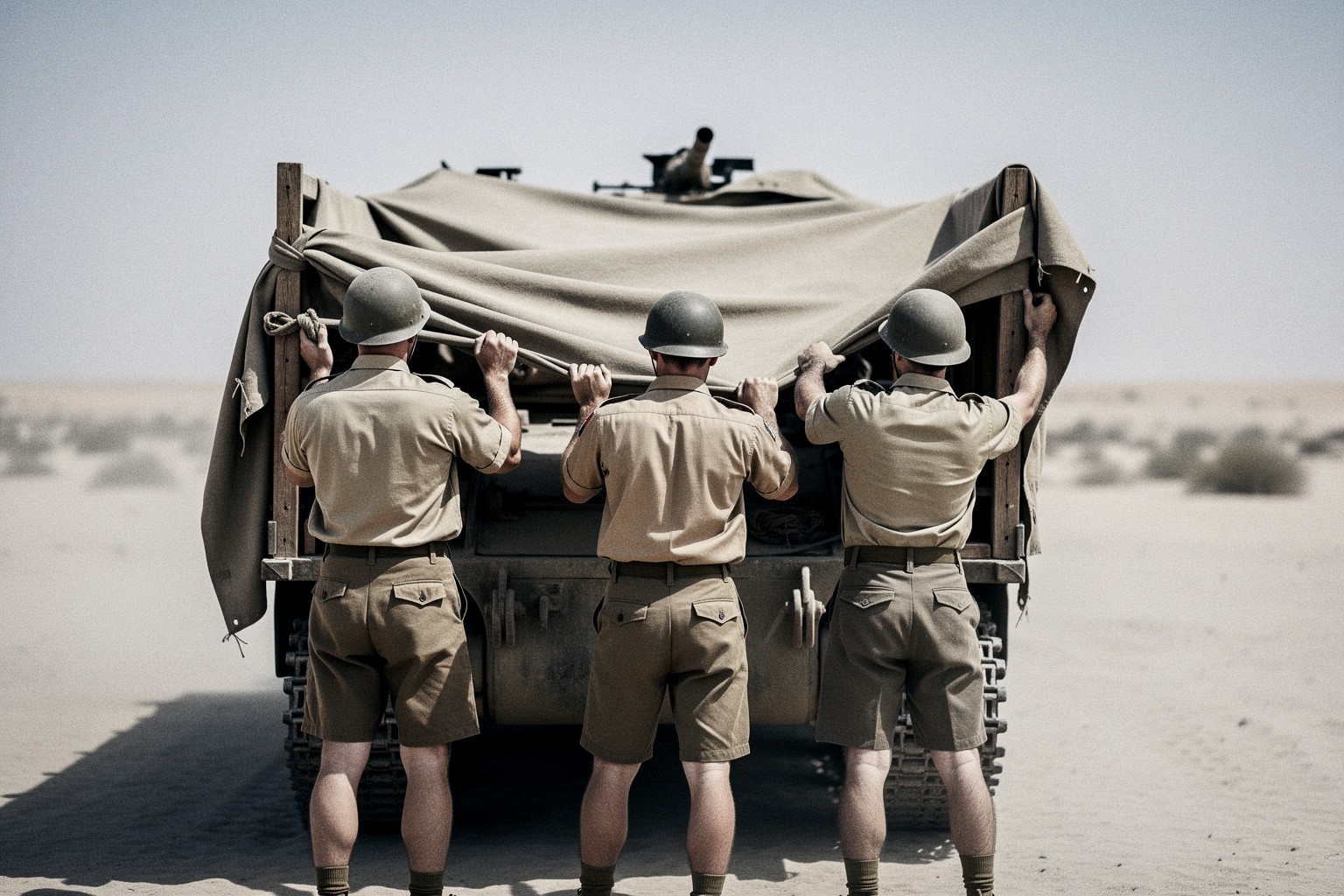
That expectation was manufactured. For a month, Eighth Army camouflage teams had worked to make the offensive look late and in the wrong place. In the north, real tanks sat under light frames and canvas that turned them into lorries from the air. In the south, dummy tanks, dummy guns and dummy supply dumps gathered where no attack was coming.
The finest touch was a water pipeline, partly real and partly fake, laid so slowly that it seemed to need until November. Reconnaissance pilots photographed it and drew the intended conclusion: no offensive yet.
The commander all this was built to fool was not in Africa. Erwin Rommel was on sick leave in Austria.
His stand-in, General Georg Stumme, drove toward the front the next morning, came under fire and died of a heart attack. Rommel flew back on October 25 to a battle already two days old, and by November 4 his army was in retreat.
Checked against: Official British and German campaign histories, Eighth Army war diaries and camouflage unit records, wartime aerial reconnaissance archives, and standard biographies of Rommel.
On October 23, 1935, gunmen walked into the Palace Chop House in Newark, New Jersey, and opened fire on Dutch Schultz, the beer and numbers boss of the Bronx. Three of his men went down at a back table. Schultz was hit in the men's room.
He lingered for about a day in Newark City Hospital, rambling in a fever while a police stenographer took down every word. The transcript reads like broken poetry. It has been picked over for clues ever since, not least by treasure hunters convinced he buried a fortune in the Catskills. He died on October 24.
The shooting looked like ordinary gang housekeeping. But Schultz had been squeezed hard by Thomas Dewey, the special prosecutor going after New York's rackets, and Schultz wanted Dewey dead.
The national crime syndicate refused to allow it and had Schultz killed instead. Gangsters shot a gangster to keep a prosecutor alive.
Dewey lived. Within eight months he had convicted Lucky Luciano, the syndicate's most powerful figure, and sent him to prison for 30 to 50 years.
Checked against: Contemporary newspaper reports from Newark and New York; the police stenographer's transcript of Schultz's final statements; trial records from the 1941 murder conviction; standard histories of organised crime and of Dewey's prosecutions.
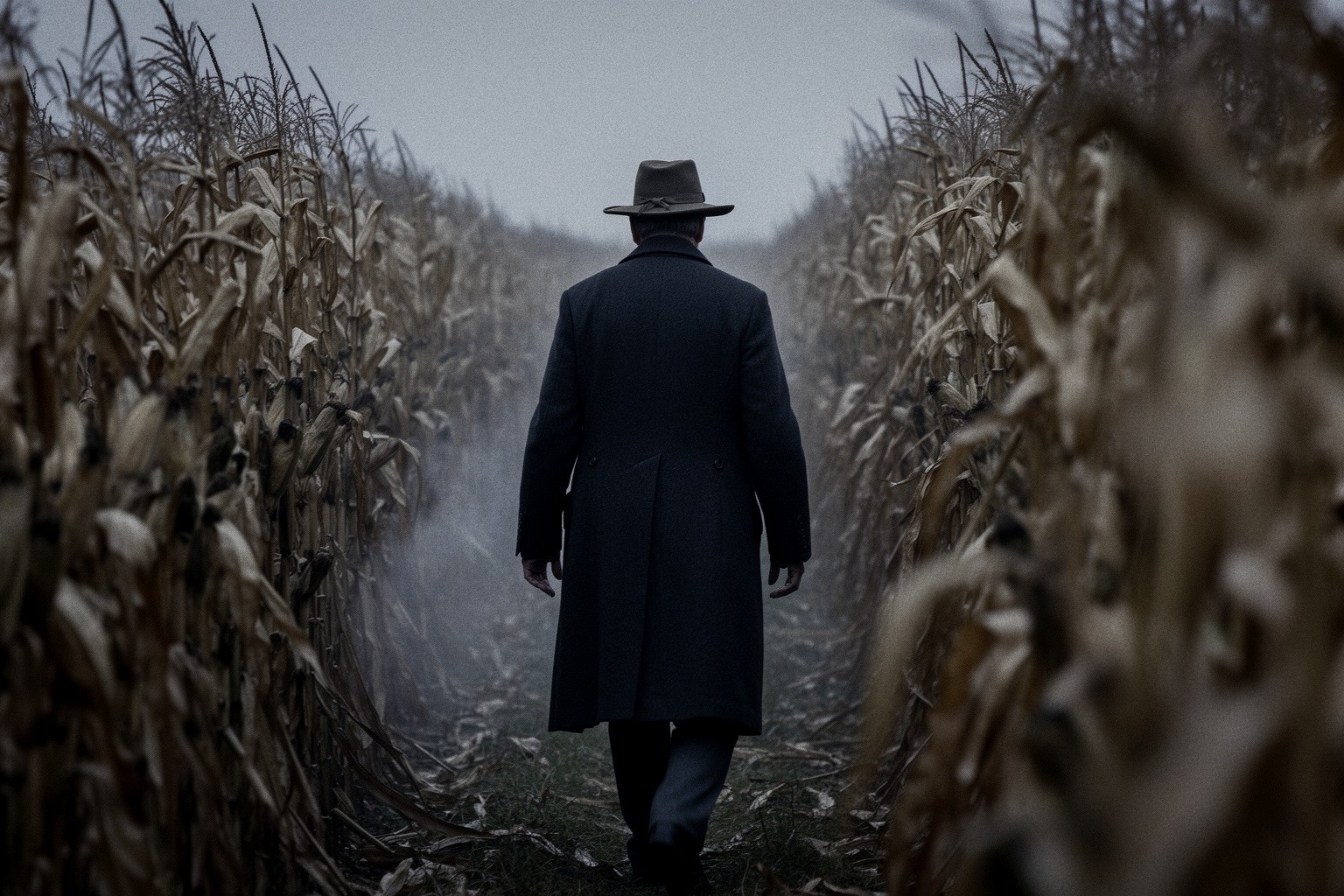
The sky stayed shut. A farmer walked into the corn.
Illustration generated by AI for The Day Vault.
On October 23, 1844, the Millerites woke up to an ordinary Wednesday. Tens of thousands of American believers had expected Jesus to return the day before. They had reached the date through Bible prophecy calculations built on the preaching of William Miller, a Baptist farmer from upstate New York.
Some had left potatoes in the ground and given away their savings. They spent the night of October 22 in kitchens and meeting halls, waiting. Midnight passed. Then dawn. The movement later named it the Great Disappointment, and many walked away from it for good.
In Port Gibson, New York, a farmer named Hiram Edson had prayed through the night with friends. That morning he set out across a cornfield to comfort fellow believers. Partway across, he later wrote, an idea stopped him. The date had been right. The place was wrong. Christ had not been due on earth. He had entered a sanctuary in heaven.
The prophecy had failed, and Edson came out of the field believing it had come true.
His cornfield reading became a pillar of a new theology. The believers who held to it organised in 1863 as the Seventh-day Adventist Church, which now counts its members in the millions.
Checked against: Histories of the Millerite movement, Hiram Edson's manuscript recollections held in Adventist archives, 1840s American religious newspapers, denominational histories of the Seventh-day Adventist Church
On October 23, 2004, Ashlee Simpson was the musical guest on Saturday Night Live. Her first number, "Pieces of Me," went cleanly. It was her breakout single, and the studio audience knew it.
Later in the show she came back to sing "Autobiography." The band started. Then her own voice filled the studio, singing the vocal from "Pieces of Me" again, before she had lifted the microphone. She did a few loose, jigging dance steps, looked back at the musicians, and walked off. The band kept playing to an empty patch of stage until the show cut to a commercial.
At the closing goodnights, standing with the host, she said her band had started the wrong song. Her camp explained the next day that acid reflux had ruined her voice and a pre-recorded vocal track had been in use.
The band hadn't played the wrong song. Someone had cued the wrong backing vocal, and a live audience of millions heard a singer whose voice was coming from a tape.
Ten weeks later she sang at the Orange Bowl halftime show in Miami, and the crowd booed her.
Checked against: Contemporary US newspaper and wire coverage, entertainment trade press, the broadcast episode archive, later published interviews with the show's staff
On October 23, 2001, Apple invited a small group of reporters to its Cupertino campus and showed them a white music player about the size of a deck of cards. It held 5 gigabytes, enough for roughly a thousand songs, and cost $399.
Portable music was not new. Sony's cassette players had made headphones on the bus normal two decades earlier, and digital MP3 players were already on shelves. Most were either small and nearly empty or roomy and heavy. Apple's pitch was capacity without the brick: a tiny hard drive, a scroll wheel, and a FireWire cable that moved an album in seconds.
The timing looked poor. The launch came six weeks after the September 11 attacks, the dot-com bubble had burst, and online forums mocked the price of a gadget that did nothing but play music.
It also worked only with a Mac, and Macs ran on a small fraction of the world's computers.
Apple spent the next two years undoing that rule. Windows support arrived in 2002, and in October 2003 iTunes itself came to Windows. After that, white earbuds stopped marking Mac owners and started marking everyone.
Checked against: Contemporary technology press coverage of the 2001 launch event, Apple's archived press releases, business histories of Apple and the portable music industry
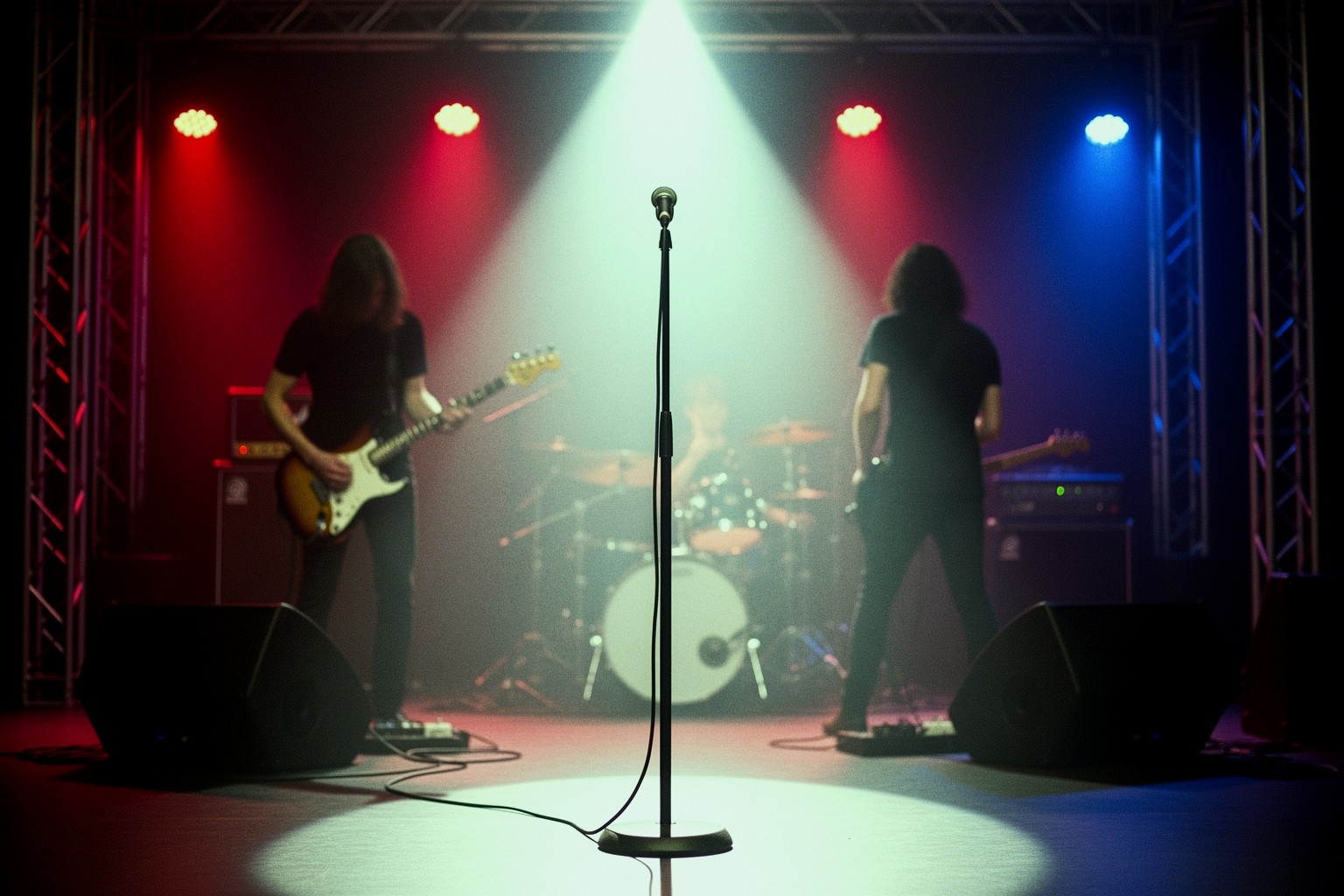
Toronto jumped, and Philadelphia traded the pitcher
Illustration generated by AI for The Day Vault.
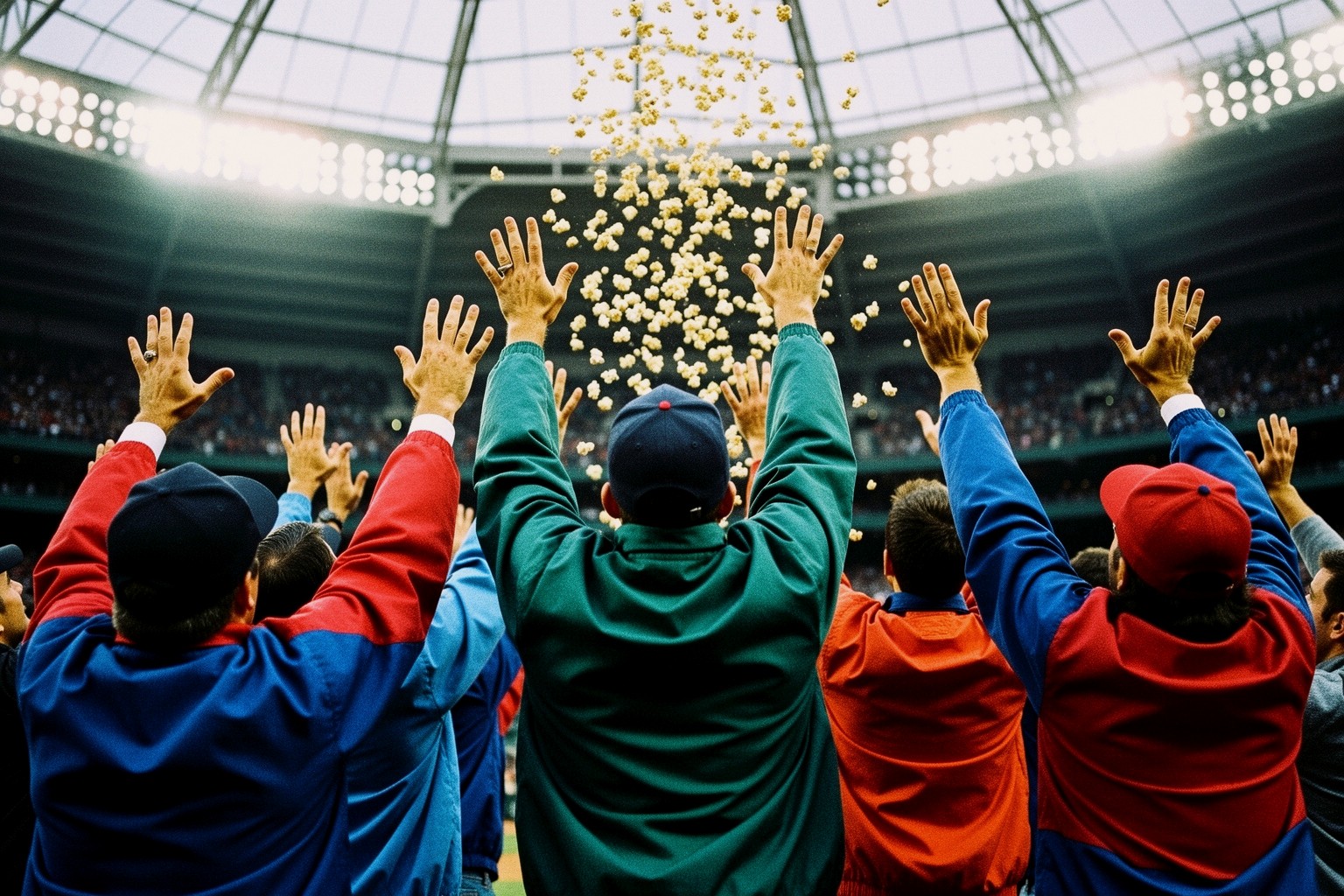
On October 23, 1993, Joe Carter ended the World Series with one swing. The Toronto Blue Jays trailed the Philadelphia Phillies 6-5 in the bottom of the ninth inning of Game 6 at SkyDome, with two runners on and one out.
Phillies closer Mitch Williams worked the count to two balls and two strikes. Carter drove the next pitch over the left-field fence. Three runs crossed the plate, Toronto won 8-6, and the Blue Jays had their second straight championship.
Carter went around the bases leaping, arms flailing, like a boy in a backyard. Only once before had a World Series ended on a home run, when Bill Mazeroski did it for Pittsburgh in 1960. Toronto poured into the streets that night, and the clip has played every October since.
The man who threw that pitch had been Philadelphia's closer all season, trusted with exactly this moment.
Williams received threats from angry fans, and within weeks the Phillies traded him to Houston.
Checked against: Official box scores and play-by-play from Major League Baseball; contemporary newspaper coverage from Toronto and Philadelphia; broadcast footage of Game 6; baseball reference almanacs and team histories.
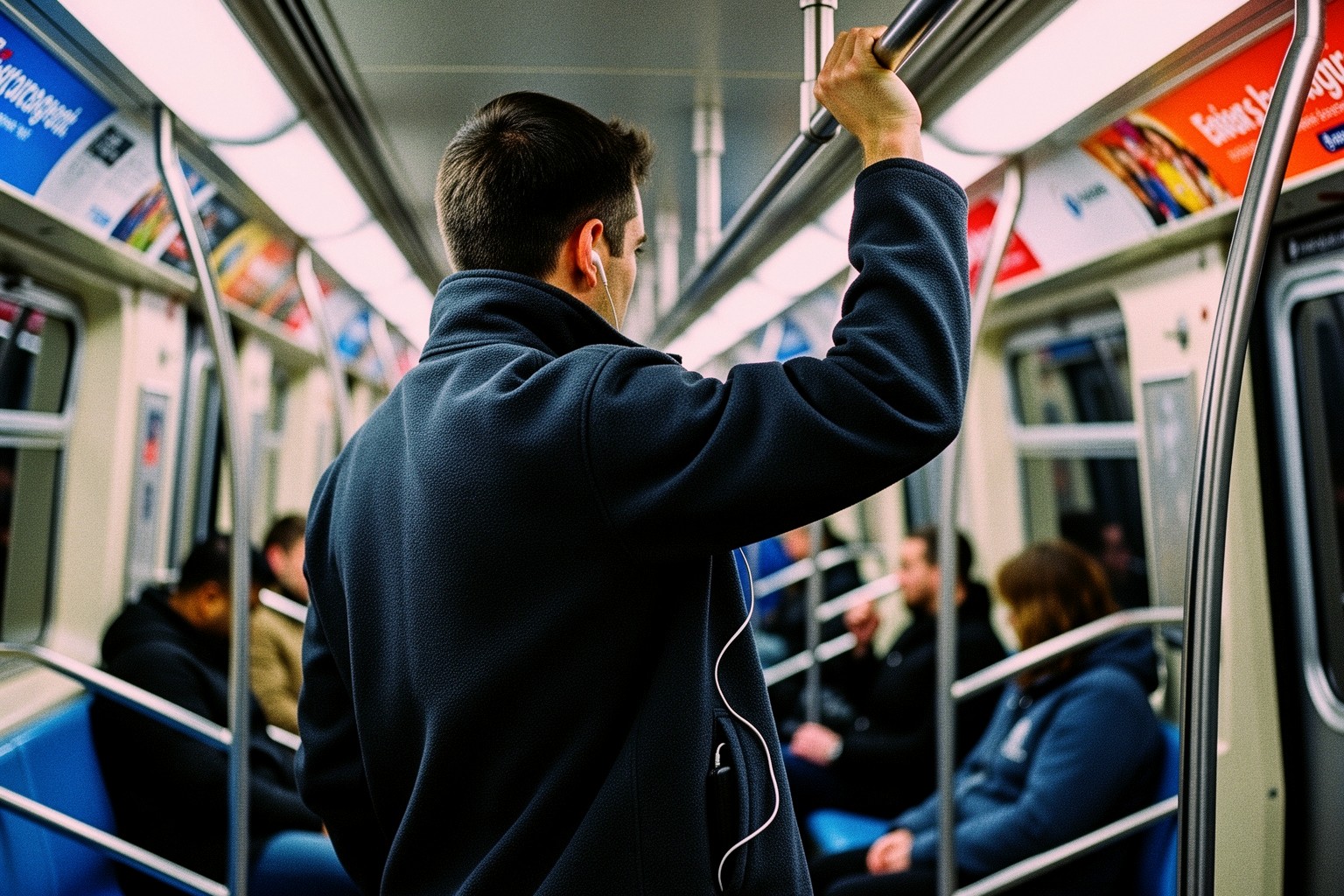
Paris watched a man fly. Ohio had seen it a year before.
Illustration generated by AI for The Day Vault.
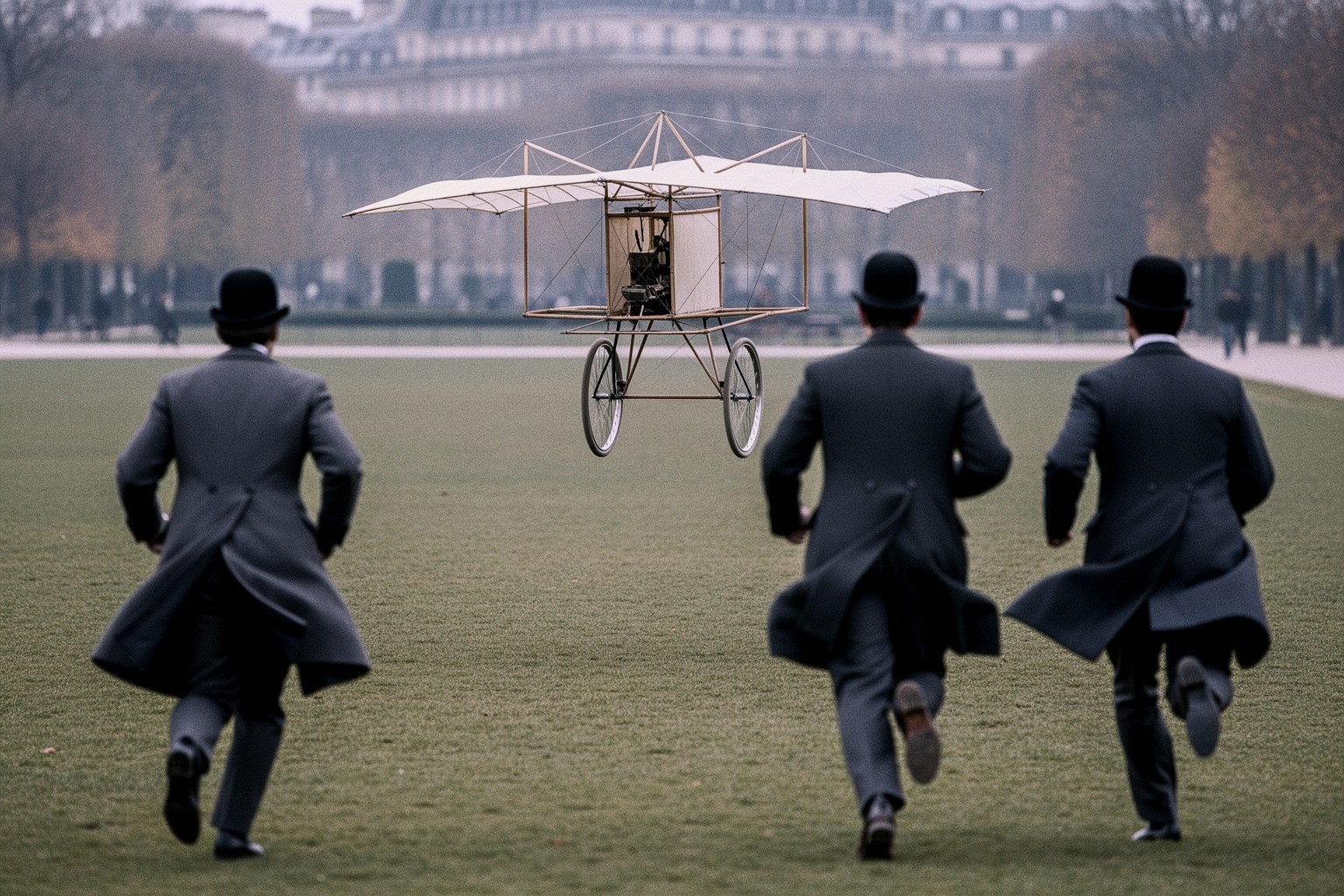
On 23 October 1906, at the Bagatelle field on the edge of Paris, Alberto Santos-Dumont flew his 14-bis about 60 metres, a few metres above the grass.
The machine looked like a stack of box kites pushed backwards: bamboo, pine and silk, with its tail out front. He flew it standing up. The hop was short, but it was more than the 25 metres needed to win the Archdeacon Prize of 3,000 francs.
It also counted. Officials of the Aéro-Club de France were watching. The 14-bis rolled off on its own wheels, with no rail and no catapult. Europe had its first witnessed powered flight, and Paris celebrated it as the world's first.
In a cow pasture outside Dayton, the Wright brothers had already flown for 39 minutes, on 5 October 1905.
Few people had seen it, and the brothers refused public demonstrations, so much of Europe dismissed them as bluffers. Wilbur ended the argument at Le Mans in August 1908 by flying smooth, banked circles. But the Wrights launched from a rail, and Santos-Dumont took off on wheels. On that distinction, Brazil still calls him the father of aviation.
Checked against: Aéro-Club de France records; contemporary French newspaper reports; Smithsonian National Air and Space Museum histories; biographies of Santos-Dumont and of the Wright brothers
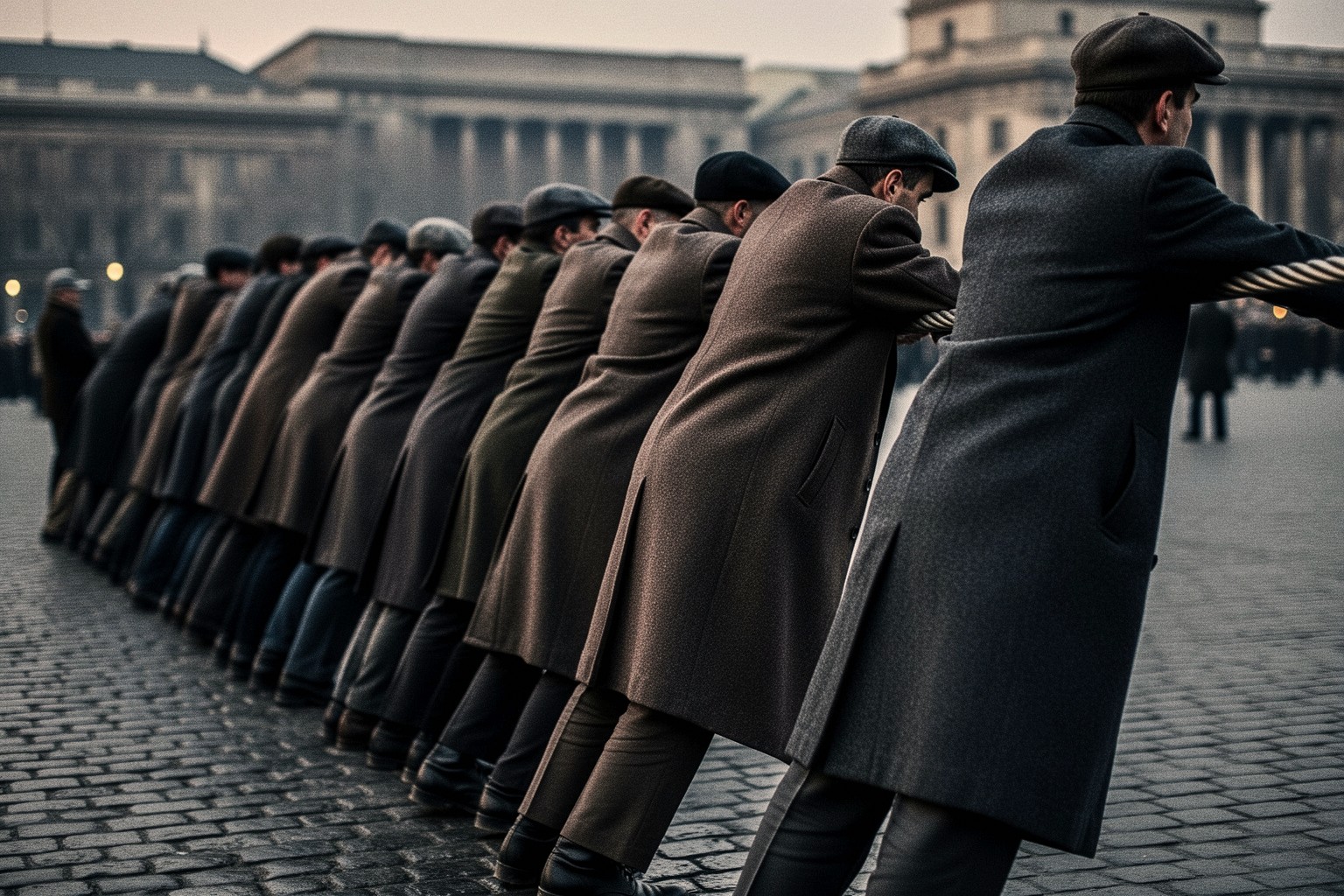
On October 23, 1956, students in Budapest marched to demand free elections, a free press and the withdrawal of Soviet troops. By evening the crowd had swollen far beyond the students, and part of it headed for the giant bronze Stalin that loomed over a parade ground near City Park.
Pulling did not work at first. The statue was heavy and well anchored. Men brought steel cables, lorries and cutting torches, and worked at the figure until it gave way at the knees and crashed onto the pavement. Only the boots stayed bolted to the plinth.
The rest was dragged through the streets and broken up. People chipped off pieces to keep. Someone planted a Hungarian flag in the empty boots, and for a few days the stump of a dictator stood as a joke the whole city understood. The government fell, a reformer took over, and Hungary announced it would leave the Warsaw Pact.
On November 4, Soviet tanks rolled back into Budapest, and within days the uprising was crushed.
Thousands died and some 200,000 Hungarians fled abroad. But the new regime never put Stalin back up. The boots were eventually cleared away, and today a replica stands in a Budapest park built for toppled statues.
Checked against: Contemporary press reports and photographs from Budapest, histories of the 1956 Hungarian Revolution, Hungarian national archives, records of Memento Park