On October 26, 1825, the Erie Canal opened. At Buffalo, Governor DeWitt Clinton boarded the packet boat Seneca Chief with two kegs of Lake Erie water and set off east along 363 miles of new channel toward the Hudson River.
Critics had called it Clinton's Ditch. Work began in 1817, and most of it was done by hand: farmers, local labourers and Irish immigrants with picks, shovels and horse-drawn ploughs, cutting through forest and swamp and lifting boats over the land through 83 locks.
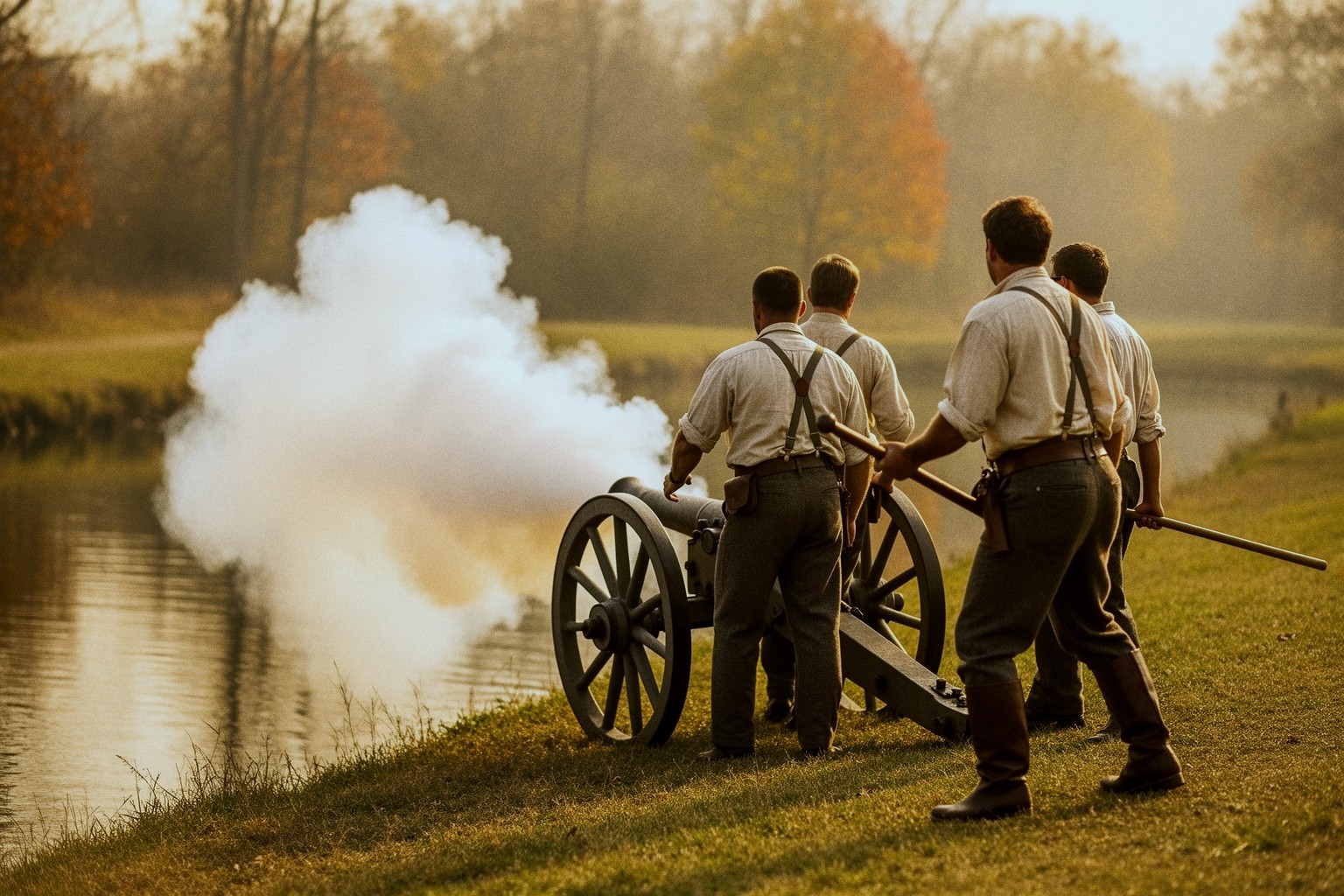
To announce the opening, the state placed cannons within earshot of one another along the canal and down the Hudson. When the first gun fired at Buffalo, the next crew heard it and fired their own. The boom rolled across New York, gun by gun, all the way to the Atlantic.
The sound reached New York City in under two hours. The governor's boat needed until November 4 to get there.
Speed was never the canal's selling point. Moving a ton of freight from Buffalo to New York had cost about $100; by canal it cost about $10. Clinton poured his Lake Erie water into the harbour, and New York City became the busiest port in the country.
Checked against: New York State archives and canal commission records; contemporary newspaper accounts of the 1825 opening celebrations; standard histories of the Erie Canal and of early American transportation
The last wild case of smallpox was a cook who skipped his shot
Illustration generated by AI for The Day Vault.
On October 26, 1977, a rash broke out on Ali Maow Maalin, a 23-year-old hospital cook in Merca, Somalia. It was smallpox. Nobody has caught the disease from nature since.
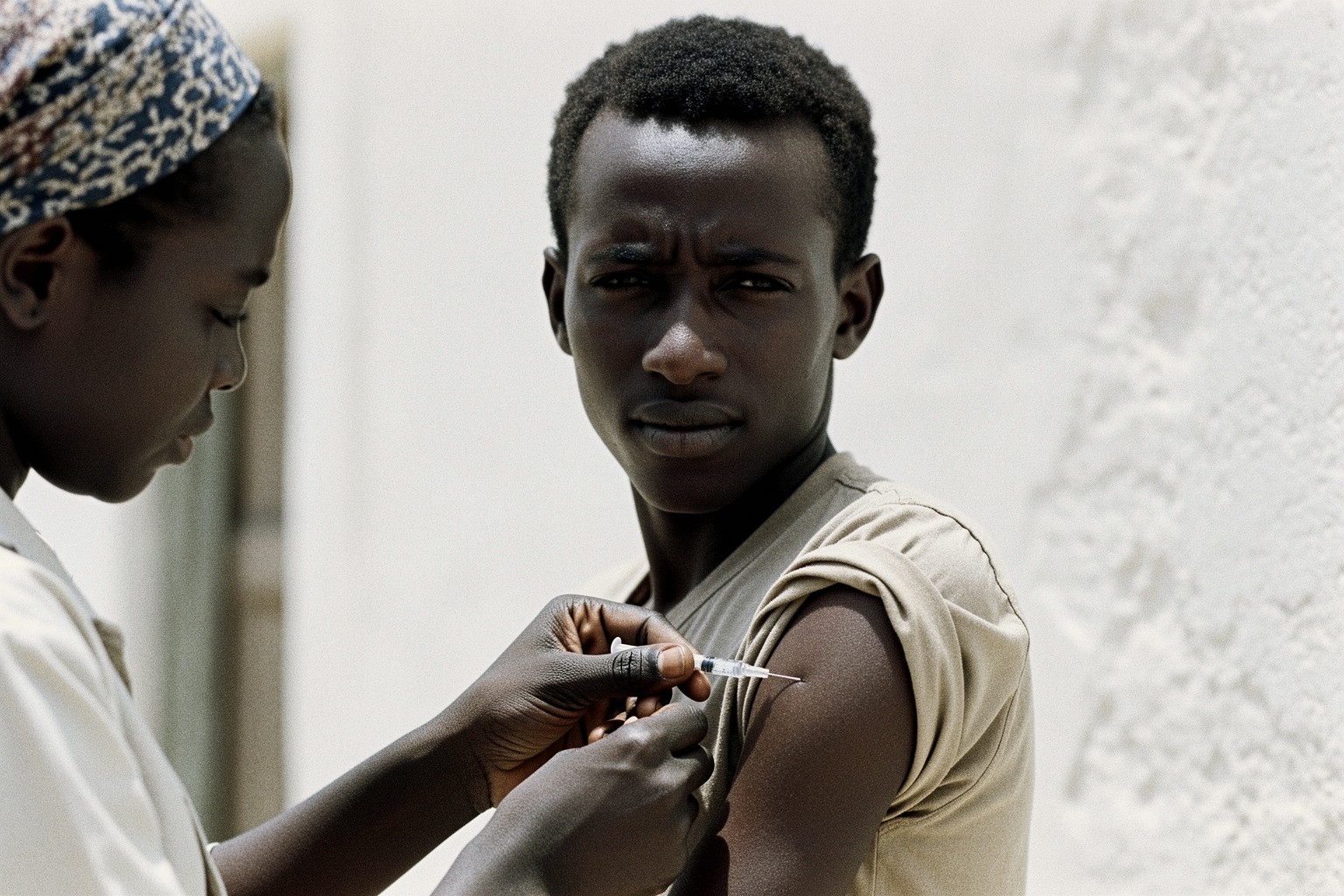
Maalin had been infected days earlier during a short car ride, when he guided a driver who was taking two smallpox patients to an isolation camp. He had worked as a vaccinator himself, yet he had never been vaccinated. He later said he had dodged the needle because he feared it would hurt.
Health teams traced everyone he had met and vaccinated the people around them. Maalin recovered. Then came the long wait, and no new case appeared in Somalia or anywhere else in the wild.
But the virus still lived in laboratory freezers, and in August 1978 it got out of one.
Janet Parker, a medical photographer at the University of Birmingham, worked one floor above a smallpox research laboratory. She fell ill and died that September, the last person known to be killed by the disease. When the World Health Organization declared smallpox eradicated in 1980, the danger that remained was in the laboratories.
Checked against: World Health Organization eradication reports and the official history of the smallpox eradication programme; the UK government inquiry into the 1978 Birmingham outbreak; contemporary newspaper coverage and later interviews with Maalin.
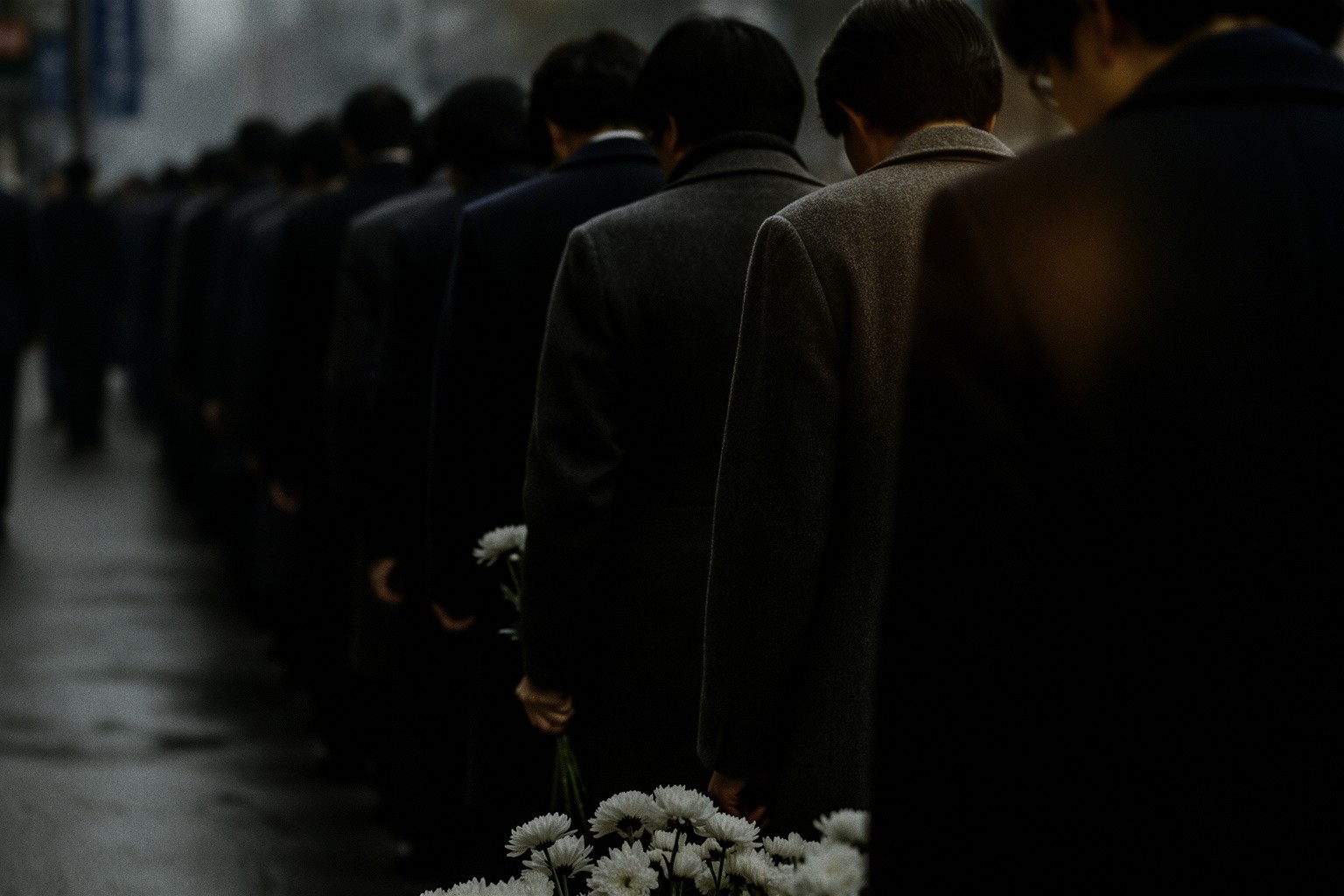
On October 26, 1979, South Korea's president, Park Chung-hee, sat down to dinner at a government safe house beside the Blue House in Seoul. He did not leave alive. He was shot at the table.
Park had held power since leading a military coup in 1961. His eighteen years brought fast industrial growth. They also brought martial law, rewritten constitutions and an intelligence service that watched students, unions and rivals.
That autumn, protests broke out in Busan and Masan. Inside the regime, Park's inner circle argued over how hard to crack down. The argument carried on over dinner that night.
The gunman was Kim Jae-gyu, director of the Korean Central Intelligence Agency, the man whose job was to protect the regime from its enemies. He also killed Park's chief bodyguard, Cha Ji-chul.
Many Koreans hoped the shots would open the way to democracy. Instead, the general put in charge of investigating the killing, Chun Doo-hwan, used that role to seize control of the army in December. Kim was hanged the following May, the same month Chun's troops crushed the uprising in Gwangju.
Checked against: Contemporary wire-service and newspaper reports from Seoul; Korean court records of Kim Jae-gyu's trial; academic histories of the Park Chung-hee era and the 1979-80 transition.
On October 26, 1942, American and Japanese carrier fleets fought the Battle of the Santa Cruz Islands, northeast of Guadalcanal. The ships never came within sight of each other. Aircraft did all the fighting, flying out across open ocean to find an enemy their admirals could only plot on a chart.
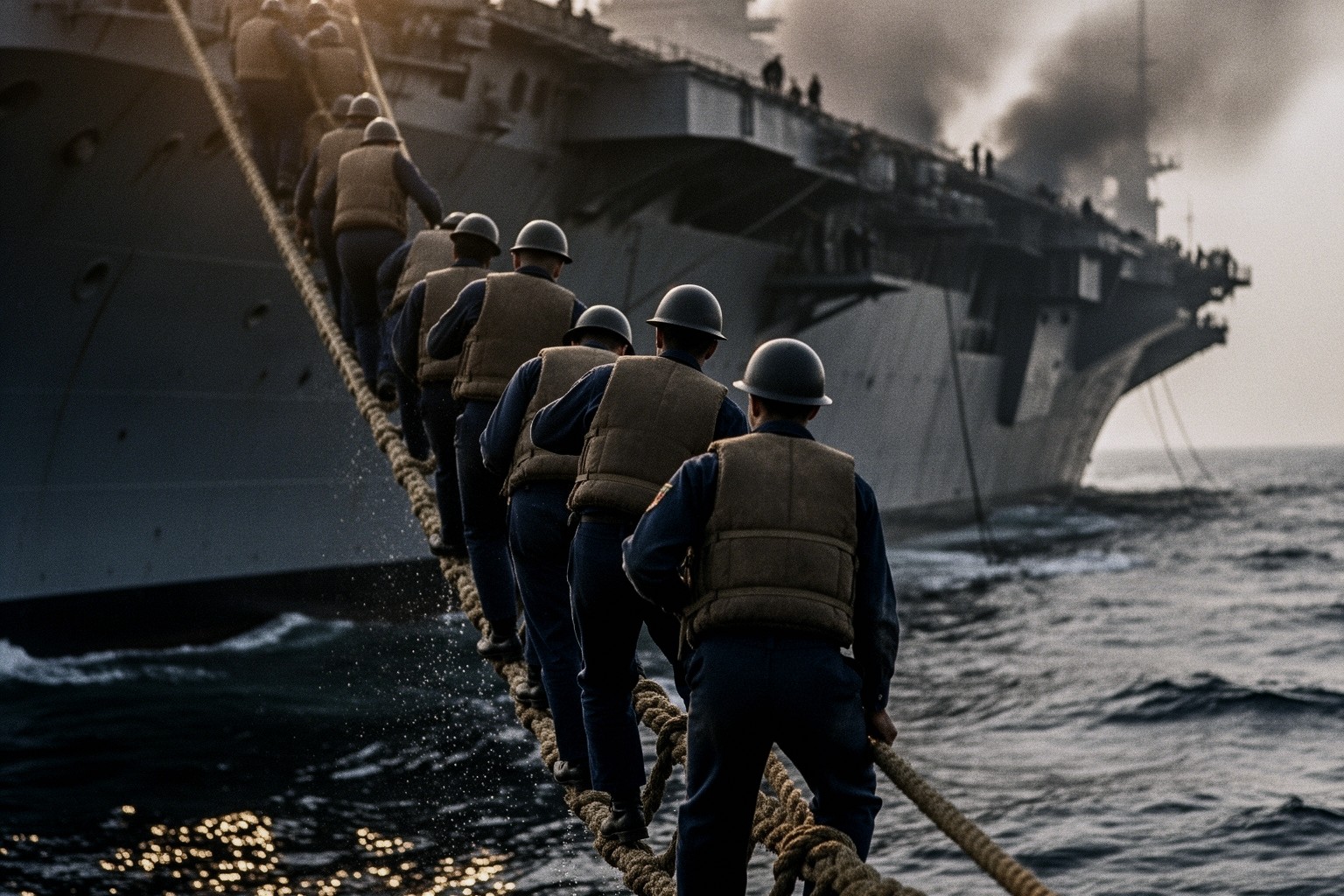
Japanese dive bombers and torpedo planes hit USS Hornet, the carrier that had launched the Doolittle raid on Tokyo six months earlier. Fires spread, her power failed and she took on a list. By evening her crew had gone over the side.
Two American destroyers were ordered to sink her so she could not be captured. They fired torpedoes, several of which ran erratically or failed to explode, then hundreds of rounds of shellfire. Hornet burned and stayed afloat. Japanese destroyers arrived after dark and finished her with their own torpedoes.
Tokyo counted the day a victory: an American carrier sunk, none of its own lost. But its air groups had lost more trained aircrew than at Midway, and Japan had no fast way to train more.
Its carriers did not fight another major battle until June 1944. By then most of the men flying from their decks were beginners.
Checked against: US Navy official action reports and ship histories; naval histories of the Guadalcanal campaign; Japanese war histories as translated in Pacific War scholarship
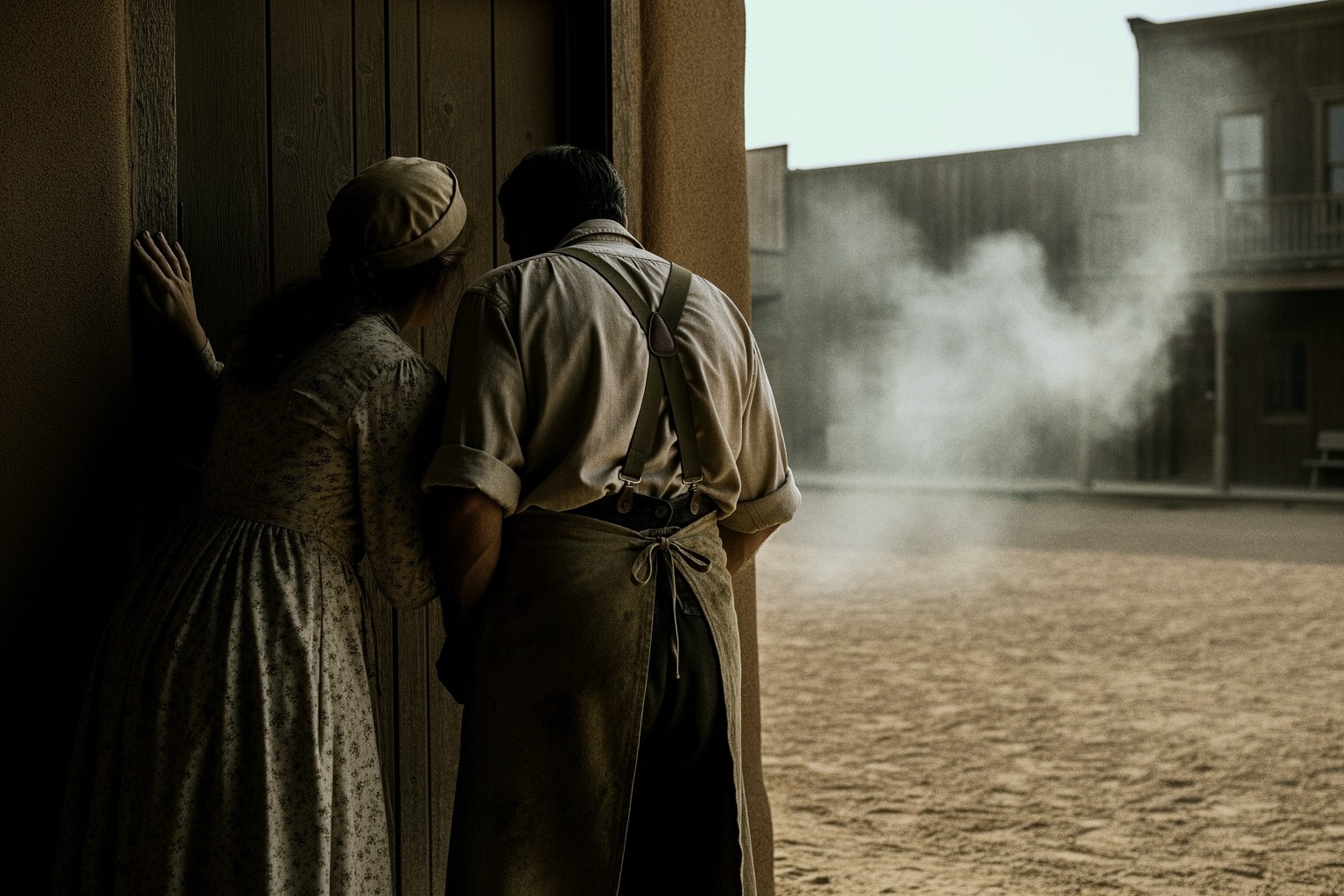
On the afternoon of October 26, 1881, about thirty shots were fired in Tombstone, Arizona Territory, in roughly thirty seconds. When the smoke cleared, Tom McLaury, Frank McLaury and Billy Clanton were dead or dying in a narrow vacant lot on Fremont Street.
The men walking toward them were the law, or said they were. Town marshal Virgil Earp had deputised his brothers Wyatt and Morgan, plus the dentist and gambler Doc Holliday. The town banned carrying guns inside its limits, and Virgil meant to disarm a group of cowboys who had spent the day making threats. Ike Clanton, who started much of the talk, was unarmed. He ran.
Virgil and Morgan were hit. Holliday was grazed. Wyatt walked away untouched. The fight barely touched the O.K. Corral, which stood behind the lot. The name came later, and it stuck.
Within days, Ike Clanton filed murder charges, and the marshal and his deputies found themselves defendants in a month-long hearing before Justice of the Peace Wells Spicer.
Spicer ruled on November 30 that the lawmen had acted within their duties. The cowboys' friends settled it their own way. Virgil was ambushed and crippled that December. Morgan was shot dead through a pool-hall window in March. Wyatt left town on a ride for revenge.
Checked against: Transcripts of the 1881 Spicer hearing, contemporary Tombstone newspaper reports, coroner's inquest records, and standard histories of the Arizona Territory
Alfred, king of the West Saxons, died on 26 October 899. Late in his reign he had looked hard at the English church and disliked what he found: clergy who could recite Latin services but could not understand them.
In the preface to one of his books he wrote that when he became king, very few men this side of the Humber could translate a letter out of Latin, and he could not recall a single one south of the Thames. So the king learned Latin himself, as a grown man with a kingdom to run. Working with a small circle of scholars, he put Pope Gregory the Great's Pastoral Care, a handbook for bishops, into plain English.
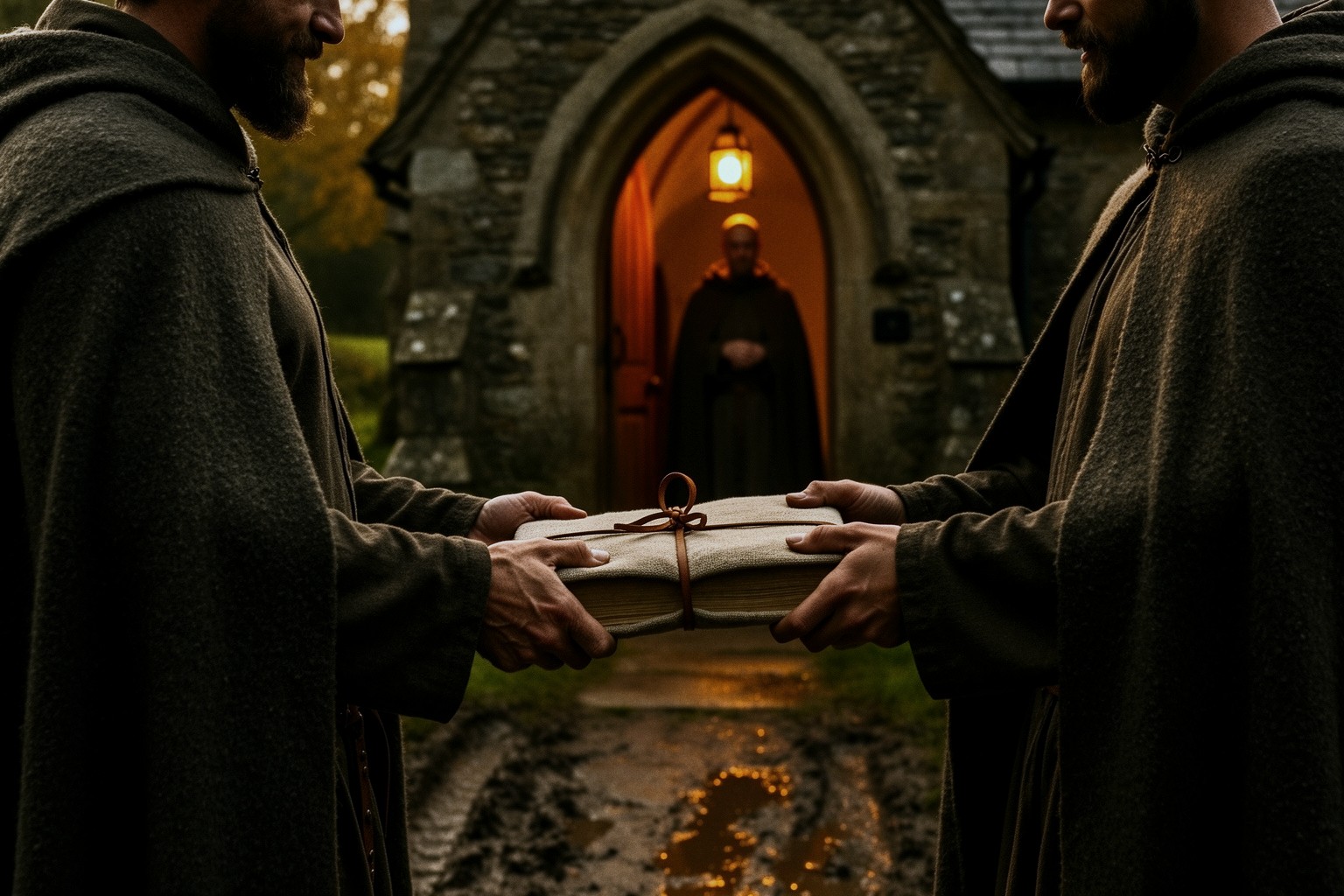
He ordered a copy for every bishopric in his kingdom. With each book went an aestel, a reading pointer worth fifty mancuses, a serious sum in gold. His instructions were blunt. No one was to take the pointer away from the book.
Copies of the book survive, including the one made for Worcester, now in the Bodleian Library in Oxford. Not one pointer is known to have stayed with its book.
The best candidate turned up in Somerset in 1693, a small piece of gold and rock crystal now called the Alfred Jewel. Scholars still argue about what it was for.
Checked against: Alfred's prose preface to the Old English Pastoral Care; Asser's Life of King Alfred; the Anglo-Saxon Chronicle; Bodleian Library and Ashmolean Museum catalogue records; standard histories of Anglo-Saxon England
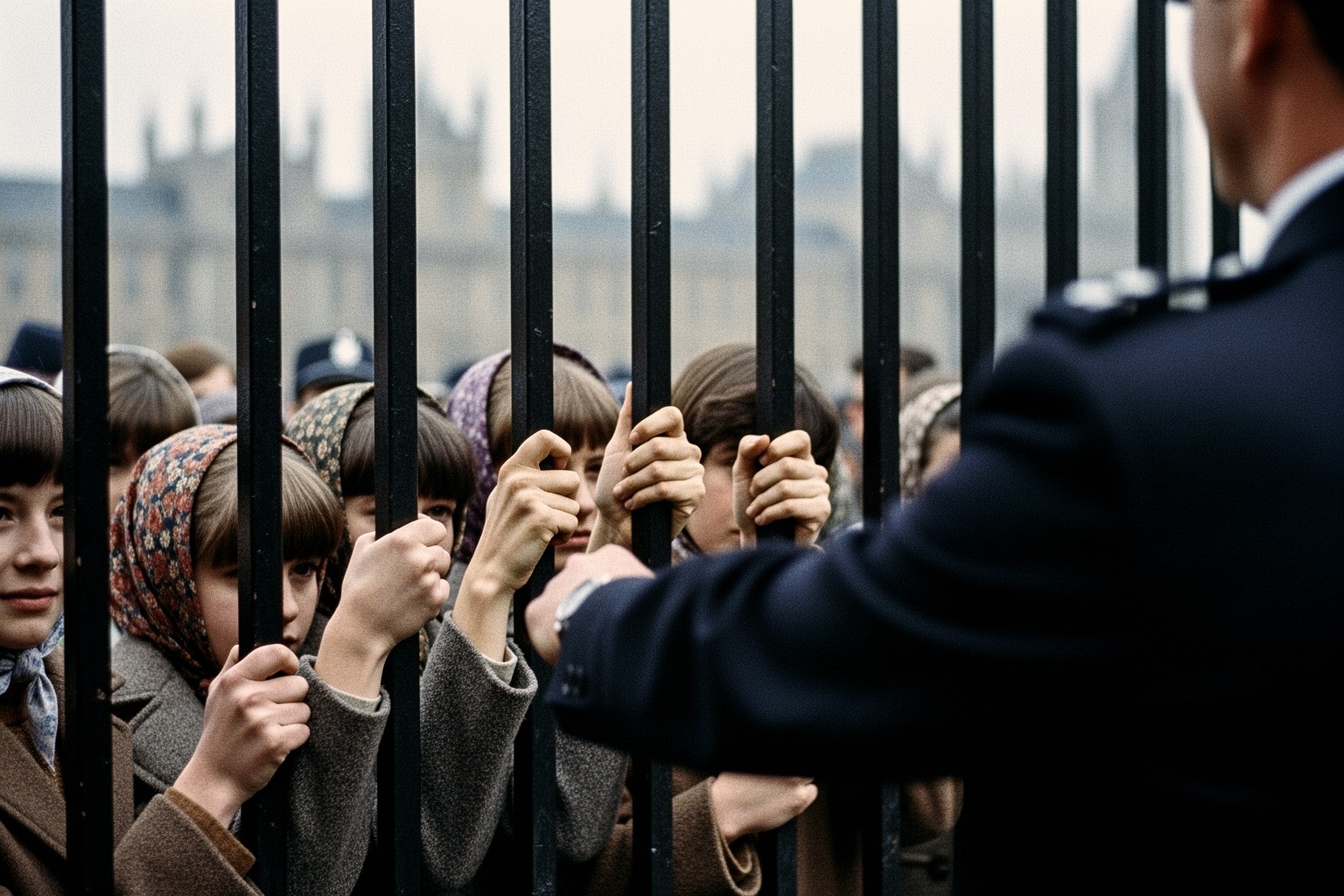
On October 26, 1965, the four Beatles walked into Buckingham Palace and walked out as Members of the Order of the British Empire. The Queen pinned the medals on them herself. Outside, thousands of fans pressed against the iron railings, and police linked arms to hold the line.
The honour had been announced in June, and not everyone cheered. Several earlier recipients, some decorated for service in the war, mailed their own medals back in protest. A pop group, they argued, had cheapened the order. Newspapers printed the letters and the band's critics had a field day.
The four of them kept working. That autumn they were in the studio finishing Rubber Soul, which reached the shops in early December. The fuss over the medals faded, and the records kept selling.
The protest that stuck, though, came from inside the band.
In November 1969 John Lennon had his driver carry his MBE back to the palace, with a note citing Britain's role in the Nigeria-Biafra war, its support for America in Vietnam, and his single "Cold Turkey" slipping down the charts. The other three kept theirs.
Checked against: Contemporary British newspaper reports of the 1965 investiture; Royal Household and London Gazette honours records; established Beatles biographies and chronologies; published texts of Lennon's 1969 letter to the Queen.
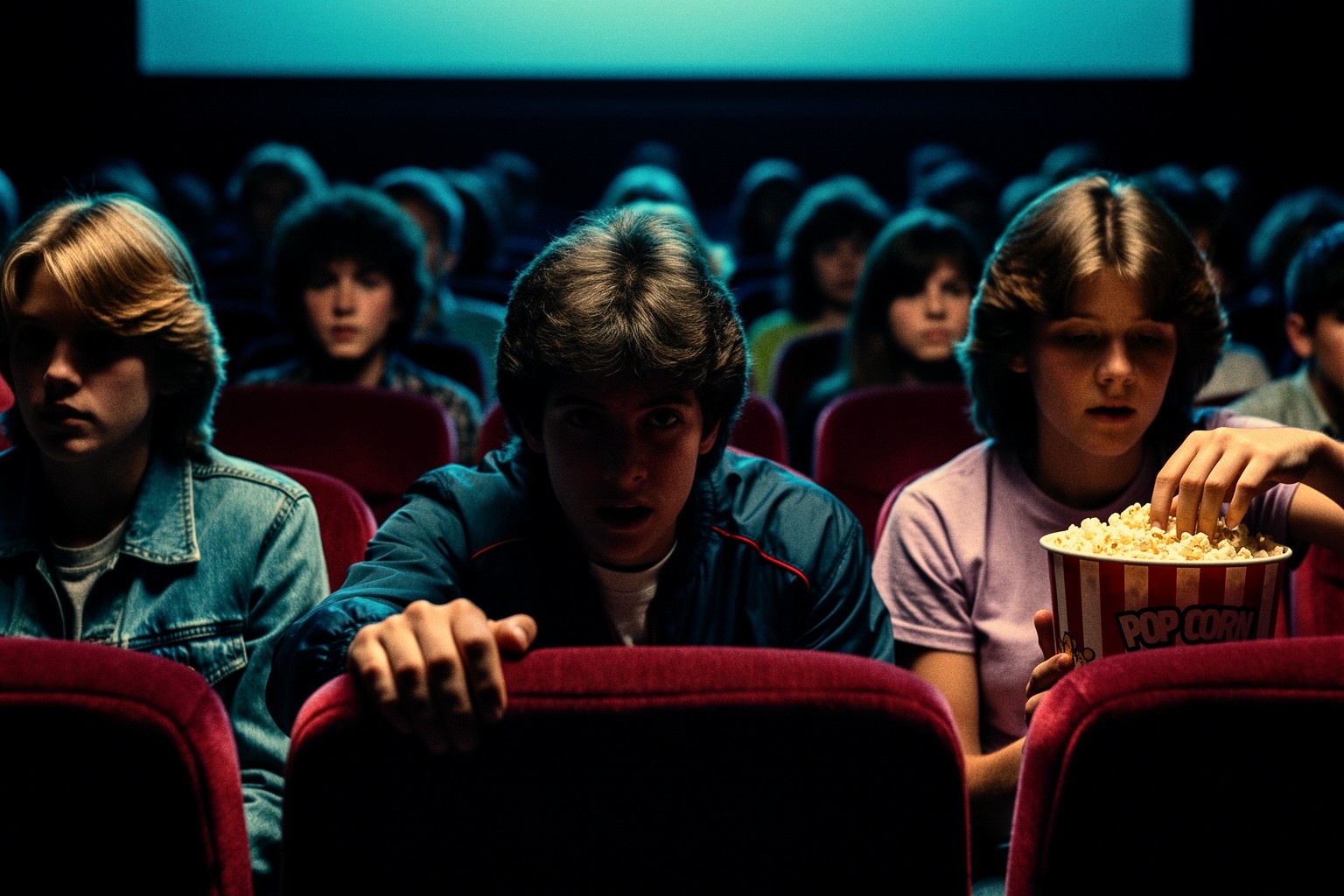
On October 26, 1984, a low-budget science fiction film called The Terminator opened in American cinemas. Its director, James Cameron, had sold the script to producer Gale Anne Hurd for a single dollar, on the condition that he would direct it.
The casting started backwards. Arnold Schwarzenegger, a bodybuilder best known for Conan the Barbarian, was approached to play Kyle Reese, the human soldier sent back in time to protect a young waitress named Sarah Connor. Over lunch with Cameron, he kept talking instead about how the killer cyborg ought to be played.
Cameron offered him the cyborg. Schwarzenegger took it, though he worried that playing a villain could hurt a career still finding its feet. The part asked for little dialogue and almost no expression: a machine walking through doors, and sometimes through walls.
The villain is the one audiences walked out remembering, and his flat three-word promise at a police front desk, "I'll be back," became one of the most quoted lines in film.
Seven years later he did come back, in the sequel, playing the same machine. This time it was the one protecting the family.
Checked against: Contemporary trade press and box-office reporting from 1984; published interviews with James Cameron and Gale Anne Hurd; Arnold Schwarzenegger's autobiography; studio production histories.
They met to settle football's rules and ended up with two sports
Illustration generated by AI for The Day Vault.
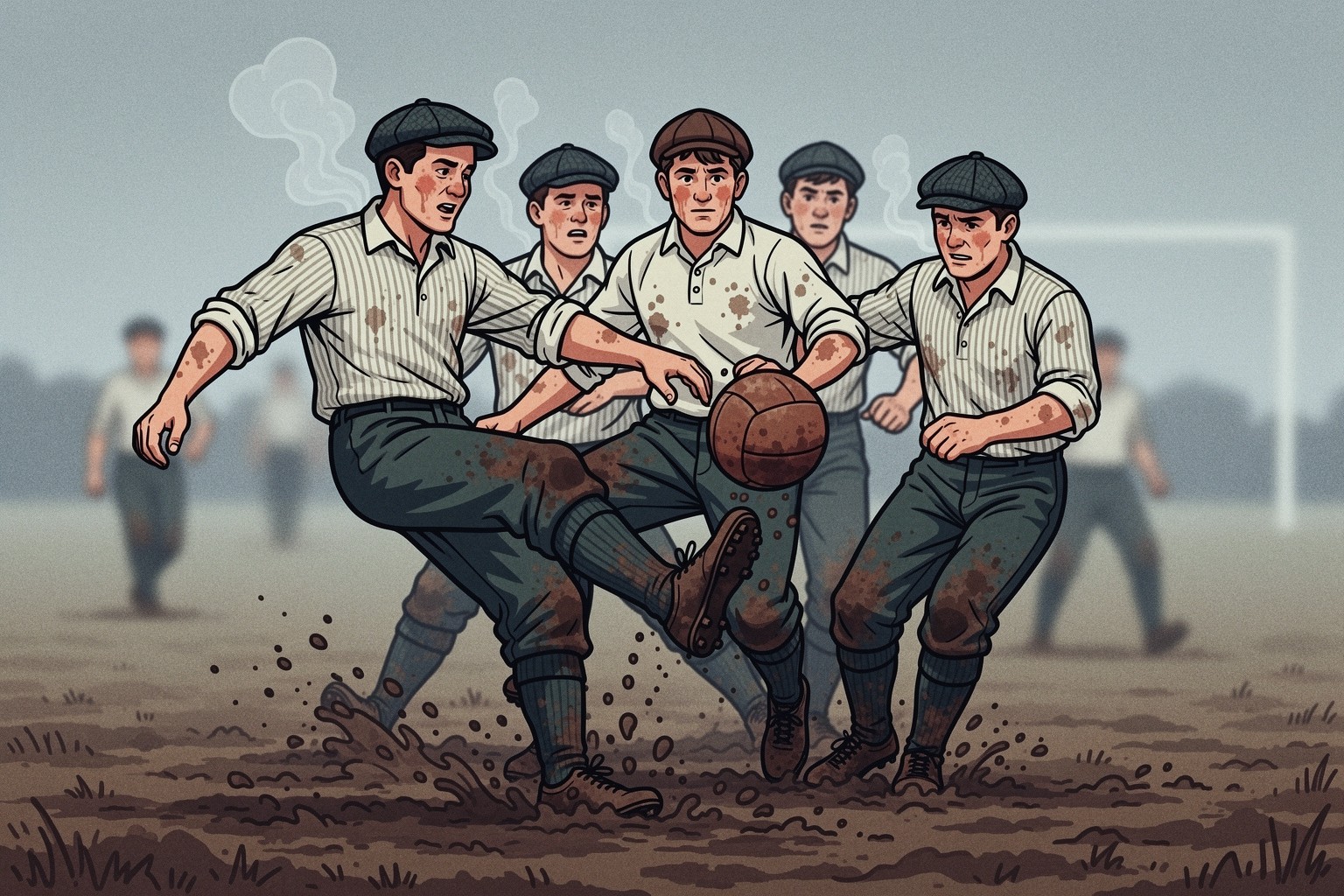
On 26 October 1863, men from London football clubs and schools met at the Freemasons' Tavern on Great Queen Street. They founded the Football Association and set out to write one set of laws that every club could play by.
The problem was that nobody agreed on what football was. Some schools let players pick up the ball and run. Others allowed hacking, which meant kicking an opponent hard in the shins to stop him. Every club had its own rules, so a match between two of them could fall apart before kickoff.
Over several meetings that autumn the delegates argued it through. The majority moved toward a kicking game and voted to ban hacking and running with the ball. The laws were printed in December, the first common code the clubs had ever shared.
Blackheath, one of the founding clubs, refused to accept the ban on hacking, said a game without it was too soft, and walked out.
Eight years later Blackheath helped found the Rugby Football Union. The meeting that was supposed to unite football produced its first permanent split.
Checked against: Football Association histories and minutes; contemporary London newspaper reports; Rugby Football Union histories; academic histories of Victorian sport
The shuttle's last rehearsal was the one that bounced
Illustration generated by AI for The Day Vault.
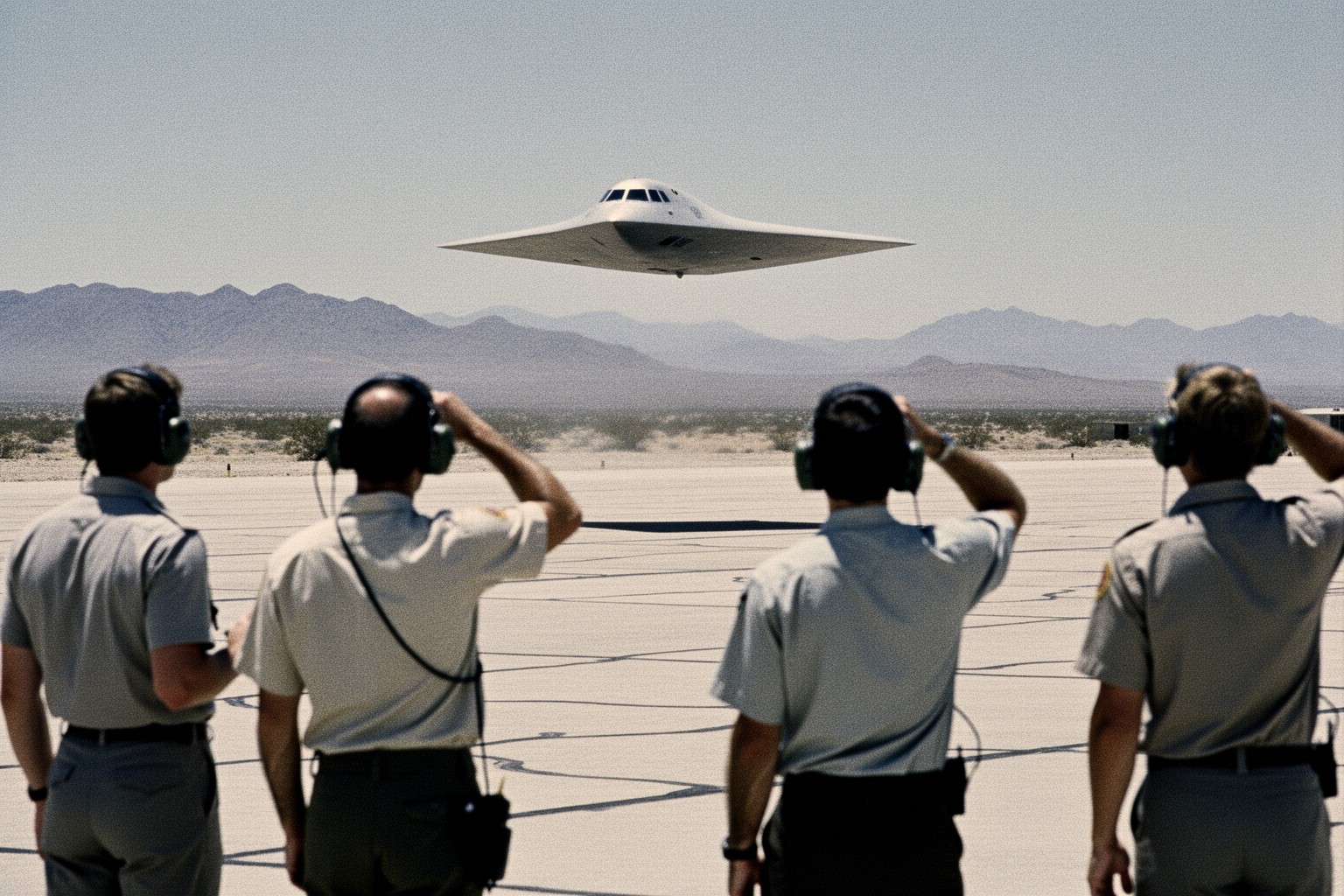
On October 26, 1977, the space shuttle orbiter Enterprise separated from the back of a modified 747 high above California's Mojave Desert. It had no working engines and would never fly to orbit. Its whole purpose was to prove that a winged spacecraft could glide home and land like an aeroplane.
Fred Haise and Gordon Fullerton had already done it four times. Those landings were on the dry lakebed at Edwards Air Force Base, where miles of baked clay forgive nearly any mistake. This fifth and final free flight was aimed at the concrete runway, the narrow strip a real shuttle returning from space would need.
Enterprise came in high and fast. Haise pushed to put it down on a precise spot, working the stick with small, quick corrections.
Instead of settling, the orbiter began to pitch and roll, pilot and computer chasing each other's corrections, and it bounced back into the air before it finally stayed down.
Engineers called it pilot-induced oscillation, traced part of it to delay in the digital flight controls, and changed the software before Columbia carried its first crew to orbit in 1981.
Checked against: NASA Approach and Landing Test program reports, Dryden Flight Research Center histories, contemporary aerospace press coverage
Norway got rid of its king and then needed a new one
Illustration generated by AI for The Day Vault.
On October 26, 1905, King Oscar II of Sweden gave up his claim to the Norwegian crown. A union that had lasted ninety-one years ended without a shot fired.
Norway's parliament had forced the issue in June, declaring that the king had ceased to function as king of Norway. Both countries moved troops toward the border. Then they negotiated, and the terms of separation were signed at Karlstad that autumn.
What Norway lacked was a replacement. Parliament wanted to stay a monarchy, partly to reassure the crowned heads of Europe that the new country was respectable. It offered the throne to a Danish prince, Carl, whose wife was a daughter of the British king.
Carl refused to accept until Norwegians had voted on whether they wanted a king at all.
In November, Norwegian men went to the polls and chose monarchy by almost four to one. Carl arrived days later, took the old Norse name Haakon, and reigned for more than half a century.
Checked against: Norwegian and Swedish national histories; Storting parliamentary records; published accounts of the Karlstad Convention and the November 1905 Norwegian referendum; royal biographies of Haakon VII