On October 28, 1886, President Grover Cleveland dedicated the Statue of Liberty on Bedloe's Island in New York Harbor. Rain fell most of the day, and fog sat low over the water.
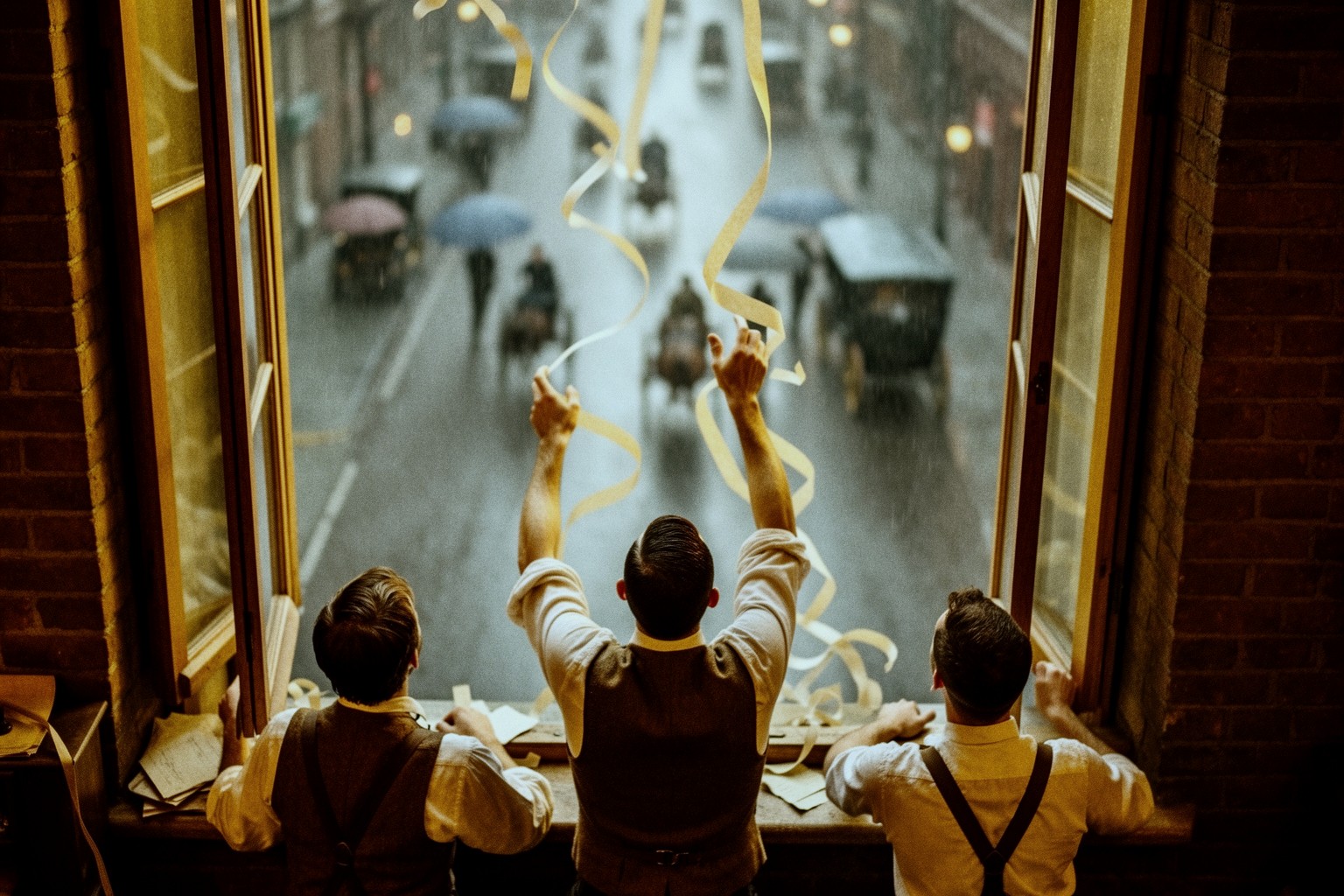
Before the ceremony, a parade moved down Broadway toward the Battery. Clerks in the Wall Street offices leaned out of their windows and threw streams of stock-ticker tape onto the marchers below. Nobody had planned it. It became New York's first ticker-tape parade, and the city has kept the habit ever since.
Out on the harbor, crowds packed into boats strained to see the copper figure through the mist. Her face was hidden under a French flag until the sculptor, Frédéric-Auguste Bartholdi, pulled it away from inside the head. Steam whistles and cannon answered from the water.
The statue was also officially a lighthouse, run by the United States Lighthouse Board, and it was a poor one: the torch was too dim to guide ships.
The Board spent years trying to make it brighter before giving up. In 1902 it handed the statue to the War Department, and she has served as a monument rather than a beacon ever since.
Checked against: National Park Service histories of the Statue of Liberty; contemporary New York newspaper reports from October 1886; U.S. Lighthouse Board annual reports; histories of New York's ticker-tape parades.
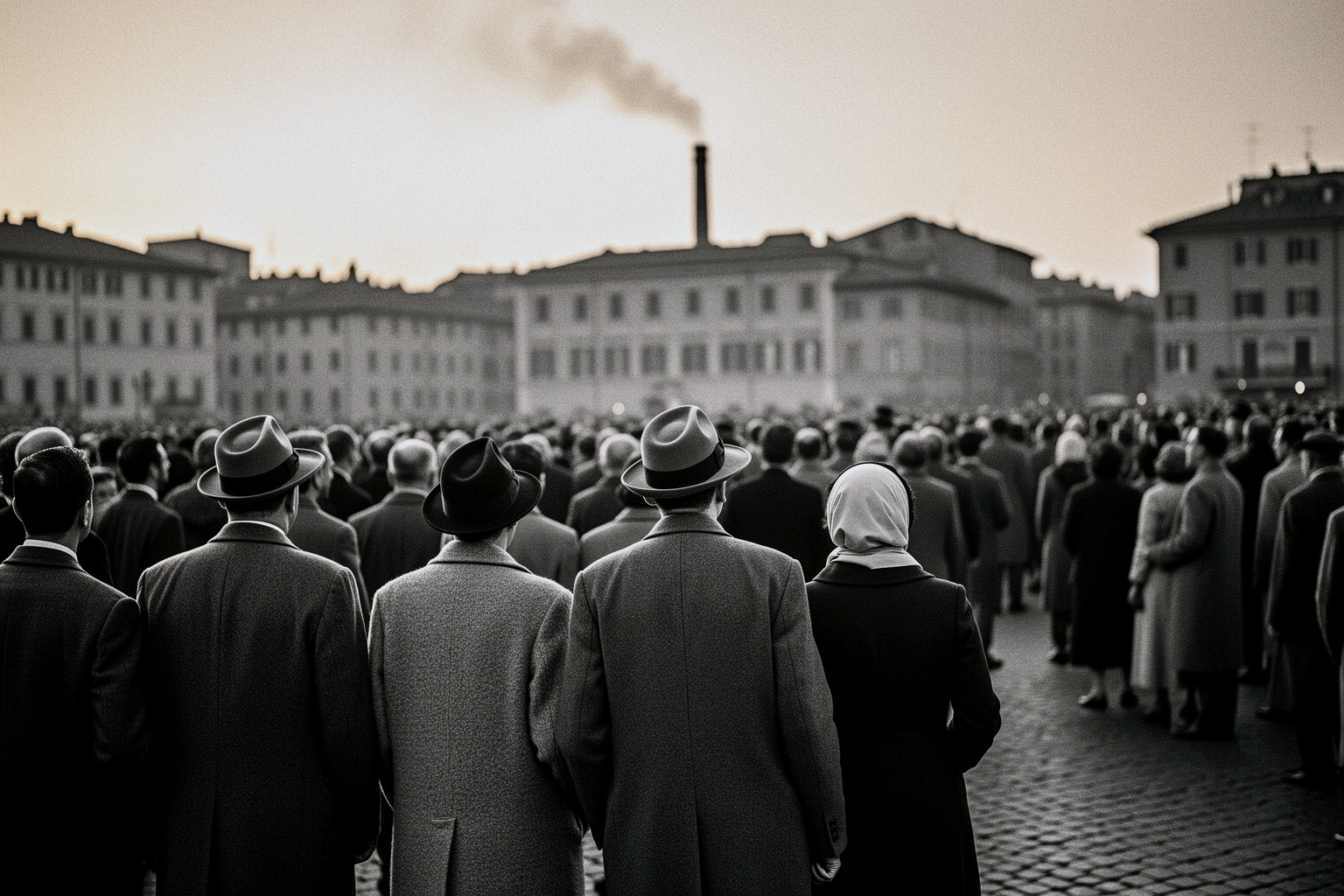
On October 28, 1922, Italy's government tried to stop a coup, and the king said no. Fascist squads had been converging on Rome for two days, soaked by rain and armed mostly with clubs and old rifles. Prime Minister Luigi Facta's cabinet drafted a decree of martial law. The army garrison in the capital stood ready to enforce it.
That morning King Victor Emmanuel III refused to sign. Without his signature the decree was dead, and Facta's government fell with it. The soldiers stayed in their barracks. The roadblocks came down.
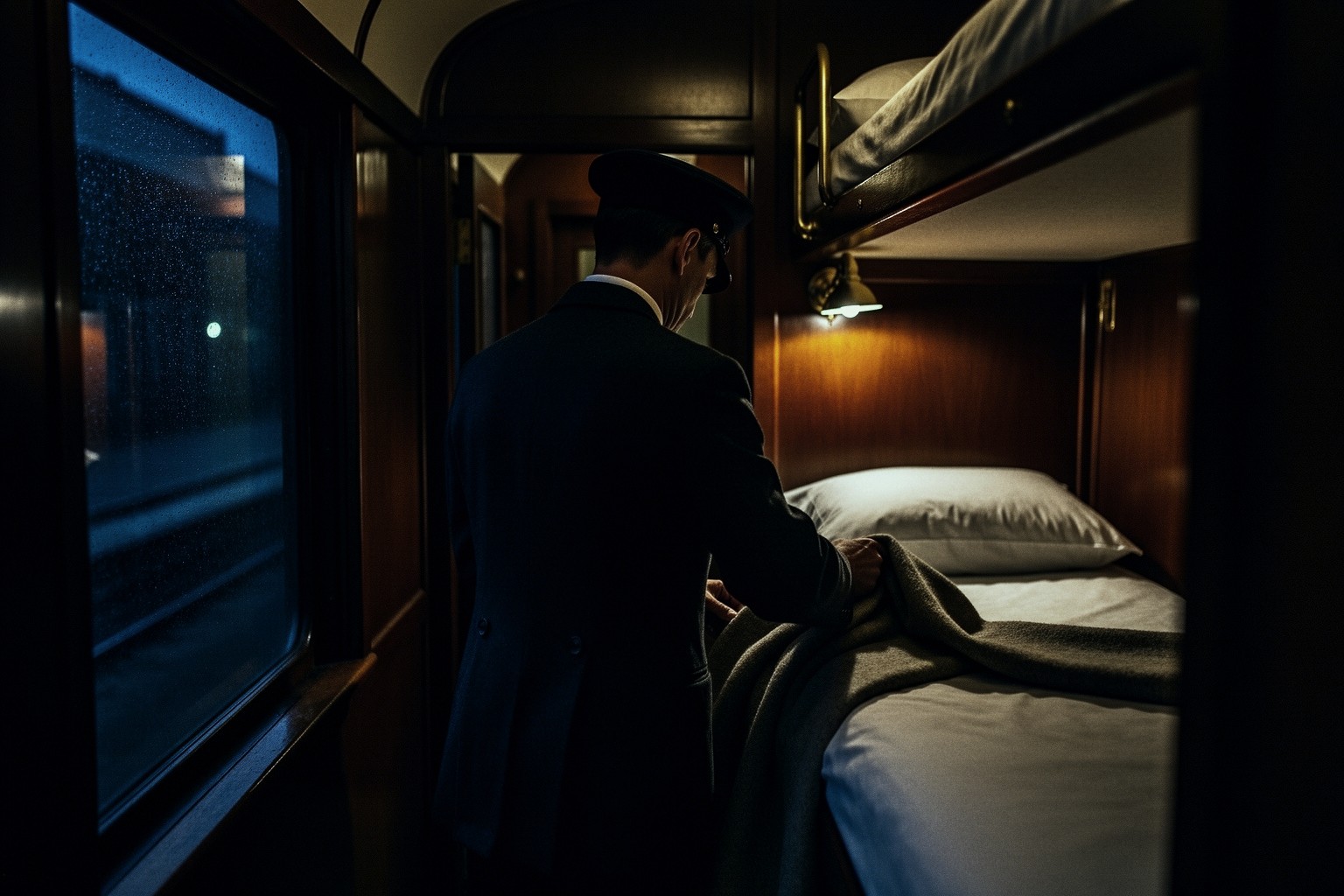
Benito Mussolini spent the crisis in Milan, at the offices of his newspaper, far from the rain and the rifles. On October 29 the king summoned him by telegram to form a government. He boarded an overnight train south.
The march that fascist propaganda would celebrate for two decades did not carry him to power. He reached Rome on October 30 in a sleeping car and was named prime minister that day.
The blackshirts got their procession through the city on October 31, a victory parade for a job already filled. Within three years Mussolini had hollowed out the parliament that accepted him, and the regime dated its calendar from the march.
Checked against: Standard histories of Fascist Italy, biographies of Mussolini and Victor Emmanuel III, contemporary Italian and foreign newspaper reporting, Italian parliamentary and royal records
On October 28, 1962, Radio Moscow read out a letter from Nikita Khrushchev to John F. Kennedy. The Soviet Union would dismantle its missile sites in Cuba and ship the weapons home. Thirteen days of nuclear standoff were over.
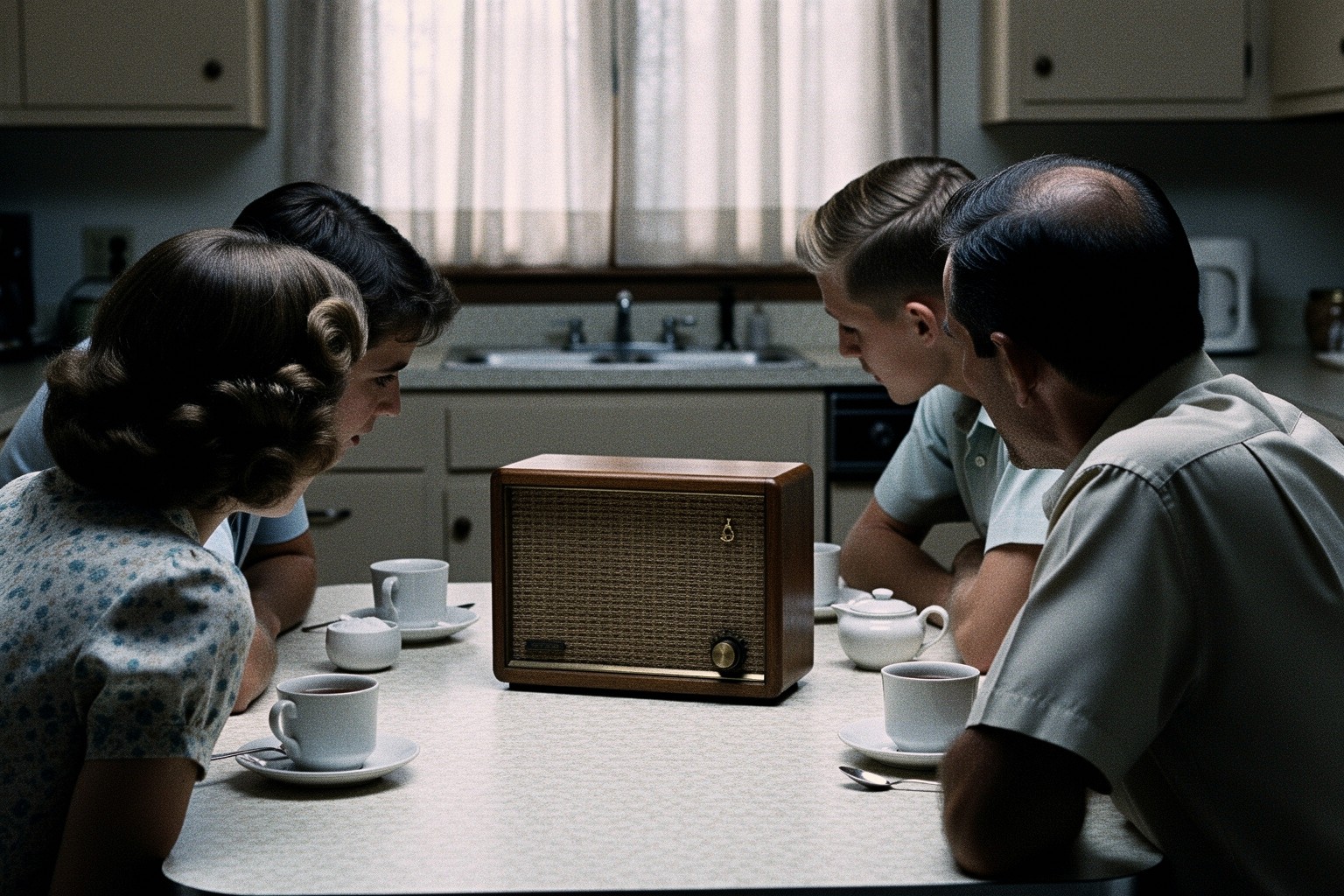
The broadcast was the point. Diplomatic messages between the two capitals had to be encoded, sent, decoded and translated, and that took hours. Khrushchev wanted Washington to hear his answer before anything else went wrong, so he put it on the air.
In return, Kennedy had pledged publicly not to invade Cuba. To most of the world it looked like a plain Soviet retreat. American newspapers said Khrushchev had blinked, and the White House did nothing to correct them.
But the bargain had a second half. The night before, Robert Kennedy had told the Soviet ambassador that American Jupiter missiles in Turkey would be removed within months, on condition that Moscow never said so in public.
The Jupiters left Turkey quietly in April 1963. Khrushchev could never claim the trade, and when the Kremlin pushed him out in October 1964, his rivals counted Cuba among his blunders.
Checked against: Declassified State Department and Soviet diplomatic records, the Foreign Relations of the United States series, transcripts of the Kennedy White House tapes, and standard histories of the Cuban Missile Crisis.
At about 3 a.m. on 28 October 1940, Italy's ambassador woke Greece's prime minister, Ioannis Metaxas, at his home in Athens. He carried an ultimatum: let Italian troops occupy unnamed strategic points inside Greece, or face war. The deadline was 6 a.m.
Metaxas refused. Italian divisions crossed the border from Albania, which Mussolini had seized the year before. They moved before the deadline had even run out.
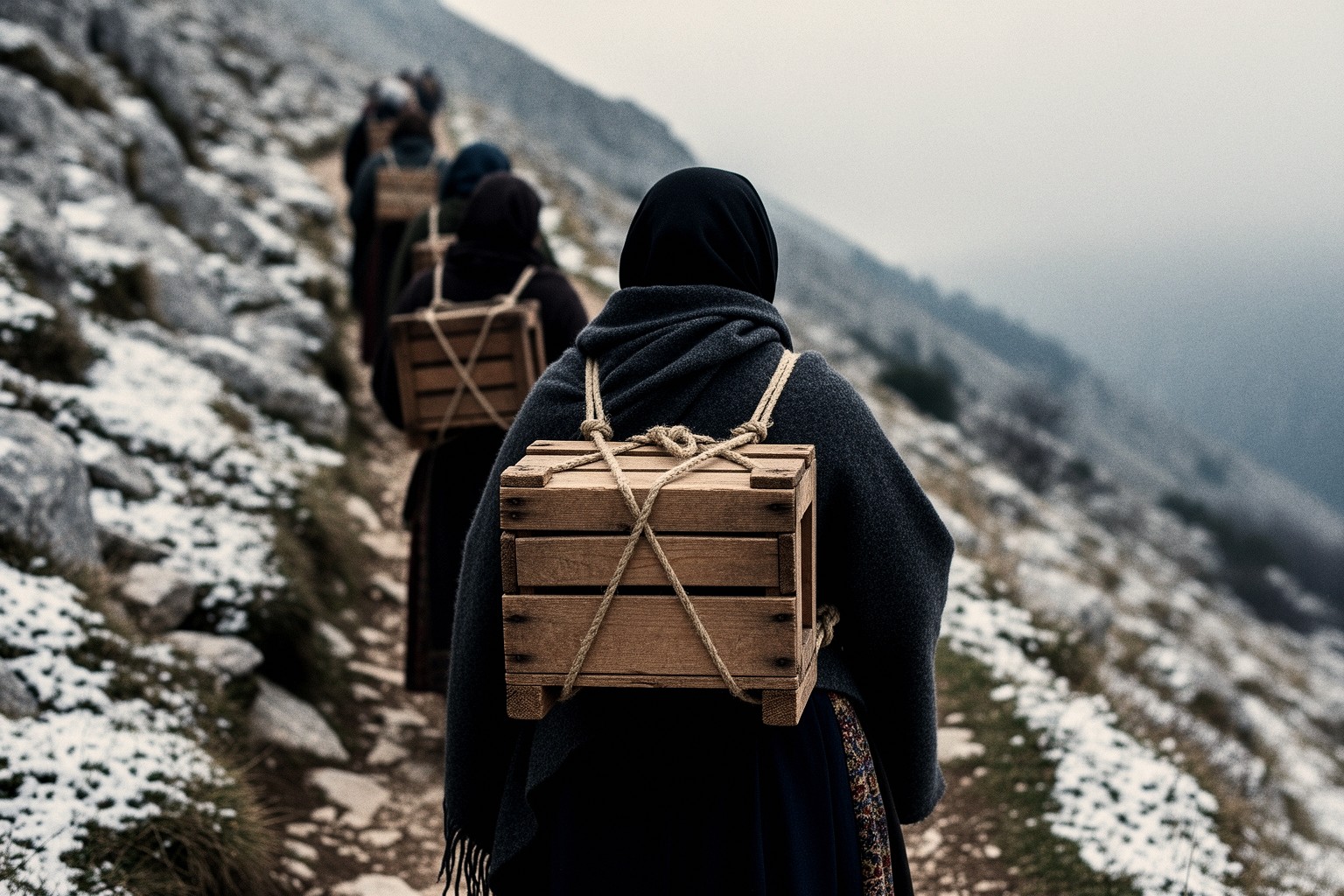
Mussolini expected a short campaign. Instead, Greek troops held the mountain passes. In the Pindus, villagers, many of them women, hauled ammunition and supplies up the slopes on their backs. By late November the Greeks had pushed the Italians back into Albania and taken the town of Korçë. Greece still marks the date as Ochi Day, 'No' Day.
The victory was too complete to ignore. Hitler could not leave his ally beaten in the Balkans, with British aircraft now operating from Greek airfields on Germany's southern flank.
On 6 April 1941, German armies invaded Greece. Athens fell three weeks later.
Checked against: Standard histories of the Greco-Italian War and the Second World War in the Balkans; Greek and Italian diplomatic records; memoirs of the Italian ambassador; Greek national commemorations of 28 October.
On October 28, 1919, the U.S. Senate overrode President Woodrow Wilson's veto and passed the National Prohibition Act. Named for Minnesota congressman Andrew Volstead, it gave the 18th Amendment its teeth.
The amendment banned "intoxicating liquors" but never said what that meant. The act did: anything above half of one percent alcohol. Plenty of people who had backed the dry cause expected beer and light wine to survive. They did not.
The law built a federal enforcement system, set penalties for making, selling and transporting drink, and carved out permits for the exceptions: sacramental wine, industrial alcohol, whiskey on a doctor's prescription. It took effect in January 1920.
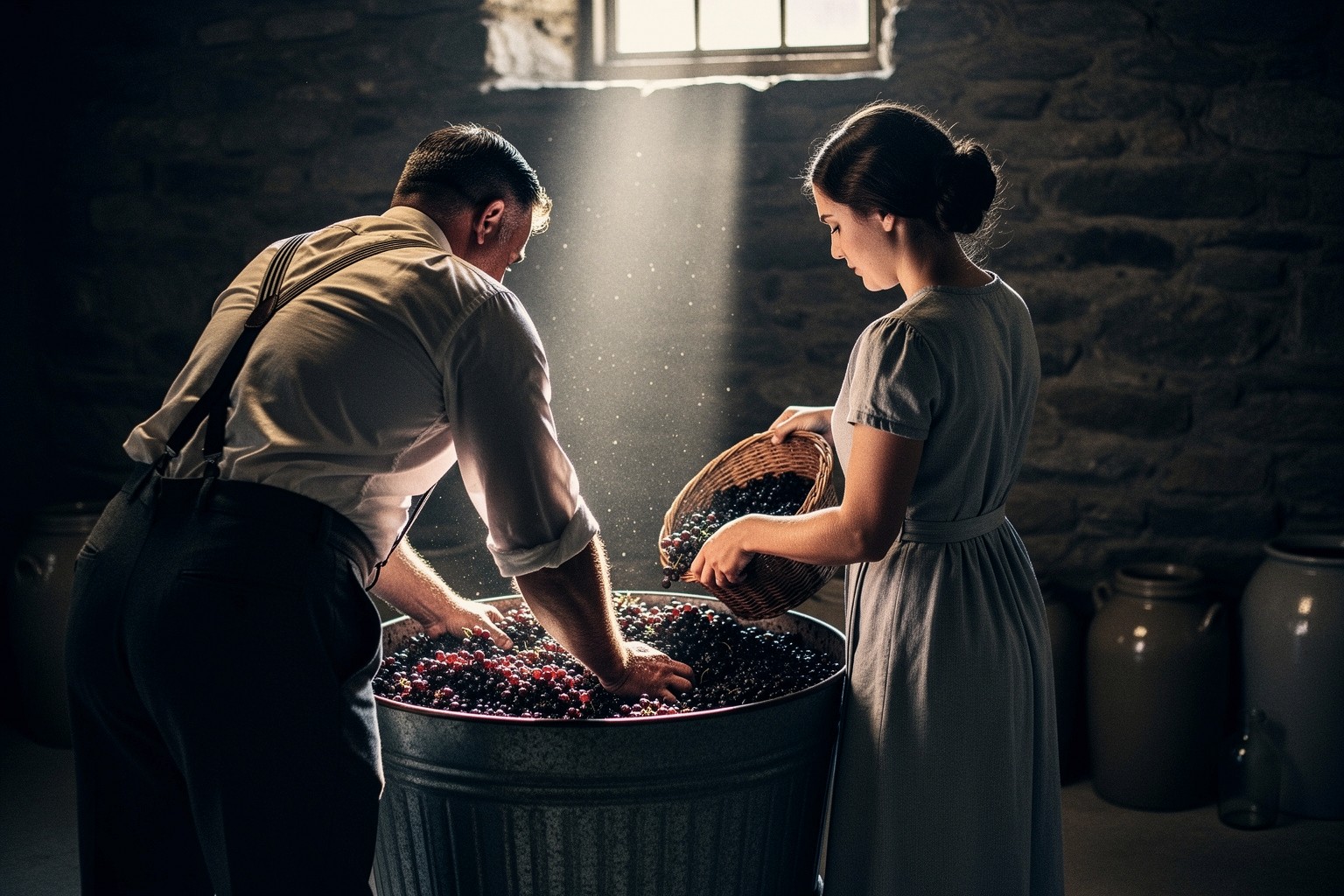
One clause, written to spare farm households, let families make "nonintoxicating" cider and fruit juices at home, and nobody stood in the cellar to see how long the juice sat.
California's grape growers shipped fruit east by the trainload. Bricks of pressed, dried grapes went on sale with careful warnings about exactly which steps would make them ferment. Across the country, basement crocks bubbled behind a clause federal agents could rarely touch.
Checked against: Congressional Record for October 1919; the text of the National Prohibition Act; histories of American Prohibition; contemporary newspaper coverage; studies of the California grape industry in the 1920s
On October 28, 1958, the cardinals locked inside the Sistine Chapel chose Angelo Giuseppe Roncalli, patriarch of Venice, to succeed Pius XII. He was 76, a farmer's son from near Bergamo, round and genial, with decades behind him as a Vatican diplomat in Bulgaria, Turkey and France.
He took the name John, which no pope had used in more than six centuries, partly because a fifteenth-century claimant had already called himself John XXIII. Roncalli took the number anyway.
Observers read his age plainly. After Pius XII's nineteen-year reign, they expected a caretaker: a short, quiet papacy while the church worked out what came next.
Less than three months later, on January 25, 1959, the caretaker told a small group of cardinals at the Basilica of St Paul Outside the Walls that he intended to summon an ecumenical council.
The Second Vatican Council opened in October 1962 and reshaped Catholic life, from the language of the Mass to relations with other faiths. Roncalli died in June 1963, with three of its four sessions still to come.
Checked against: Vatican records of the 1958 conclave; biographies of John XXIII; histories of the Second Vatican Council; contemporary newspaper reports from Rome
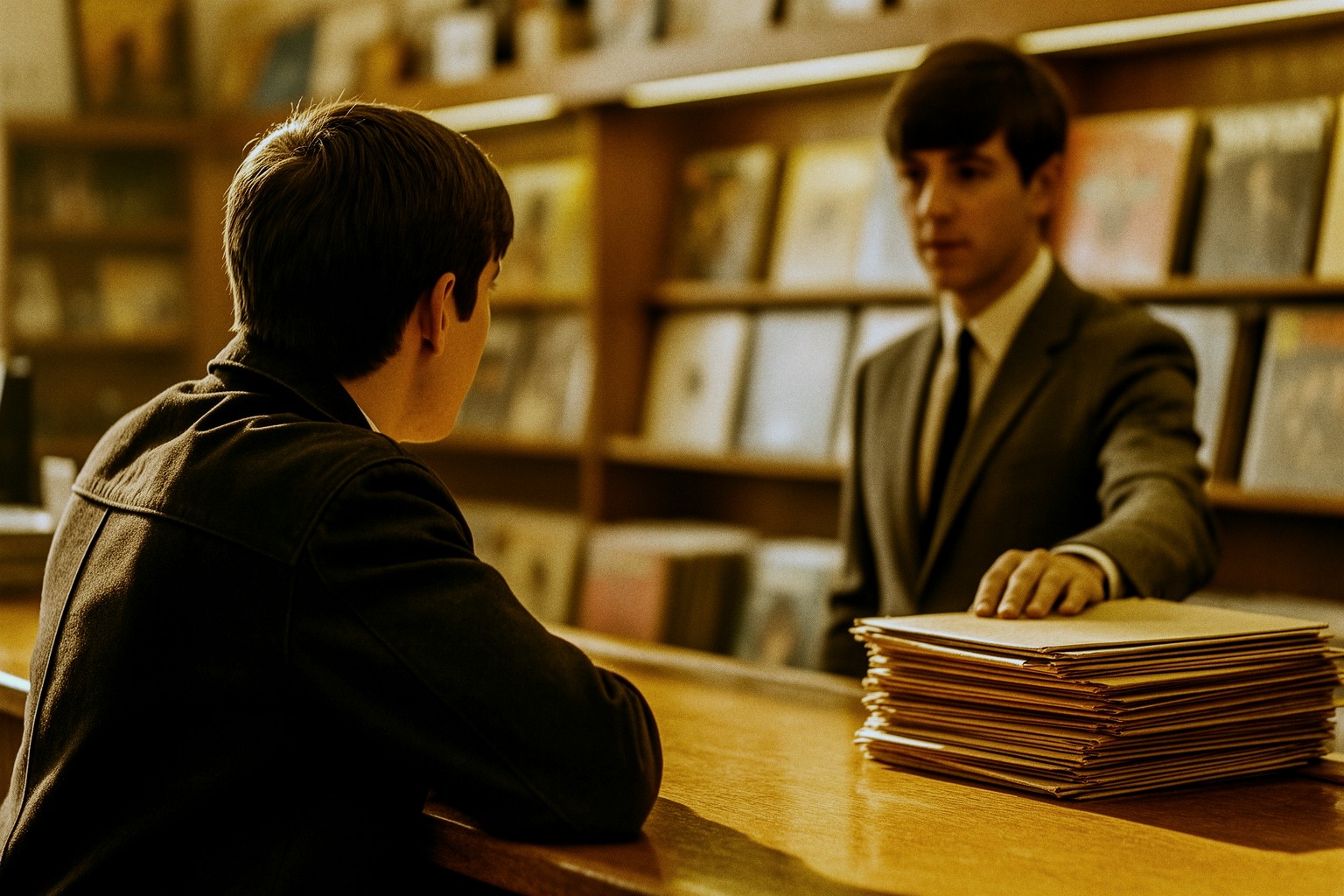
A customer asked for a record the shop had never heard of
Illustration generated by AI for The Day Vault.
On 28 October 1961, an eighteen-year-old named Raymond Jones walked into the NEMS record shop on Whitechapel in Liverpool and asked for a single called "My Bonnie." The man behind the business, Brian Epstein, had never heard of it.
Epstein ran the shop on a simple promise: if a customer wanted a record, he would find it. He traced this one to Germany. It had been released there by Polydor, credited to Tony Sheridan and the Beat Brothers. The backing band was in fact a Liverpool group who had spent months playing long nights in Hamburg clubs. They called themselves the Beatles.
By Epstein's own account, other customers soon asked for the same record. He started making enquiries about a band he assumed was working somewhere far away, and about ordering copies from the German label.
The group he was chasing across the continent were playing lunchtime sessions in a cellar a few minutes' walk from his counter.
On 9 November he went down the steps of the Cavern Club on Mathew Street to watch them play. By the end of January 1962 he had signed them as their manager.
Checked against: Mark Lewisohn's Beatles biographies and session chronologies; Brian Epstein's memoir; Liverpool local and music-press histories of NEMS and the Cavern Club
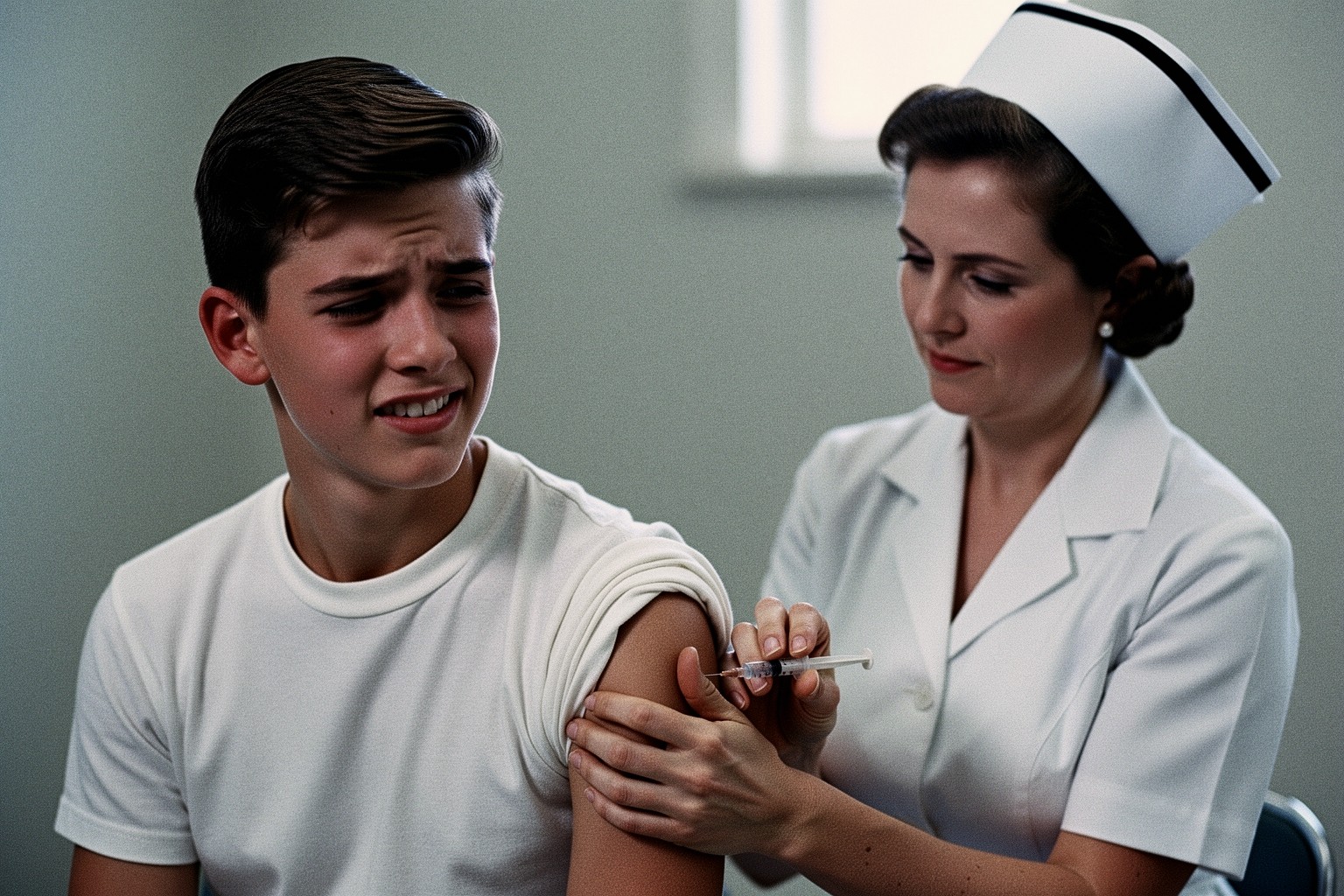
On October 28, 1956, Elvis Presley rolled up his sleeve backstage at CBS in New York and took a polio shot from a city health official. Press photographers had been invited. He was in the building for his second appearance on The Ed Sullivan Show.
The Salk vaccine had been on general release for about eighteen months. Parents had queued for their small children. Teenagers, who could still catch polio and still be paralysed by it, mostly had not bothered. Health officials wanted someone teenagers would copy.
The pictures ran in newspapers across the country. He grinned, sleeve up, needle in. The episode has been retold ever since as the afternoon a generation followed its idol to the clinic.
Historians who have checked the uptake records found little sign of a rush. Teenagers kept putting the shot off.
What eventually moved them was each other. The March of Dimes backed teen-run campaigns in 1957, with teenagers knocking on doors and canvassing classmates. Some local groups ran dances where the price of admission was proof you had been vaccinated.
Checked against: Contemporary newspaper coverage of the October 1956 vaccination; March of Dimes archives; peer-reviewed histories of the 1950s polio vaccination campaign among adolescents.
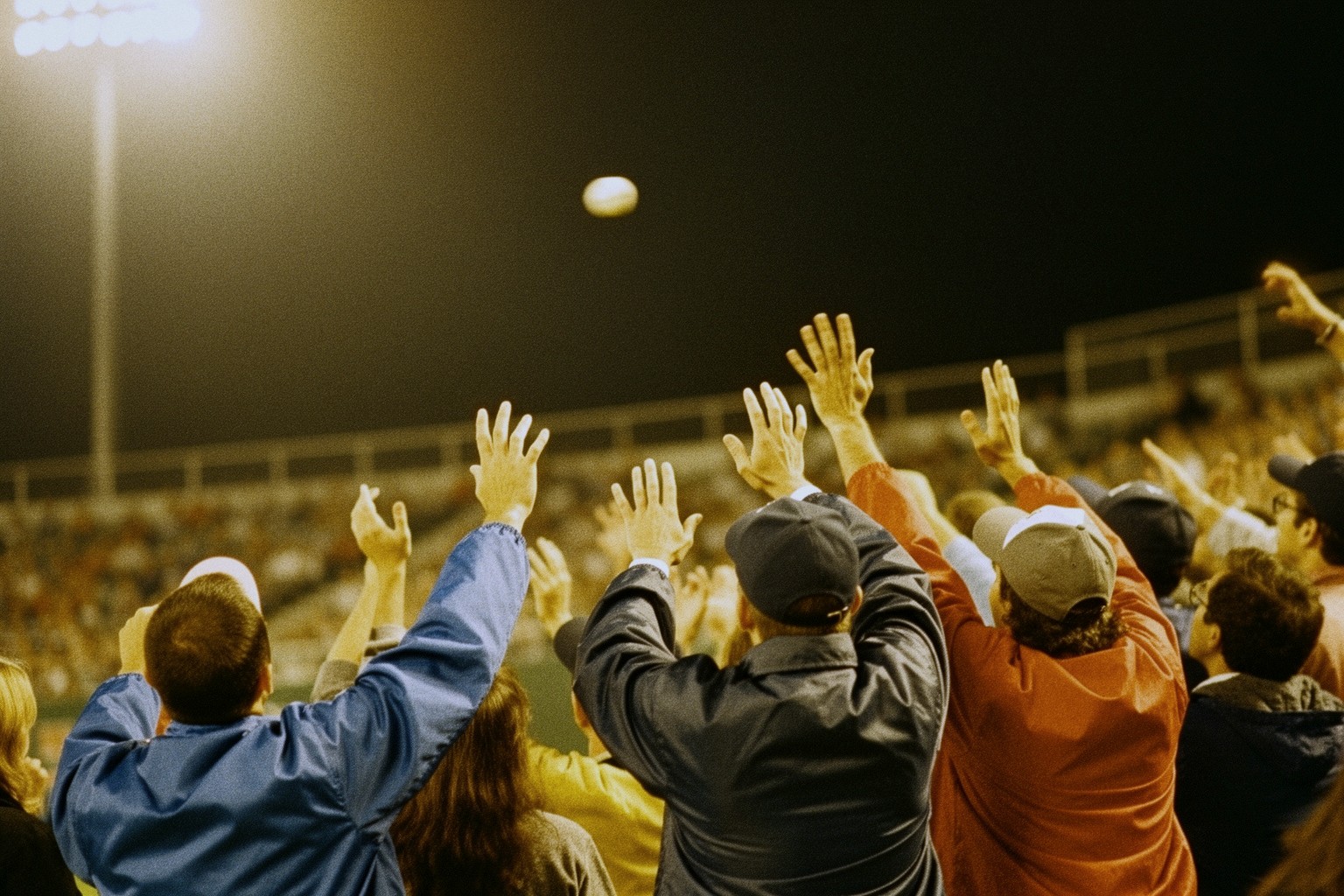
On October 28, 1995, the Atlanta Braves beat the Cleveland Indians 1-0 to win the World Series in six games. It was the first championship an Atlanta team had won in any of the four major North American leagues.
Tom Glavine pitched eight innings and gave up one hit, a single. Mark Wohlers pitched the ninth. Cleveland had won 100 games in a season shortened by a players' strike, and its lineup had battered pitchers all year. That night it barely touched the ball. Glavine was named the Series MVP.
The only run came in the sixth inning, on a home run to right field by David Justice. A day earlier, Justice had told reporters that Atlanta's fans were too quiet, and that the city would turn on the team if it lost. When he came to bat that night, some of the crowd booed.
The run that ended Atlanta's wait came from the one player the stadium had arrived ready to jeer.
When the ball cleared the fence, the same fans stood and roared for him. Justice spent the last three innings in right field, cheered by the crowd he had criticised, waiting for the final out.
Checked against: Contemporary newspaper game reports, official Major League Baseball box scores and postseason records, wire service coverage of the 1995 World Series
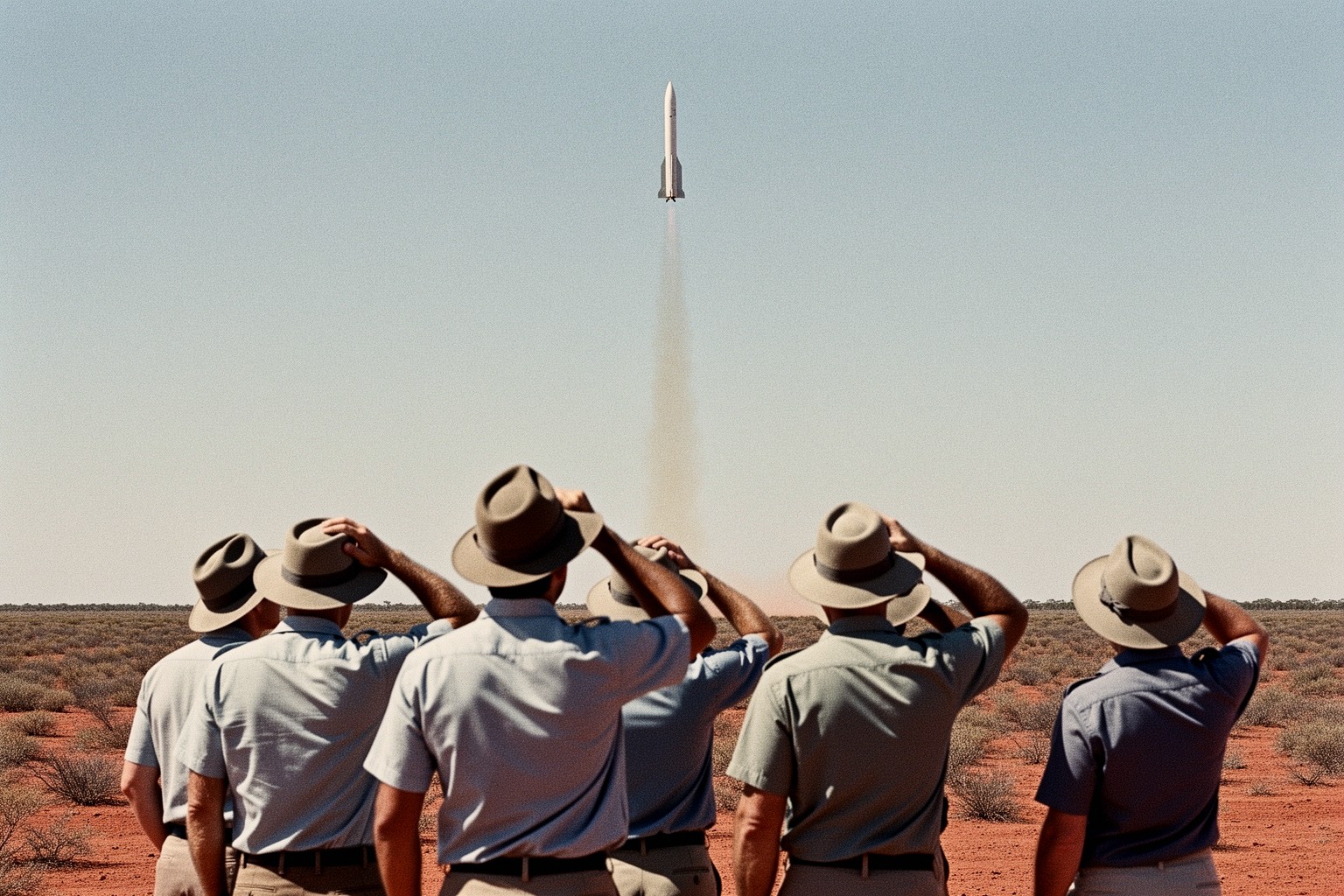
On October 28, 1971, a slender rocket called Black Arrow lifted off from Woomera, in the South Australian desert, and put a small British satellite into orbit. With it, Britain became the sixth country to launch a satellite on a rocket of its own making.
The satellite was named Prospero. It carried experiments to test new solar cells and a detector to count micrometeoroids, the specks of dust that pepper anything in orbit. The rocket itself was a modest machine. It burned kerosene and hydrogen peroxide, a pairing its engineers valued for being simple and comparatively cheap.
It had not been an easy road. An earlier attempt at orbit, in 1970, had fallen short when the second stage shut down too soon. The October launch was the team's second chance. It worked. Prospero separated cleanly and began circling the Earth.
By then the programme was already dead. The government had cancelled Black Arrow that summer, judging it cheaper to buy launches from the Americans, and the team had been allowed to fly only the rocket it had already built.
Britain has not put a satellite into orbit on a British rocket since. Prospero is still up there, a working proof of a capability the country had already given away.
Checked against: UK National Archives cabinet and ministry papers; published histories of the British space programme; satellite catalogue records from space agencies; Science Museum collection notes on Black Arrow
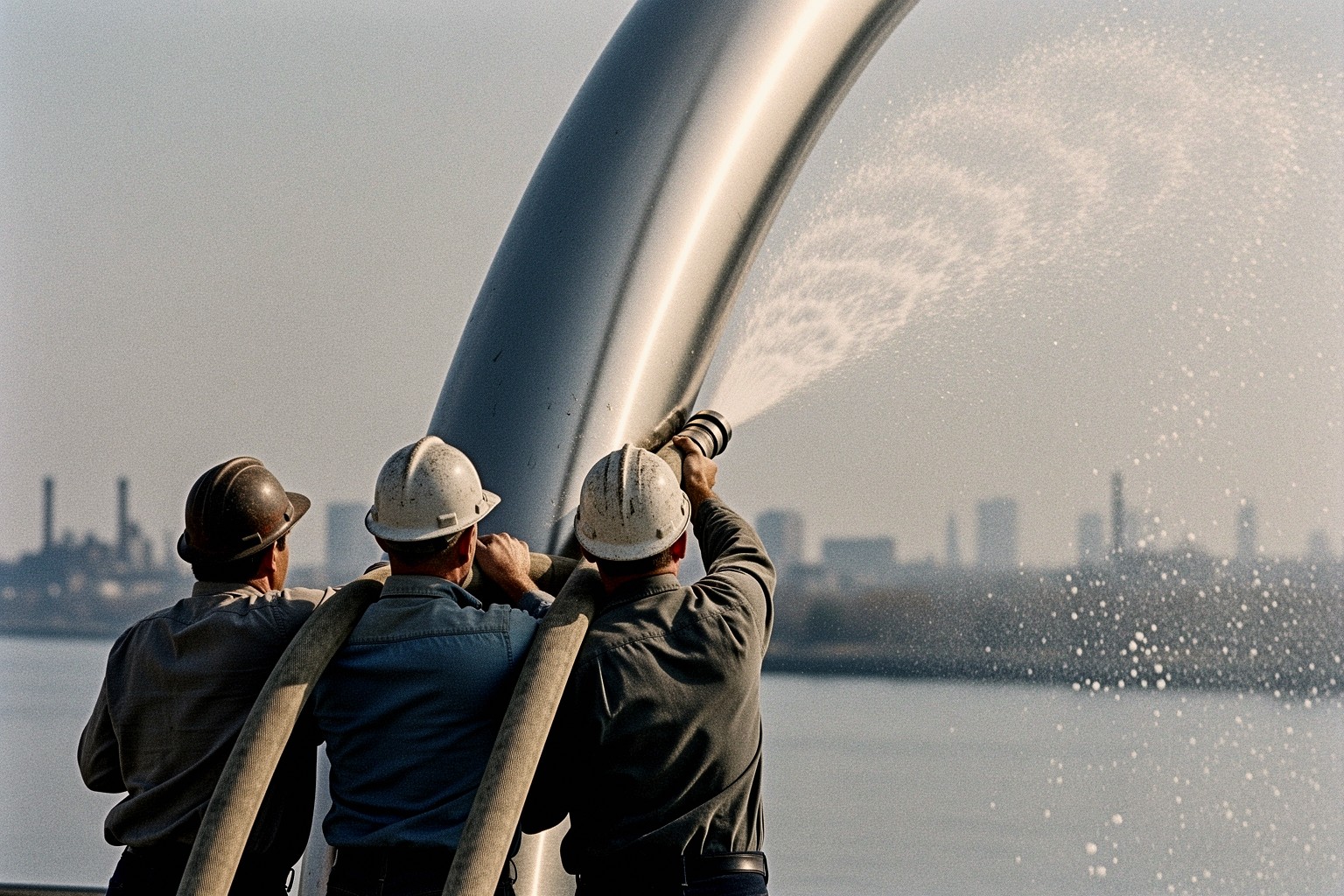
They hosed down a steel leg so the last piece would fit
Illustration generated by AI for The Day Vault.
On October 28, 1965, workers in St. Louis lowered the final section into the top of the Gateway Arch. At 630 feet, it closed the gap between two stainless steel legs that had been climbing toward each other for more than two years.
The legs had been built separately, from the ground up, with creeper cranes inching up their backs. The fit at the top had no slack. Steel grows in the sun, and the sun-facing south leg had swelled just enough to narrow the opening. So crews on the ground turned fire hoses on it, spraying the steel to cool it and shrink it back.
Up top, a jack pried the two legs apart to widen the gap. The keystone piece was eased in and fixed in place. The arch now stood on its own, a single curve over the Mississippi riverfront.
Finished, though, did not mean open.
The trams that carry visitors up inside the legs were still unbuilt. For nearly two years the arch stood complete and closed, and the public did not reach the observation windows at the top until the summer of 1967.
Checked against: National Park Service histories of the Jefferson National Expansion Memorial; contemporary St. Louis newspaper coverage; engineering accounts of the arch's construction