The soldiers had machine guns. The birds had legs.
Illustration generated by AI for The Day Vault.
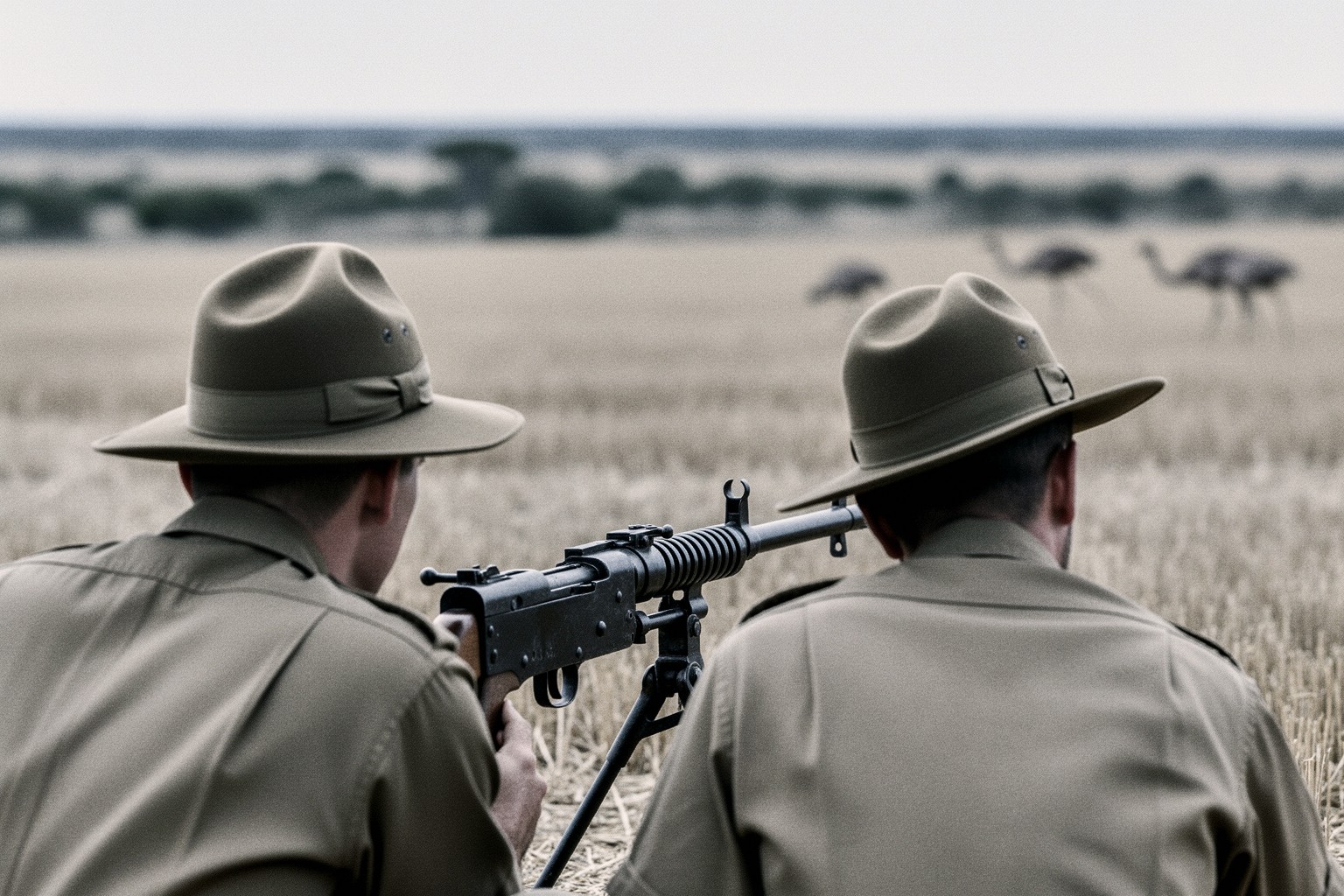
On 2 November 1932, soldiers of the Royal Australian Artillery opened fire on emus near Campion, Western Australia. The enemy was a flock of wild birds. The weapons were two Lewis machine guns.
Wheat farmers had asked for help. Many were First World War veterans settled on marginal land after the war. Thousands of emus had moved in from the interior after breeding, flattening crops and breaking fences that rabbits then poured through. The federal government sent a small detachment under Major G.P.W. Meredith, and the farmers agreed to feed and house the troops.
Rain had already delayed the start. When the gunners finally set up, most of the flock was out of range. The birds within range split into small groups and ran in different directions, which is not how a target is supposed to behave. Later attempts went no better. An ambush at a dam ended when a gun jammed.
The emus were never routed. They simply would not stay bunched together long enough to be worth the ammunition.
Within a week, after questions in Parliament and ridicule in the press, the soldiers were withdrawn. They returned later in November at the farmers' request. When they left for good in December, the emus were still there.
Checked against: Australian parliamentary records (Hansard), contemporary Australian newspaper reports, Australian War Memorial and Department of Defence archival material, peer-reviewed histories of Western Australian agriculture
The worm asked if it was welcome. Then it came in anyway.
Illustration generated by AI for The Day Vault.
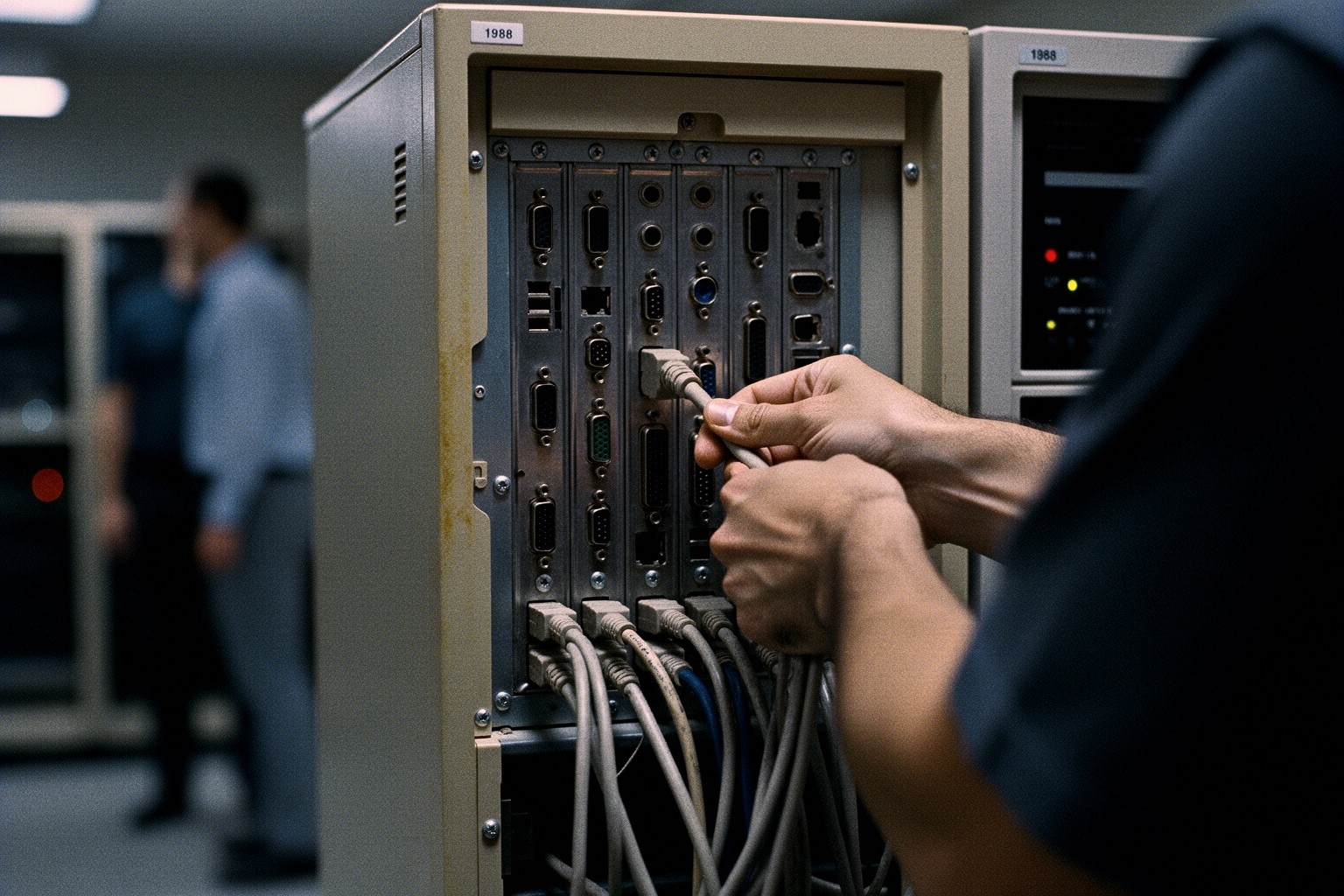
On November 2, 1988, a Cornell graduate student named Robert Tappan Morris released a program onto the young internet. He launched it from a computer at MIT, not from his own desk at Cornell.
The program copied itself from machine to machine. It slipped in through flaws in common Unix mail and lookup software, and it guessed weak passwords. By most accounts it was an experiment, not an attack.
By the next morning, computers at universities, military sites and research labs had slowed to a crawl. Administrators pulled their machines off the network and spent days picking the code apart, line by line.
The worm was built to be polite: before moving in, it asked each machine whether a copy was already running. But Morris worried administrators would fake a yes, so he told it to install itself anyway one time in seven.
At that rate, machines were infected again and again until they buckled under their own copies. In 1990 he became the first person convicted under the federal Computer Fraud and Abuse Act, sentenced to probation, 400 hours of community service and a $10,050 fine.
Checked against: Contemporary technical post-mortems by university computer scientists, US federal court records from the 1990 trial, and national newspaper coverage from November 1988.
A coronation in Addis Ababa. A messiah in Kingston.
Illustration generated by AI for The Day Vault.
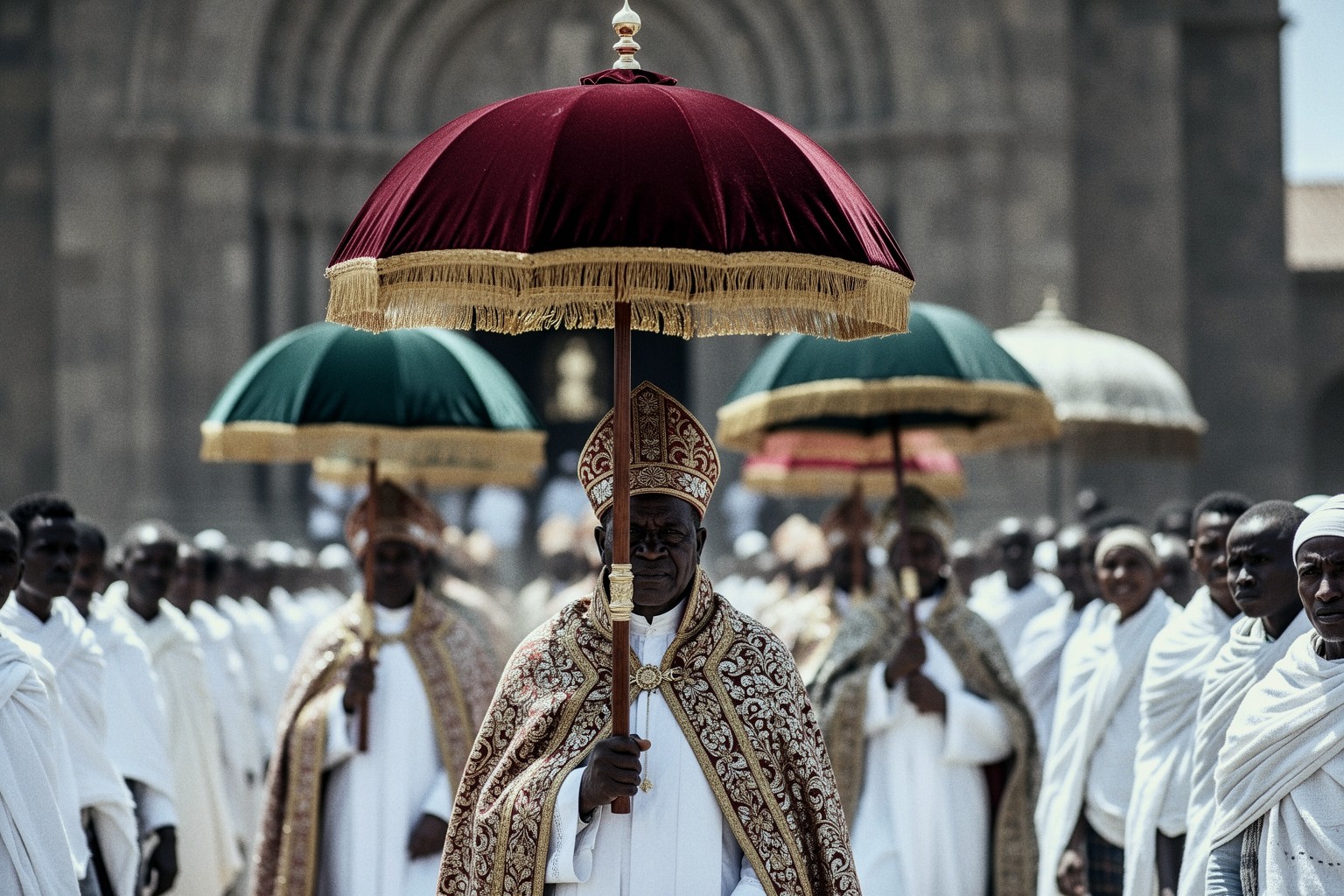
On 2 November 1930, Tafari Makonnen was crowned Emperor of Ethiopia in St George's Cathedral, Addis Ababa. He took the name Haile Selassie, meaning "Power of the Trinity", along with the old imperial titles: King of Kings, Elect of God, Conquering Lion of the Tribe of Judah. Foreign delegations sailed in to watch.
In Jamaica, the news landed differently. A handful of street preachers, Leonard Howell among them, read the coronation as scripture fulfilled. Psalm 68 said Ethiopia would stretch out her hands unto God. Here was a Black king, crowned in an independent African kingdom, carrying a title from the Bible.
Within a few years they were preaching that Ras Tafari, the name he held before the crown, was God returned to earth. Colonial authorities convicted Howell of sedition. The movement grew anyway, in yards and hill camps, and took its name from the man in Addis Ababa.
The man in Addis Ababa was a devout Ethiopian Orthodox Christian who never claimed to be divine.
It made no difference. When his plane landed in Kingston in 1966, crowds flooded the runway before he could step down. When he died in 1975, many believers simply declined to accept it.
Checked against: Standard biographies of the emperor, contemporary press coverage of the 1930 coronation, academic histories of the Rastafari movement, Jamaican colonial court records on Leonard Howell
The first song on British television was about television
Illustration generated by AI for The Day Vault.
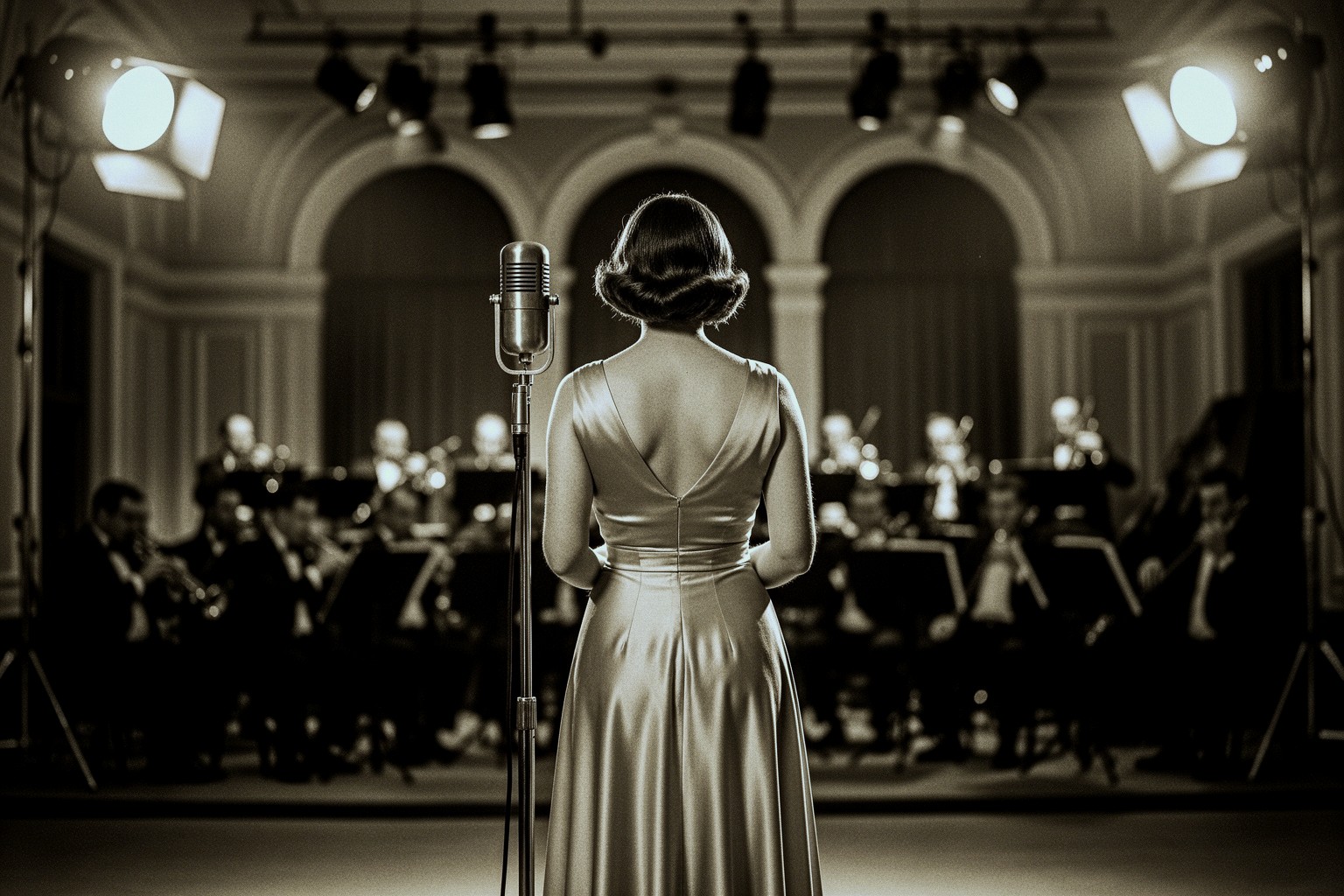
On November 2, 1936, the BBC opened its regular high-definition television service from Alexandra Palace, a Victorian hall on a hill in north London. The transmitter mast stood above one of the palace towers. The studios were converted rooms below it.
The opening programme needed a song, so the BBC commissioned one. Adele Dixon, a singer from the West End stage, stood in front of the cameras with a dance orchestra behind her and sang a number written for the occasion. Its title was simply "Television." The new medium launched itself by singing about itself.
The lights were fierce and the studio was cramped. The audience was small, limited to people near London who owned a set, and sets were expensive. The performance went out anyway, to whoever was watching.
But the BBC had not yet chosen how television should work. Two rival systems, John Logie Baird's and Marconi-EMI's, were being tested against each other, so the opening ceremony went out on Baird's system and was then staged again for Marconi-EMI's.
In February 1937 the BBC dropped Baird's system for good. Half of opening night had been performed for a technology with three months left to live.
Checked against: BBC corporate history archives, histories of British broadcasting, contemporary newspaper reports of the Alexandra Palace opening, biographies of John Logie Baird