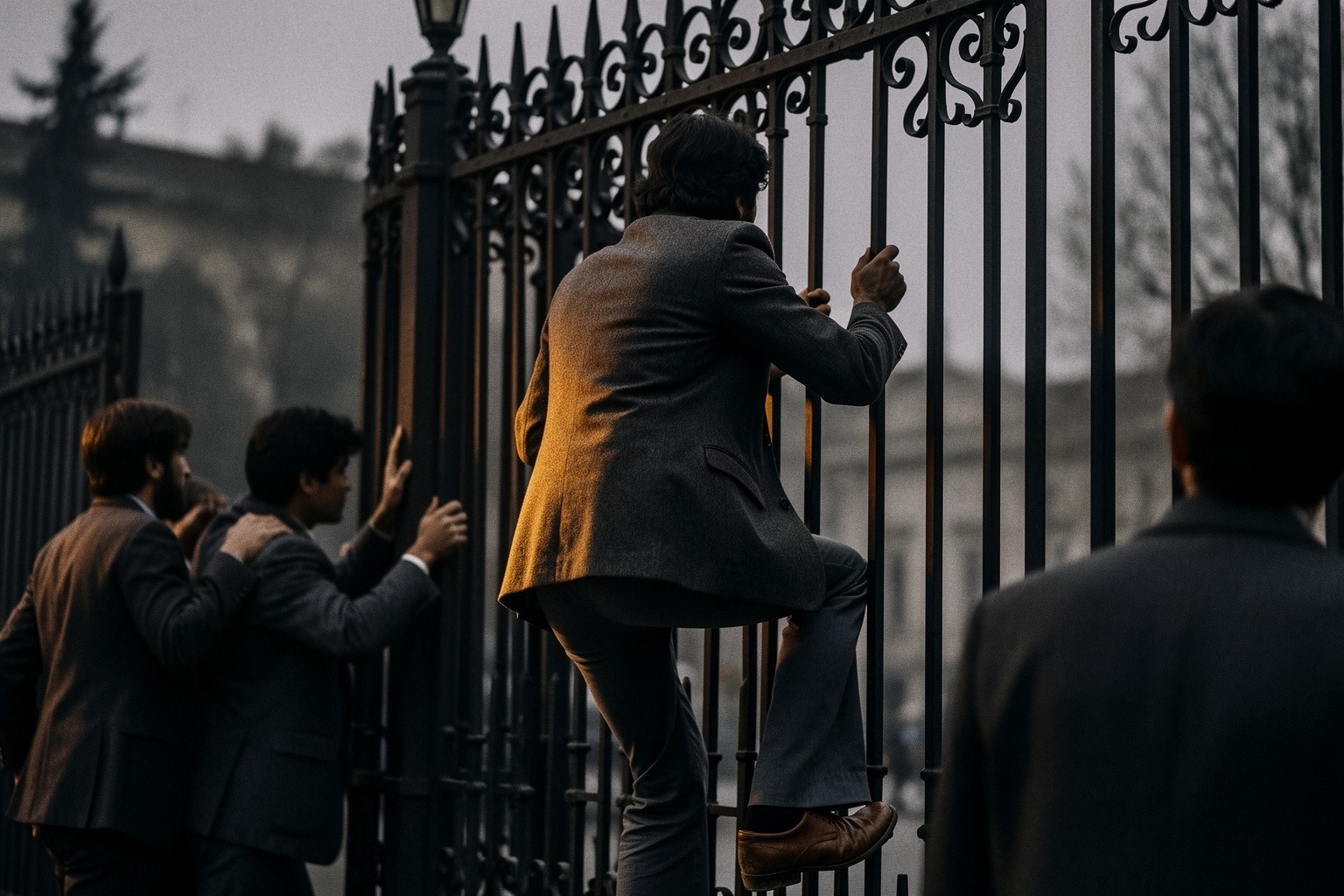
On November 4, 1979, a crowd of Iranian students climbed the gates of the American embassy in Tehran and took dozens of Americans captive. Two weeks earlier, President Jimmy Carter had let the deposed Shah into the United States for cancer treatment. The students wanted him sent back to stand trial.
Ayatollah Khomeini endorsed the takeover. Within weeks the captors freed thirteen hostages, women and African Americans among them. Months later they released one more man, who had fallen seriously ill. Fifty-two remained, blindfolded and paraded, then moved between rooms and safe houses.
Washington froze Iranian assets and cut diplomatic ties. In April 1980 a military rescue mission collapsed in the Iranian desert, and eight American servicemen died when a helicopter struck a transport plane. Back home, ABC launched a late-night update on the crisis. It later became Nightline.
The students had planned a sit-in lasting a few days. Once the crowds outside grew and the clerics backed them, the hostages became too valuable to give back.
The crisis lasted 444 days and shaped Carter's failed campaign for re-election. The fifty-two were released on January 20, 1981, minutes after Ronald Reagan took the oath of office.
Checked against: Contemporary wire and newspaper reporting; State Department records; hostage memoirs and oral histories; book-length accounts based on interviews with captors and captives
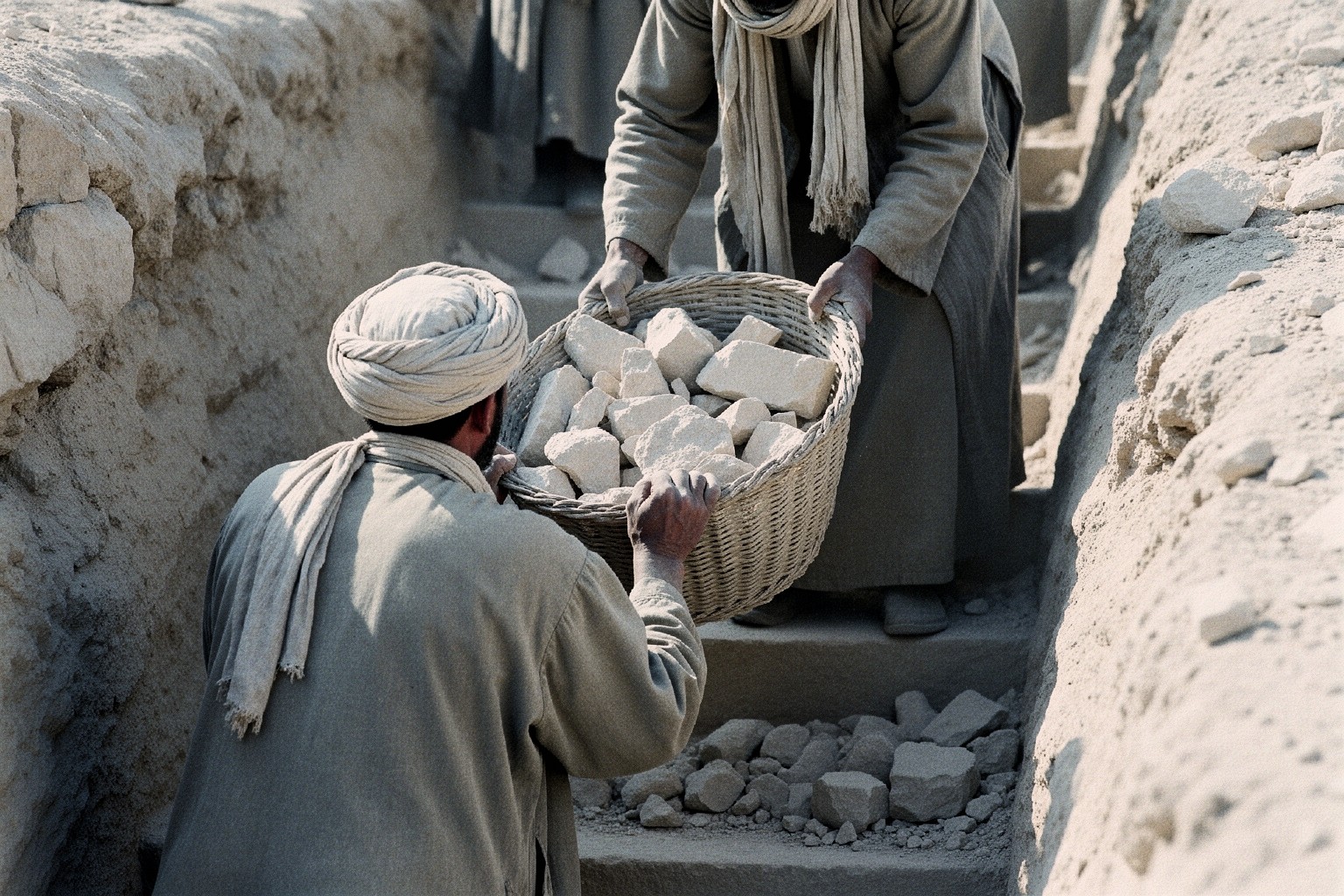
On November 4, 1922, diggers in Egypt's Valley of the Kings uncovered a single step cut into the bedrock. It lay beneath the remains of ancient workmen's huts, ground that Howard Carter's excavations had skirted for years.
Carter was nearly out of time. His patron, Lord Carnarvon, had funded five seasons of searching that turned up almost nothing, and had agreed to pay for just one more. By the next day the crew had cleared a staircase leading down to the top of a plastered doorway stamped with seals.
Carter had the steps filled back in and waited. On November 6 he cabled Carnarvon in England: "At last have made wonderful discovery in Valley; a magnificent tomb with seals intact." Carnarvon arrived with his daughter, and on November 24 the whole doorway was finally exposed.
The seals were not quite intact. Lower down, patches of plaster showed that the door had been broken through and resealed in antiquity. Robbers had got in before officials closed it up again.
The thieves had been interrupted. Behind that door, and a second one at the end of a rubble-filled corridor, lay the tomb of Tutankhamun. Its chambers were crowded with gold, furniture and chariots, much of it still where the burial party had left it.
Checked against: Howard Carter's excavation diaries and journals held by the Griffith Institute, Oxford; Carter's published account of the excavation; Egyptological histories of the Valley of the Kings
On November 4, 1924, Wyoming voters elected Nellie Tayloe Ross governor. She would finish the term of her husband, William, who had died in office a month earlier after surgery for appendicitis.
The Democrats nominated her within days of the funeral. She made no campaign speeches and stayed home in mourning while others spoke for her. She won anyway, comfortably, in a state that usually leaned Republican.
It suited Wyoming's story about itself. As a territory in 1869, it had become the first place in the United States to give women the vote, and it carried the nickname the Equality State. Now it had chosen a woman to run it.
But on the same day, Texas elected Miriam Ferguson, who was running as a stand-in for her husband, a former governor who had been impeached and barred from holding office again.
So two women won governorships on the same Tuesday, and the history books settled the matter by the calendar. Ross took the oath on January 5, 1925. Ferguson took hers on January 20. Fifteen days made Ross the first woman to serve as governor of an American state.
Checked against: Wyoming state archives and official election returns; Texas State Library records on the Ferguson administrations; contemporary newspaper coverage; standard biographies of Nellie Tayloe Ross
On 4 November 1918, Second Lieutenant Wilfred Owen of the Manchester Regiment was killed on the Sambre-Oise Canal near the village of Ors, in northern France. He was 25.
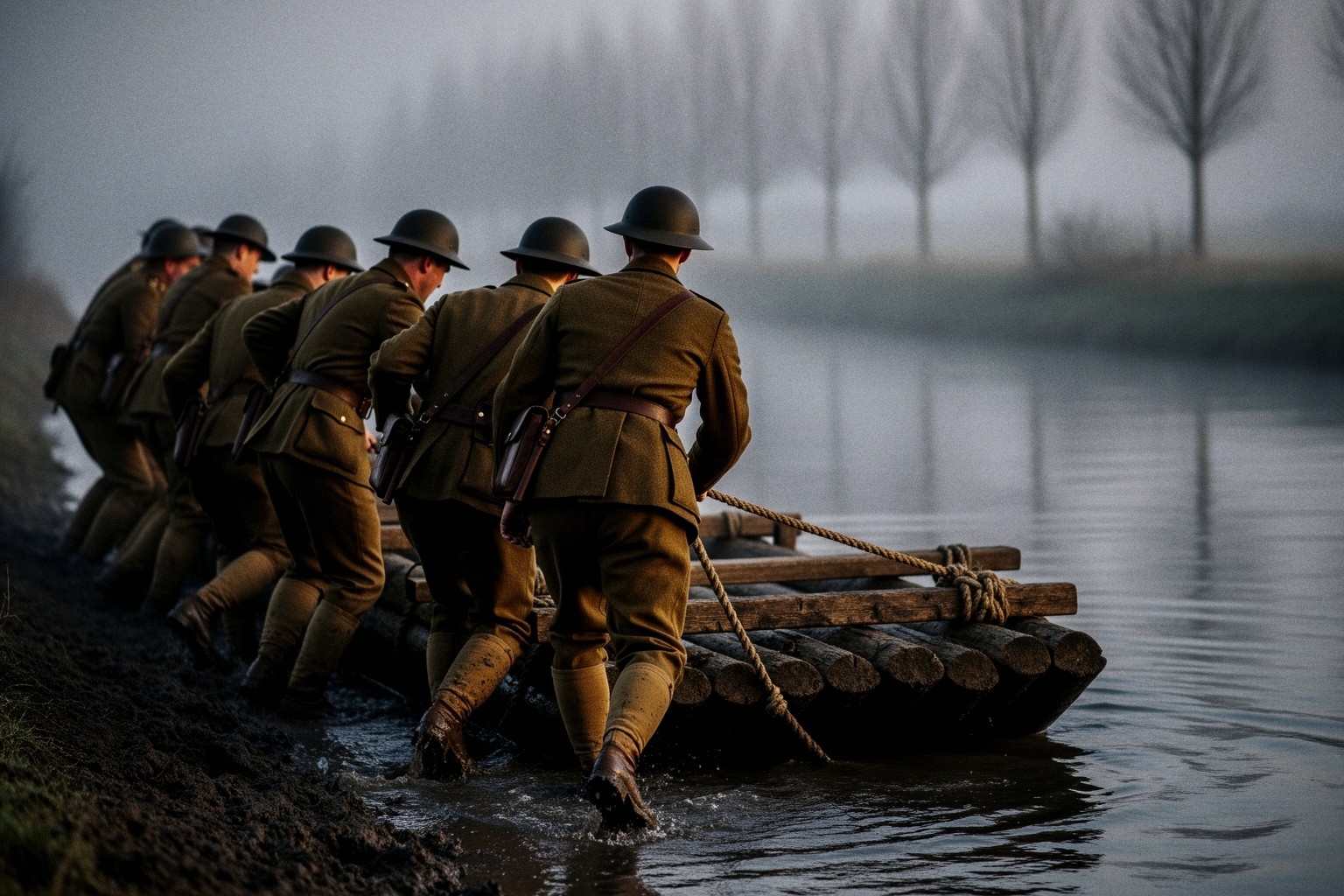
His battalion had been ordered to cross the canal before dawn. Royal Engineers worked to lash together floating bridges under machine-gun fire from the far bank. Men were hit as they carried timber to the water's edge. Owen was seen helping his soldiers with the crossing when he was shot.
He had been back at the front for only a few months, after treatment for shell shock at Craiglockhart hospital in Edinburgh. There he met Siegfried Sassoon, who read his drafts and pushed him to write plainly about what he had seen. Owen was awarded the Military Cross for action that October. Most of his poems, including "Dulce et Decorum Est" and "Anthem for Doomed Youth", sat unpublished in his notebooks.
The war he died in had seven days left to run.
His parents in Shrewsbury received the War Office telegram on 11 November, as church bells across the town rang for the Armistice. Sassoon published his poems two years later.
Checked against: Biographies of Wilfred Owen, his collected letters, battalion war diaries of the 2nd Manchester Regiment, Commonwealth War Graves Commission records
On November 4, 1995, Israel's prime minister, Yitzhak Rabin, was shot twice in the back in central Tel Aviv. He died in hospital that night. He was 73.
He had just left a rally in Kings of Israel Square, held to back the Oslo peace process with the Palestinians. More than 100,000 people came. Rabin, a former army chief of staff with no reputation for public sentiment, stood on stage and joined the crowd in singing "Song for Peace", reading the words from a sheet of paper. Then he folded the sheet into his jacket pocket.
As he walked down a stairway toward his car, a 25-year-old Israeli law student named Yigal Amir stepped up behind him and fired. Amir was a fierce opponent of the Oslo Accords. Security men tackled him on the spot, and he never denied what he had done. Rabin's driver raced him to Ichilov Hospital, where surgeons worked on him for over an hour.
When they opened his jacket, the song sheet was still in the pocket, soaked with his blood.
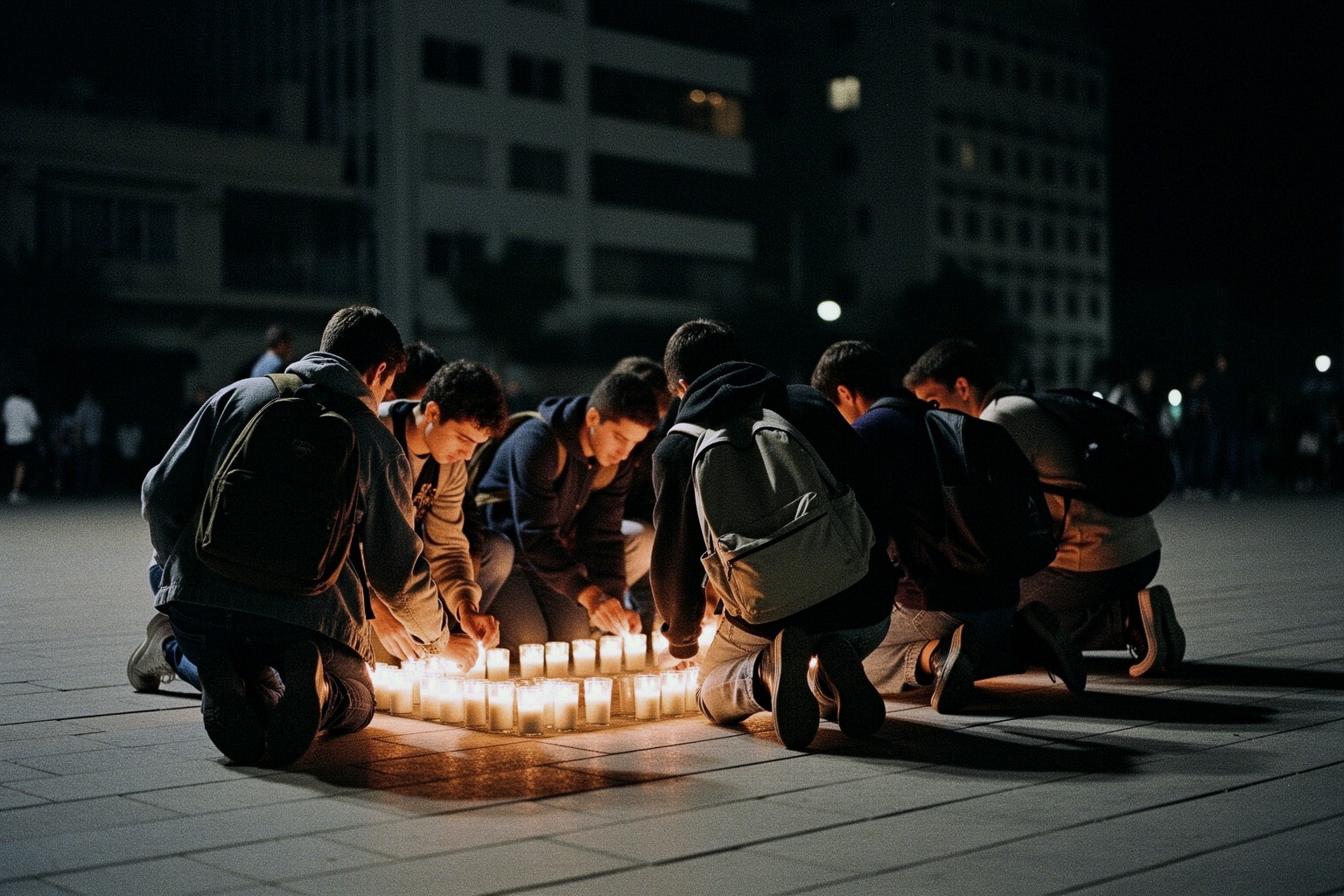
Within days, young Israelis had covered the square in memorial candles, sitting among them through the nights. The square has carried his name ever since.
Checked against: Contemporary Israeli and international newspaper reports; the Shamgar Commission report on the assassination; trial records of Yigal Amir; biographies of Rabin.
On November 4, 1966, the Arno broke its banks and poured into Florence. The water came before dawn, thick with mud and heating oil from flooded basements. Santa Croce, one of the lowest neighbourhoods in the city, went under fastest.
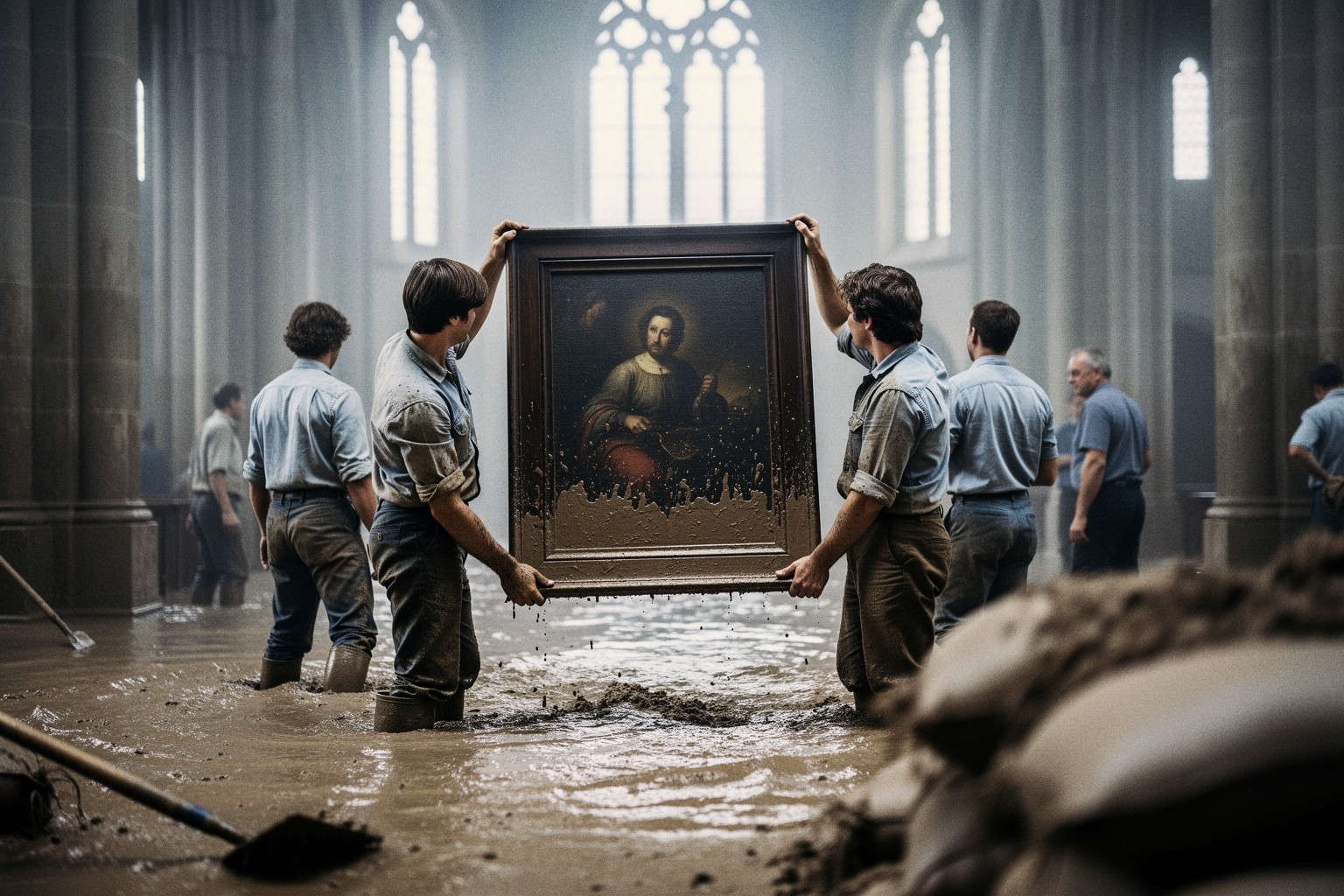
Inside the Franciscan basilica's museum hung Cimabue's great painted crucifix, made in the late thirteenth century. The flood soaked it for hours. When the water drained, the wooden cross had swollen and the paint was lifting away in flakes. Large parts of Christ's face and body were simply gone, left in the sludge on the floor.
Within days, young volunteers arrived from across Italy and abroad. Florentines called them the mud angels. They dug out churches, passed sodden books hand to hand, and carried damaged art to drying rooms. The crucifix became the flood's emblem, photographed again and again as proof of what had been lost.
Then the restorers decided not to give the face back: under Umberto Baldini, the missing areas were filled with fine coloured hatching that blends from a distance and reads as damage up close.
The cross went home with its wound on show. It now hangs on a lifting system, so it can be hauled up out of reach if the river comes again.
Checked against: Contemporary Italian and international press reports on the 1966 Florence flood; conservation literature from the Opificio delle Pietre Dure; histories of the flood and its restoration campaign; Santa Croce museum records.
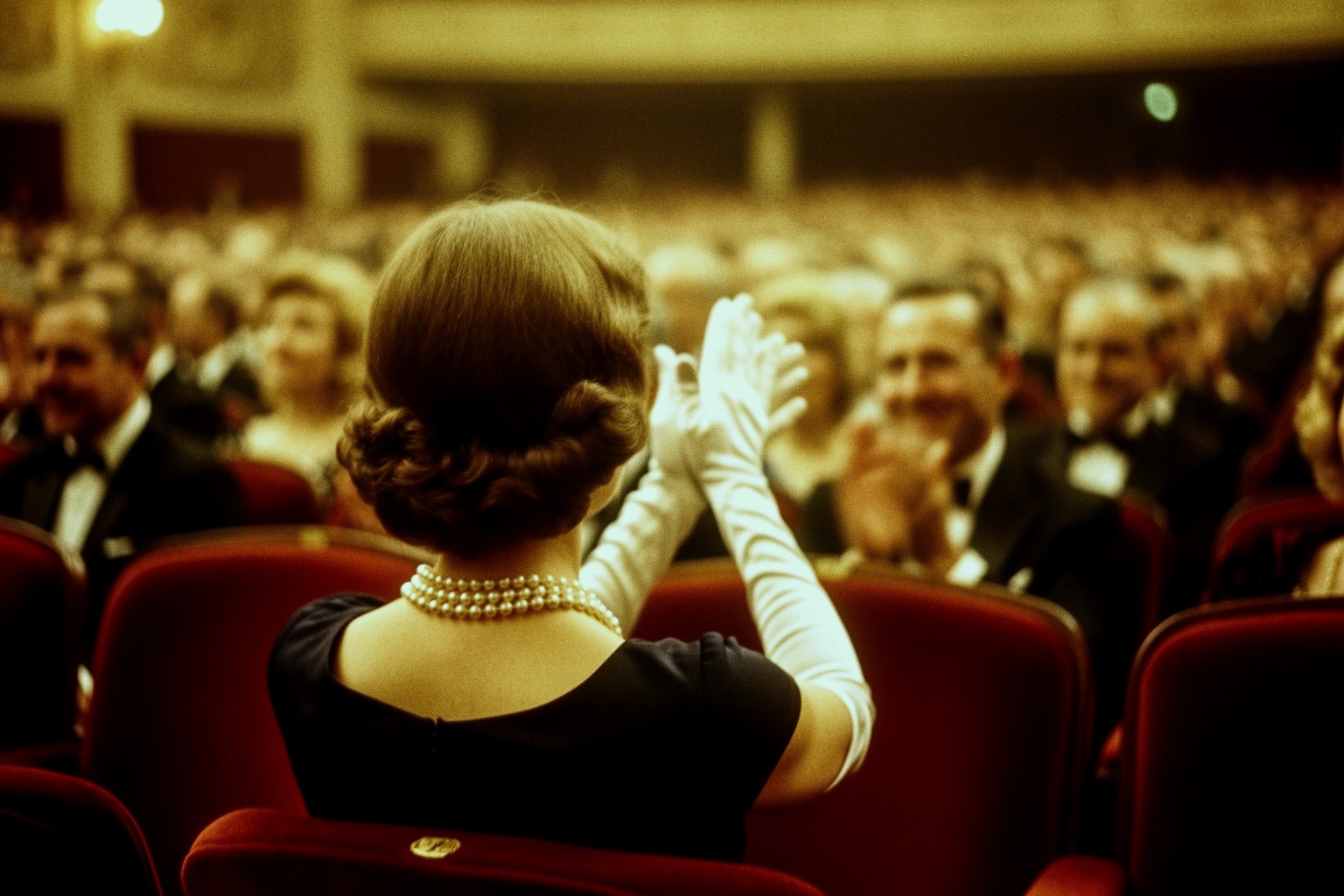
On 4 November 1963, the Beatles played the Royal Variety Performance at the Prince of Wales Theatre in London. The Queen Mother and Princess Margaret sat in the royal box. The stalls were full of dinner jackets, gloves and pearls.
The band played four songs: "From Me to You", "She Loves You", "Till There Was You" and, last, "Twist and Shout". Before that final number, John Lennon stepped to the microphone. He asked the people in the cheaper seats to clap their hands. The rest, he said, could just rattle their jewellery.
It was a dig at the room. Four young men from Liverpool were standing in front of Britain's most formal audience and pointing out who had paid what to sit where. Pop musicians were supposed to bow at these shows, not tease the boxes.
The joke landed squarely on the people in the expensive seats, and they laughed louder than anyone.
The show went out on ITV the following Sunday to one of the largest television audiences of the year. Lennon's jab at the posh seats reached the whole country, and the line that should have marked the band as cheeky outsiders made them the nation's favourites instead.
Checked against: Contemporary British newspaper reports of the 1963 Royal Variety Performance; ITV broadcast recordings; standard Beatles biographies and session chronologies
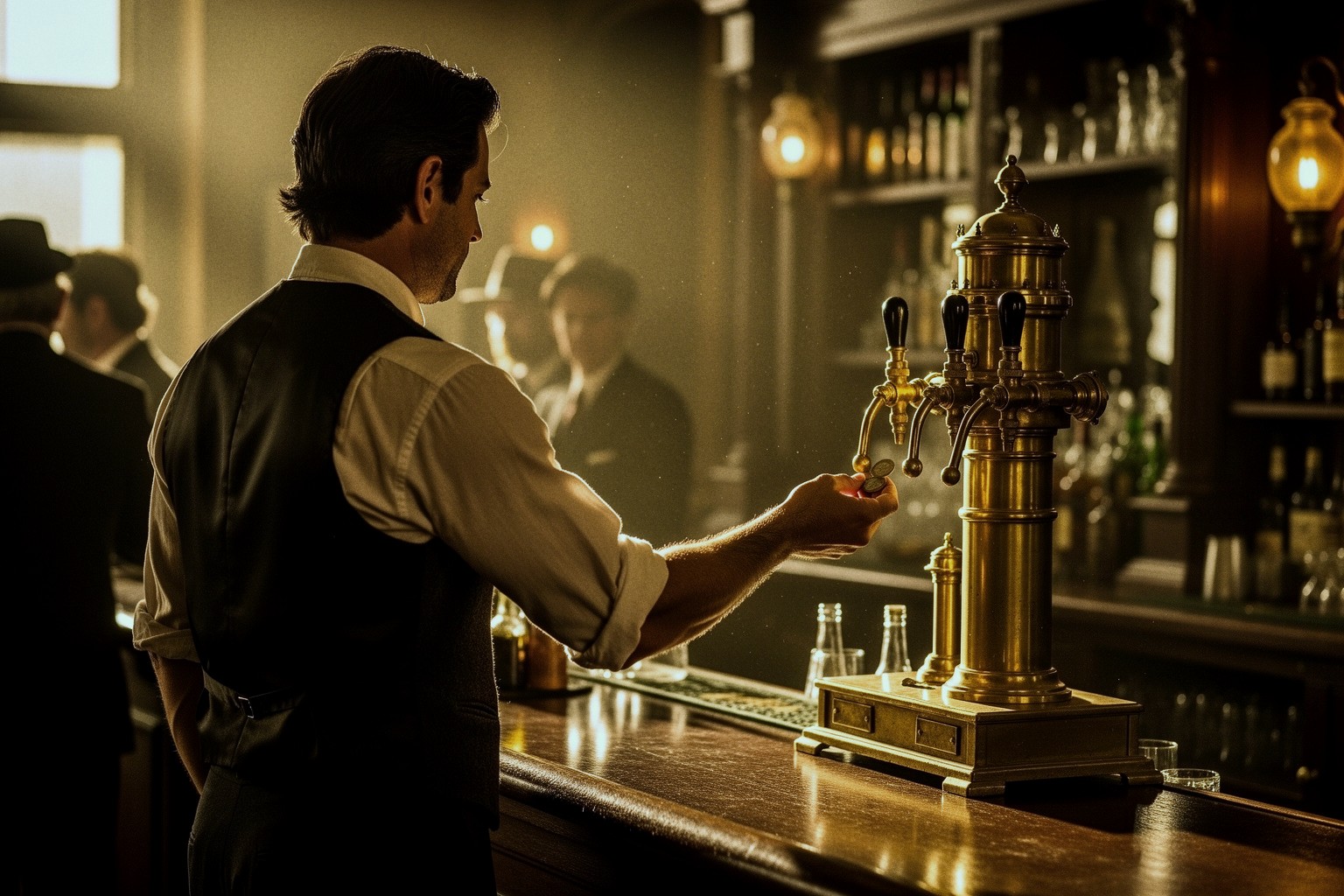
On November 4, 1879, a Dayton, Ohio, saloon keeper named James Ritty received a patent for a machine he called Ritty's Incorruptible Cashier. It was not built for his customers. It was built for his own bartenders, who had been pocketing his takings.
The idea came on a steamship crossing to Europe, where Ritty watched a device count the turns of the ship's propeller. If a machine could count revolutions, it could count sales. Back in Dayton, he and his brother John built one.
Each sale was entered by pressing a key. The amount popped up where the customer could see it, and a bell rang. A bartender who wanted to skim now had to do it in front of the room. Saloon owners no longer had to trust their staff. They could listen for the bell.
Ritty could not run a saloon and a factory at the same time, and within a few years he sold the business.
In 1884 a coal merchant named John H. Patterson bought the company, renamed it National Cash Register, and turned it into one of the great sales machines of American industry. Ritty kept pouring drinks in Dayton.
Checked against: US Patent Office records; histories of National Cash Register; Dayton, Ohio local history archives; histories of American business and retail technology
On November 4, 2001, the Arizona Diamondbacks beat the New York Yankees 3-2 in Game 7 of the World Series, in Phoenix. The September 11 attacks had pushed the season into November. Arizona was only in its fourth year of existence.
New York led 2-1 going into the bottom of the ninth. On the mound was Mariano Rivera, the most trusted closer in baseball. Then Rivera fielded a bunt and threw it wide of second base. A few batters later, Tony Womack doubled in the tying run. Craig Counsell was hit by a pitch, and the bases were loaded with one out.
Up came Luis Gonzalez, who had hit 57 home runs that season. He choked up on the bat. He swung, and the ball came off it softly, a lazy flare toward shortstop.
On almost any other play it was an easy out. With the winning run at third, the Yankees had pulled their infield in, and the ball dropped onto the grass just beyond Derek Jeter's reach.
Jay Bell crossed the plate. A team that played its first game in 1998 had ended a run of three straight Yankee championships.
Checked against: Major League Baseball official box scores and play-by-play records; contemporary newspaper game reports; television broadcast archives; published histories of the 2001 World Series
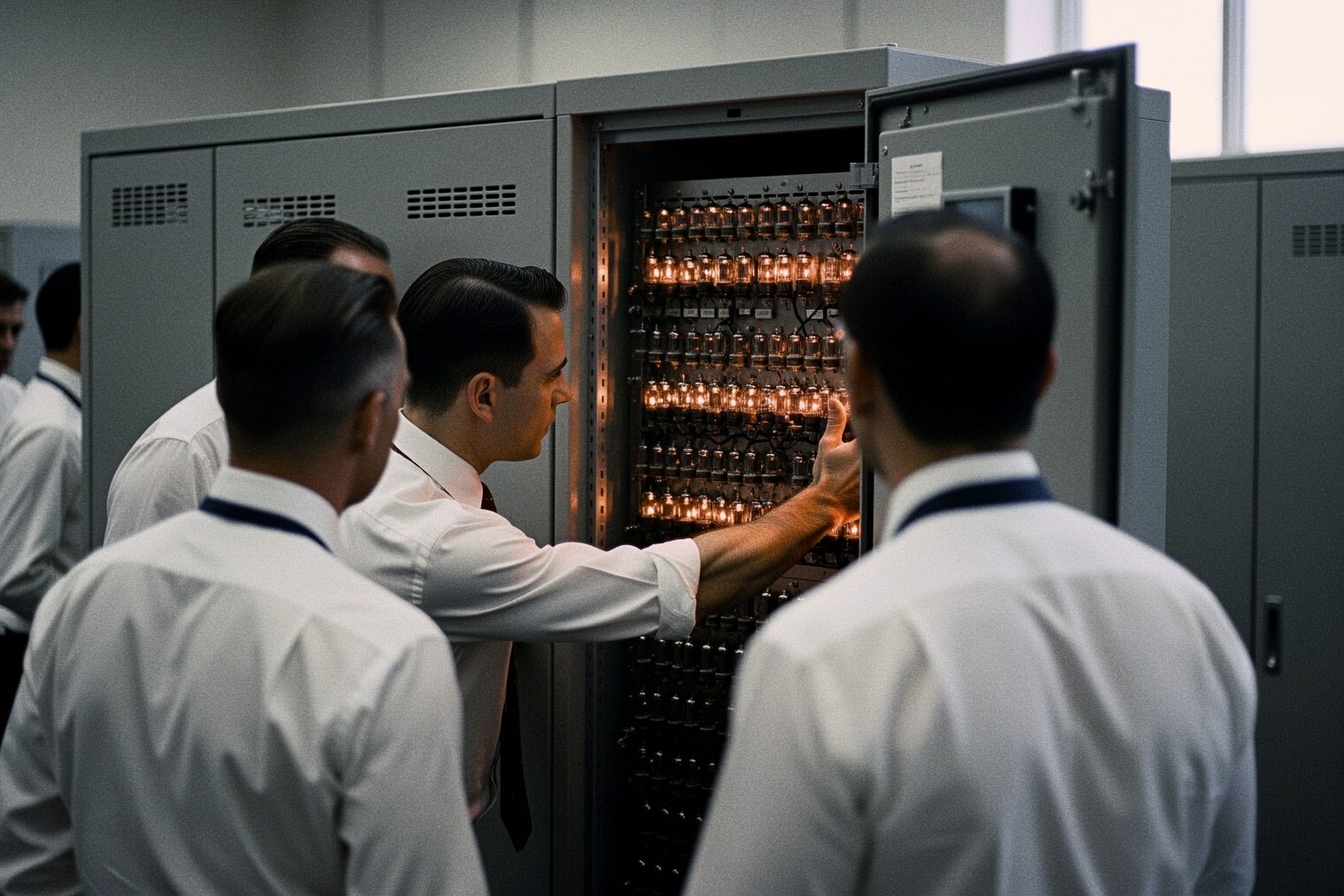
The computer called it early. The people running it flinched.
Illustration generated by AI for The Day Vault.
On November 4, 1952, CBS put a computer on election-night television. The machine was a UNIVAC I, built by Remington Rand. Its job was to forecast the presidential race between Dwight Eisenhower and Adlai Stevenson from the early returns.
Most pollsters had called the contest close. Programmers had loaded the UNIVAC with voting patterns from earlier elections so it could compare them with the first counts arriving that evening. Only a small fraction of the vote had been tallied when it produced an answer.
The answer was a landslide: 438 electoral votes for Eisenhower, 93 for Stevenson. Viewers saw a console with blinking lights in the studio. The real machine sat in Philadelphia and filled a room.
Nobody trusted it. The forecast was held back from the broadcast, and the team, sure the program had gone wrong, adjusted it until it showed a far tighter race.
Eisenhower won 442 electoral votes. Later that night the broadcast admitted that the machine's first forecast had been close to right, and that the people around it had been the ones who doubted.
Checked against: Contemporary CBS broadcast records and newspaper coverage of the 1952 election night; Remington Rand corporate histories; histories of early computing and of the UNIVAC I; official 1952 electoral vote tallies.
On November 4, 1854, Florence Nightingale arrived at the British Army's barracks hospital at Scutari, across the Bosporus from Constantinople, with a party of 38 nurses.
What they found was a huge converted barracks full of wounded and sick soldiers from the Crimean War, short of nearly everything. The army surgeons did not want them, so Nightingale kept her nurses out of the wards until they were asked for. The battle of Inkerman, fought the next day, brought a flood of casualties, and soon the nurses were let in.
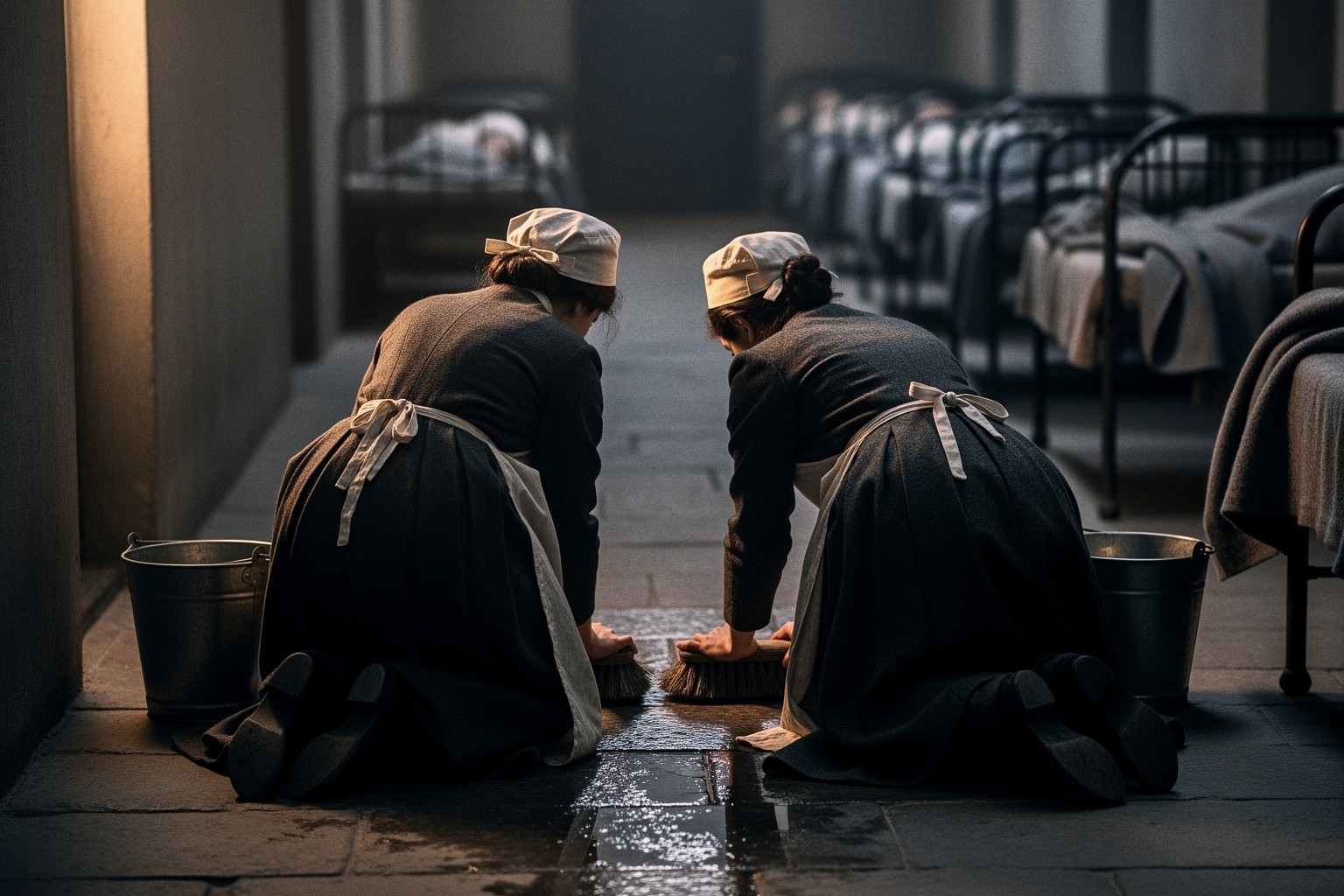
They set up kitchens, organised laundry, scrubbed floors and bought supplies the army had failed to provide. Letters home and newspaper reports turned the nurse with the lamp into a national figure before the winter was out.
That same winter, the death rate at Scutari climbed instead of falling, because the building sat on blocked, leaking sewers and a contaminated water supply that no amount of scrubbing could reach.
A government Sanitary Commission arrived in March 1855, cleared the drains and ventilated the building, and deaths dropped sharply within weeks. Nightingale spent years afterwards with the figures, and she built her later campaigns for army reform on the conclusion that sanitation, not nursing, had made the difference.
Checked against: Crimean War histories, Nightingale biographies, the Sanitary Commission's report, British army medical records and Nightingale's own statistical writings